

`microbiology` Related Article Results

Streptococcus pneumoniae
Streptococcus pneumoniae (pneumococcus) is a Gram-positive, oval-to-lancet-shaped diplococcus; it is a facultative anaerobe that forms α-hemolytic colonies and is pathogenic only in humans. More than 100 capsular serotypes have been identified on the surface, linked covalently to teichoic acids【1】 via phosphorylcholine【2】; the capsule is both the key to immune evasion and the target of current vaccines. Serotype Diversity and Capsule Biology The structural diversity of the glycocalyx【3】 distingu
EN
Bekir Öztürk
 Ch
ChCholera Vibrio (Vibrio cholerae)
Vibrio cholerae is a Gram-negative, comma-shaped, motile bacterium that causes cholera. It spreads via the fecal-oral route, primarily through contaminated water and food, and poses serious public health challenges under inadequate sanitation conditions. Naturally present in aquatic ecosystems, V. cholerae is notable for its environmental reservoirs and pathogenic properties. Microbiological Characteristics Morphology and Physiology Vibrio cholerae is a Gram-negative, comma-shaped bacterium belo
EN
Duygu İrem Erge
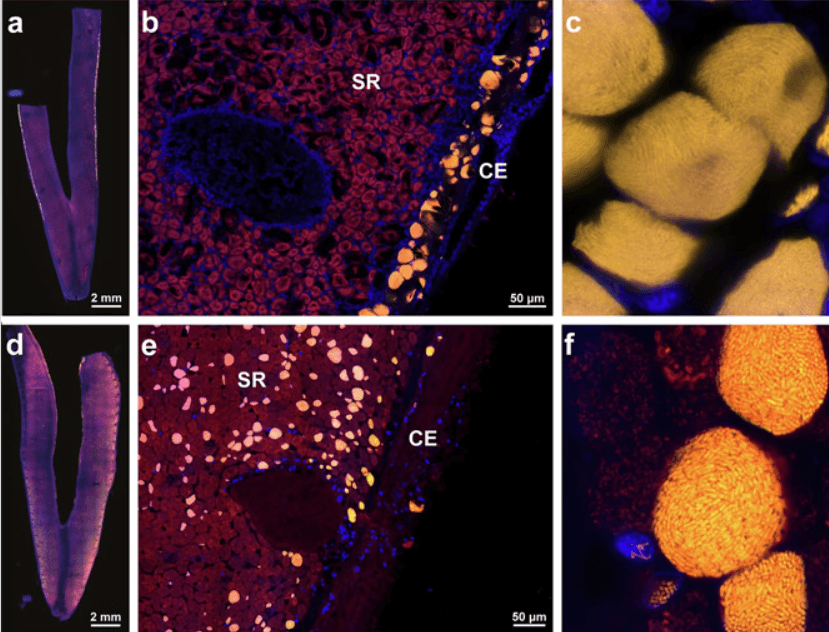
Gene Duplication of the Bacterium Parasitizing the Nucleus of Mollusk Cells
A series of bacteria, cell have adapted to intracellular parasitism, but living within the cell nucleus is exceedingly rare for “high-level parasitism.” Nuclear parasitism is typically carried out by protists via pathogenic bacteria; however, a new study published in Nature Microbiology has identified such a phenomenon in deep-sea snails. ‘Ca. Endonucleobacter’ bacteria live in the gills of the bivalves Bathymodiolus puteoserpentis and Gigantidas childressi, divide within the cell nucleus, and r
EN
Oksana Gülünay
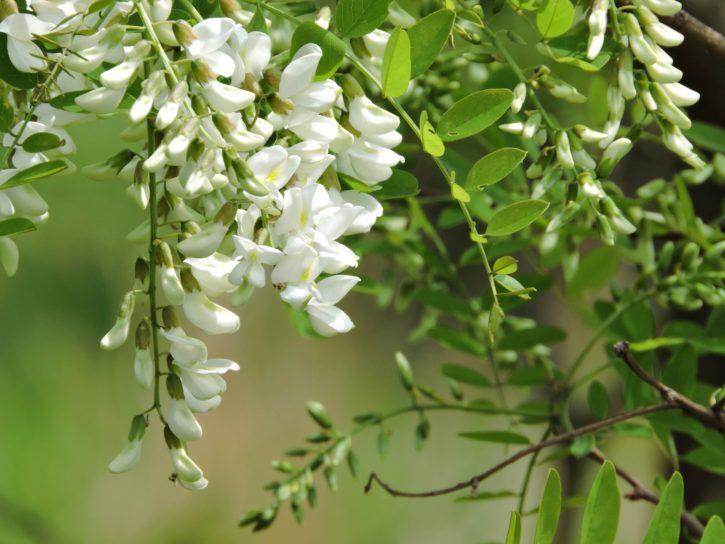
Black Locust Tree (Robinia pseudoacacia L.)
The black locust tree, known botanically as Robinia pseudoacacia L., is a leguminous species belonging to the Fabaceae (legume) family. Native to North America, it is among the first exotic tree species introduced to Türkiye. It is also commonly known as “false acacia.” This species attracts attention due to its rapid growth potential, low soil requirements, resilience, and showy flowers, and is widely used for various purposes in both forestry and non-agricultural applications. Natural Distribu
EN
Mehmet Salih Çoban
BaBacillus cereus
Bacillus cereus is a Gram-positive, rod-shaped, motile bacterium that forms endospores. It is generally facultatively anaerobic, meaning it can grow in both aerobic and anaerobic environments. Its cell wall contains a thick layer of peptidoglycan, causing it to appear purple in Gram staining. Its spores are highly resistant and can survive for extended periods in the environment by withstanding heat, dryness, and chemicals. History This bacterium was first described in 1887 by Frankland and Fran
EN
PINAR GÜNER
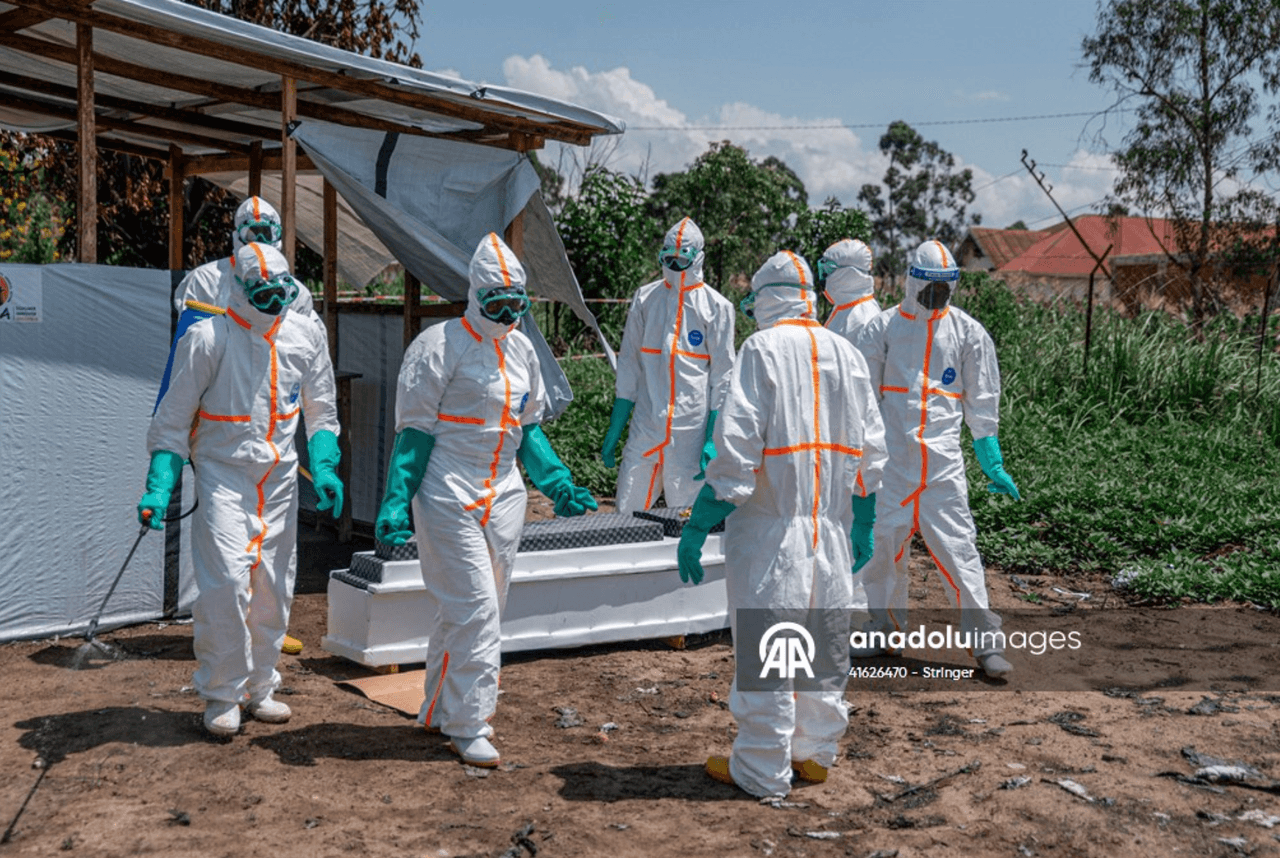
Ebola Outbreak (2026)
2026 Ebola Outbreak is an acute viral hemorrhagic fever outbreak triggered by the Bundibugyo ebolavirus species, affecting the border regions between the Democratic Republic of the Congo (DRC) and Uganda in East and Central Africa. 【1】 The outbreak entered the agenda of international health authorities in May 2026 and rapidly evolved into a regional risk 【2】. International operations to combat the outbreak have been shaped around the dissemination of diagnostic methods, the acceleration of clini
EN
Azra Karaca