

`mercury` Related Article Results
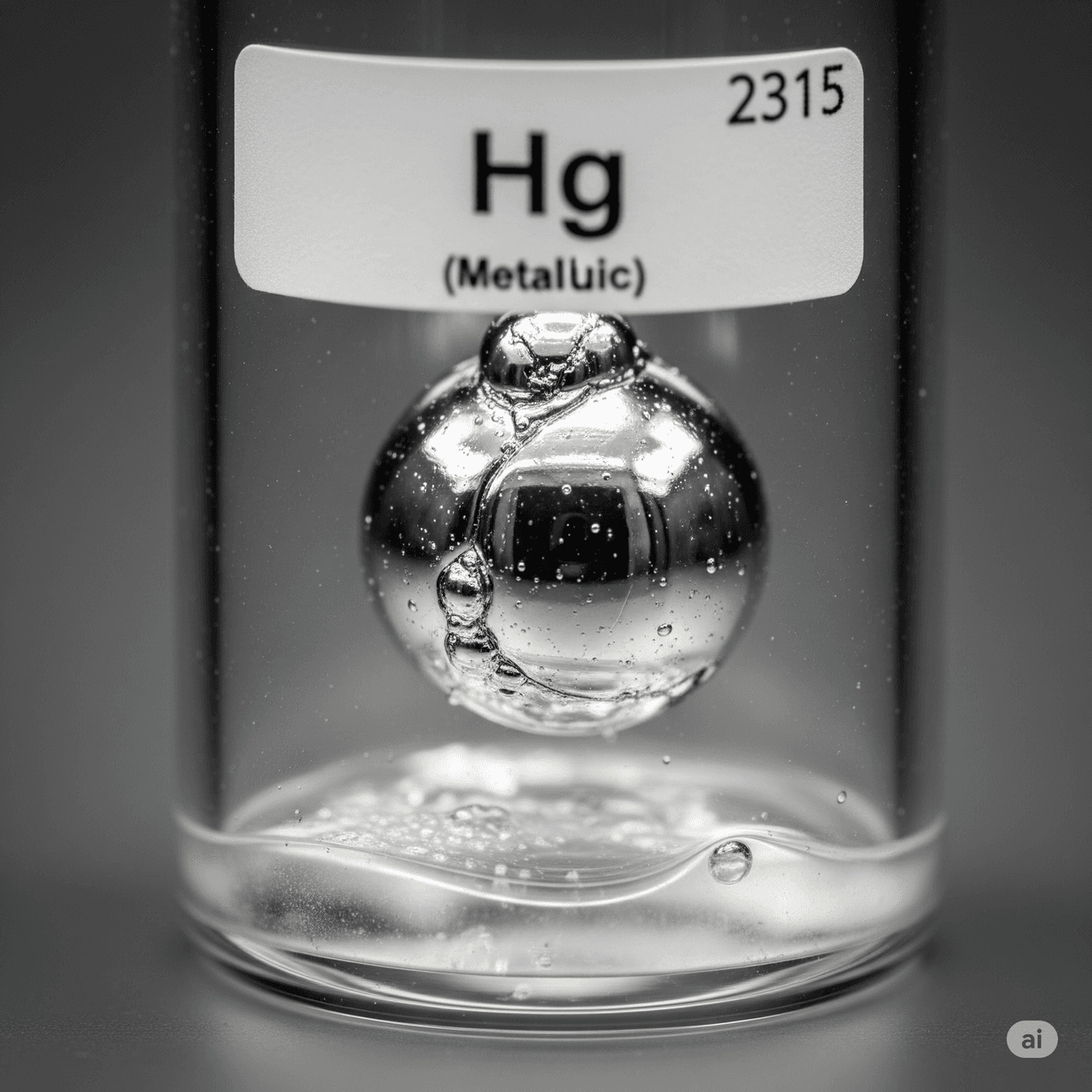
Mercury (Hg)
Mercury is the only metallic element that exists in liquid form at room temperature and is located at the 80th position in the periodic table. This transition metal has attracted attention throughout history due to its shiny silvery appearance and fluidity. It has been known since ancient times. Its symbol Hg derives from the Latin word "hydrargyrum" meaning "liquid silver." Despite its use in various scientific and industrial applications due to properties such as high density uniform thermal e
EN
Caner Sefa Koçyiğit
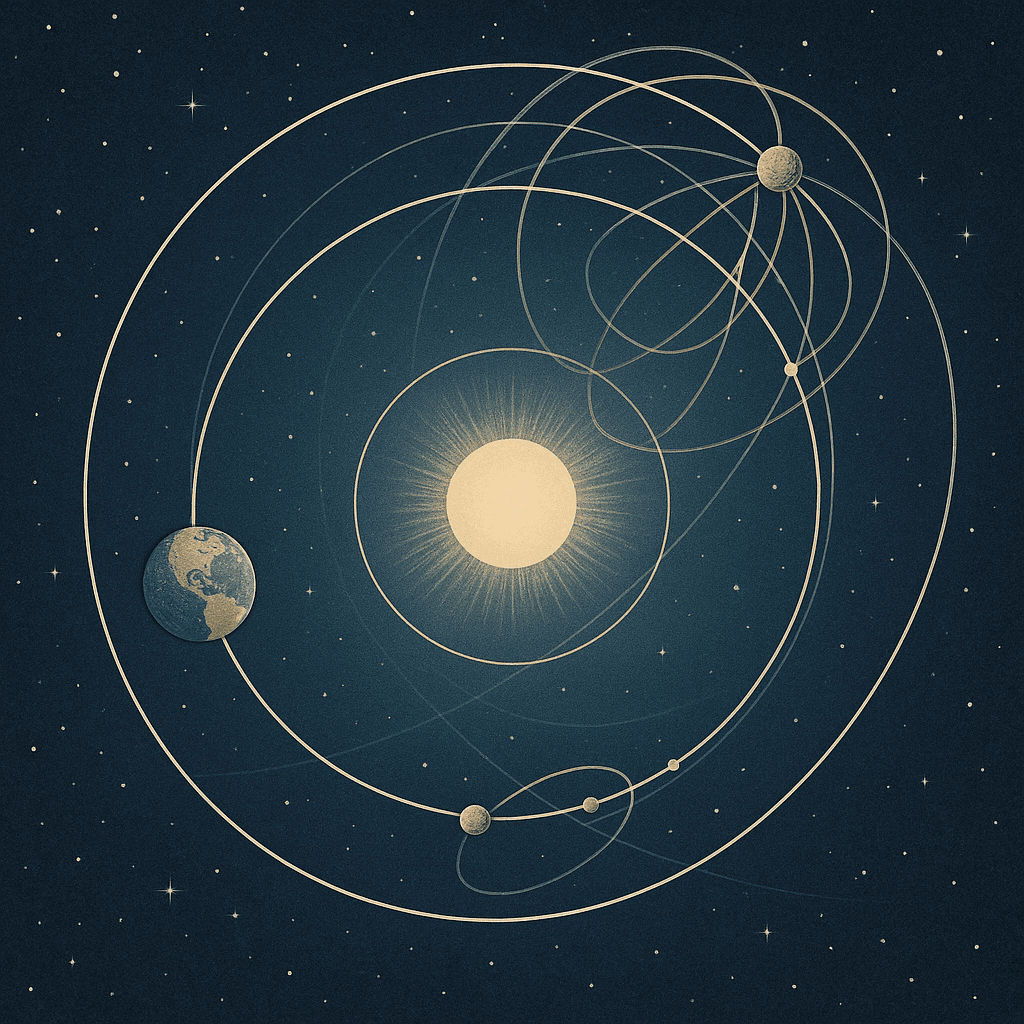
Mercury Retrograde
Merkür retrograde motion is an astronomical phenomenon in which the planet appears to briefly reverse its direction of motion when observed from Earth in a heliocentric sky. This occurrence is not due to an actual reversal of the planet’s orbital direction; rather it is a perspective effect caused by the observer’s position on Earth and the differing orbital speeds of planets. Throughout history this motion has been explained in various astronomy models and held particular significance in the Pt
EN
Ömer Said Aydın
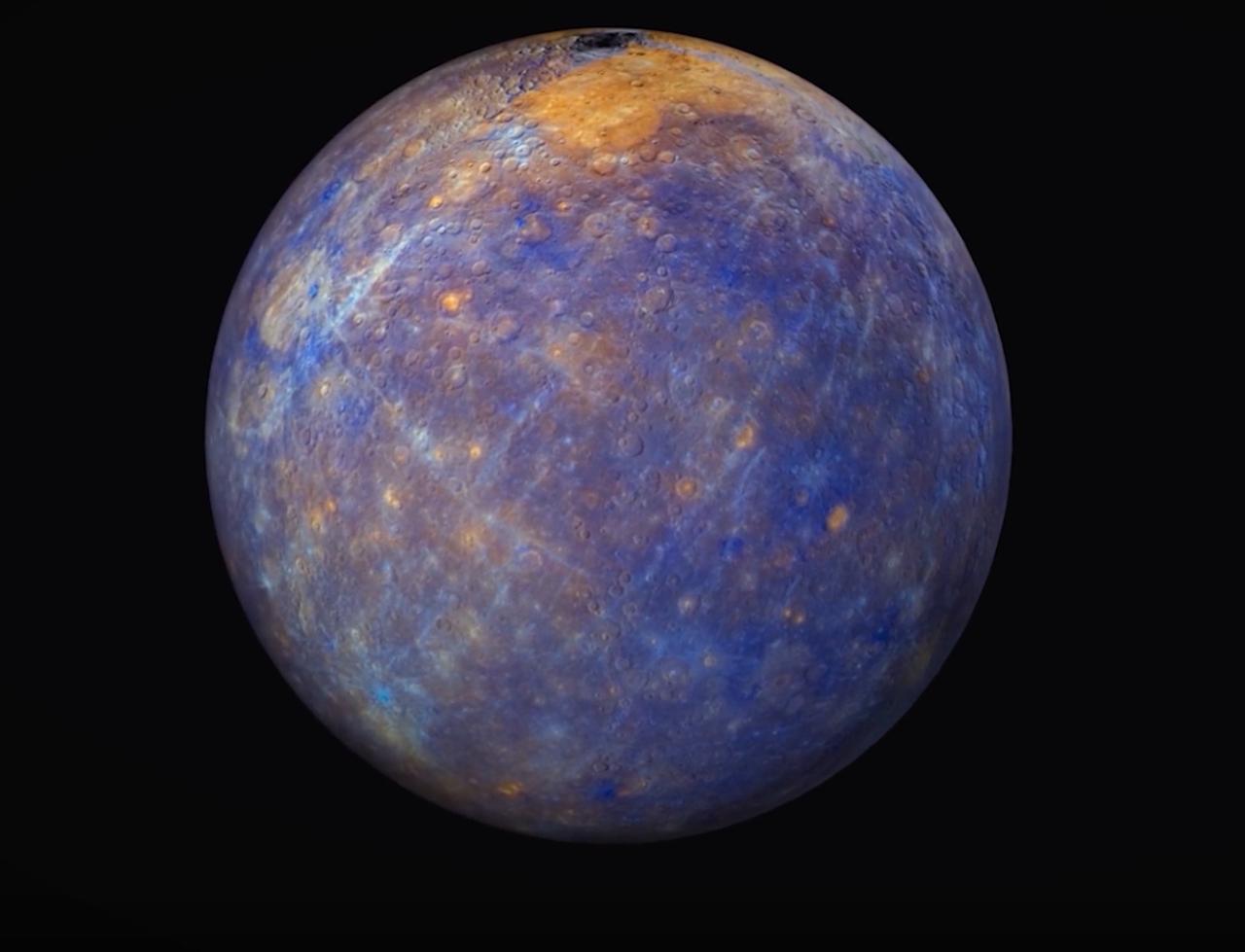
Mercury (Planet)
Sun system's closest to the Sun and least massive planet, Mercury, constitutes a unique subject of study in orbital and physical characteristics within the fields of astronomy and planet science. Mercury, Pixabay Orbital and Rotational Characteristics Mercury orbits the Sun at an average distance of 0.39 astronomical units (AU) 【1】. Its orbital period is approximately 88 World days, indicating a relatively rapid orbital motion compared to other planets in the Solar System. However, Mercury's rot
ENCaner Sefa Koçyiğit
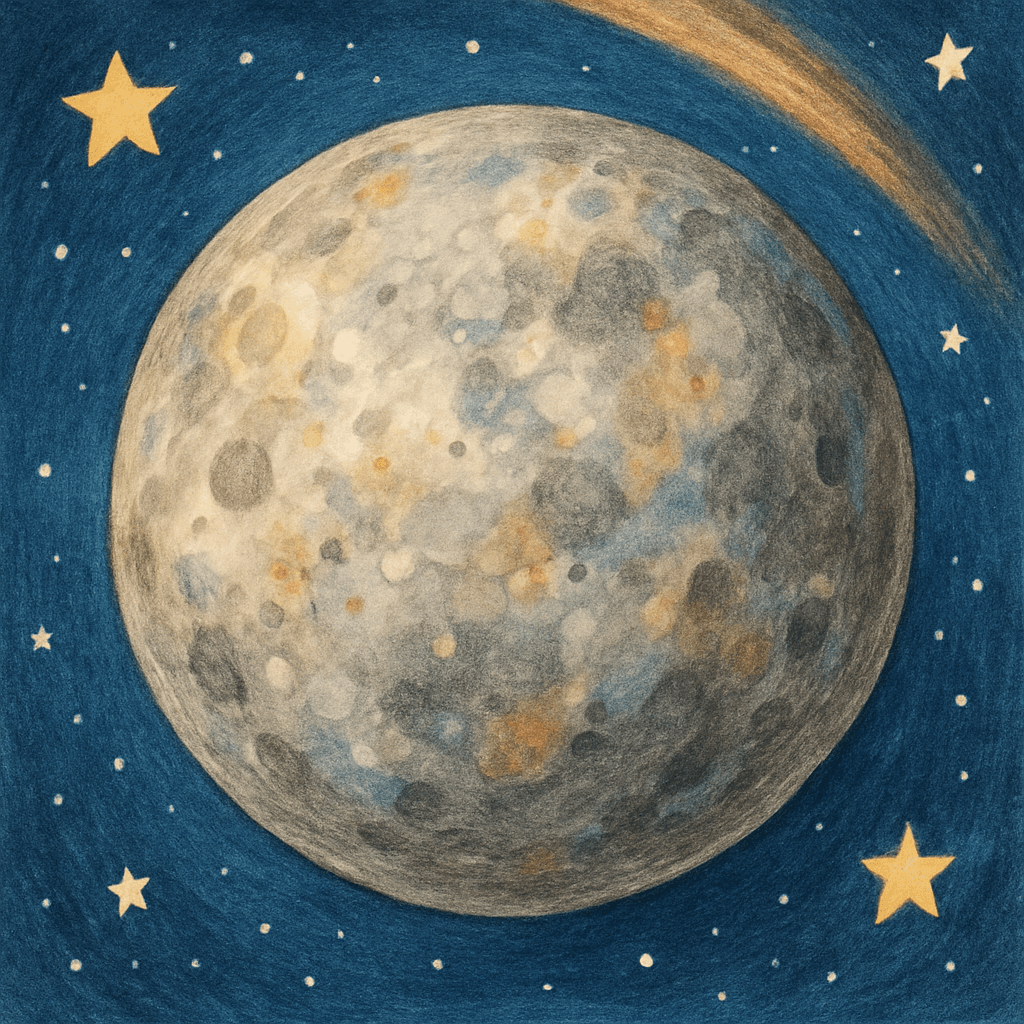
Mercury
Are you ready to discover the planet closest to the Sun? Tiny yet incredibly mysterious, Mercury holds some of space’s hottest secrets. Let’s embark on a journey into the depths of space to explore this small and swift planet! When Can You See Mercury? Because Mercury is so close to the Sun, it always appears near the Sun in the sky. Therefore, we cannot see it during the day. However, for a brief moment just after sunset or just before sunrise, it can be spotted as a small point of light along
EN
Rabia Aras
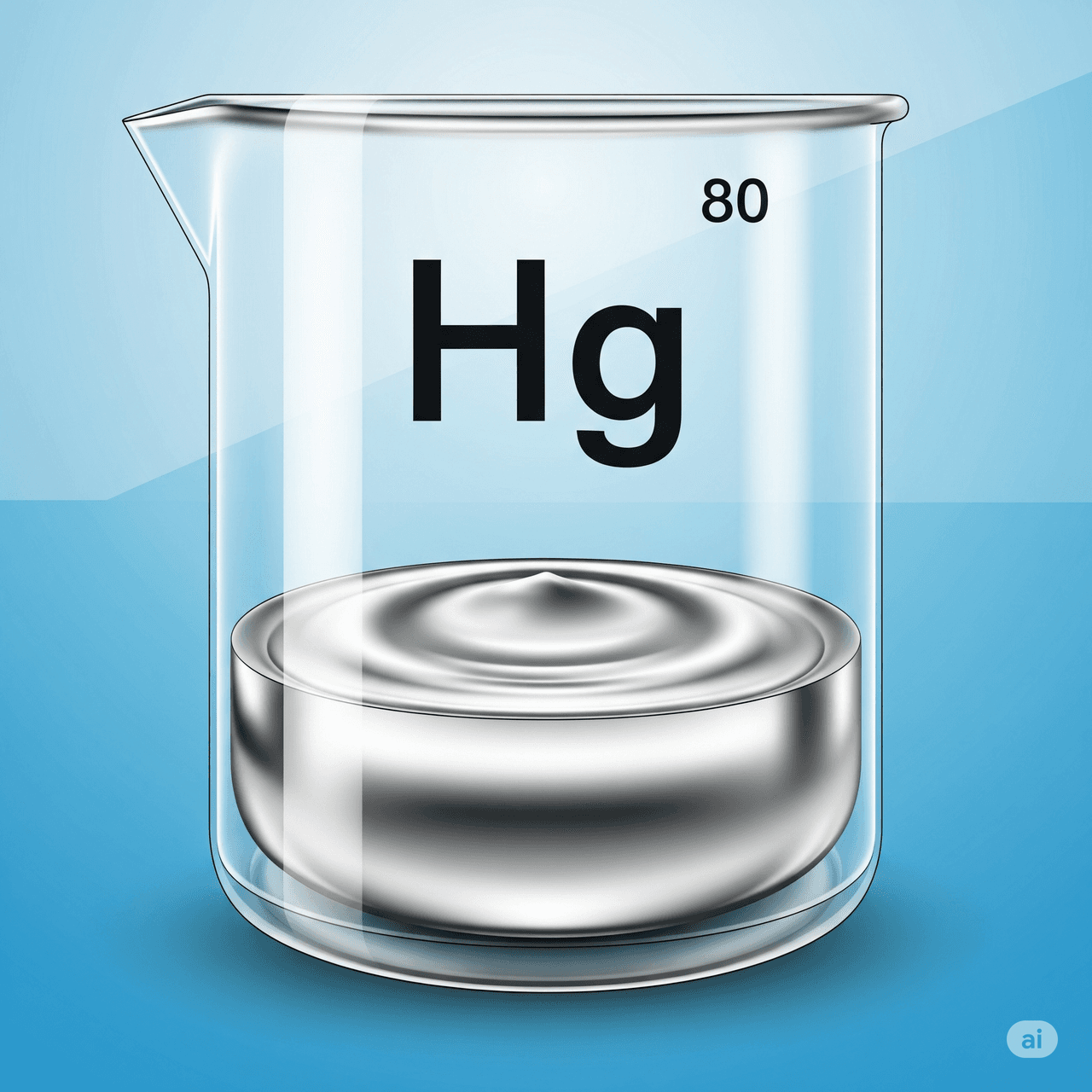
Mercury Element
Mercury is a metal with the symbol Hg and atomic number 80. Its properties are quite distinct from those of other metals: it exists in liquid form even at room temperature. For this reason it is known as a “liquid metal.” It has a bright silvery appearance and is a very dense element. History Mercury has been known to humanity for thousands of years. In ancient times it was used in medicine and alchemical studies. Ancient civilizations used mercury in certain medicines and metal treatments despi
EN
İbrahim Filiz

Mercurius (Markut)
Merküt (also Markut, Burkut) is a sacred sky bird in the mythologies of Turkic peoples, particularly the Altai, Yakut, and Kyrgyz Turks, taking the form of an eagle. It is regarded as both an ancestral spirit and a powerful entity that guides shamans on their celestial journeys. With its immense size and strength, Merküt holds a supernatural status and is an essential symbol in Turkic cosmology, deeply intertwined with beliefs about creation, lineage, and shamanism. Its Place and Significance in
EN
Mehtap Pamuk
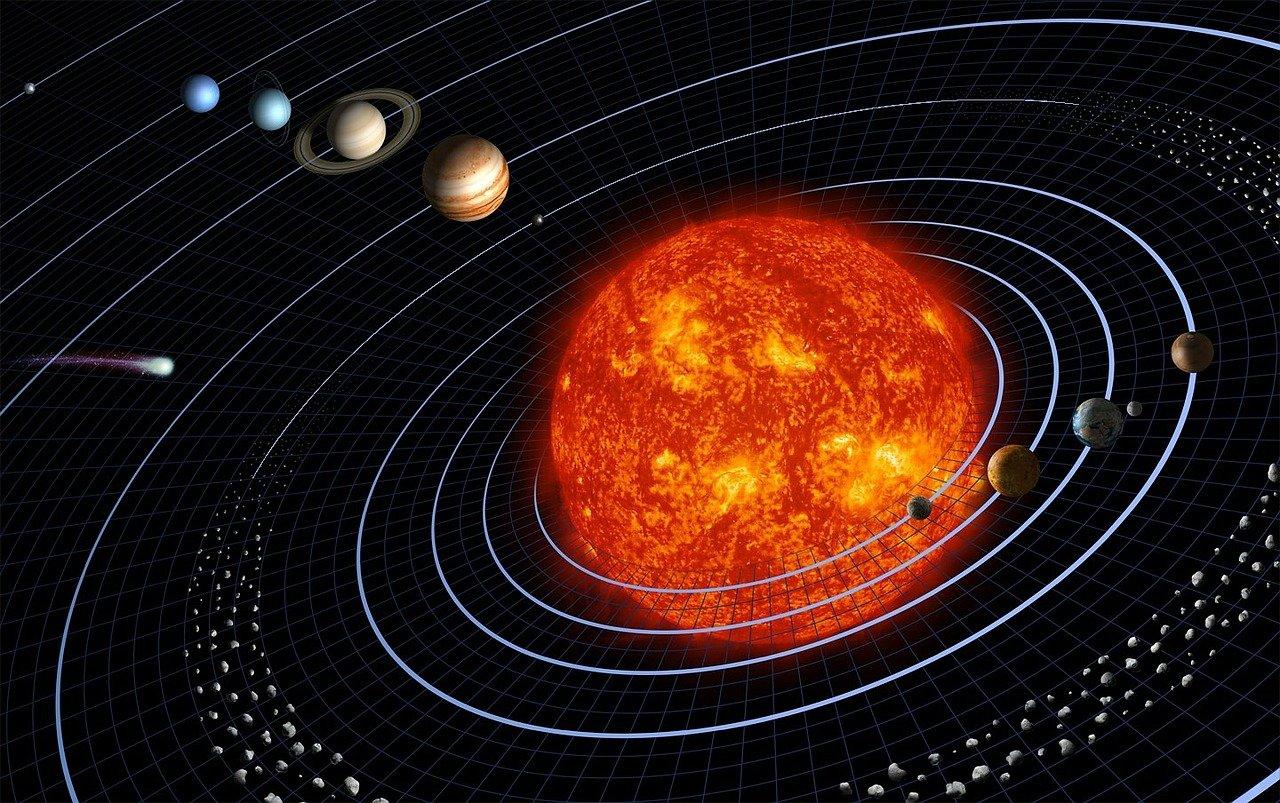
Rotation Periods of the Planets in the Solar System
Each planet has its own rotation period around its axis, known as a “day,” and these vary significantly. On Mercury, one day lasts 176 Earth days, while on Jupiter it can be as short as 9 hours and 55 minutes. On Venus, a day is longer than a year! Factors such as the planet’s distance from the Sun, its mass, and the tilt of its axis determine this duration. You will explore the rotation periods of all planets from Mercury to Neptune, including the differences between sidereal and solar days. Ro
EN
Mehmet Bağcı
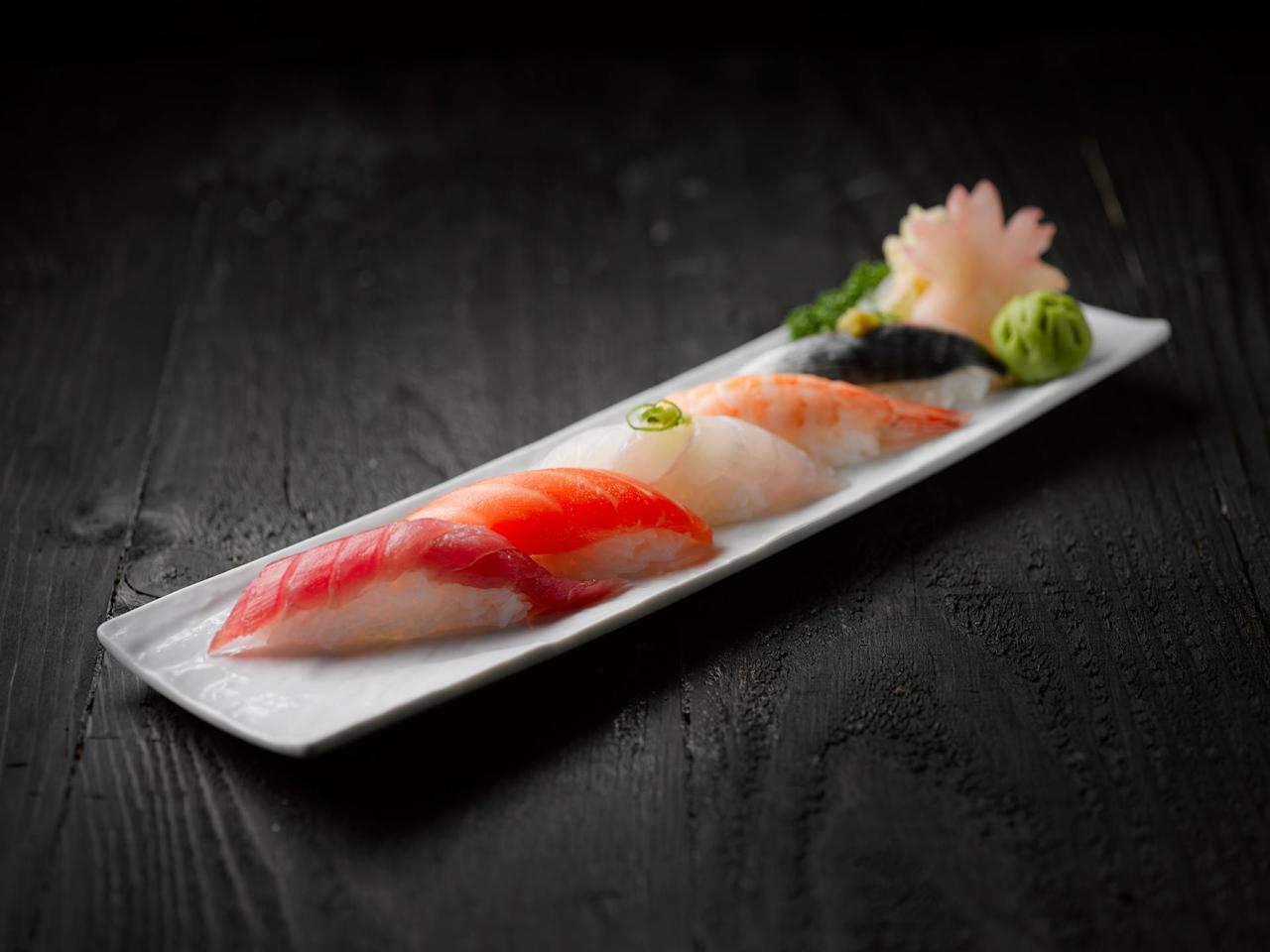
Sushi
Sushi, as a distinctive and historical product of Japanese cuisine, is a type of dish that has become widespread around the world. Featuring both traditional and modern variations, sushi typically consists of key ingredients such as raw or lightly cooked fish, seafood, rice, and seaweed (nori). History and Cultural Context The origins of sushi lie in the combination of fish and rice through various techniques developed in Japan. Over time, different types of sushi—such as nigiri, maki, and temak
EN
Ömer Faruk Bilcan