

`mentalprocesses` Related Article Results

Silence in the Consulting Chair: What Do Unspoken Words Convey?
One of the greatest misconceptions about the psychotherapy process is the belief that the therapy room must constantly overflow with words, confessions, and heated dialogue. Yet everyone who steps into that room knows that sometimes the most powerful sentences are not those spoken aloud, but the deep silences that settle like mist in the center of the room. A person sitting in the client’s chair being silent does not mean they have nothing to say. On the contrary, sometimes the weight of words b
EN
Nida Üstün

Cryptomnesia
Cryptomnesia is the phenomenon in which a person completely forgets the source of information, an idea, or a work they previously encountered or learned, and experiences it as a new and original creation of their own mind. The term literally means "forgotten memory."【1】 It is a form of plagiarism, or appropriation, in which a writer, researcher, or individual thoroughly internalizes another person’s ideas, data, methods, or research outputs and mistakenly believes them to be their own.【2】 This c
EN
Kadriye Beyza Kirenci

The Psychology of Missed Opportunities
Almost everyone carries in their mind a scene they occasionally revisit—a word left unsaid, a step never taken, a question left unanswered. Even after years have passed, that moment remains alive in some corner of the mind, surfacing unexpectedly at random times. Why Does the Mind Remember What Wasn’t Done Rather Than What Was? People often feel regret not for what they did, but for what they did not do. Whatever the outcome of a decision we made, the mind tends to treat it as a “closed file.” B
EN
Ömer Said Aydın
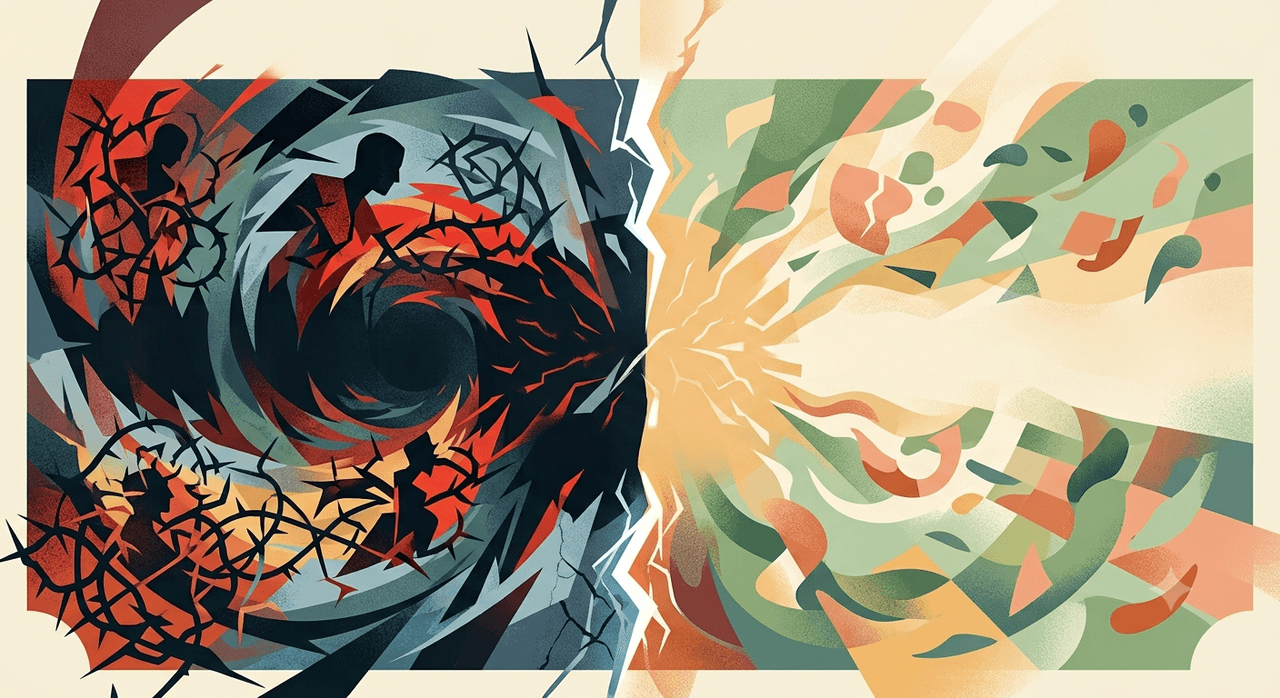
Hanlon's Razor: Malice or Simple Mistake?
A colleague has not replied to your email for days. The car in front of you in traffic changes lanes without signaling. Your manager acts as if they never heard the idea you raised in the meeting. In all these moments, the same question arises in our minds: “Are they doing this to me on purpose?” More often than not, the answer is far more mundane and far less personal than we imagine. The person across from us is probably not even thinking about us; they have simply forgotten, distracted themse
ENÖmer Said Aydın

Where Are the Years Going?
Everyone knows that time speeds up as we age; what is less known is that this acceleration does not continue indefinitely. As children, summer vacations seemed to last forever. Three months appeared almost like a lifetime. Now, years pass and when you look back, you struggle to understand where the time went. Something has changed; but what? This feeling is independent of geography and culture: Japanese grandmothers describe it, Norwegian grandfathers do too. A comprehensive study involving 499
EN
Gökhan Güller

Carrying Oneself
Evening had fallen. The bag carried on the shoulder all day was finally left by the door. The key turned, shoes were removed, and the weight of the day seemed to slowly drain away. But something strange was happening: the bag could be placed on the floor, the coat hung on a hook, the bags carried in hand could be set down. Many burdens of the day could somehow be left behind. Yet there were things that could not be left outside the door. They entered the home with you. Quietly. Every day. Someti
EN
Ebrar Sıla Peri
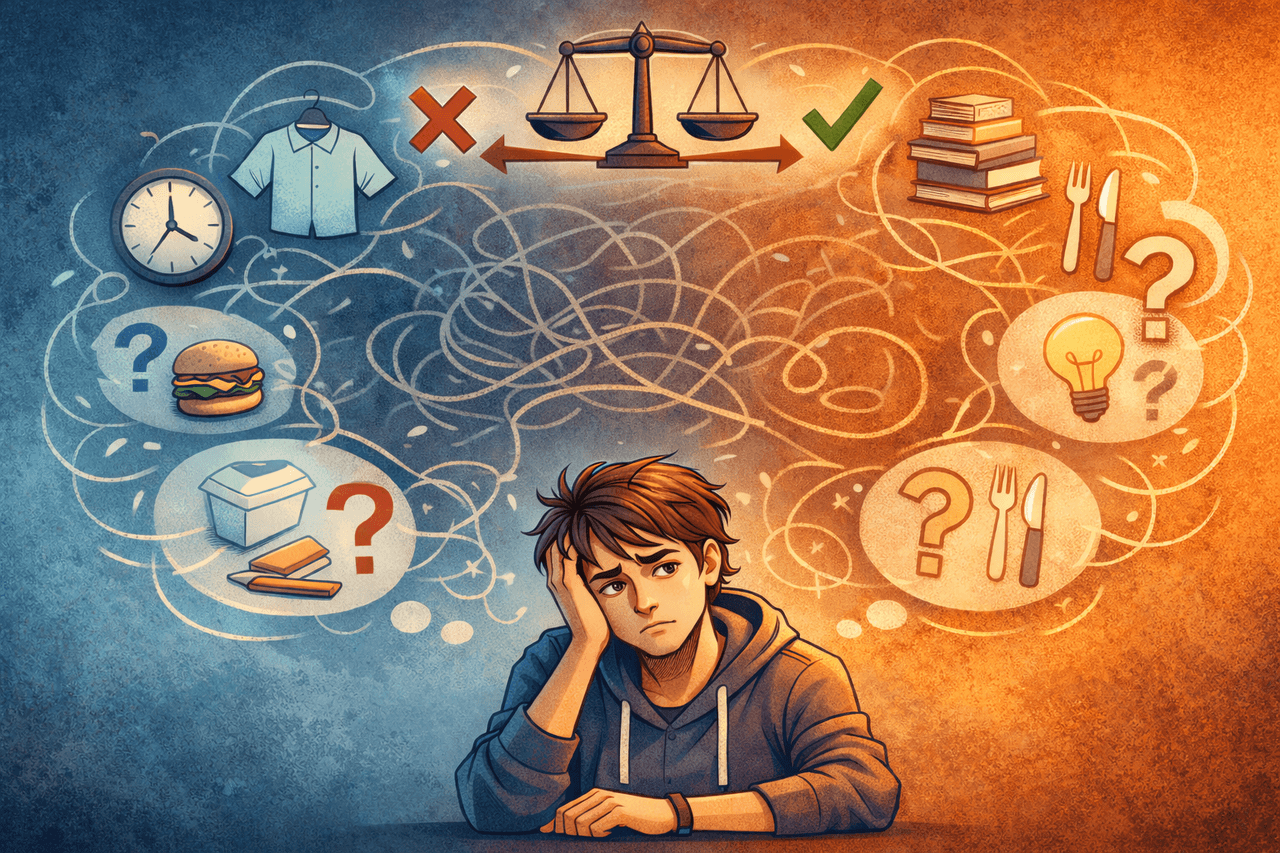
Decision Fatigue
I believe I make dozens of decisions throughout the day without even noticing. From choosing what to wear in the morning to deciding what to eat and when to study for each class, I am constantly making choices. But there are days when even the simplest decisions feel unnecessarily difficult. It feels as if my mind is full and no longer wants to think. This state becomes even more pronounced as the day progresses, and even the smallest choices seem magnified in my eyes. What Is Decision Fatigue?
EN
Yaren Topaloğlu