

`mental-health` Related Article Results

Major depression
Major depression is a psychiatric disorder characterized by a pronounced and persistent decline in mood that significantly impairs an individual’s daily functioning. Also known as clinical depression or major depressive disorder (MDD), this condition is not merely a temporary state of sadness but a serious mental health issue that disrupts functioning and requires intervention. According to the World Health Organization, major depression is one of the most common mental disorders worldwide and c
EN
Nida Üstün

Technological Applications in Psychology
Technological applications in psychology are software programs developed for smartphones and other mobile devices that provide users with various mental health services. With the widespread adoption of the internet and smartphones in the 21st century, interest in these mobile applications has grown as a means to deliver psychological support services more effectively and efficiently. These applications aim to make mental health services more accessible by functioning across a broad spectrum incl
EN
Nursena Şahin

Mind
Mind is a concept that encompasses the entirety of a living being’s mental processes and activities such as thinking, perceiving, feeling, remembering, understanding, and consciousness. This term, of Arabic origin, constitutes one of the fundamental research subjects in many disciplines including philosophy, psychology, neuroscience, and cognitive science. The mind is a complex structure that shapes an individual’s inner world, guides behavior, and forms the foundation of social interactions. At
EN
Sümeyye Akkanat Terzioğlu

Borderline Personality Disorder (BPD)
Borderline Personality Disorder (BPD) is a psychiatric condition characterized by severe emotional dysregulation, identity disturbances, impulsive behaviors, and extreme relationship dynamics. BPD typically emerges during adolescence or early adulthood and can significantly affect individuals’ daily and professional lives, social relationships, and psychological well-being important. As one of the most complex and challenging to treat among personality disorders, BPD often manifests with profoun
EN
Meryem Betül Kaya

World Mental Health Day
World Mental Health Day is an international observance held annually on 10 October to raise awareness of the importance of mental health. Initiated in 1992 by the World Federation for Mental Health, this special day addresses different dimensions of mental health through annually designated themes. Its primary objective is to increase awareness among individuals and communities about preserving mental well being reduce stigma associated with mental health and promote wider access to accessible a
EN
Nursena Güller
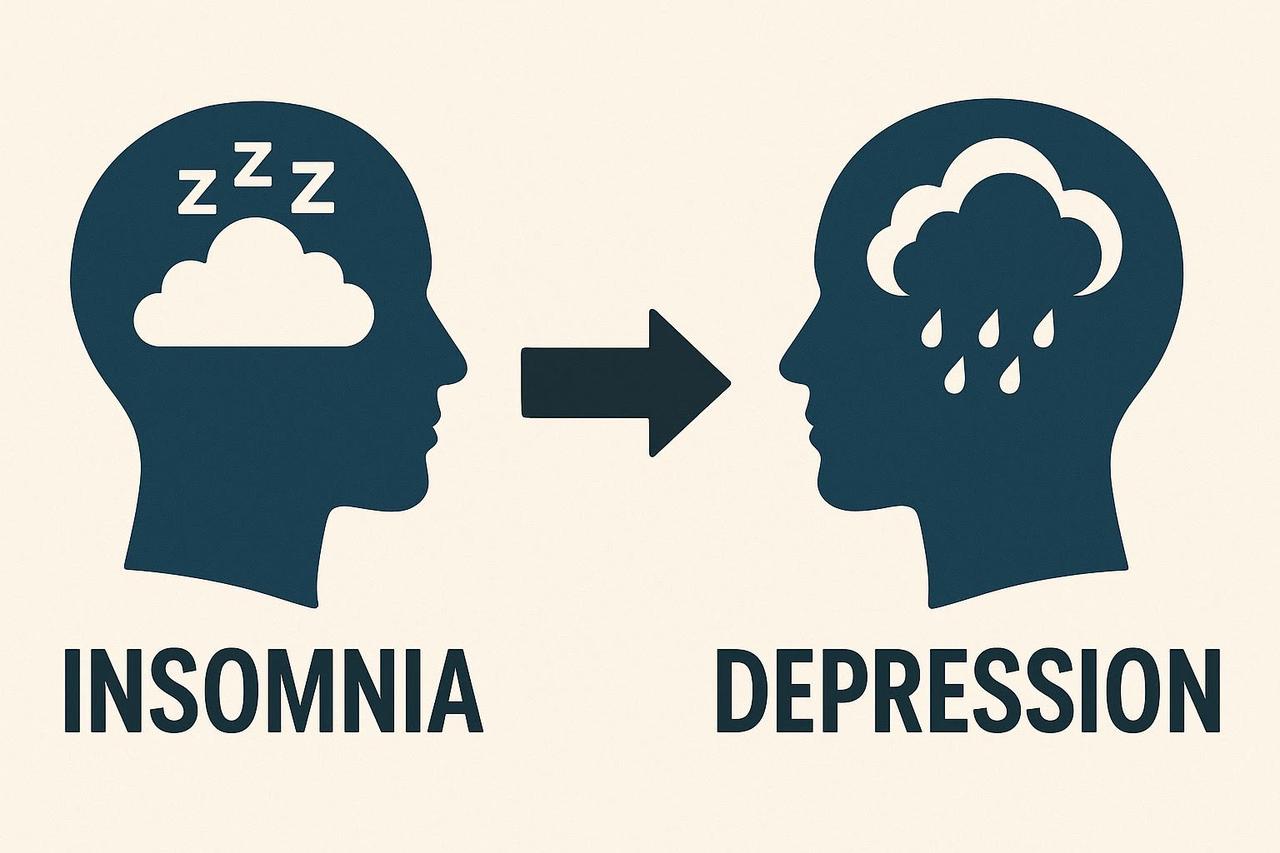
Sleep Deprivation and Depression Relationship
Staying awake until late hours at night has become a routine for all of us in our era. However, although this behavior may seem like a habit, experts treat it as a subject of research because this habit poses a greater threat to our mental health than we assume. According to experts and research findings, remaining awake during hours that contradict our biological clock increases the risk of depression. Reduced sleep quality, changes in sleep timing, preferred emotional states during the day, an
ENNursena Şahin

Psychological Well-being
In contrast to psychology’s long-standing focus on individuals’ problems and disorders (the disease model), the positive psychology movement has emphasized enhancing quality of life and well-being by concentrating on individuals’ strengths and potential rather than their deficiencies. According to this perspective, being healthy requires more than merely the absence of problems; it also necessitates being in a good state physically, mentally, and socially. Well-being is examined in the literatur
EN
Uğur AYDINLI

Catharsis
Catharsis (Greek: Katharsis, purification, cleansing) is a process in psychology and psychotherapy in which an individual achieves relief and integration by expressing repressed emotional conflicts and traumatic experiences. This process holds critical importance for a person’s mental and spiritual health. Origin and Definition of the Concept of Catharsis The concept of catharsis was first used by the ancient Greek philosopher Aristotle, particularly in reference to the art of theater. Aristotel
ENUğur AYDINLI

Impostor Syndrome
The Imposter Syndrome (IS) is a psychological pattern characterized by persistent self-doubt and an internal fear of being exposed as a fraud, despite external evidence of success. Individuals affected by this syndrome typically attribute their achievements not to their own abilities or efforts but to luck, external factors, or temporary circumstances. First identified in 1978 by Dr. Pauline Clance and Dr. Suzanne Imes, this syndrome is widely recognized as a significant issue among high-achievi
EN
Esra Can

Sadism
Sadism is a complex personality trait characterized by deriving pleasure from the suffering or pain of others and shaped by a tendency to satisfy the desire for power and control. This trait is not limited to the impulse to inflict physical harm but can also manifest through emotional and psychological manipulation. The relationship between sadism and antisocial behavior is an important subject of study in psychology and criminology. While it is known that sadistic individuals exhibit cruel acti
EN
Salih Gölcük