

`mehmet-akif-ersoy` Related Article Results
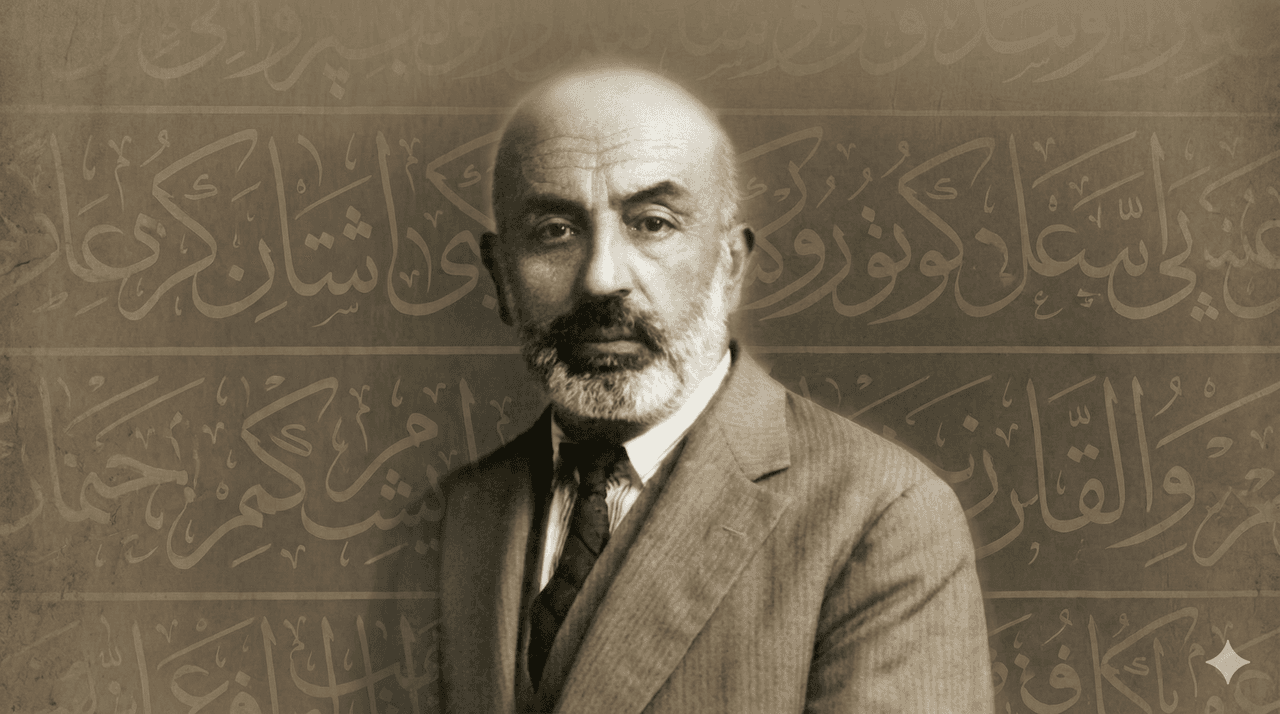
Mehmet Akif Ersoy
Mehmet Âkif Ersoy (20 December 1873–27 December 1936) was a poet, writer, and intellectual who lived during the final years of the Ottoman Empire and the founding years of the Republic of Türkiye. He is known for his activities during the National Struggle, his service as a deputy for Burdur in the Grand National Assembly of Türkiye (1920–1923), and for being the author of the İstiklâl Marşı, the national anthem of Türkiye. Early Life and Family Two main claims appear in different sources regard
EN
Onur Çolak

İsmet Özel's Views on the Independence March
One of the most fortunate things we have as citizens of the Republic, in terms of truly understanding who we are, is having a national anthem like the İstiklâl Marşı. The İstiklâl Marşı is a poem. This makes it a precious mirror, showing us both how vital poetry is in embodying a society’s beliefs and cultural heritage, and how our ancestors were in harmony with art as a nation whose national anthem is a poem. Sometimes, when I show people my poems, some tell me they do not understand poetry wel
EN
Gürkan Pur
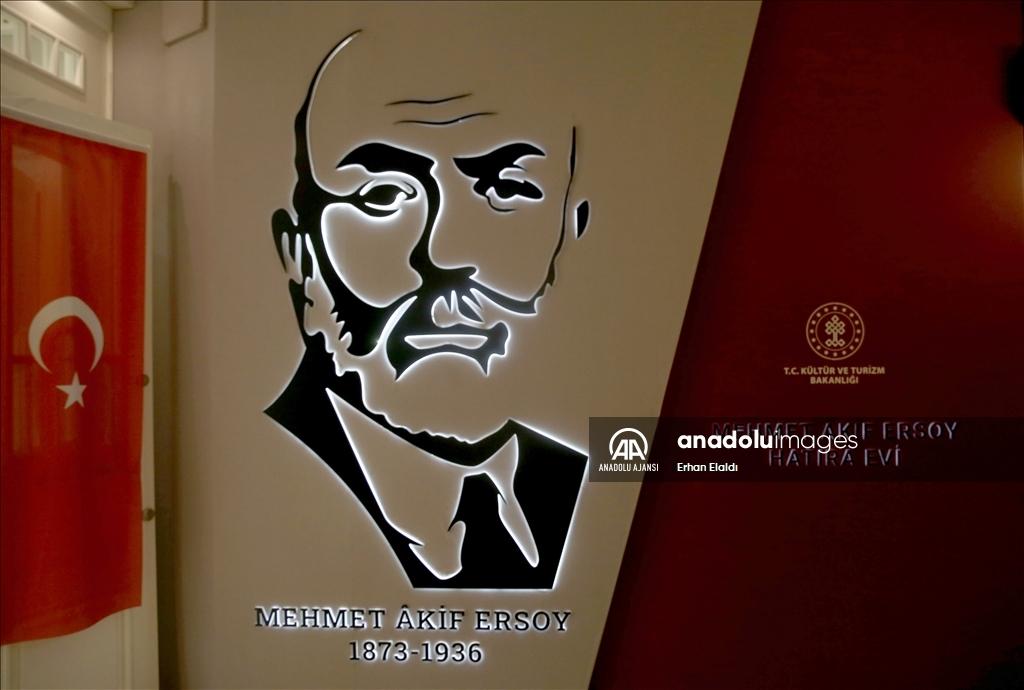
Mehmet Akif Ersoy Memory House
Mehmet Âkif Ersoy Memory House is the apartment where Mehmet Âkif Ersoy (1873–1936), the poet of the İstiklal Marşı, spent his final days and passed away between 16 June 1936 and 27 December 1936. It is located on the fourth floor of the historic Mısır Apartmanı on İstiklal Caddesi in Istanbul’s Beyoğlu district. Mehmet Âkif Ersoy’s Final Days Mehmet Âkif Ersoy traveled to Egypt in 1925 at the invitation of his friend Abbas Halim Pasha and lived there for eleven years. He returned to Istanbul in
EN
Elif Laçin
İsmet Özel'in İstiklal Marşı İle İlgili Görüşleri
Cumhuriyet dönemi Türkleri olarak, aslında kim olduğumuzu gerçek anlamda anlamak açısından talihli olduğumuz en önemli şeylerden biri de İstiklâl Marşı gibi bir millî marşımızın olmasıdır. İstiklâl Marşı bir şiirdir. Bu da bize hem şiirin toplumun inancını ve kültürel mirasını ihtiva etmekte ne denli ehemmiyetli bir saha olduğunu hem de millî marşı şiir olan bir millet olarak ecdadımızın sanatla nasıl hemhâl olduğunu gösteren kıymetli bir aynadır. Bazen şiirlerimi gösterdiğim insanlardan bazılar
TRGürkan Pur
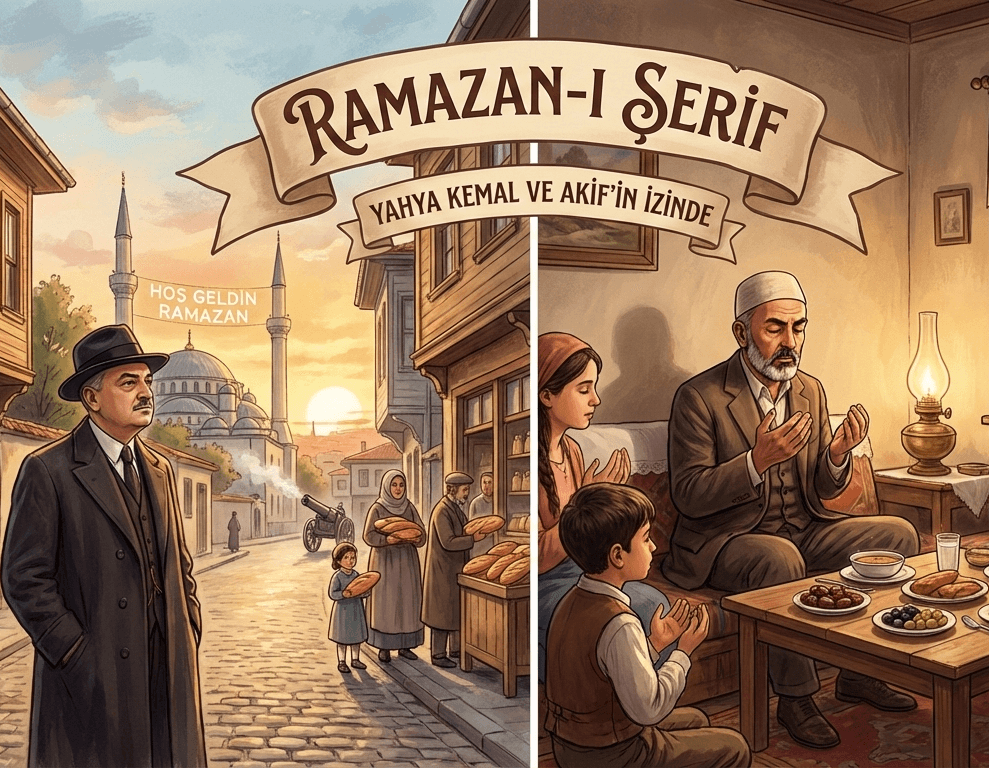
Ramadan Representations of Yahya Kemal and Mehmet Akif
Ramadan, in Turkish literature, has been represented not only as a religious time period but also as an aesthetic, social, and cultural experience. This representation can be read through two distinct yet complementary perspectives, particularly in the poetry of Yahya Kemal Beyatlı and Mehmet Akif Ersoy. Both poets approach Ramadan not merely as a month centered on worship but through the axes of social consciousness, civilizational vision, and moral responsibility. However, their representation
EN
Nursena Şahin
Mehmet Akif Ersoy
Mehmet Âkif Ersoy (20 Aralık 1873–27 Aralık 1936), Osmanlı’nın son dönemi ile Türkiye Cumhuriyeti’nin kuruluş yılları arasında yaşamış şair, yazar ve fikir adamıdır. Millî Mücadele sürecinde yürüttüğü faaliyetler, TBMM’deki Burdur milletvekilliği (1920–1923) ve Türkiye Cumhuriyeti’nin millî marşı olan İstiklâl Marşı’nın şairi olmasıyla tanınır. Erken Dönem Hayatı ve Ailesi Mehmet Âkif Ersoy'un dünyaya geldiği yer hakkında farklı kaynaklarda geçen iki temel iddia ön plana çıkar. 1906 ve 1919 tari
TROnur Çolak
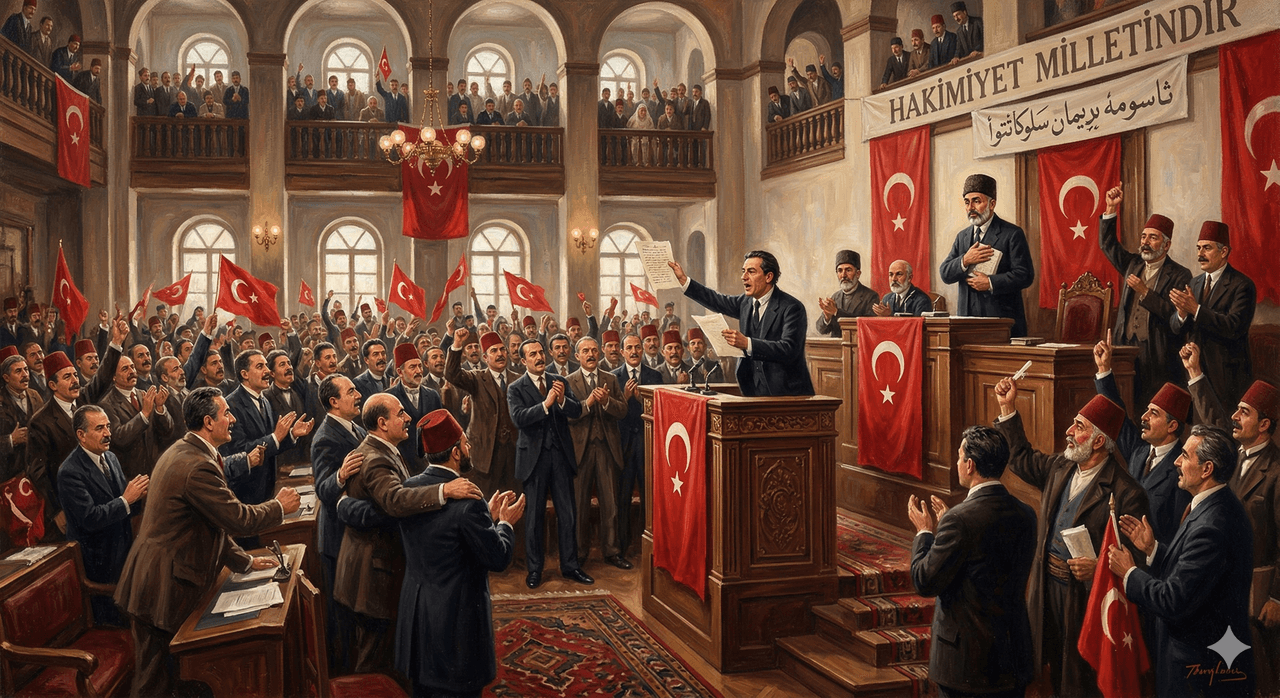
İstiklal Marşı'nın Kabulü
Milli Bir Sese Duyulan İhtiyaç 1921 yılının başlarında, Anadolu’nun dört bir yanında Kurtuluş Savaşı tüm şiddetiyle devam ediyordu. Türk ordusu cephede büyük bir mücadele verirken, halkın ve askerin azmini güçlendirecek, bağımsızlık inancını perçinleyecek ortak bir marşa ihtiyaç duyuluyordu. Bu amaçla dönemin Milli Eğitim Bakanlığı (Maarif Vekaleti), 18 Eylül 1920’de bir yarışma başlattı. Yarışmanın şartları gazetelerde ilan edildi: Kazanan şaire tam 500 lira ödül verilecekti. Bu rakam, o günün
TR
Mustafa Cem İnci
Mehmet Akif Ersoy Hatıra Evi
Mehmet Âkif Ersoy Hatıra Evi, İstiklal Marşı’nın şairi Mehmet Âkif Ersoy’un (1873-1936) 16 Haziran 1936 ile 27 Aralık 1936 tarihleri arasında hayatının son günlerini geçirdiği ve vefat ettiği dairedir. İstanbul’un Beyoğlu ilçesinde, İstiklal Caddesi üzerindeki tarihi Mısır Apartmanı’nın 4. katında yer alır. Mehmet Akif Ersoy'un Son Günleri Mehmet Âkif Ersoy, 1925 yılında dostu Abbas Halim Paşa’nın davetiyle Mısır’a gitmiş, burada 11 yıl geçirmiştir. Hasta olarak 16 Haziran 1936’da İstanbul’a dön
TRElif Laçin
Nightingale (Poem)
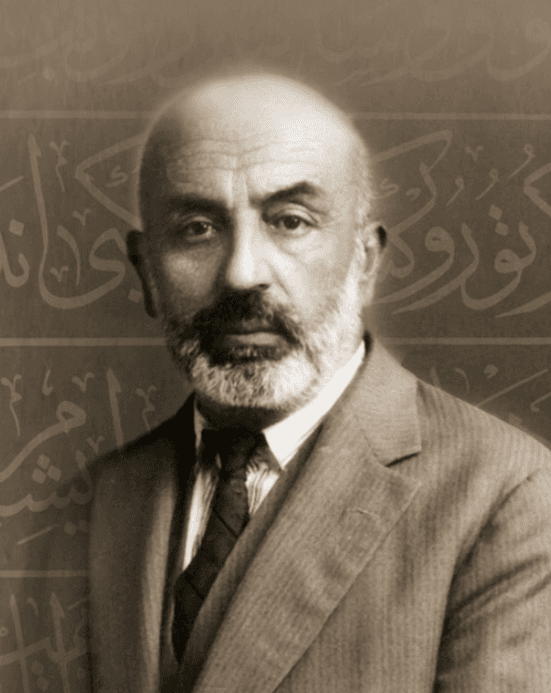
Bülbül is a lyric poem composed by Mehmed Âkif Ersoy during the National Struggle period, reflecting the historical, social, and psychological atmosphere of its time. Written in response to the Greek occupation of Bursa, the poem expresses the poet’s emotions and thoughts through the imagery of the nightingale and natural landscapes, while also conveying the pain and destruction inflicted upon the nation by the occupation. Mehmet Akif Ersoy (Sahafat) " image-alternate="" image-element-format="ri
EN
Elif Laçin
Nightingale (Poem)
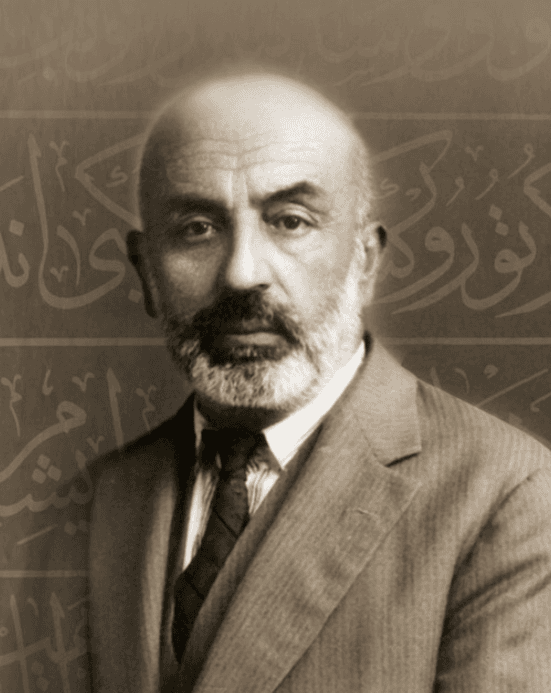
Nightingale, Mehmed Âkif Ersoy’s poem composed during the National Struggle period, reflects the historical, social, and psychological atmosphere of the era. Written in response to the Greek occupation of Bursa, the poem reveals the poet’s emotions and thoughts through the image of the nightingale and depictions of nature, while also expressing the pain and destruction inflicted upon the nation by the occupation. Mehmet Akif Ersoy (Sahafat) " image-alternate="" image-element-format="right"> G
ENElif Laçin