

`medical-applications` Related Article Results
 Qu
QuQuantum Dots
Quantum dots (QDs) are nanocrystals typically 2 to 20 nanometers in diameter. They are most commonly made from semiconductor materials but can also be based on metallic or metalloid elements such as silicon. These structures, containing hundreds to millions of atoms, are also called "artificial atoms" because their electronic band gaps can be tuned by altering their size. Properties The extraordinary optical and electrical properties of quantum dots are explained by a phenomenon known as "quantu
EN
Ayşe İkbal Özsakın
Use of Nanomaterials in Medicine
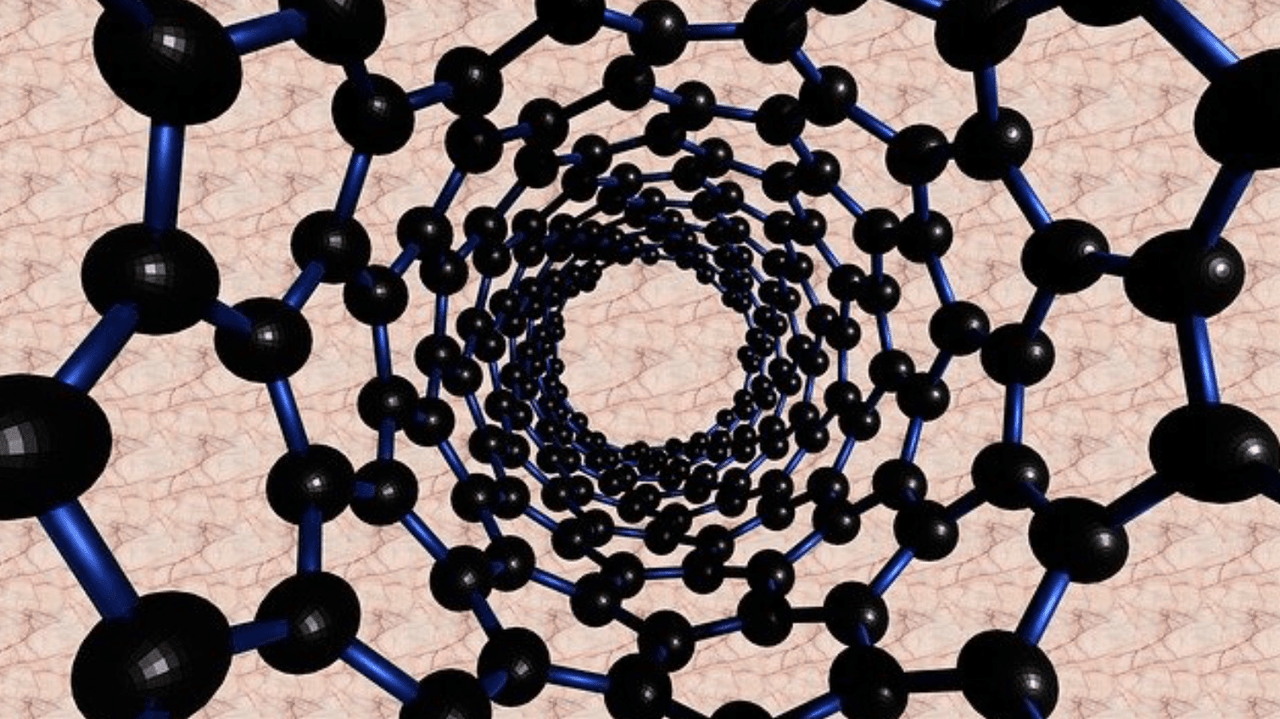
Nanomaterials are materials with dimensions ranging from 1 to 100 nanometers that exhibit distinct physical chemical and biological properties within this size range. These materials have contributed to significant advancements in medicine through nanotechnology and have found extensive application in biomedical applications. The large surface area of nanomaterials enables them to provide solutions in targeted drug delivery tissue engineering and medical imaging like fields active opportunity Me
ENRabia Şafak

Cone Snail
Cone snails, scientifically belonging to the family Conidae, are a group of venomous and predatory gastropod mollusks living in marine environments. These organisms are especially widespread in tropical and subtropical waters and play ecologically significant roles in various habitats. With their aesthetically striking conical shell structures and complex hunting strategies, they hold a special place both in understanding biodiversity and in biotoxin research. Additionally, these species are kno
ENFatih Atalay