

`media-effect` Related Article Results
 Ag
AgAgenda Setting Theory
Agenda-setting theory is a communication theory that posits that mass media shapes which issues the public should importance pay attention to. First developed in 1972 by Maxwell McCombs and Donald Shaw, this theory argues that the media does not merely report information but also plays a pivotal role in determining social priorities. In this context, it emphasizes which issues are media important and directs public attention toward specific concerns. Origins of the Theory The agenda-setting theo
EN
Fatihhan Adana
TwTwo-Stage Flow Theory
The Two-Step Flow Theory, is a communication theory that posits individuals do not receive media messages directly but first through specific opinion leaders, and then in a second stage shaped by these leaders’ interpretations. Developed in the 1940s by Paul Lazarsfeld, Bernard Berelson, and Hazel Gaudet, this theory argues that the direct influence of mass communication on individuals is not as strong as previously assumed. According to the theory, individuals acquire information not directly f
ENFatihhan Adana
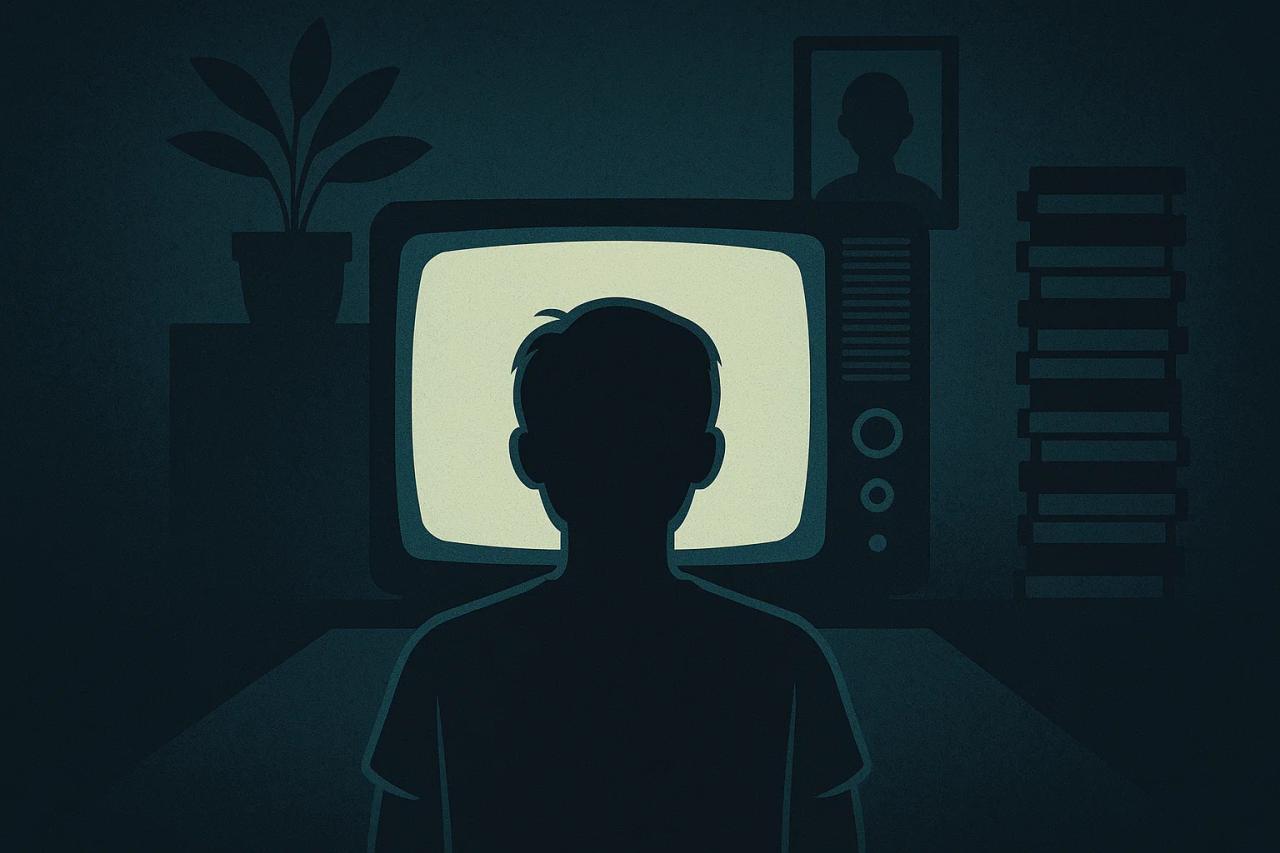
Screen Culture
Screen culture is a phenomenon that emerged as mass media, based on visuality, reshaped social life. Screen-based communication developed through television, computers, and mobile devices has transformed individuals’ daily life practices, particularly blurring the boundaries between reality and representation. This culture does not merely facilitate the transmission of information; it also constructs emotions, social values, and behavioral patterns. Performance and Obedience in Screen Culture On
EN
Yeşim Can