

`mathematics-education` Related Article Results
GeoGebra
GeoGebra, geometry, is an open-source and free software designed for teaching and learning algebra and analysis. It can be used online via the internet and can also be downloaded free of charge to run offline on various operating systems including Windows, iOS, Android, Linux, and Mac OS X, like, telephone and tablet. GeoGebra enables the symbolic and visual representation of mathematical concepts. Due to features such as the direct input of equations and coordinates and the algebraic definition
EN
Vecihe Atlı
Visual Mathematical Literacy
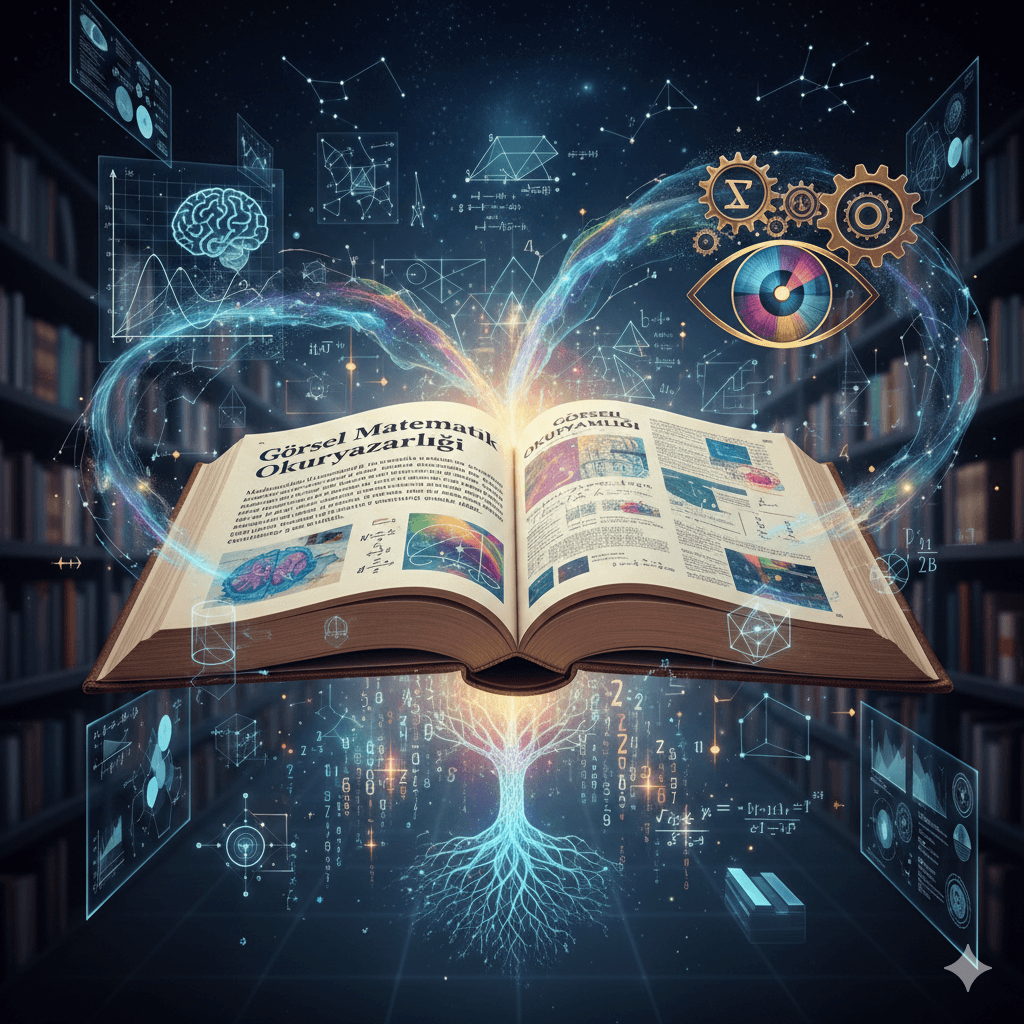
Visual mathematical literacy is the ability of an individual to perceive problems encountered in daily life within a visual or spatial framework interpret them mathematically evaluate them and conversely transform mathematical information into visual or spatial forms for use. This concept emerges at the intersection of various literacy types arising in information societies and has been shaped by the integration of common elements between visual literacy and mathematical literacy. The process of
EN
Şehrinaz İrem Canbaba
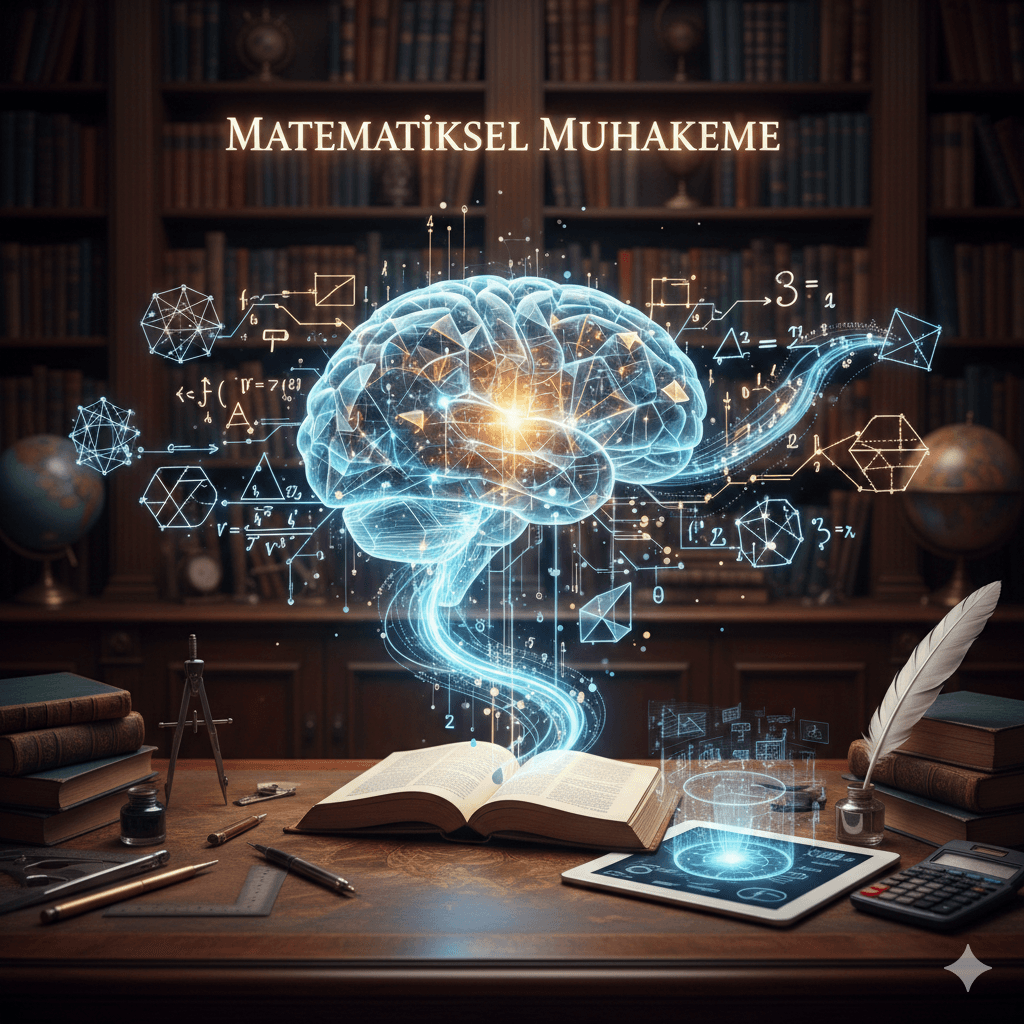
Mathematical Reasoning
Mathematical Reasoning is the process by which an individual thinks critically about data, draws logical inferences, analyzes a situation in all its dimensions, forms hypotheses, and justifies and defends the conclusions reached. As a higher-order form of thinking—one of the most fundamental characteristics of the human mind—this process goes beyond simple recall or procedural skill to involve the transfer of existing knowledge to new contexts and the application of logical foundations in proble
ENŞehrinaz İrem Canbaba

Use and Effects of the Flipped Classroom Model in Mathematics Education
Traditional teaching methods are structured around the teacher as the central figure, with students primarily assuming a passive listening role. However, in conceptually and application-based subjects such as mathematics, this approach can lead students to memorize rather than understand. With the growing digitalization of education, innovative practices such as the Flipped Classroom Model are providing a more effective learning environment. In this model, students prepare for class at home by w
EN
Gamze Güler
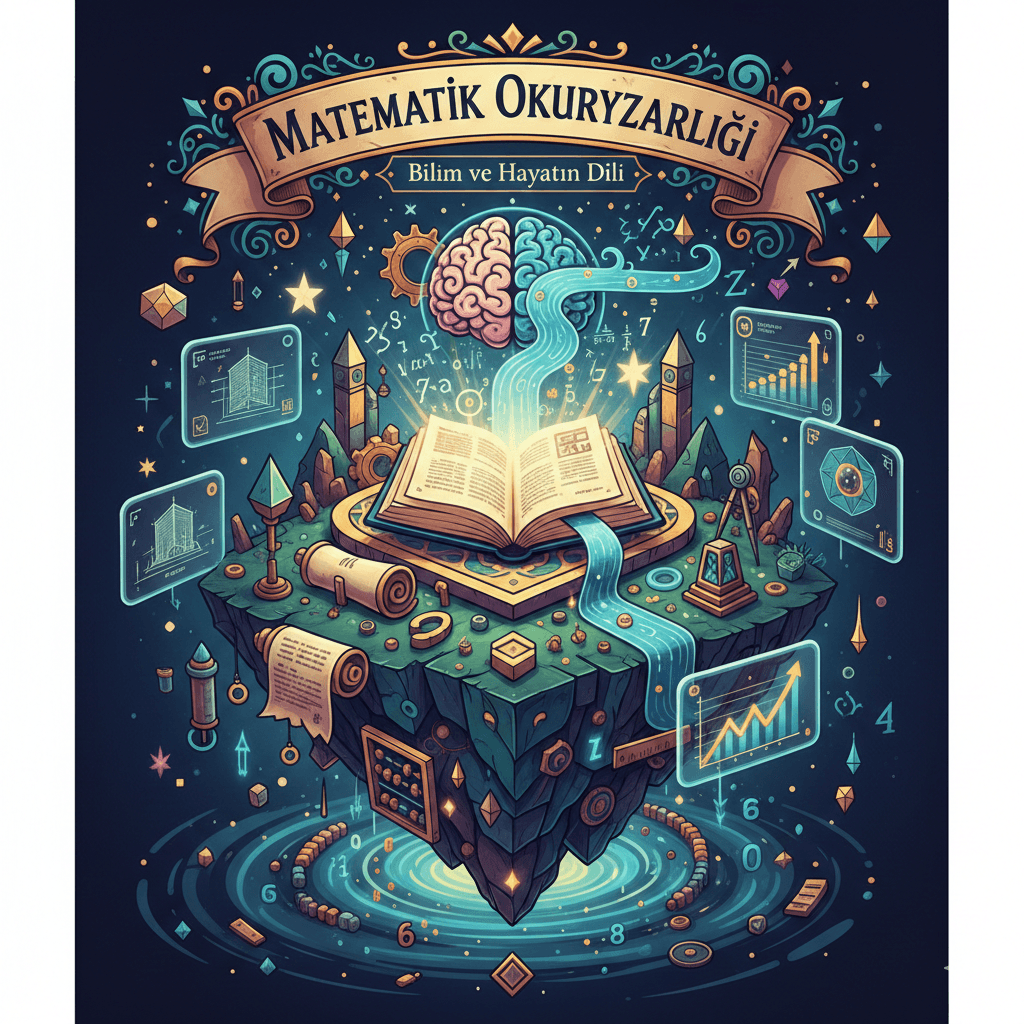
Mathematical Literacy
Mathematical Literacy, is defined as the capacity of individuals to understand, recognize, and utilize mathematical reasoning processes to solve problems encountered in everyday life within the modern world. OECD (Organisation for Economic Co-operation and Development) and PISA (Programme for International Student Assessment) frameworks view this concept not merely as mastery of mathematical knowledge from the school curriculum but as the ability to formulate, apply, and interpret this knowledge
ENŞehrinaz İrem Canbaba