

`mathematical-modeling` Related Article Results
GeoGebra
GeoGebra, geometry, is an open-source and free software designed for teaching and learning algebra and analysis. It can be used online via the internet and can also be downloaded free of charge to run offline on various operating systems including Windows, iOS, Android, Linux, and Mac OS X, like, telephone and tablet. GeoGebra enables the symbolic and visual representation of mathematical concepts. Due to features such as the direct input of equations and coordinates and the algebraic definition
EN
Vecihe Atlı
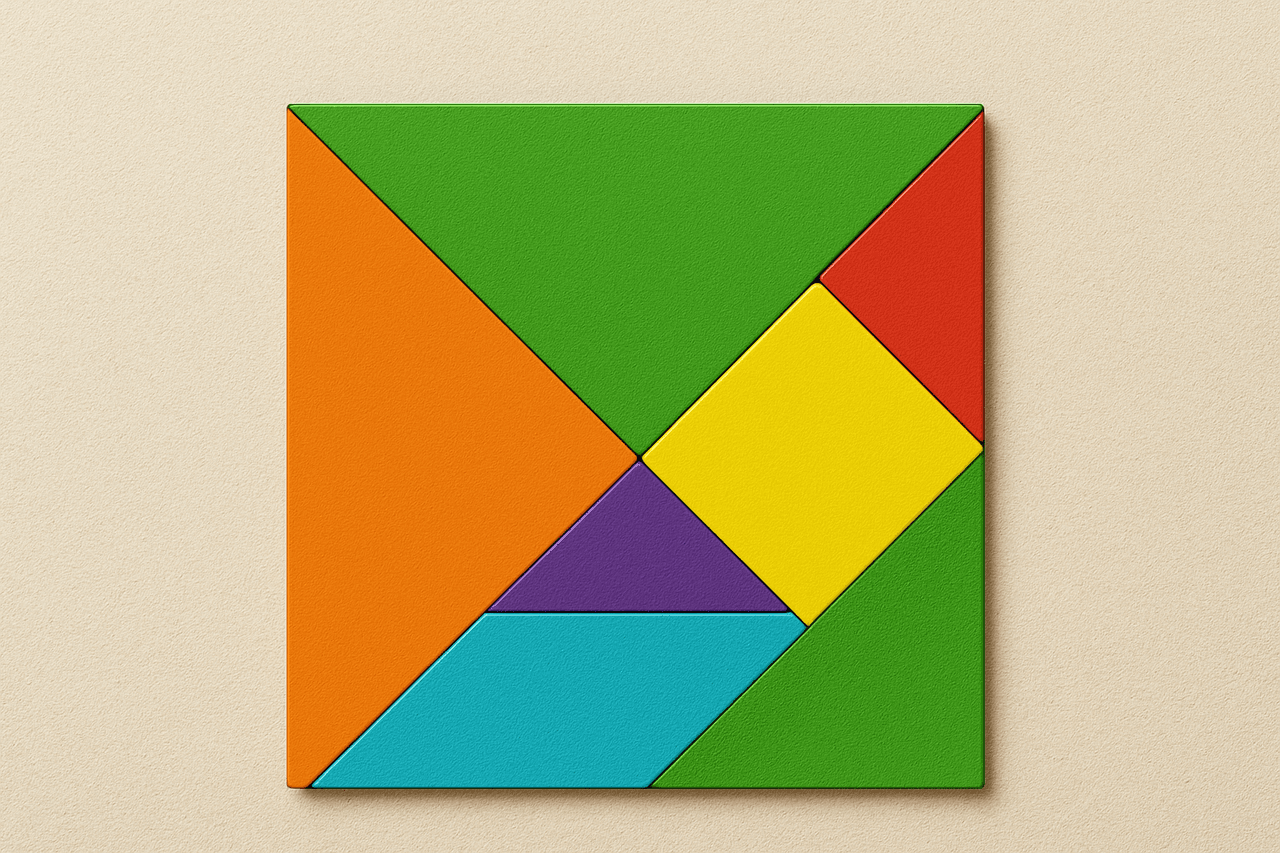
Tangram
Tangram is a cognitive and visual perception puzzle composed of seven geometric pieces: two large triangles, one medium triangle, two small triangles, one square, and one parallelogram. By combining these pieces, various figures can be formed, typically representing animals, humans, objects, or abstract shapes. Tangram is also used in scientific research as a stimulus for studying visual perception and cognitive processes. The history of tangram extends back to the mid-1800s, when the square-bas
EN
Nursena Güller

R Programming Language
R is a programming language and software environment developed for statistical computing and graphics. R, created under the GNU Project, has a structure similar to the S language developed by John Chambers and colleagues at Bell Laboratories. It supports a wide range of statistical and graphical techniques including linear and nonlinear modeling, statistical tests, time series analysis, classification, and clustering. As open-source software, R integrates data processing, computation, and graphi
EN
Zelal Çakar
Origami
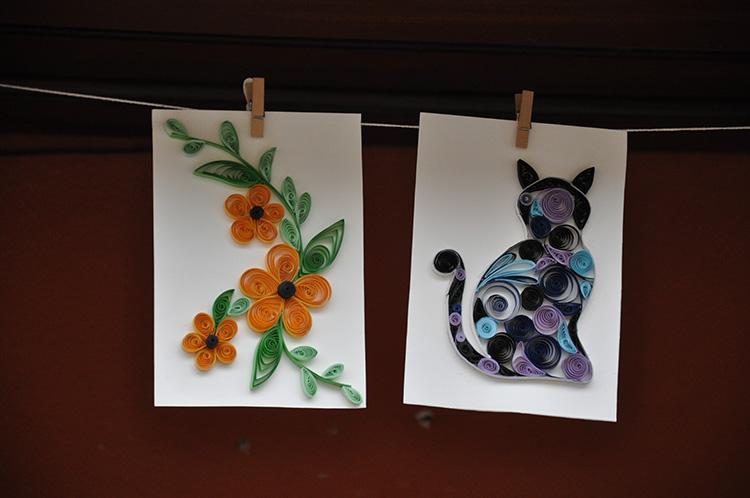
Origami is an art form derived from the Japanese words “oru” (to fold) and “kami” (paper), which involves transforming paper into various figures using specific folding techniques without cutting or gluing. Thought to have originated in China and later developed in Japan, origami was initially practiced for ceremonial and ritual purposes. Over time, it evolved into both an aesthetic expression and a method applied in education, mathematics, engineering, and therapy. Today, origami is considered
ENNursena Güller
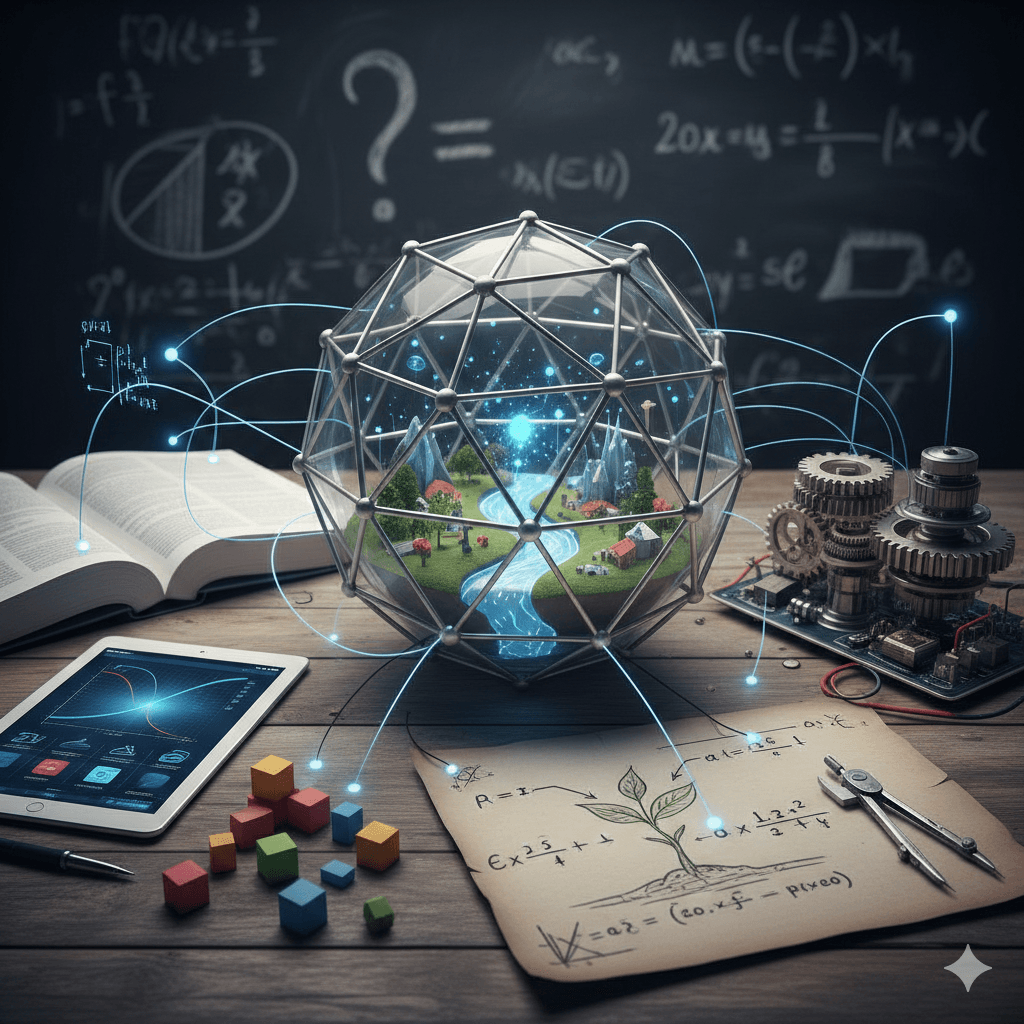
Mathematical Modeling
Mathematical Modeling, is the process of expressing, analyzing, and resolving complex real-world situations, events, or problems using mathematical terms, structures, and relationships. This concept functions as a bridge between real life and the mathematical world, forming a cyclical methodology that involves translating authentic scenarios into the language of mathematics and reinterpreting the resulting mathematical outcomes back within their real-world context. Theoretical Foundations In the
EN
Şehrinaz İrem Canbaba