

`marine-life` Related Article Results
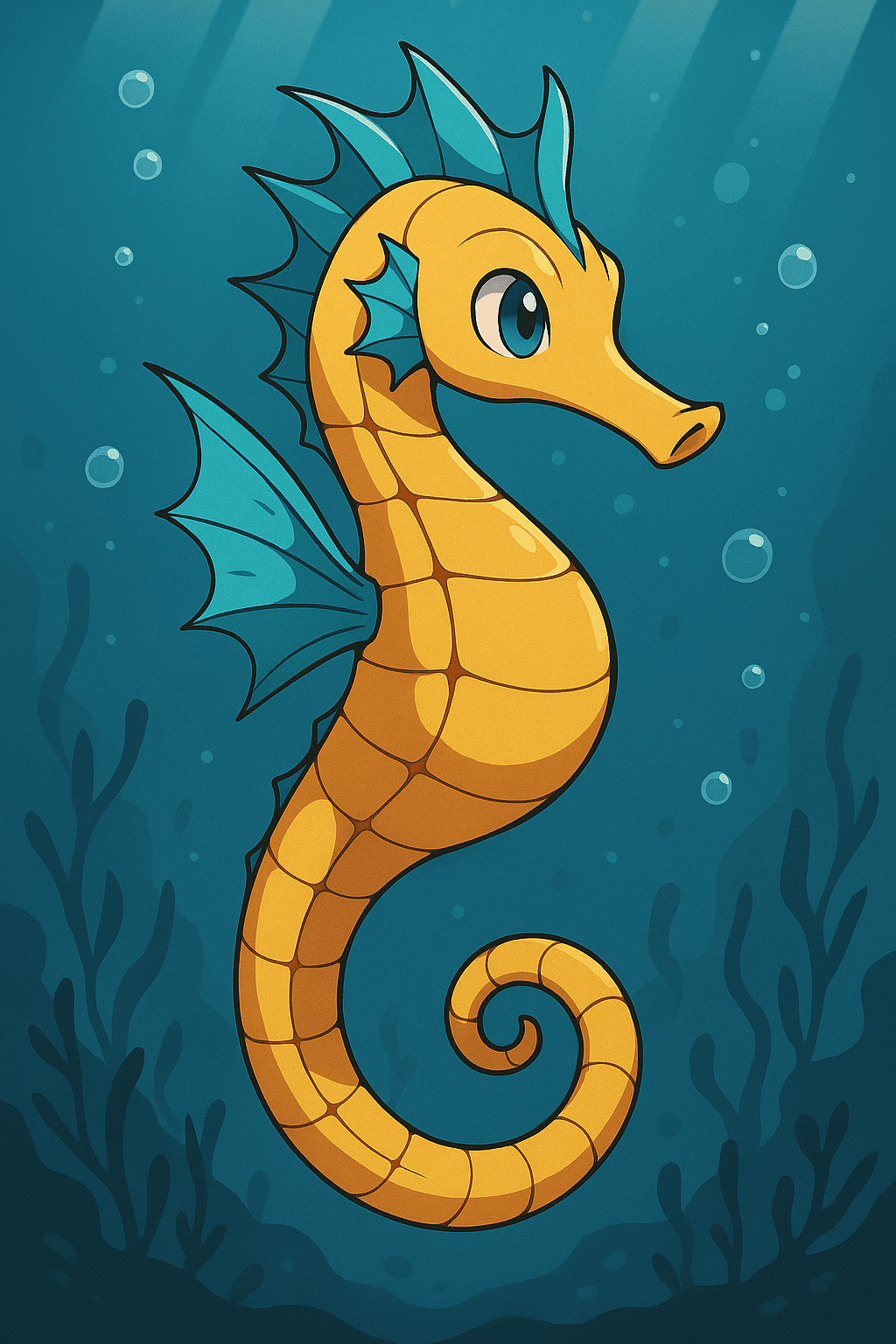
What is a seahorse?
Seahorses truly deserve their name! Their heads resemble those of horses. Yet, they are in fact fish! Unlike other fish, they swim upright. They achieve this unusual swimming posture thanks to a small fin on their backs. Though small, they possess many fascinating traits. Their Latin name is Hippocampus. They are closely related to seadragons and pipefish. Physical Characteristics The size of seahorses varies greatly. The smallest can be as tiny as a grape seed—just 1 to 2 centimeters! The large
EN
Betül Kevser Yıldız
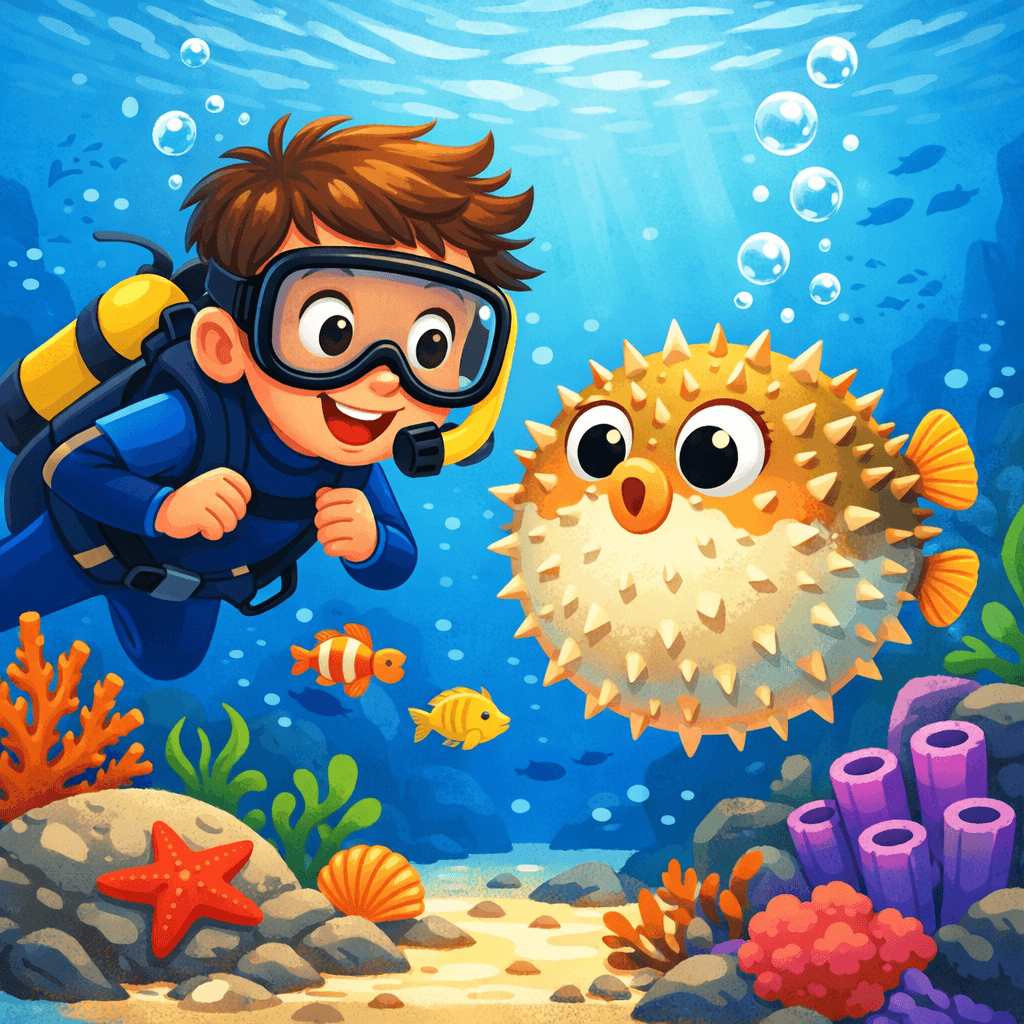
Balloon Fish
Have you ever thought that some fish can inflate like a frog or a balloon when in danger? The balloon fish, one of the most fascinating creatures of the oceans and seas, gets its name precisely from this unique ability. Let’s get to know this intriguing guest of our waters more closely! Balloon Fish (Generated by Artificial Intelligence) " image-element-format="right" image-height="1024" image-source="https://cdn.t3pedia.org/media/uploads/2026/02/26/Qt64PuFwJfPbMoRDycUK1eN1AqtUcf3p.png" image-wi
EN
nisa nur bağlantı
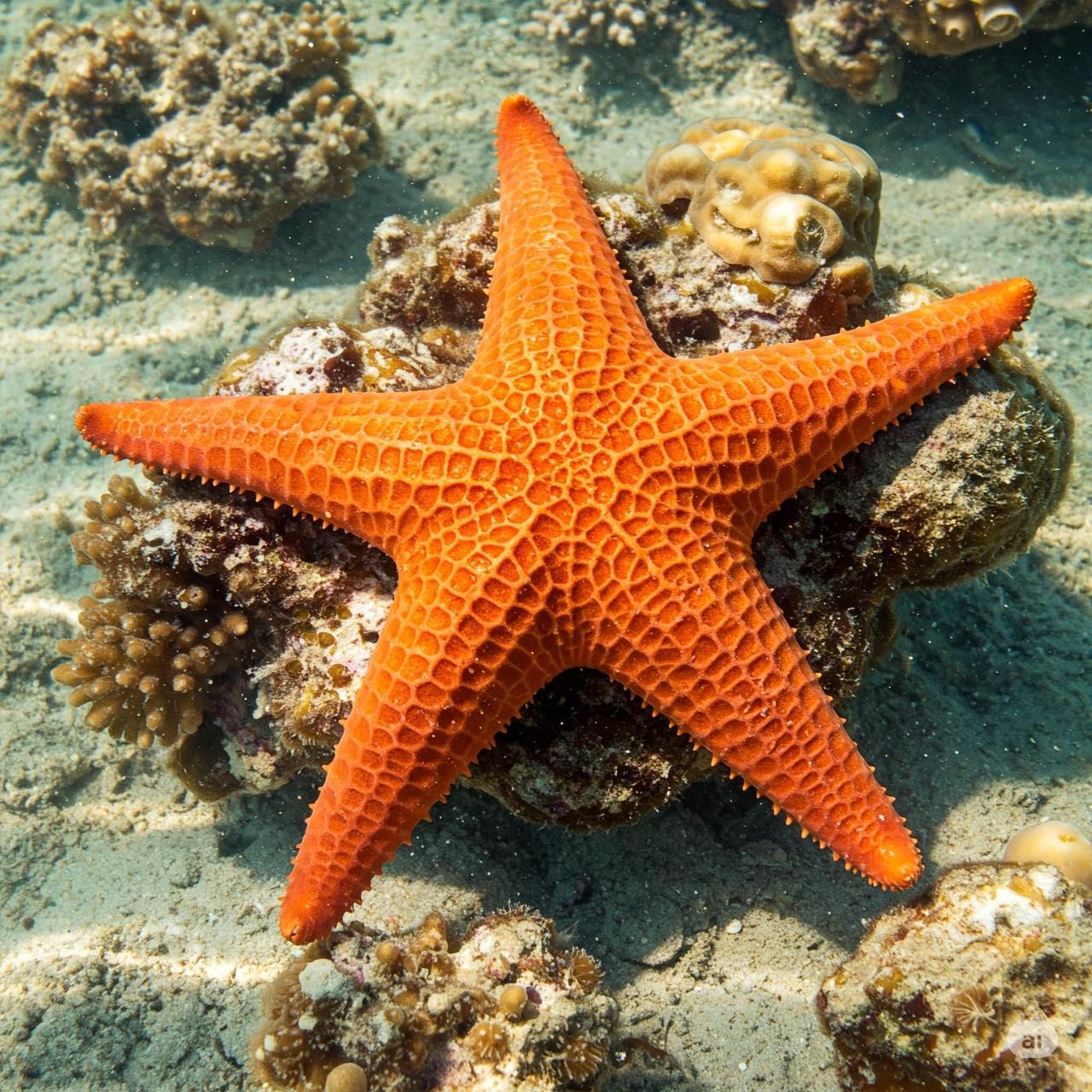
Starfish
Starfish are fascinating creatures that live in the sea and typically have five arms. They have a round central body from which their arms extend. Although they appear soft, their bodies are actually somewhat rigid. Starfish are not fish, but they live in the sea. They belong to a group of animals called echinoderms. Approximately 1500 different species of starfish live in many parts of the world, from warm tropical seas to cold polar waters. What Do Starfish Eat ? Starfish particularly enjoy ea
EN
Nursena Şahin
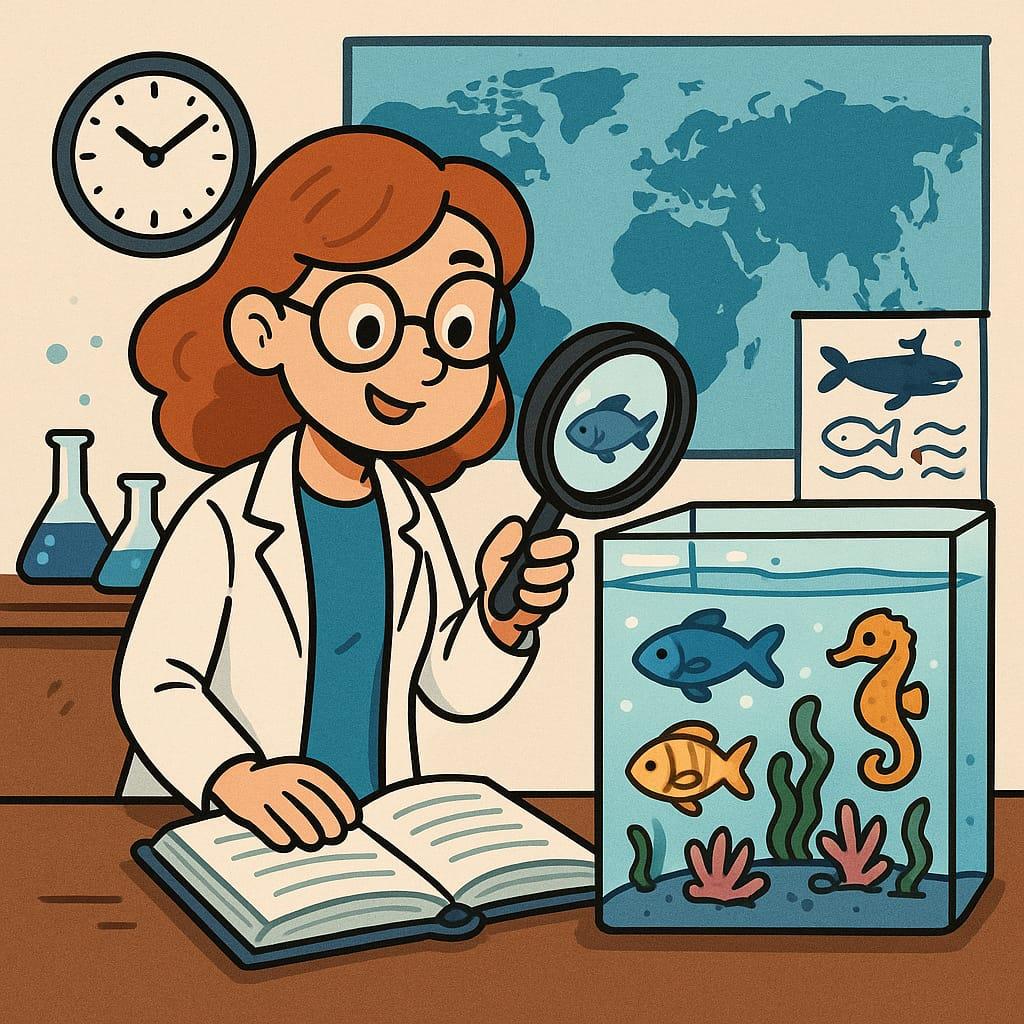
What Does an Ocean Scientist Do?
An ocean scientist is a researcher who studies oceans and seas. These individuals investigate the properties of seawater, the organisms living within it, water movements, and the seafloor. Why Are Oceans Studied? A large portion of the Earth’s surface is covered by oceans. Therefore, understanding oceans helps us comprehend how the Earth functions. Oceans also influence weather patterns. What Topics Do They Study? Ocean scientists typically work in four distinct fields: -Physical Oceanography: W
EN
Fatma Köroğlu
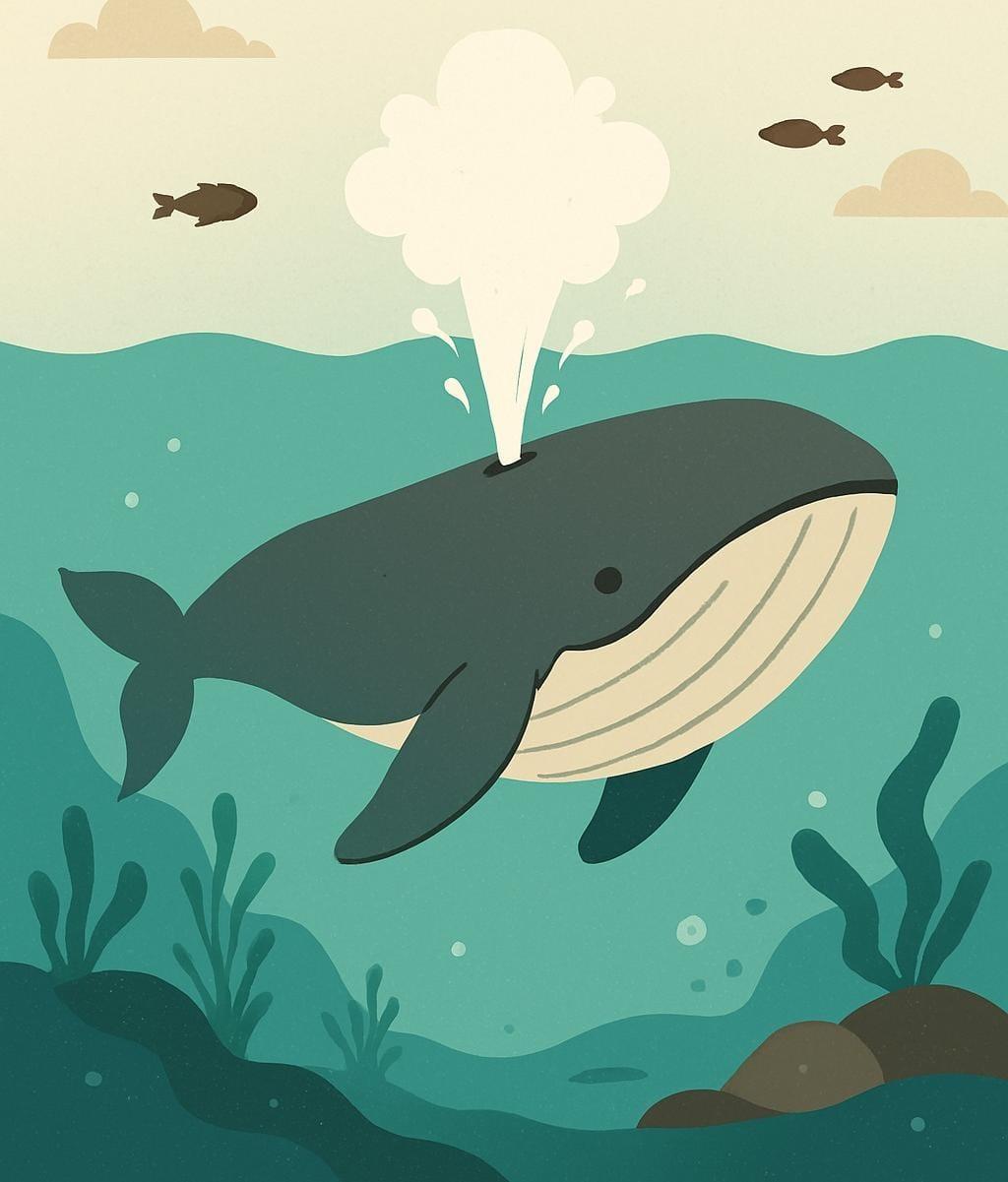
How Do Whales Breathe?
Whales are mammals that live in the oceans but breathe oxygen from the air, like humans. Despite living in water, they must surface to breathe. As a result, their respiratory systems have evolved into specialized structures adapted to marine life. Breathing Through Their Lungs Whales breathe through lungs, just like other land-dwelling animals. They do not have gills and rely on air to meet their oxygen needs. Location of the Blowholes Whales have nostrils located on the top of their heads. This
ENFatma Köroğlu
 Wh
WhWhy Do Marine Animals Prefer Saltwater?
Marine Life and Saltwater Sea and ocean water have an average salinity of 3.5%. This salt consists of various minerals, primarily sodium and chloride. Saltwater is essential for the proper functioning of marine organisms' bodily processes. Life in Saltwater Osmoregulation (Water and Salt Balance): Marine organisms use a mechanism called osmoregulation to maintain the balance of water and salt in their bodies. For example, fish can expel excess salt through their gills and kidneys, thereby preven
EN
Miray GÜR
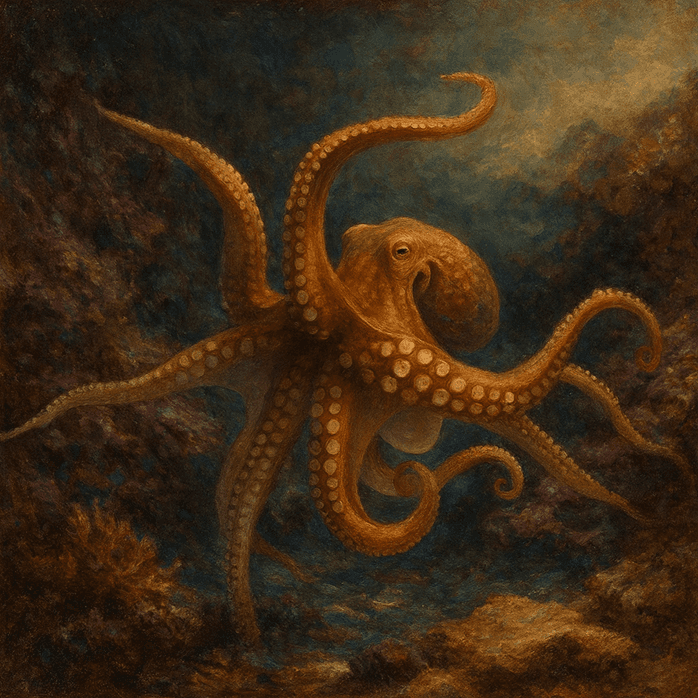
Can Animals Have More Than One Heart?
In humans and most animals, there is a single heart. The heart sustains life by pumping blood throughout the body. However, in nature some organisms have circulatory systems that require more than one heart. There are animals with multiple hearts, and this specialized structure helps them survive in their environments. Organisms Without Hearts Some invertebrates such as jellyfish, corals, sponges, and starfish have no heart. Instead of blood vessels, these organisms have a water vascular system.
EN
Hikmet Can Urhan
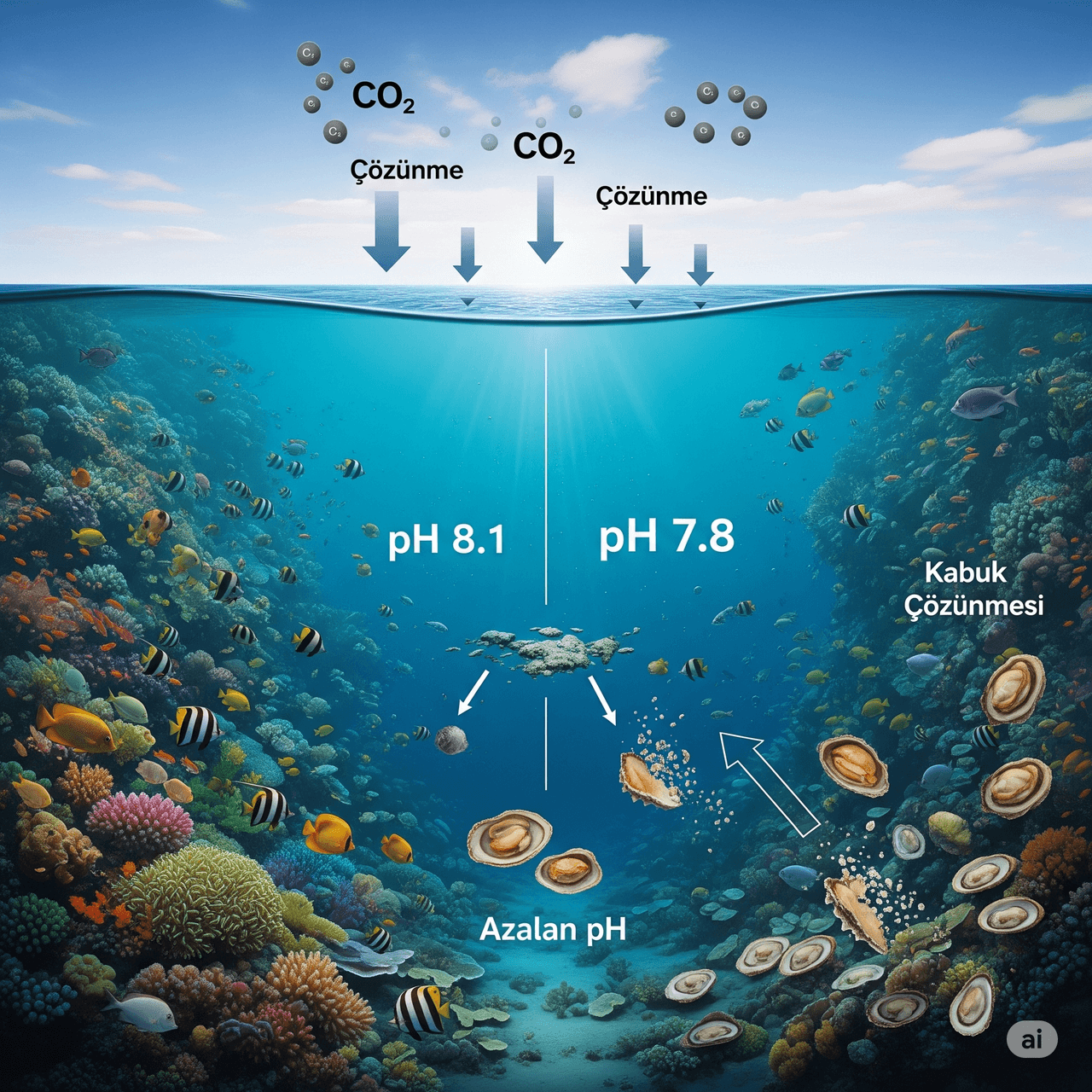
What Is Ocean Acidification?
Ocean acidification means the oceans are becoming more acidic. This occurs when carbon dioxide (CO₂) from the atmosphere dissolves into seawater. The dissolved CO₂ alters the water’s chemistry, lowering its pH value. As a result, the oceans gradually become more acidic. Why Does It Happen? Humans burn coal, oil and natural gas to produce energy. This releases large amounts of CO₂ into the atmosphere. A significant portion of this emitted gas is absorbed by the oceans. Normally, oceans play a pro
EN
Rüya Dumlu
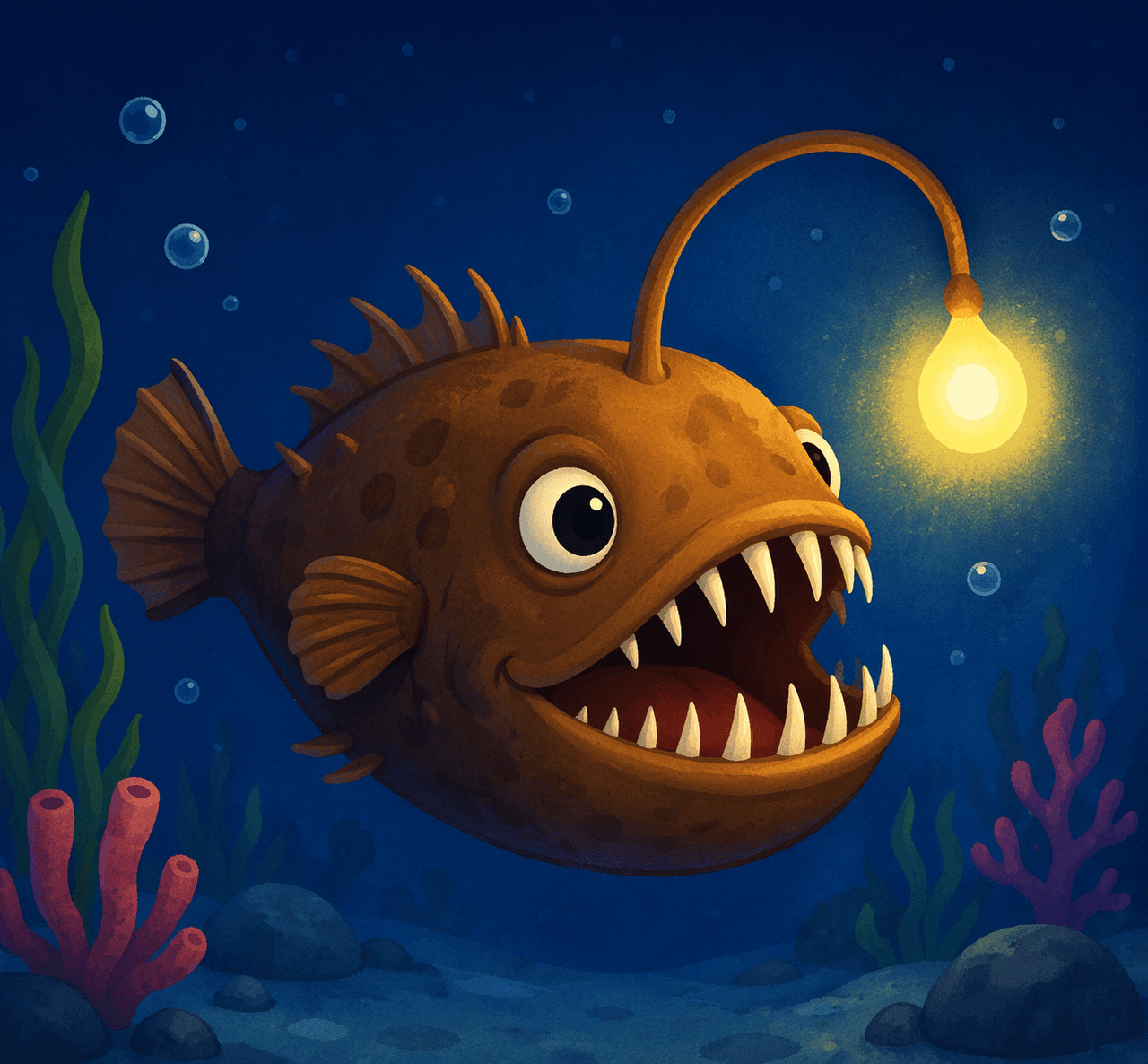
Fener Balığı
Have you ever imagined a fish that finds its way through the darkest depths of the ocean using its own light? Lanternfish are incredible creatures that live mysterious lives in depths where sunlight never reaches. Getting to know them closely is a wonderful opportunity to understand how living organisms in nature can find astonishing solutions to survive in harsh conditions. Balloon Fish (Generated by Artificial Intelligence) " image-element-format="right" image-height="1536" image-source="https
ENnisa nur bağlantı