

`manufacturing` Related Article Results
 Pr
PrProduction
Origin It is a word of Turkish origin, newly formed by adding the derivational suffix "+(ı)m" to the verb root "yap-". Areas of Use General: Used to denote the construction or creation of a material or structure in the construction, architecture, and industry sectors. Cinema and Television: Preferred to refer to the entire process of filming, preparation, and production of a visual-audio work. Biology: Used to describe assimilation (anabolism) processes in organisms.
EN
Aykut Laçın
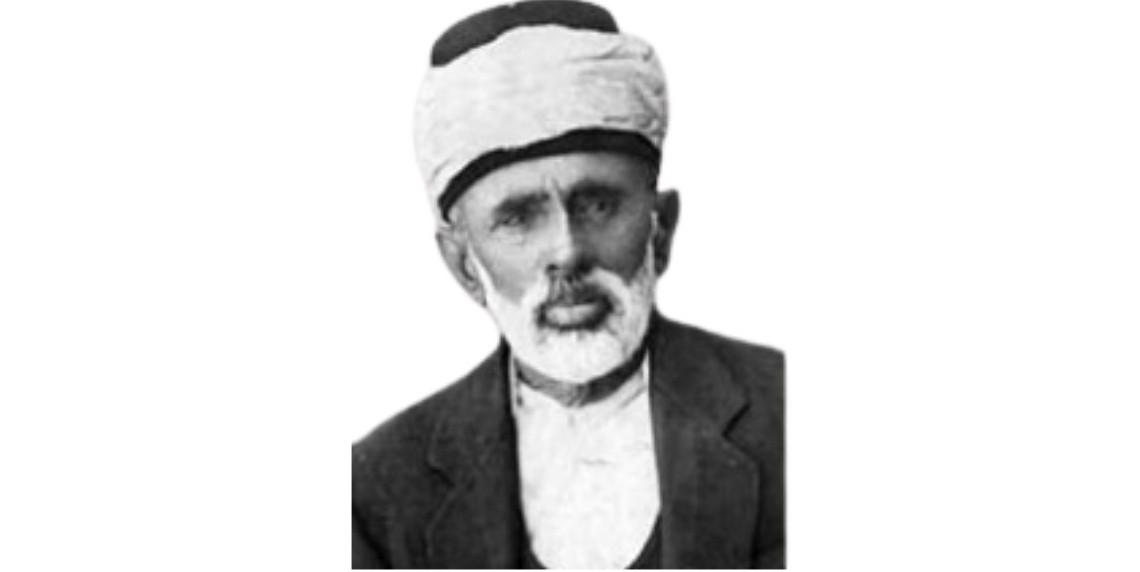
Abdullah Karabina
Abdullah Karabina, born in 1867 in the Boyabat district of Sinop, was a politician who engaged in trade, local governance, and parliamentary service from the late Ottoman Empire through the early years of the Turkish Republic. Engaged in the textile trade, Karabina served as president of the Boyabat Society for the Defense of Rights during the National Struggle and was elected as a deputy for Sinop to the Grand National Assembly of Türkiye in 1920. He was registered as a member of the First Grou
EN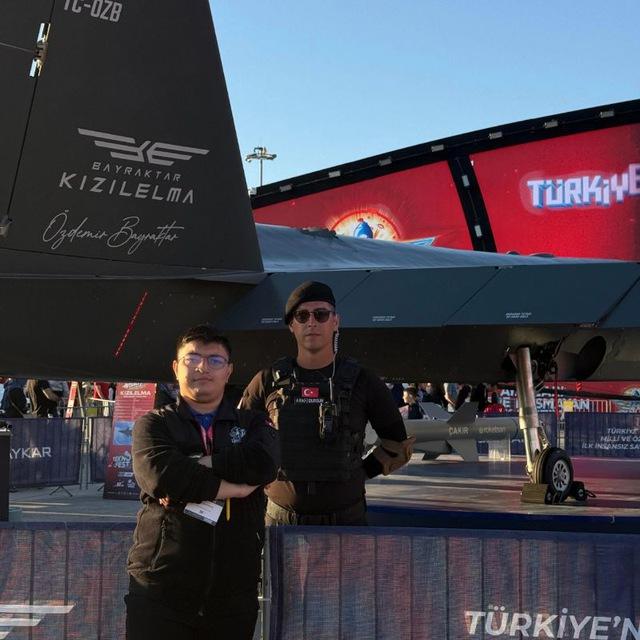
Yunus Emre Sağlam

Kırıkkale (Province)
Kırıkkale is a province located in the Central Anatolia Region of Türkiye. Geographically, it is situated east of Ankara and within the Kızılırmak River basin. The province is an important center in terms of industry and culture. Kırıkkale is particularly notable for its defense industry and is known for its machinery, chemical industry, and arms production. The city began to develop with the operation of the İmalatı Harbiye Factory established in the early years of the Republic in 1925 and atta
EN
Sümeyra Uzun
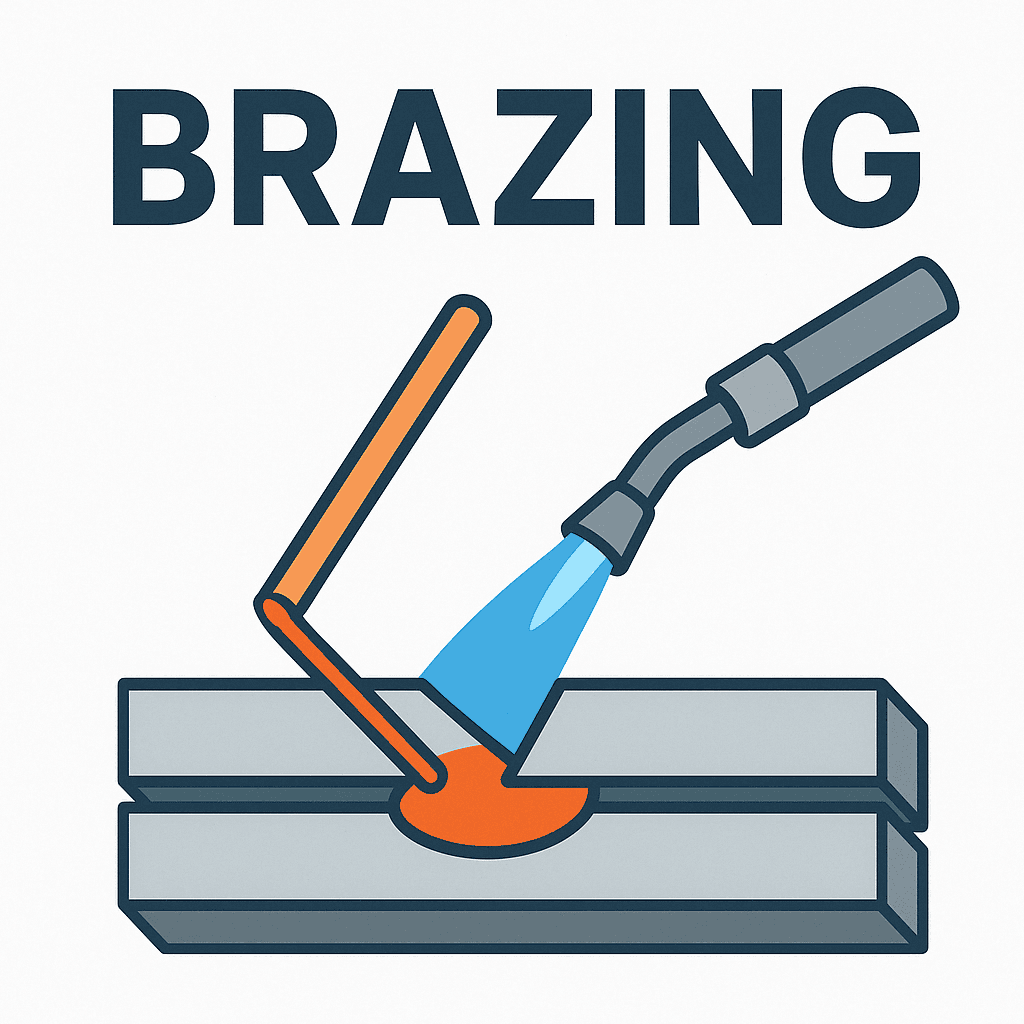
Hard Soldering (Brazing)
Brazing is a metallurgical joining method that achieves a permanent bond by placing a filler metal with a lower melting point between the materials to be joined and melting that metal without melting the base materials. In this process, the solidification temperature of the filler metal must be lower than the melting point of the base material but typically above 450 °C (723 K) to distinguish it from soft soldering. Representative Brazing Application Image (Generated by artificial intelligence.)
EN
Muzaffer Yalçın
AdAdditive Manufacturing
With the development of technology, production methods are rapidly changing and diversifying. One of the most important parts of this change in recent years is the emergence of "Additive Manufacturing Technology" as an alternative to traditional manufacturing methods. This technology, particularly popularized by 3D printers, has revolutionized the production world. Additive manufacturing is a method where objects are created by adding material layer by layer, offering several advantages compared
ENMevlüt Acar
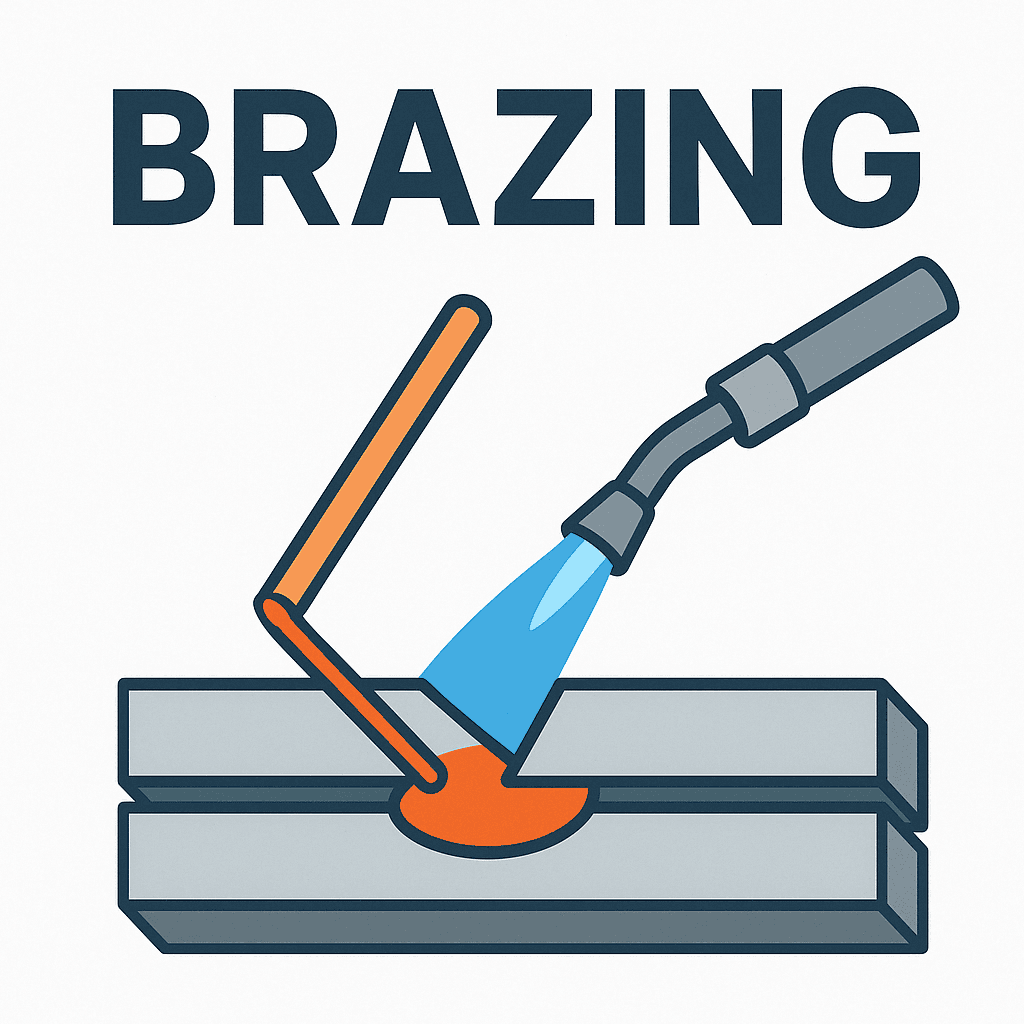
Hard Soldering (Brazing)
Soldering, also known as brazing, is a metallurgical joining method in which a permanent bond is achieved by placing a filler metal with a lower melting point between the materials to be joined and melting that filler metal without melting the base materials. The solidification temperature of the filler metal used in this process must be lower than the melting point of the base material but typically above 450 °C (723 K) to distinguish it from soft soldering. Representative Brazing Application I
ENMuzaffer Yalçın
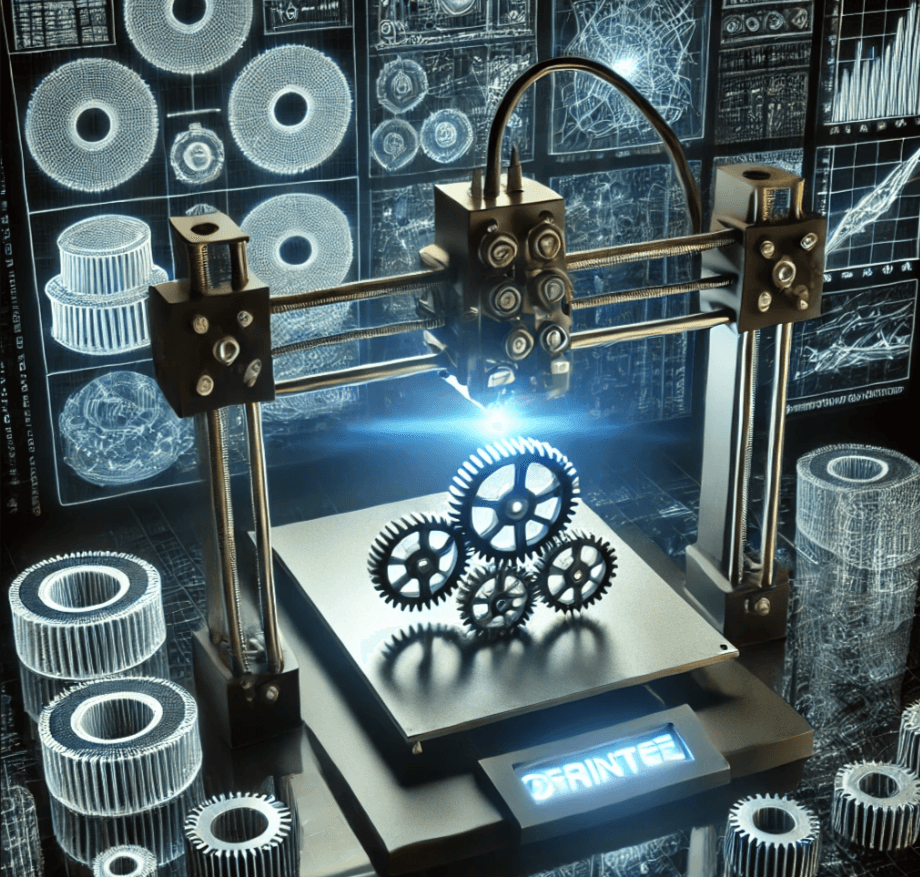
3D PRINTING
3D printing is a term related to three-dimensional (3D) design and production methods, evolving from layer manufacturing technologies developed in the 1980s. The concept of "3D printing" was first used in stereolithography (SLA), a technology that builds objects by curing liquid photopolymers layer by layer. Applications Industrial Manufacturing: 3D printing enables rapid and cost-effective production of complex designs in aerospace, automotive and electronics industries. Healthcare: 3D printing
EN
Furkan Üresin
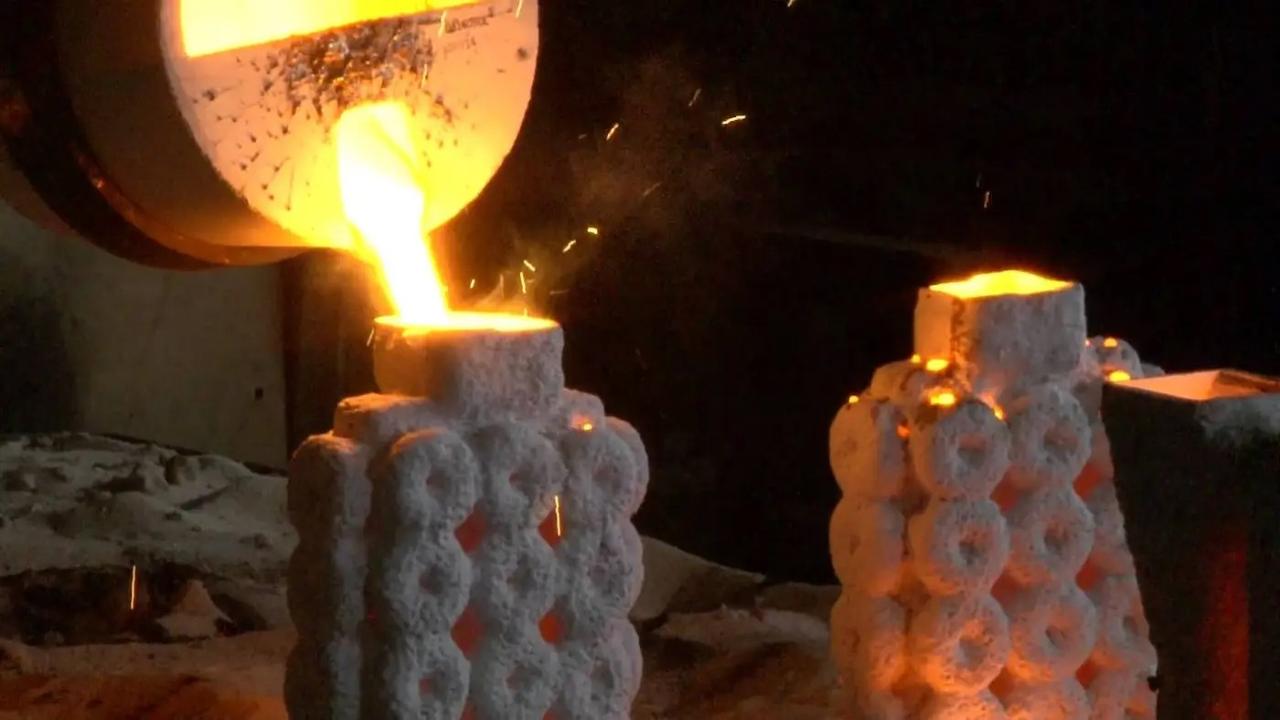
Lost Wax Casting Method
Investment casting is a manufacturing method that enables the production of intricate metal parts with complex geometries. The fundamental principle of this method involves creating a detailed model from beeswax or similar material, coating it with a ceramic shell, and then melting out the wax to allow molten metal to be poured into the cavity. After casting, the ceramic mold is broken away to reveal a metal component possessing all the fine details of the original wax model. History The investm
ENLevent Yucak
CoCoordinate Measuring Machine (CMM)
A Coordinate Measuring Machine (CMM) is an electromechanical system designed to precisely measure the physical geometric characteristics of an object. These devices collect point coordinate data from the part being measured using a probe in three-dimensional space. The collected data is used to verify whether the measured features fall within design tolerances. CMMs can operate manually, semi-automatically, or fully automatically under computer control (Direct Computer Control - DCC). The primar
EN
Samet Şahin

Kırıkkale (Province)
Kırıkkale is a province located in the Central Anatolia Region of Türkiye, covering an area of place. Geographically, it is situated east of Ankara and atop the Kızılırmak basin, serving as a central hub in terms of industry and culture important. Kırıkkale is particularly notable for its defense industry, known for machinery, chemical industries, and arms production. City began its development with the operational launch of the İmalatı Harbiye Factory in 1925 during the early years of the Repub
EN
Sümeyra Uzun