

`mangrove-forests` Related Article Results
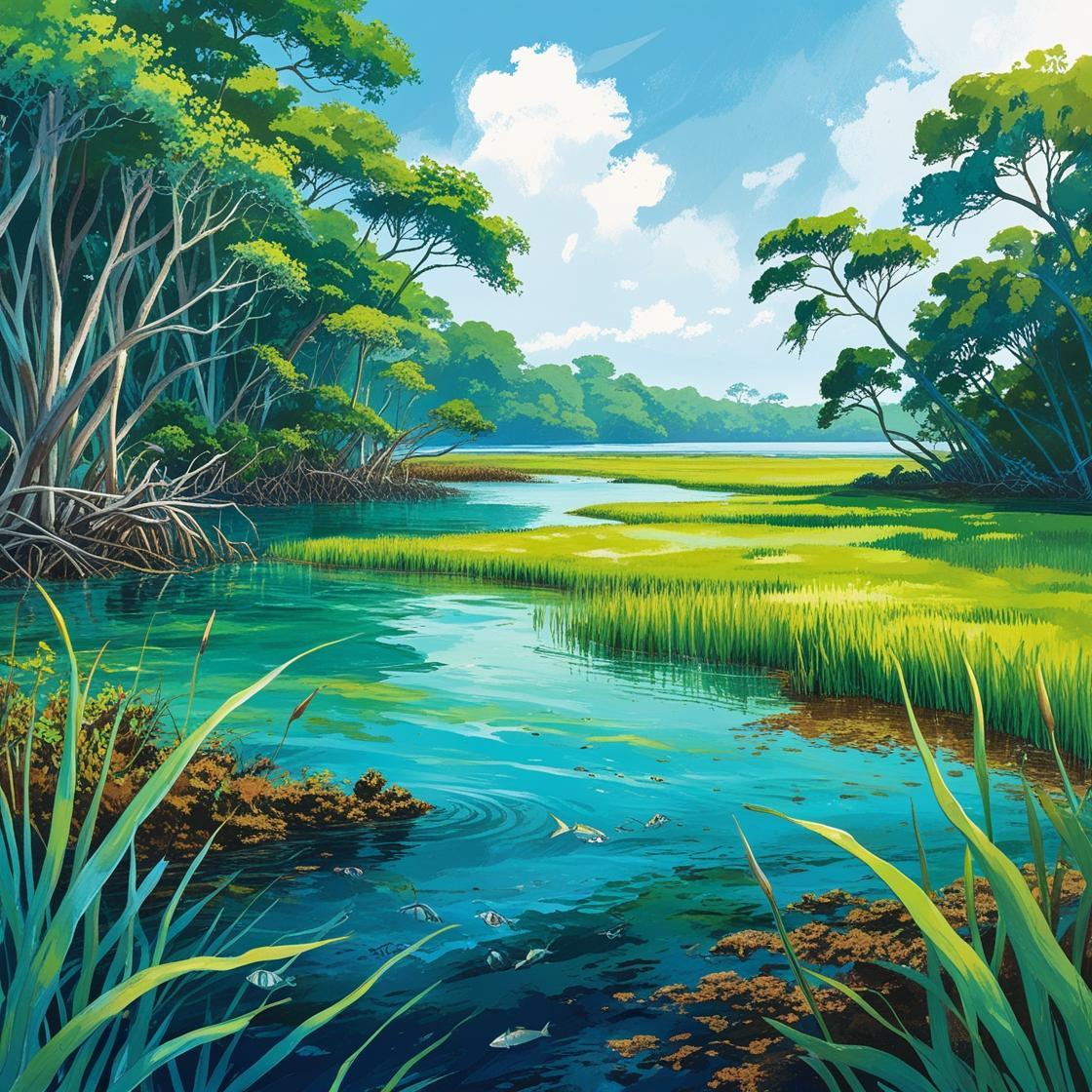
Blue Carbon
Blue carbon refers to the carbon captured and stored by coastal and marine ecosystems. This concept specifically encompasses carbon sequestration in coastal wetlands with vegetation cover, such as seagrass meadows, mangrove forests, and salt marshes. The long-term storage of atmospheric carbon dioxide (CO₂) in these ecosystems’ carbon pools is increasingly recognized as a nature-based solution for combating climate change. The services provided by coastal ecosystems, however, are not limited to
EN
Ece Sude Kabadayı
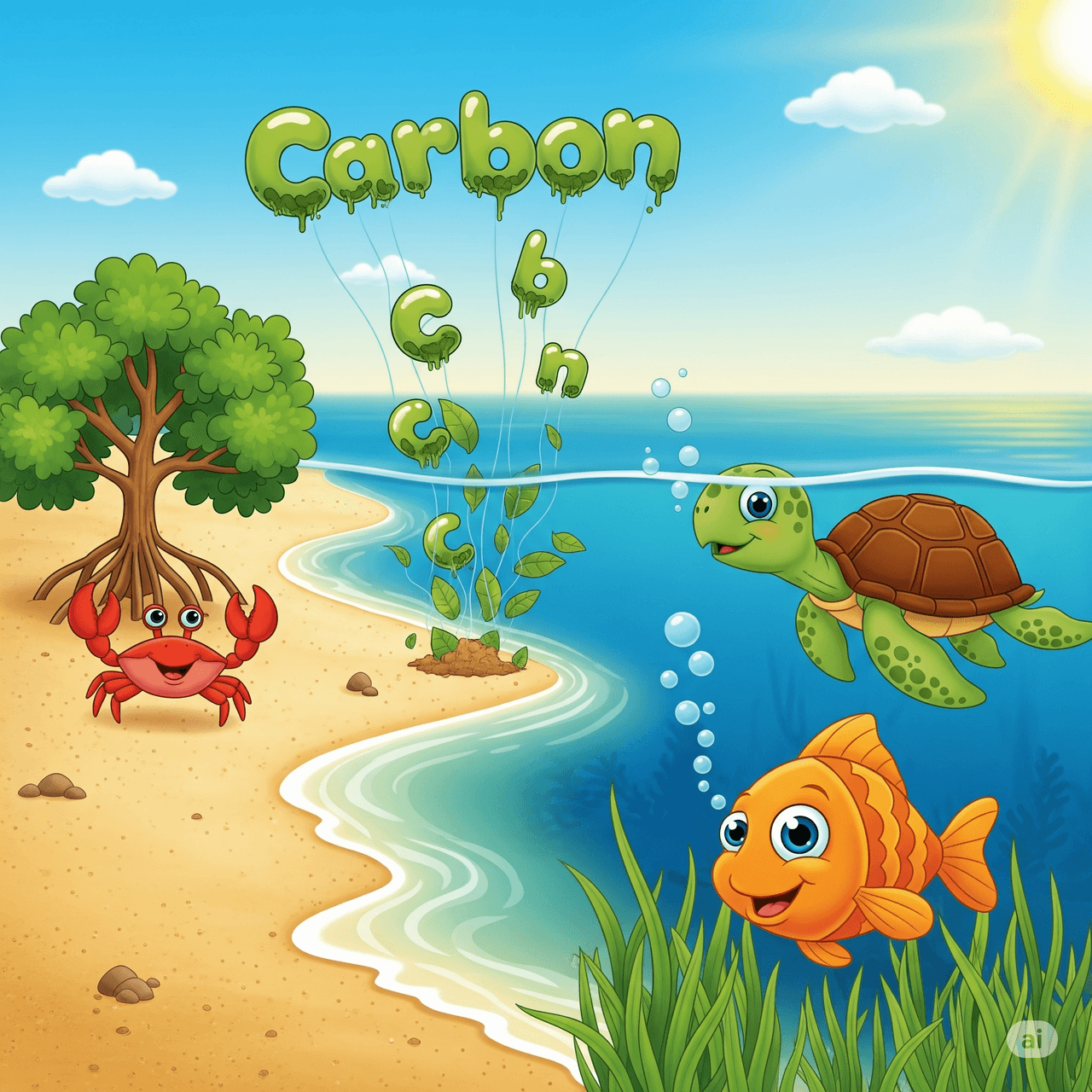
Blue Carbon
Blue carbon is the term given to the capture and storage of carbon dioxide (CO₂) from the atmosphere by certain plants and ecosystems in oceans and coastal areas. This system helps combat climate change. Who Produces Blue Carbon? Certain specialized marine and coastal plants store blue carbon: -Seagrasses (plants that live underwater) -Mangrove forests (trees found along tropical coastlines) -Salt marshes (wetlands near the sea) These plants absorb carbon from the atmosphere through photosynthes
EN
İbrahim Filiz
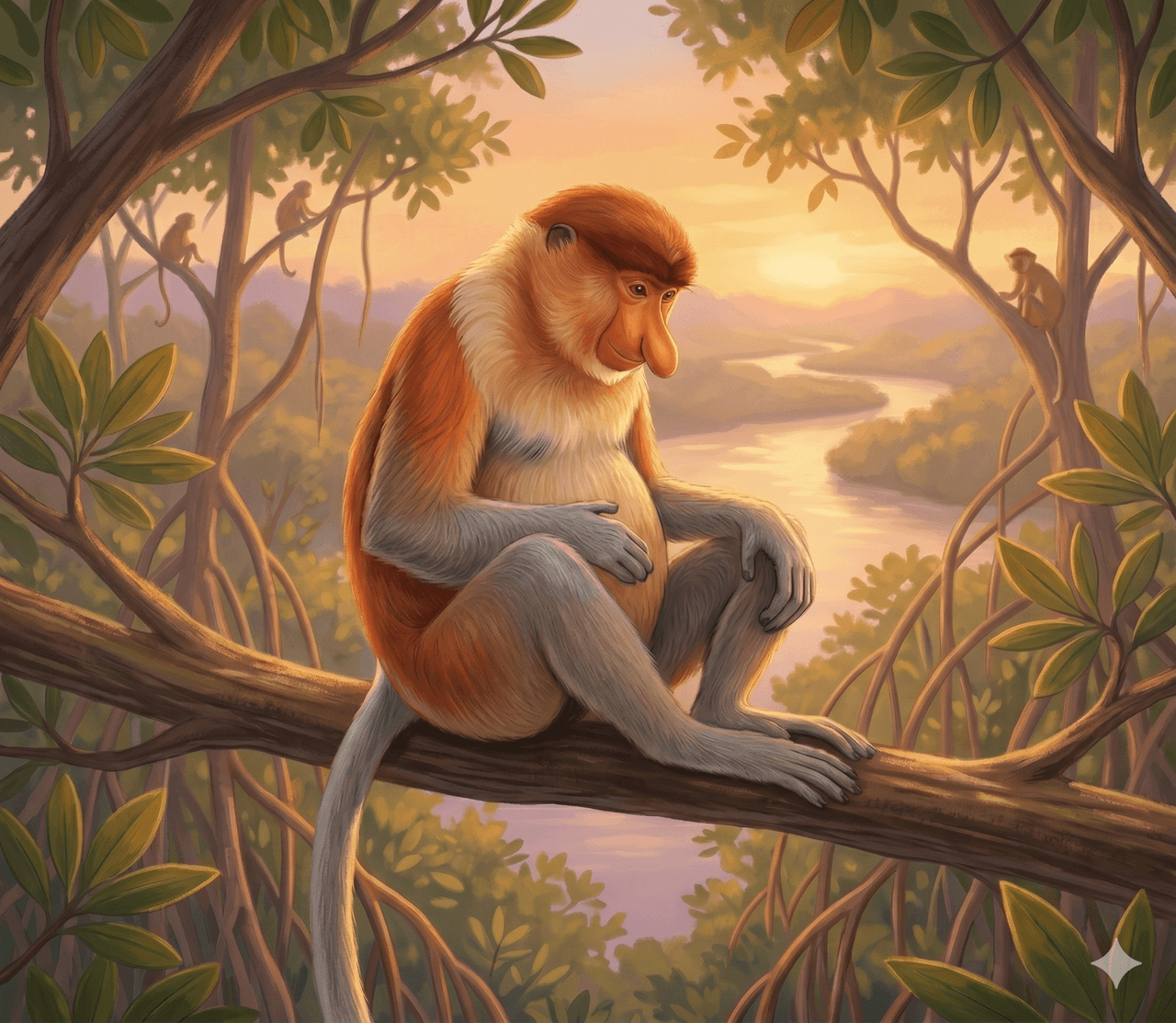
Long-nosed Monkey
Long-nosed monkeys are among the most intriguing-looking creatures in the forest, with their enormous noses and swollen bellies. Did you know that these large-nosed members of the primate world are also excellent swimmers? Let’s take a closer look at these unique animals that love leaping from the treetops into the water! Where Do They Live? 🌴 Long-nosed monkeys live only on the large island of Borneo in Southeast Asia. You will not find them deep in the forest or in dry areas; they strongly pr
EN
Esra Nur Bulut