

`management` Related Article Results
 Mo
MoMonarchy
Origin Monarchy entered Turkish from the French word monarchie, which traces its roots to Ancient Greek via Latin. The first part of the word, mono-, derives from the Ancient Greek mónos (μόνος), meaning “single, one, alone.” Areas of Use Political Science: Used to describe systems of government in which authority is concentrated in a single ruler when classifying forms of state governance. History: Used to describe historical systems of governance such as kingdoms, empires and dynastic rule. La
EN
Nisanur Emral
Work Breakdown Structure (WBS)
The Work Breakdown Structure (WBS) is a structure in project management that hierarchically divides the entire scope of the project into smaller, more manageable parts. The 7th edition of PMI's Project Management Body of Knowledge (PMBOK Guide) defines WBS as “a hierarchical breakdown of the total work scope that the project team will perform to achieve project objectives and create the required deliverables.” This structure defines the total scope of the project by showing its deliverables and
EN
Sabiha Meyra Şahinler
ObObjectives and Key Results
OKR (Objectives and Key Results) is a management system used in corporate goal setting and performance management. It aims to concretize goals with measurable outcomes. The method helps individuals, teams, and organizations align around shared objectives, track progress, and evaluate performance objectively. OKR is highly compatible with both strategic planning and agile working models. It is effectively applied in many sectors, particularly in technology companies. Historical Background and Dev
EN
Elvan Kuzucu Hıdır

Corrective Maintenance
Corrective Maintenance refers to maintenance activities carried out after a system, equipment, or component experiences a failure or malfunction. This type of maintenance includes the identification of the failure, determination of its cause, and execution of necessary repair operations. Corrective maintenance aims to restore the system to its normal operating conditions and is usually performed in an unplanned manner after the failure occurs. Therefore, corrective maintenance is classified as a
EN
Emre Özen
Critical Path Method (CPM)
Critical Path Method (CPM) is defined as a technique used in project management to calculate the minimum duration required to complete a project and to assess flexibility within the project schedule. According to the PMBOK Guide, CPM is “a method used to estimate the shortest possible project duration and to determine the amount of scheduling flexibility on the logical paths within the schedule model.” In other words, CPM identifies the longest sequence of dependent activities—the critical activ
ENSabiha Meyra Şahinler
Root Cause Analysis
Root Cause Analysis is a systematic problem-solving method designed to identify the underlying cause of an event or issue. Originally developed in the fields of science and engineering, it is now applied across numerous disciplines including information technology, telecommunications, manufacturing and industrial process control, aviation, rail transport, and accident analysis in nuclear facilities. RCA is rooted in the quality management movement. Japanese quality expert Kaoru Ishikawa develope
ENSabiha Meyra Şahinler
Hybrid Project Management
Hybrid project management is a model that combines the most appropriate elements of agile (adaptive) and traditional (predictive) approaches. According to the PMBOK® 7th Edition, “a hybrid development approach is a combination of adaptive and predictive approaches; some components use predictive methods while others use adaptive methods.” In this context, the hybrid model preserves traditional planned processes for critical planning and fixed-scope elements, while providing flexible solutions th
ENSabiha Meyra Şahinler
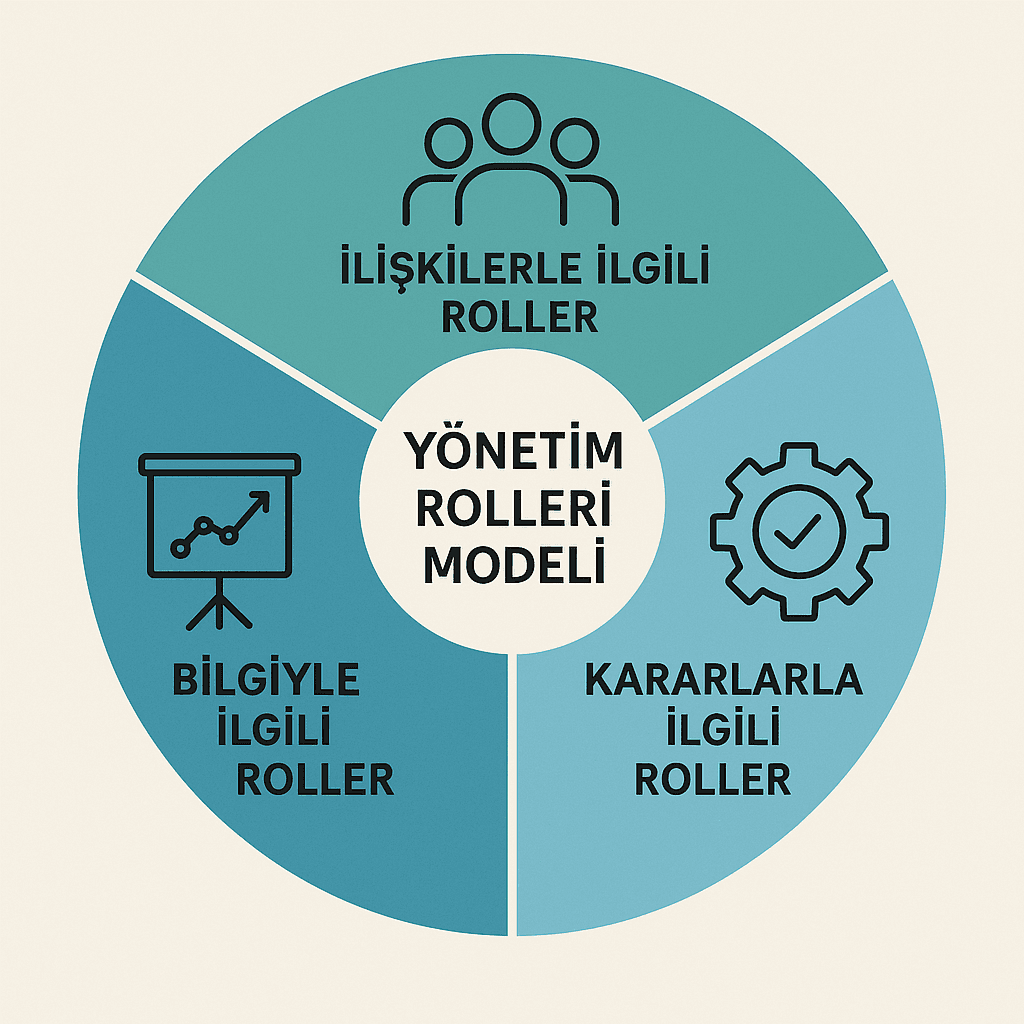
Mintzberg's Management Roles Model
Henry Mintzberg observed managers’ daily practices to develop the concept of “managerial roles.” In his seminal work, The Nature of Managerial Work (1973), Mintzberg categorized managerial activities into three main groups (interpersonal, informational, and decisional roles) and identified a total of ten managerial roles. This model shifts the focus away from classical functions of management—such as planning, organizing, directing, and controlling—to highlight the multifaceted nature of manager
EN
Hüseyin Caner Özkan

Fixed asset
Fixed assets are tangible or intangible resources used by businesses that are expected to be utilized for more than one year and have a value exceeding a specified threshold. In accounting and financial management, fixed assets fall under the category of long-term assets and hold a significant position among a company’s resources. Definition and Scope The term fixed asset encompasses not only traditional items such as office furniture, desks, and chairs but also all long-term assets acquired for
EN
Murat Şen
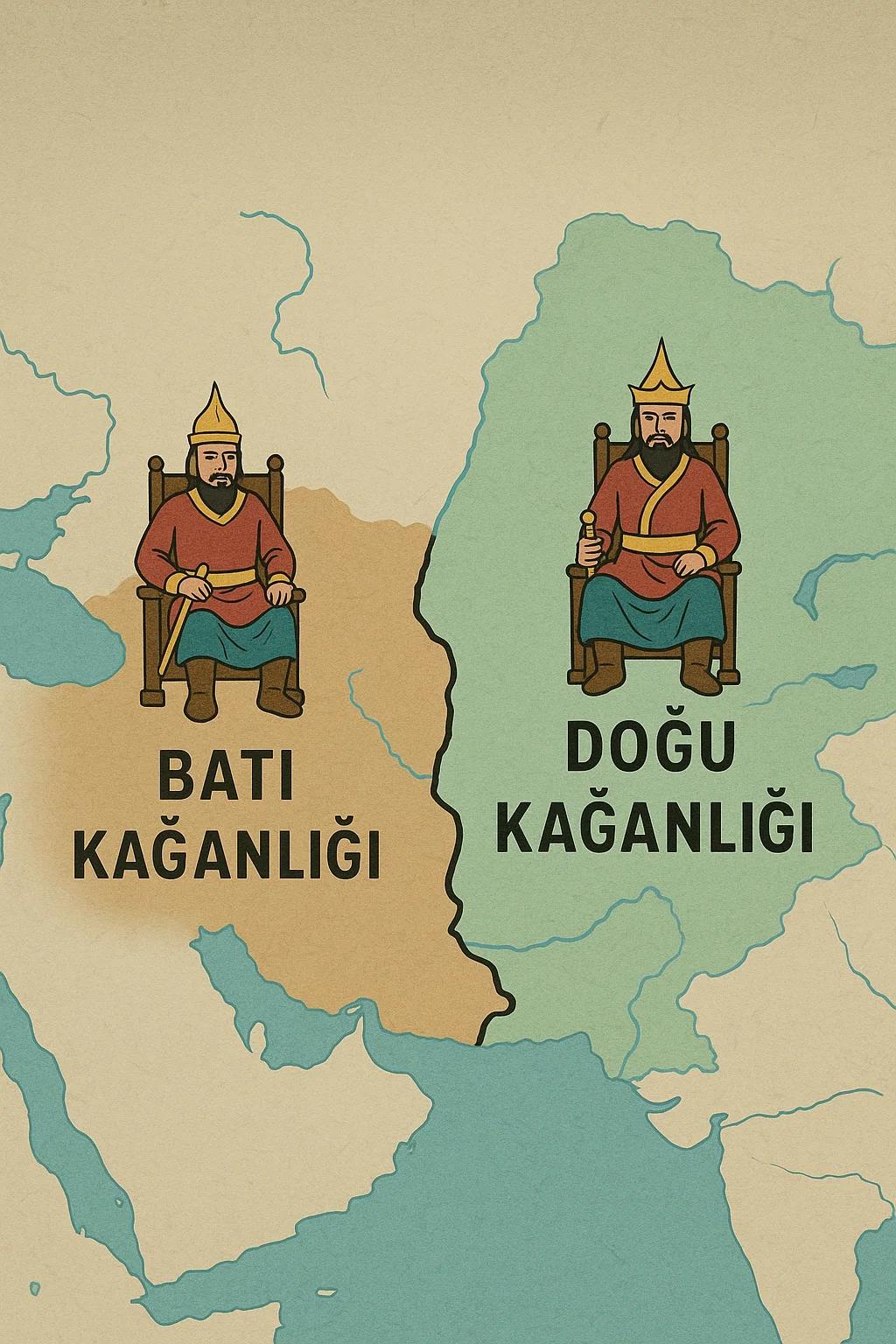
Binary Organization among the Turks
In Turkish tradition, the "binary organization" refers to a system in which state administration is based on two primary elements. This structure does not center power absolutely in a single authority; rather, it divides power into two parts that complement each other. In Turkish state tradition, this binary structure has typically manifested through distinctions such as east-west or center-periphery. This system is identified in Chinese sources as the "Chu cosmology". However, what is meant her
EN
Hümeyra Yılmaz