

`mahrec-mark` Related Article Results
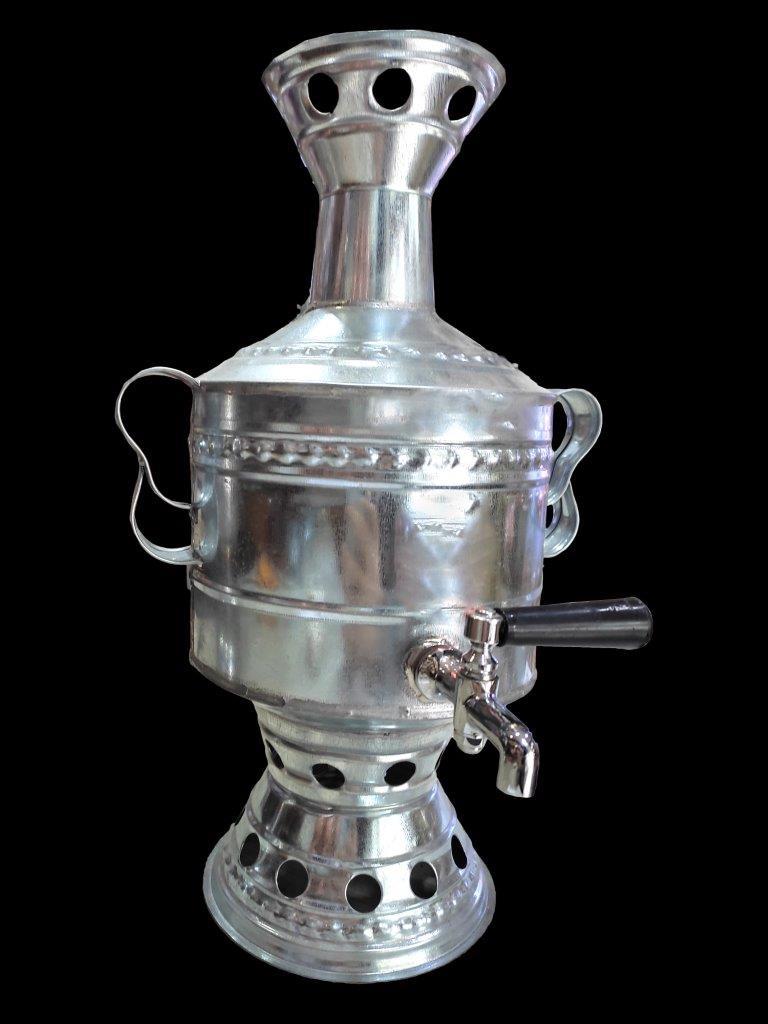
Amasya Semaveri
Semaver is a traditional device used primarily for brewing tea, designed for heating water and preparing tea. Typically made of metal—such as stainless steel, copper, or brass—the semaver consists of a lower heating chamber and an upper reservoir where water is boiled. In the heating chamber, coal, wood, or in modern versions, electricity or gas, is used as fuel. Above this, a small vessel called a demlik is placed, where tea leaves are steeped and kept warm by the steam rising from the boiling
EN
Elif Laçin
 Ay
AyAyvalık Lor Sweet
Ayvalık lor sweet is a dessert specialty unique to the district of Ayvalık in Balıkesir’s Ayvalık province, officially registered with geographical indication status by the Turkish Patent and Trademark Office on 26 December 2022. This registration ensures both the product’s regional production methodology and its contribution to local gastronomic heritage. Geographical Indication Process Type of Registration: Geographical Indication File Number: C2022/000094 Application Date: 7 March 2022 Regist
EN
Rüya Dumlu
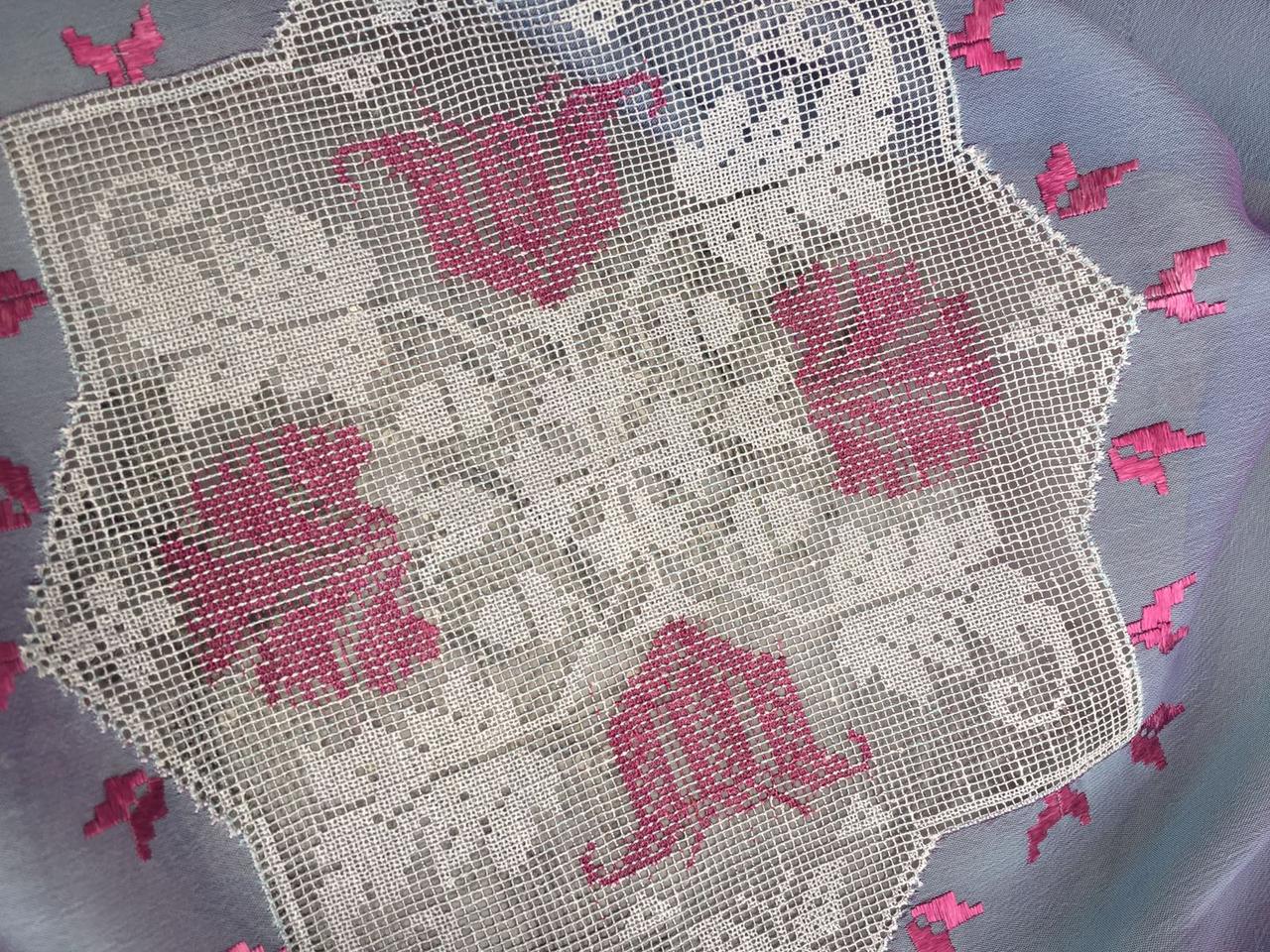
Maraş File Embroidery
Maraş File Embroidery is a regional Turkish craft practiced widely in Kahramanmaraş and its districts, using a technique in which fabric is selectively unraveled and worked to produce a design that appears identical on both sides. Product Profile and Geographical Indication Type Maraş File Embroidery belongs to the category of handicraft products and specifically to the embroidery subcategory. It has been registered by the Turkish Patent and Trademark Office as a “geographical indication.” A geo
EN
Caner Sefa Koçyiğit
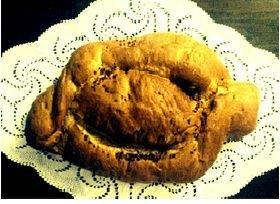
Gebze Bayram Çöreği
Gebze Bayram Çöreği is a traditional product registered by the Turkish Patent and Trademark Office, distinguished by its rich history and unique production characteristics specific to the Gebze district of Kocaeli Province. This pastry is particularly renowned as an indispensable delicacy on religious holidays and traces its origins to the traditions of the settled Turkmen communities (Manavs) in the region, with a history extending far back in time. It is also commonly known among the public as
EN
Sinem Bostan

Eskişehir Simidi
📍 Where Is It Made? Eskişehir simidi is produced in the province of Eskişehir. All stages of production are carried out within the boundaries of Eskişehir province. Cultural and Historical Significance of Eskişehir Simidi Eskişehir simidi is a traditional variety of simit unique to Eskişehir. Its shape resembles a twist and it is prepared by dipping it in warm fig molasses, a method that distinguishes it from other simits. Historically, it was also consumed within Eskişehir’s bathhouse culture.
EN
Zelal Çakar
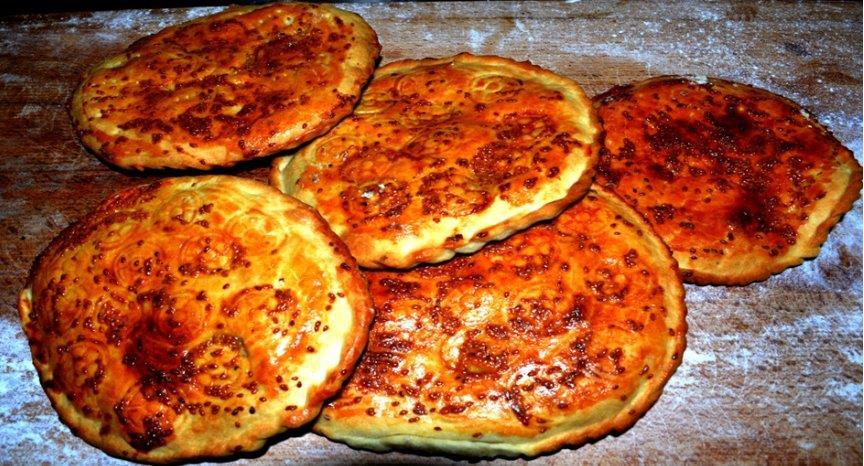
Hakkari Kadesi
Hakkari Kadesi is a traditional bakery product unique to Hakkari Province in Türkiye, prepared using conventional methods. Registered as a geographical indication on 16 January 2023 by the Turkish Patent and Trademark Office, Hakkari Kadesi is an important product reflecting the cultural and gastronomic heritage of Hakkari Province. The registration process was conducted under Law No. 6769 on Industrial Property, and the product’s geographical boundary is limited to Hakkari Province. The term “H
ENSinem Bostan
RiRize Muhlaması
Rize Muhlaması is a regional dish specific to Rize province, officially registered with a geographical indication. The type of geographical indication is a Certification Mark. It is categorized under dishes and soups. Product Definition and Distinctive Characteristics The production of Rize Muhlaması uses kolot cheese, also known locally as "koleti peyniri", along with butter, cornmeal, salt, and water. The kolot cheese used must be low in fat. Rize Muhlaması is a regional dish prepared on a cop
EN
Yahya B. Keskin