

`lycia` Related Article Results
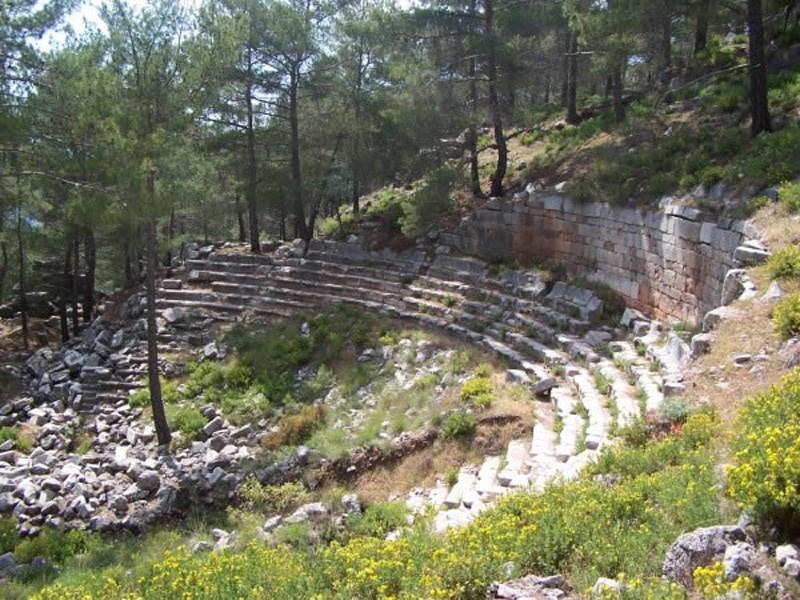
Cadianda
The ancient city of Cadianda is located in Southwestern Anatolia, in the northeastern part of the ancient region of Lycia, within the boundaries of Üzümlü Neighborhood in today’s Fethiye district of Muğla province. Situated approximately 900 meters above sea level on the slope of a steep mountain, the city holds a strategic settlement character in terms of both defense and observation due to its topographic position. The city showed significant development especially during the Hellenistic and R
EN
Meryem Şentürk Çoban
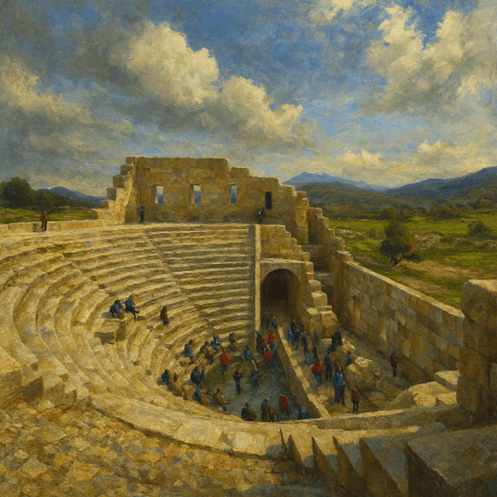
Ancient City of Patara
Where is Patara? The Ancient City of Patara is located near the village of Gelemiş, within the Kaş district of Antalya, between Fethiye and Kalkan. It is one of the most important and oldest cities of Lycia. Moreover, it is famous not only for its history but also for its 18-kilometer-long beach and as a nesting site for the endangered sea turtle species Caretta caretta. (Generated with Artificial Intelligence) " image-element-format="justify" image-source="https://cdn.t3pedia.org/media/uploads/
EN
Hikmet Can Urhan
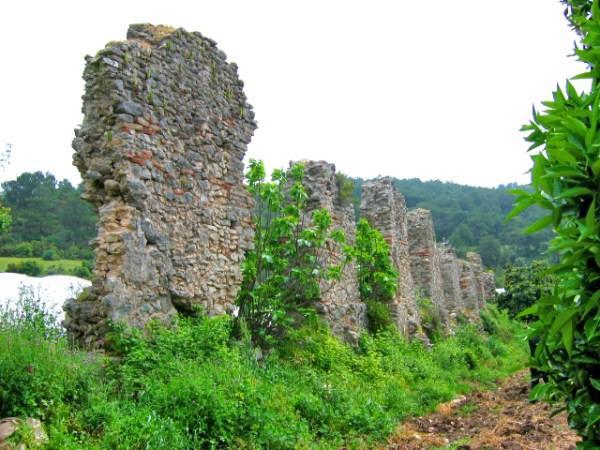
Gagai Ancient City
Gagai (in ancient sources Gaxe) is an ancient settlement located in the southeastern corner of Lycia, within the boundaries of modern Mavikent, Kumluca district, Antalya Province. The city, known today as “Asartepe” or “Aktaş Ruins”, was built on a hill commanding the sea. It was first mentioned by Pseudo-Scylax as “Palaion Teikos” (Old Fortress). Etimology The name Gagai has been explained in various forms since antiquity. According to one tradition, the Rhodians named the settlement Gagai afte
ENMeryem Şentürk Çoban
 Xa
XaXanthos
Xanthos is an important ancient city located in the southwestern part of Türkiye, along the Fethiye-Kaş highway, within the borders of Kınık Village. As the largest administrative center of Lycia, Xanthos was built on two hills overlooking the plain by the Eşen River (known in antiquity as the Xanthos River). One of these hills is the Lycian acropolis, while the other is the Roman acropolis. Xanthos Ancient City (ROMAN ODINTSOV, https://www.pexels.com/tr-tr/fotograf/mimari-kule-rock-kaya-6342319
ENMeryem Şentürk Çoban
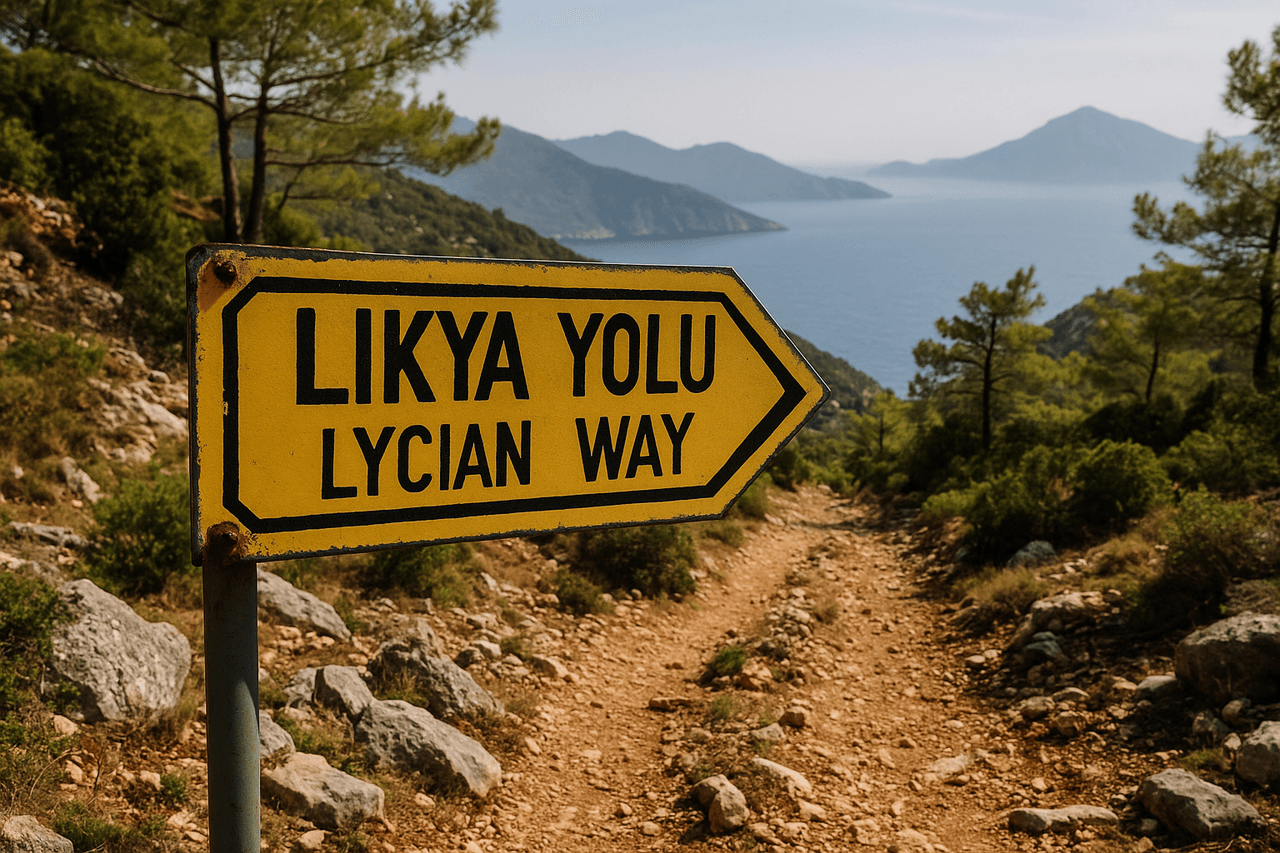
Lycian Way
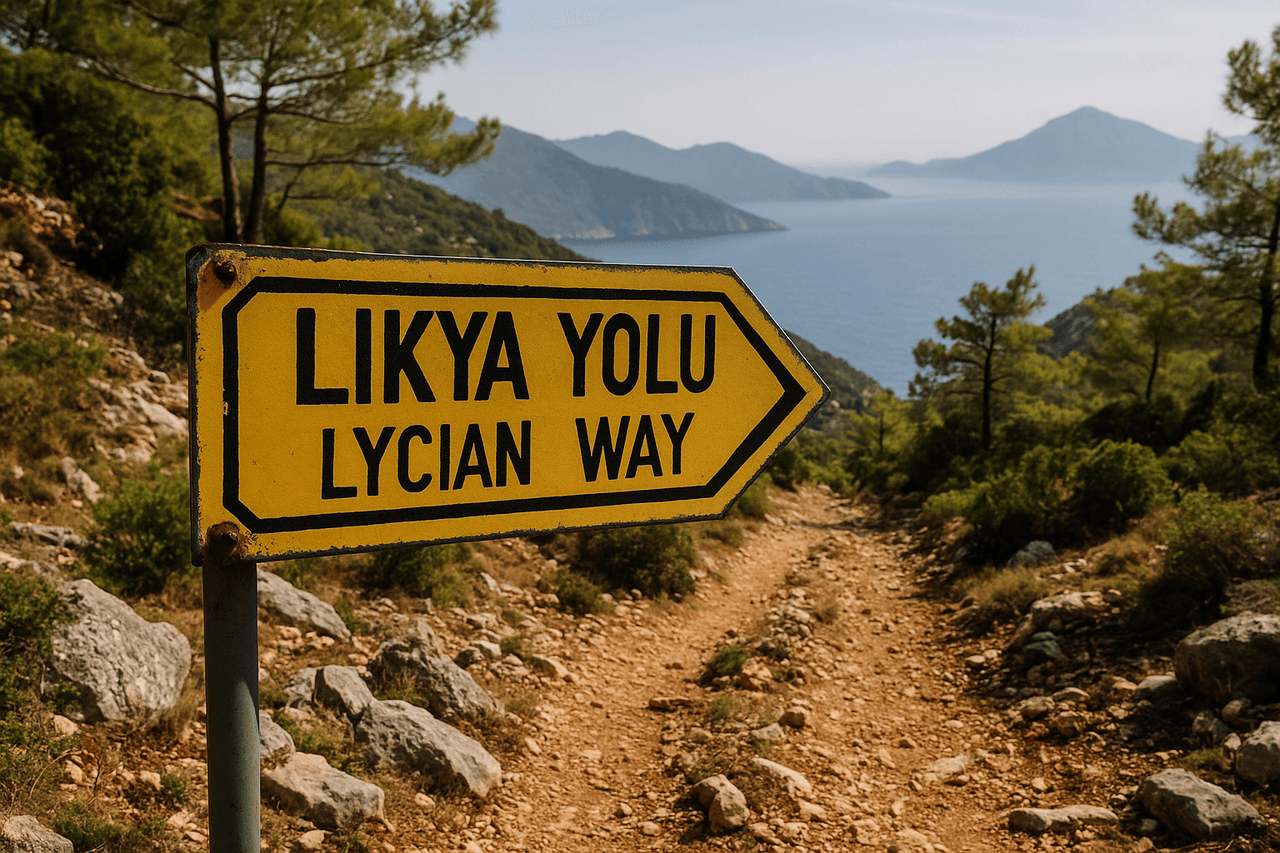
Lycian Way is a historically and culturally significant hiking route that follows the traces of the Lycian civilization. It is located on the Teke Peninsula in southwestern Türkiye, stretching between Fethiye and Antalya. According to historical sources, the Lycian region has a history extending back to the 2000s BCE and was already known during the Hittite period. The regional name “Land of Lukka” also appears in Hittite inscriptions. The Lycian people were renowned for their strong attachment
EN
Saadet Küpçük
Lycian Way
Lycian Way is a historically and culturally significant hiking route that follows the traces of the Lycian civilization. The route is located on the Teke Peninsula in southwestern modern-day Türkiye, stretching between Fethiye and Antalya. The Lycian region, according to historical sources, has a history extending back to the 2000s BCE and was known during the Hittite period. The regional designation “Land of Lukka” also appears in Hittite inscriptions. The Lycian people were renowned for their
EN
Saadet Küpçük
KyKyaenai Ancient City
Kyaneai Ancient City is located on an east-west oriented plateau near the district of Kaş in Antalya Province, along the Demre-Kaş road and bordering the northern part of the present-day Yavu Village. It lies approximately 5 km from Üçağız Harbor between Antiphellos (Kaş) and Myra (Demre). Its name is of Greek origin, meaning “dark blue,” and it is also referred to as “shining rocks.” History Lycian language inscriptions found at the site indicate that Kyaneai was inhabited from the 1st millenni
EN
Melike Saraç
Patara
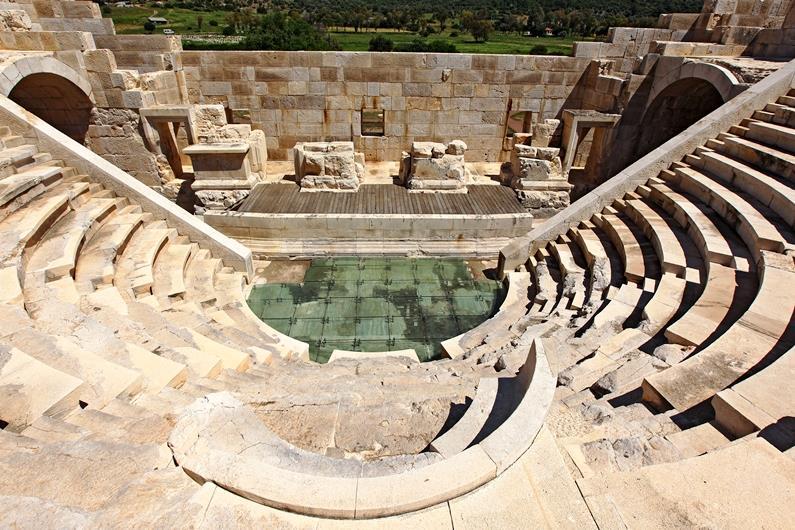
Patara Ancient City was one of the most significant settlements of Lycia and is located within the present-day borders of Kaş, Antalya, near Gelemiş Village. Situated at the southwestern end of the Xanthos Valley, the city served as one of the region’s most important ports opening to the Mediterranean Sea throughout history. Referred to as “Patar” in Hittite records dating back to the 13th century BCE, Patara was not only the capital of the Lycian League but also maintained its importance during
ENMeryem Şentürk Çoban
Ancient City of Simena
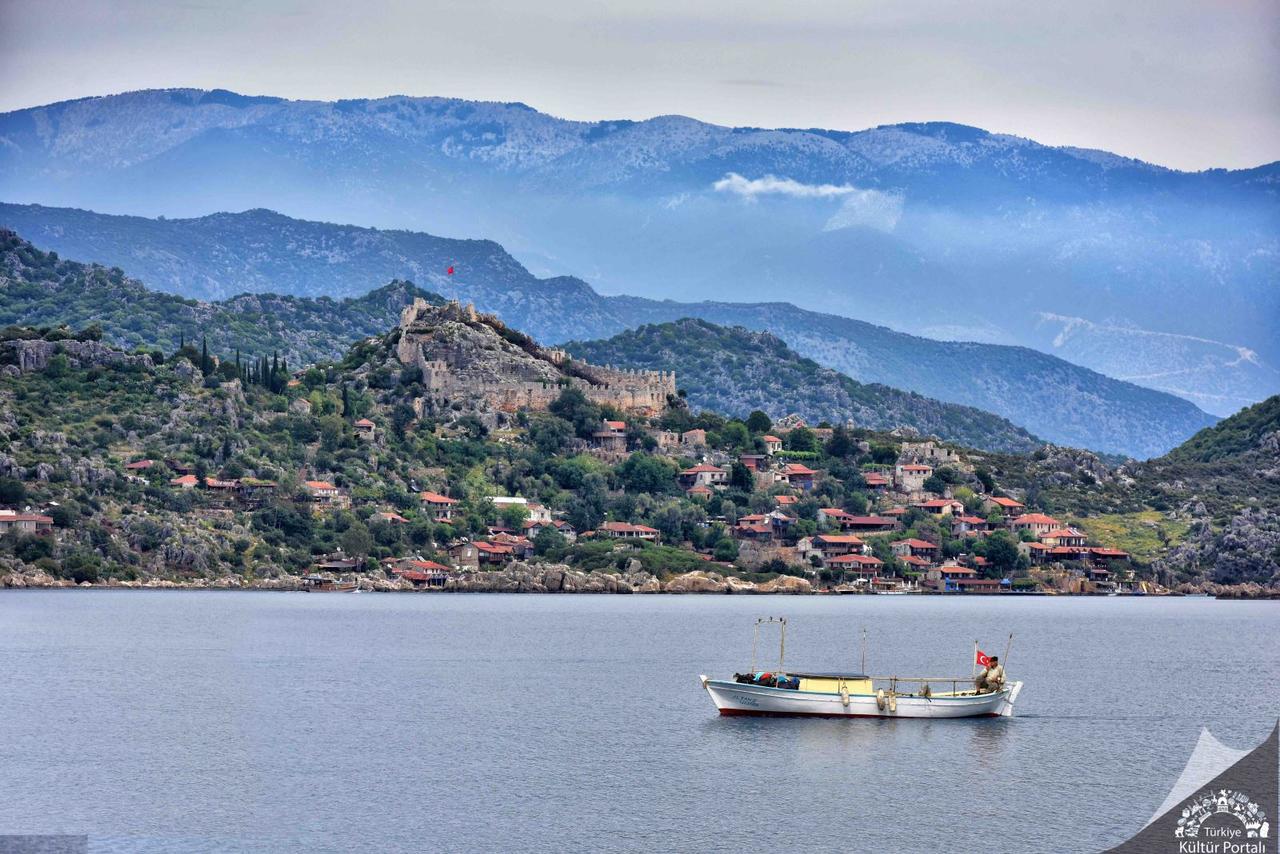
Simena is an ancient Lycian settlement located within the boundaries of the Kaş district in Antalya Province, opposite Kekova Island, known today as Kaleköy. This coastal town, situated on a peninsula, is one of the rare historical sites accessible only by sea. History The history of the ancient city of Simena extends back to the 4th century BCE. Its name first appears in ancient sources in the 1st century CE, mentioned by the naturalist Pliny. Based on inscriptions written in the Lycian alphabe
EN
Zeynep Şule Bingöl

Triskeles
Triskeles (Greek: τρισκελής, “three-legged”) is a symbol composed of three human legs radiating from a central point, formed by spirals or curved lines. It is typically depicted in a clockwise rotational movement. The motif, also known as the “triple spiral” or “triskelion,” has its earliest examples dating to the 3000s BCE. While various interpretations exist regarding its origin and meaning, it is most commonly associated with Celtic culture and especially the island of Sicily. Many researcher
EN
Yunus Emre Yüce