

`literary-criticism` Related Article Results
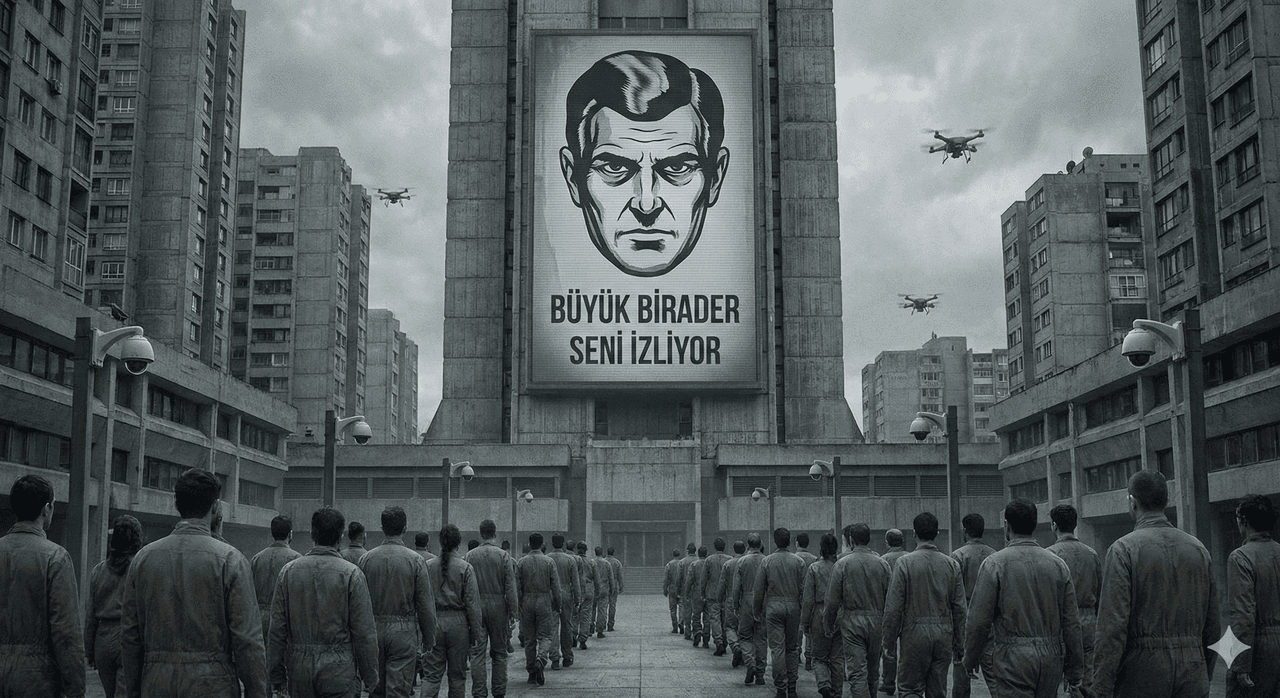
Thinking Is Forbidden: Orwell’s Prophecy
The dream of a “perfect society,” which has occupied human minds throughout history, has served as inspiration for countless works from Plato’s Republic to Thomas More’s Utopia. However, the political traumas of the twentieth century and the alarming rise of technology inverted this vision, giving rise to the genre of “anti-utopia,” more commonly known as “dystopia.” As M. Başak Uysal aptly observed, while utopia envisions a “earthly paradise,” anti-utopia serves as a warning sign showing how su
EN
Bahtiyar Bora ERGÜN
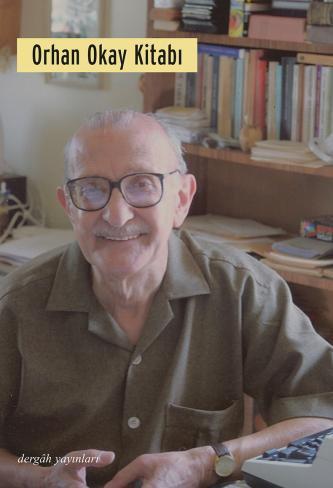
Orhan Okay Book (Book)
The book "Orhan Okay Kitabı" is a collective tribute dedicated to Prof. Dr. Orhan Okay (1931–2017), one of Turkey’s most prominent academics and literary critics, offering multifaceted perspectives on his life, scholarly work, and intellectual legacy. Published as part of Dergâh Yayınları’s "Armağan Kitap" series, this volume highlights Okay’s contributions to Turkish literature as a leading representative of the "Mehmet Kaplan school" and his enduring influence on successive generations of scho
EN
Muhammed Samed Acar
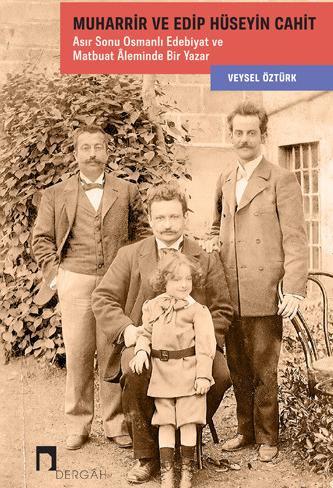
Muharrir and Edip Hüseyin Cahit (Book)
The Writer and Poet Hüseyin Cahit (Muharrir ve Edip Hüseyin Cahit) is a work of literary criticism authored by Veysel Öztürk. It examines the identity of Hüseyin Cahit Yalçın, an influential figure in the late Ottoman period's literary and journalistic spheres, through the two distinct dimensions of his life as a writer (muharrir) and a poet (edip). The work provides a comprehensive analysis of the literary and social conditions of the period. Subject The book consists of two main sections. The
ENMuhammed Samed Acar
The Flood Recedes, the Sand Remains (Book)
Sel Gider Kum Kalır (The Flood Recedes, the Sand Remains) is a collection of critical texts and essays by the prominent Turkish literary figure Mustafa Kutlu. Published in November 2022 as part of Dergâh Publications' Literary, Cultural, and Art Writings series, the work is 260 pages long. In it, Kutlu conveys his approach to works in the literary environment, the subjective nature of his criticism, and his experience as a reader in a literary language. Content and Structure The book is a compil
ENMuhammed Samed Acar