

`leadership` Related Article Results
 Th
ThThe Effect of Psychology on Work Performance
Psychology, as a science discipline that examines the mental processes underlying human behavior, plays a critical role in understanding workforce dynamics. Industrial and organizational psychology developed in the early 20th century through a process initiated by Frederick Taylor’s theory of “Scientific Management” to optimize employee productivity and motivation. Today, psychological factors exert influence across a broad spectrum including employee performance and leadership styles. In the wo
EN
İsmail Özyurt

Laissez-Faire Leadership
Laissez-faire leadership is a leadership style characterized by minimal intervention from the leader and a high degree of autonomy granted to employees. In this model, the leader delegates responsibility for decision-making, problem-solving, and implementation processes to the team members. Often classified as passive leadership in classical leadership theories, this approach can yield effective results under specific organizational conditions. The defining feature of laissez-faire leadership is
ENEmre Özen

Balamir Han
Who Was Balamir Khan? Balamir Khan was a great Turkish leader who lived approximately 1500 years ago. He led the European Huns, a powerful people composed of brave warriors who inhabited parts of Europe and Asia during that era. 🏠 Childhood and Youth Balamir Khan attracted attention from an early age through his courage and leadership qualities. He learned the art of warfare and administrative skills from his family. His intelligence and diligence earned him the affection and respect of his peo
EN
Kasım Emre Anıl
ThThe Bronze Law of the Oligarchy
The Iron Law of Oligarchy is a theory in the sociology of politics, first articulated by sociologist Robert Michels in his 1911 work Sociology of Political Parties: An Investigation into the Oligarchical Tendencies of Modern Democracy (German: Zur Soziologie des Parteiwesens in der modernen Demokratie). In its most concise formulation, the law asserts that every type of organization, regardless of its nature, inevitably evolves into the rule of a minority—a minority that becomes an oligarchy. Ac
ENYunus Emre Yüce
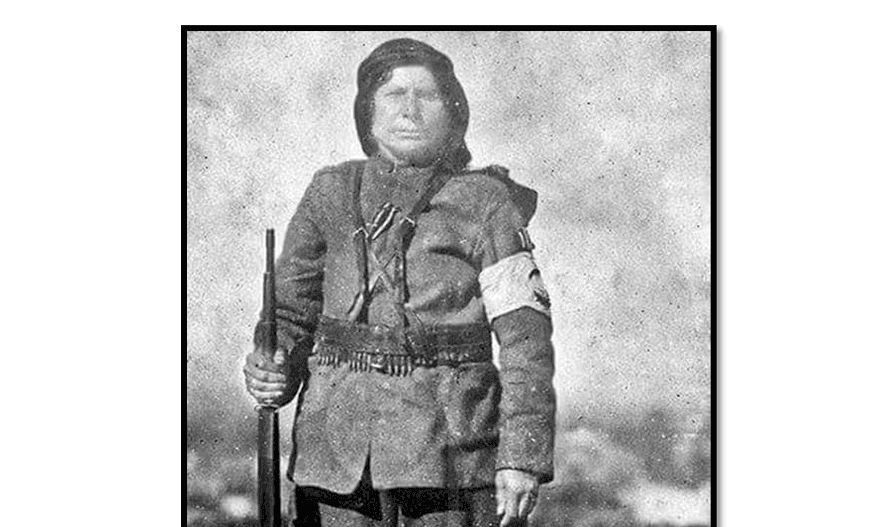
Çete Ayşe
Çete Ayşe, born as Emire Ayşe Aliye, was born in 1894 in the village of İmamköy, Aydın. Her father’s name was Mustafa. In 1910, she married a man named Mustafa from Kayacık Village. From this marriage, two daughters were born. Her husband was martyred on the Gallipoli Front in 1915. After her husband’s death, she continued village life with her father and children, engaging in agriculture and livestock farming with goats, cows, chickens, and a camel. The Occupation of İzmir and the Decision to A
EN
Duygu Şahinler
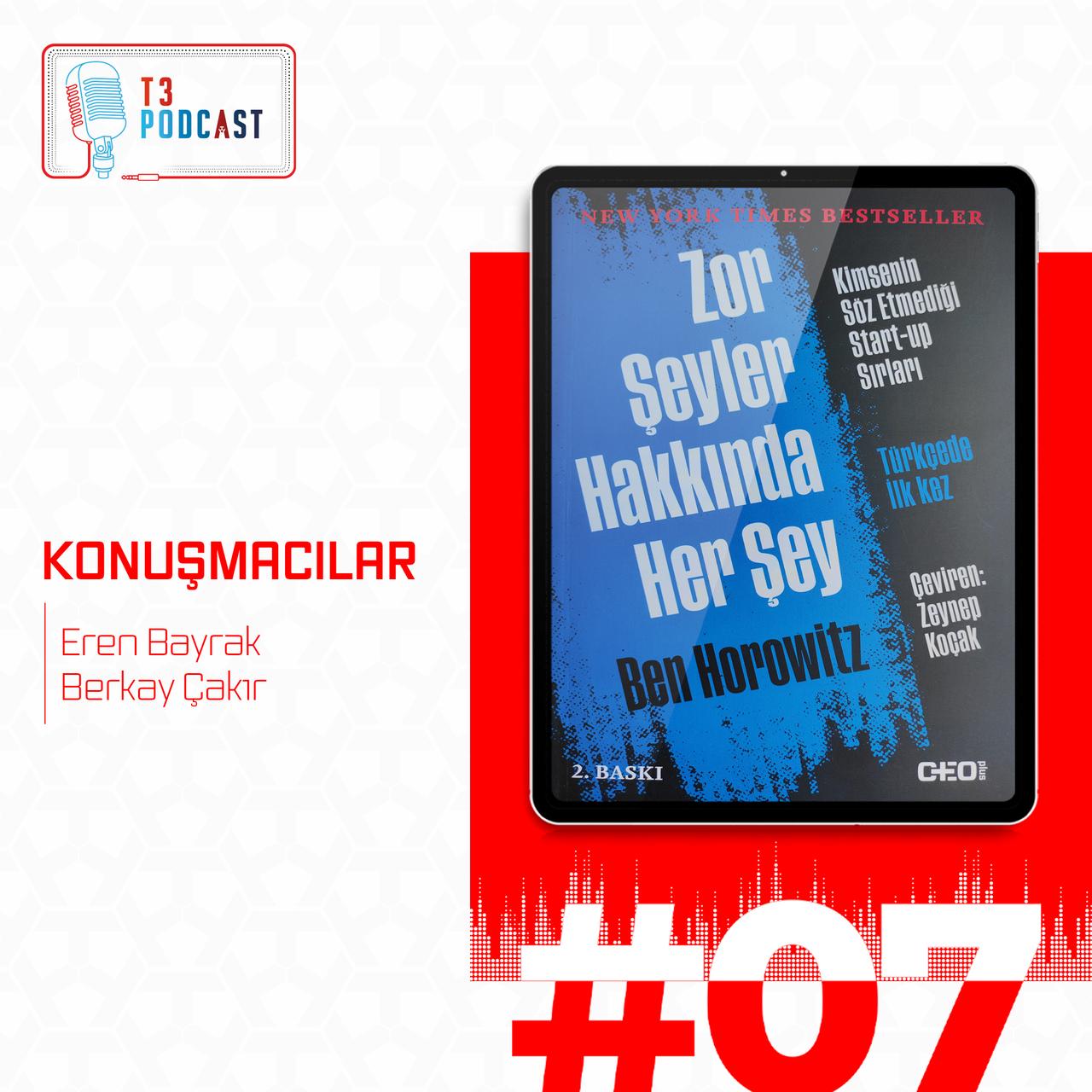
T3 Podcast | Ben Horowitz - Everything About Hard Things
In this article, we summarize the key insights from the T3 Podcast episode featuring Ben Horowitz’s book The Hard Thing About Hard Things. Rather than a memoir, the book is a practical guide rooted in the author’s own experiences, offering solutions to the challenges of the startup world. Leadership from Horowitz’s Experiences Growing up in a Jewish-communist family, Horowitz was exposed to vastly different environments, which gave him the ability to view life from multiple perspectives. These e
EN
T3 Akademi

Ohio State University Leadership Studies
The Ohio State University Leadership Studies encompass a series of research efforts that examine leadership behaviors and have made significant contributions to behavioral leadership theory. These studies began in 1945 by shifting focus from leaders’ personal traits to their observable behaviors. The primary objective of the research was to systematically define leadership behaviors and identify key factors that explain the leadership process. Defining Leadership Behaviors In these studies, meas
EN
Nursena Şahin

Keir Starmer
Keir Rodney Starmer (born 2 September 1962, London) is a British politician and lawyer who led the Labour Party in the United Kingdom and served as Prime Minister. Raised in a working-class family, Starmer practiced human rights law after completing his legal education and served as Director of Public Prosecutions from 2008 to 2013. He was elected as a Member of Parliament for the Holborn and St Pancras constituency in 2015 and succeeded Jeremy Corbyn as leader of the Labour Party in April 2020,
EN
Edanur Karakoç
GlGlass Ceiling Syndrome
Glass ceiling syndrome is a concept that defines the invisible barriers that prevent women and minority groups from advancing beyond a certain point in their careers, even though these barriers do not physically exist, their effects are strongly felt. According to the Federal Glass Ceiling Commission, the glass ceiling consists of artificial barriers imposed on women and minorities, which are particularly prominent in hierarchical structures (Cotter et al., 2001). Ethnic minorities, people with
EN
Sümeyra Uzun
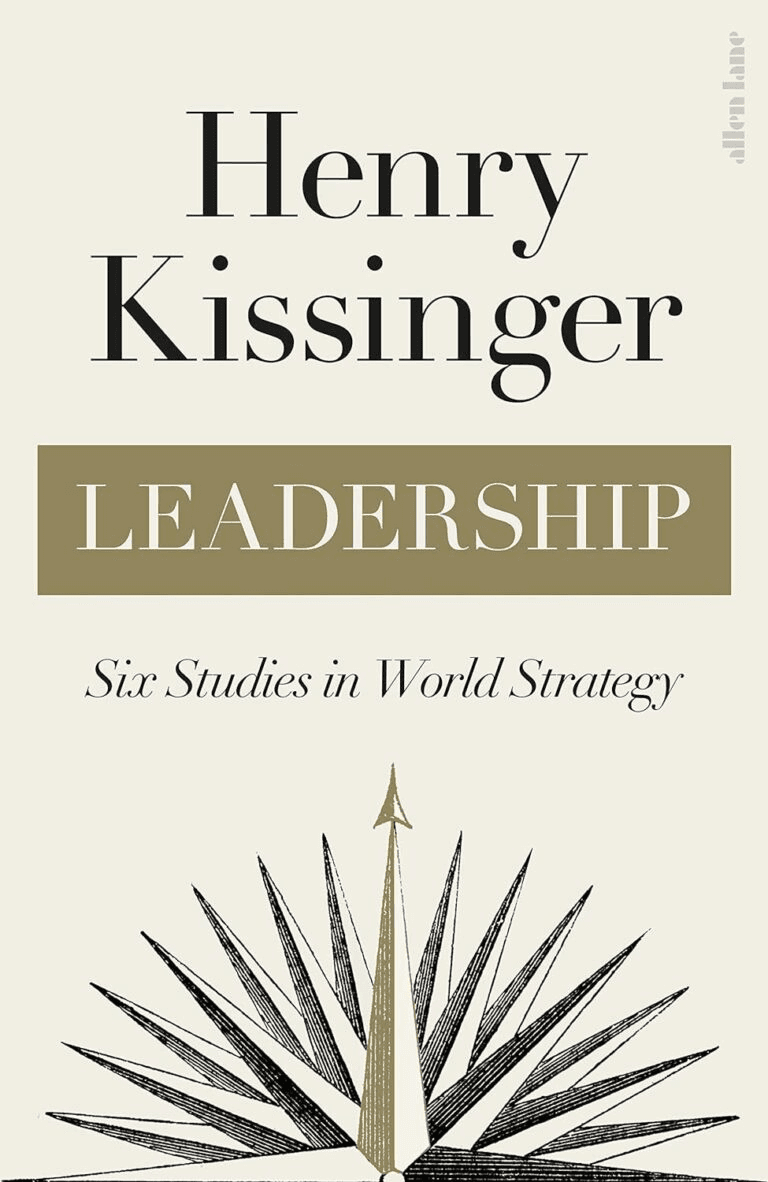
Leadership (Book)
Henry Kissinger's book Leadership is a comprehensive study that examines the visions, decision-making processes, and historical impacts of six leaders who have shaped modern global politics. Kissinger analyzes how these leaders governed during challenging times, exploring the historical, strategic, and ethical dimensions of leadership. The book discusses the concept of leadership in both a historical and theoretical context while offering insights into the dynamics of global politics. Contents o
EN
Ahsen Karakaş