

`latinamerica` Related Article Results
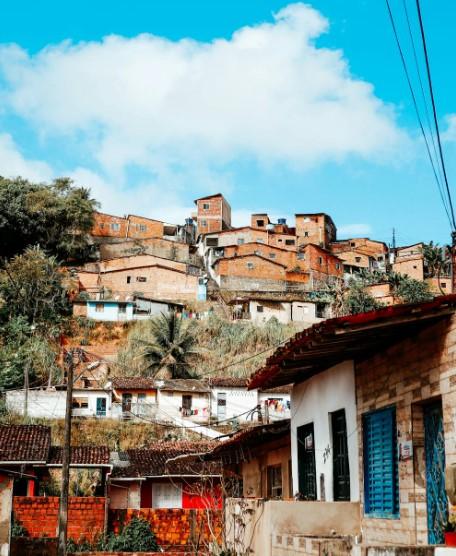
Favela
The major cities of Brazil draw attention not only for their architectural grandeur, natural wealth, or cultural diversity, but also for their informal settlements. Among these areas, the most notable are those generally referred to as “favelas,” which are settlements that have developed outside the scope of official urban planning. These neighborhoods, particularly widespread in metropolises such as Rio de Janeiro and São Paulo, emerged as spatial manifestations of the housing problems faced by
EN
Ahsen Karakaş

#25 Gray Area
Nuclear Agreement Between the United States and Türkiye Ends United States and Russia’s last remaining nuclear arms agreement, New START, has expired. This development signifies the collapse of the nuclear balance that had been preserved even during the most tense moments of the Cold War. United Nations Secretary-General Antonio Guterres stated that there has never been a worse time for the agreement to end, emphasizing that the risk of nuclear weapon use is now at its highest level in years. Ne
EN
KÜME Vakfı
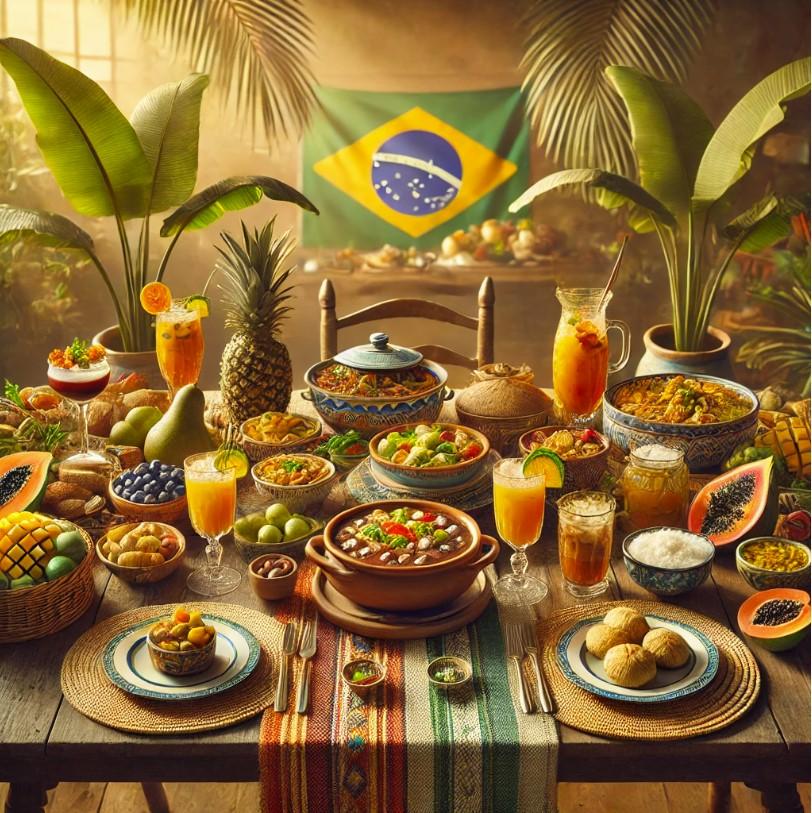
Brazilian Cuisine
Brazilian cuisine is a highly diverse and regionally distinct gastronomic system shaped by the country’s vast geographical expanse, varied climatic conditions, and multicultural social structure. Situated on the eastern side of South America and occupying nearly half of the continent, Brazil has developed a rich culinary culture rooted in its abundant natural resources and agricultural diversity. The ecological variety extending from the Amazon Basin to the pampas of the south has significantly
AZAhsen Karakaş
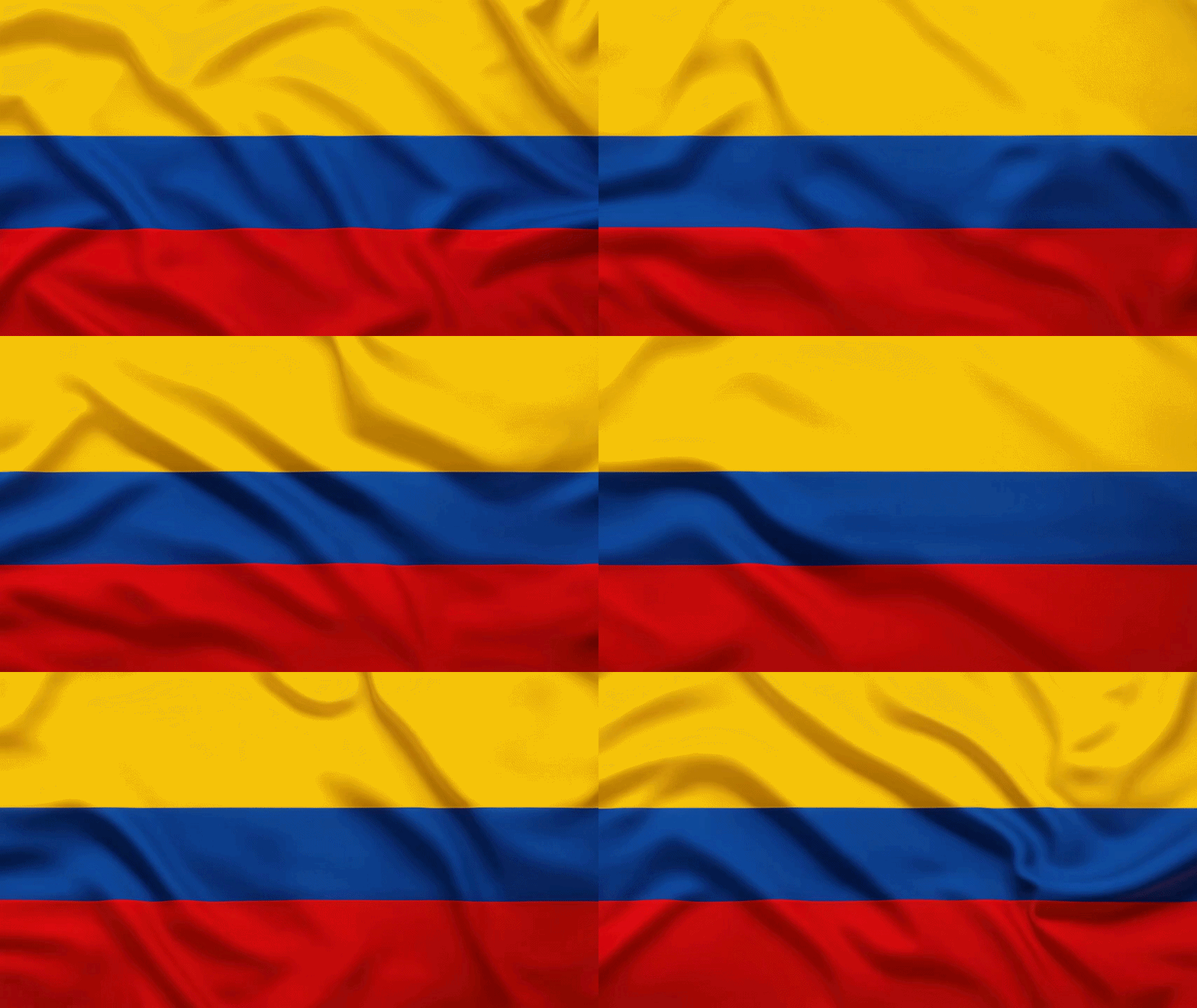
Colombia
Colombia, (officially the Republic of Colombia), is an independent state with a constitutional structure located in the northwestern part of South America. The country borders the Caribbean Sea to the north and the Pacific Ocean to the west; it shares land boundaries with Venezuela and Brazil to the southeast, Peru and Ecuador to the south, and Panama to the northwest. With a total area of 1,141,748 square kilometers, Colombia is one of the largest countries in Latin America and its capital is B
EN
Nisanur Emral