

`iznik-tiles` Related Article Results
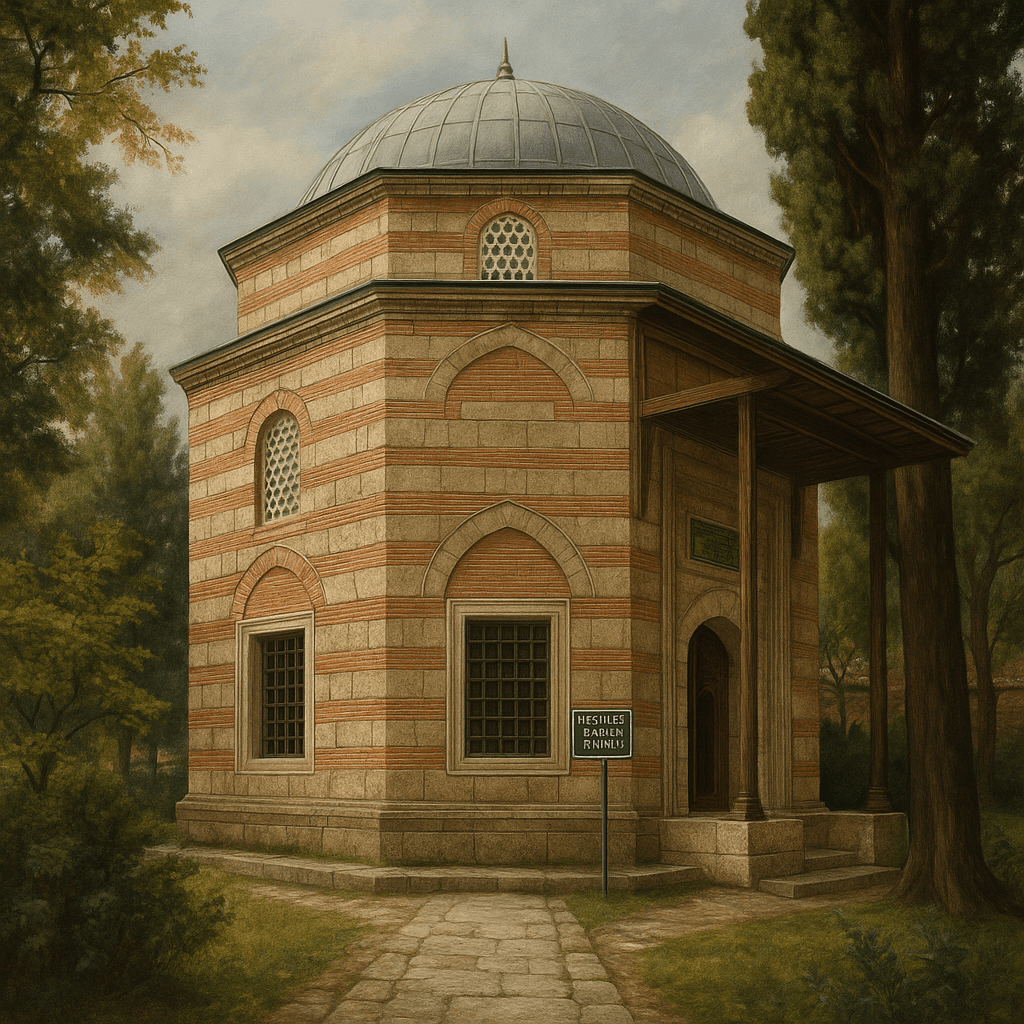
Tomb of Prince Mustafa
Şehzade Mustafa, son of Sultan Süleyman the Lawgiver, is remembered in Ottoman history for both his bravery and his tragic death. The tomb within the Muradiye Külliyesi in Bursa, built in his memory, is an important structure that has survived from the 16th century to the present day. This tomb is not merely a burial site but also a historical treasure bearing the marks of Ottoman art. (Generated by Artificial Intelligence.) " image-element-format="right" image-source="https://cdn.t3pedia.org/me
EN
Hikmet Can Urhan
 Ad
AdAdana Ulu Camii
Adana Ulu Camii was constructed during the Ramazanoğlu Beylik period and is one of the monumental mosques that hold a significant place in Adana’s historical and architectural identity. The mosque is also known as Cami-i Cedid, Halil Bey Camii, and Cami-i Cedid-i Halil Bey. History Construction of the building was initiated in 1513 by Ramazanoğlu Halil Bey and completed in 1541 by his son Piri Mehmet Paşa, after which it was opened for worship. It is known that a small mosque previously stood on
EN
Meltem Saraç
RüRüstem Pasha Camii
Rüstem Paşa Camii is a significant classical-era work built in the 16th century in the Eminönü district of Istanbul by Grand Vizier Rüstem Paşa. Designed by Mimar Sinan, this mosque holds a unique place in Ottoman art not only for its architectural structure but also for its extraordinary tile decorations. The building, prominently situated along the Golden Horn shoreline in the city’s silhouette, constitutes a külliye comprising a mosque, fountain, cemetery, shops, vaulted storage rooms, and tw
EN
Harun Kocatürk