

`islamic-history` Related Article Results
 Di
DiDiplomat Sahabiler (Book)
Mehmet Ali Kapar’s work Diplomat Sahabiler examines the diplomatic roles assumed by the Companions during the early period of Islamic history. The book analyzes, within a broader context, how the Companions, under the guidance of our Prophet (peace be upon him), embraced principles of peace and justice to convey Islam’s universal message. Work details the Companions’ competencies in these duties, their ability to manage human relations, and their contributions to the diplomatic understanding of
EN
Ahsen Karakaş
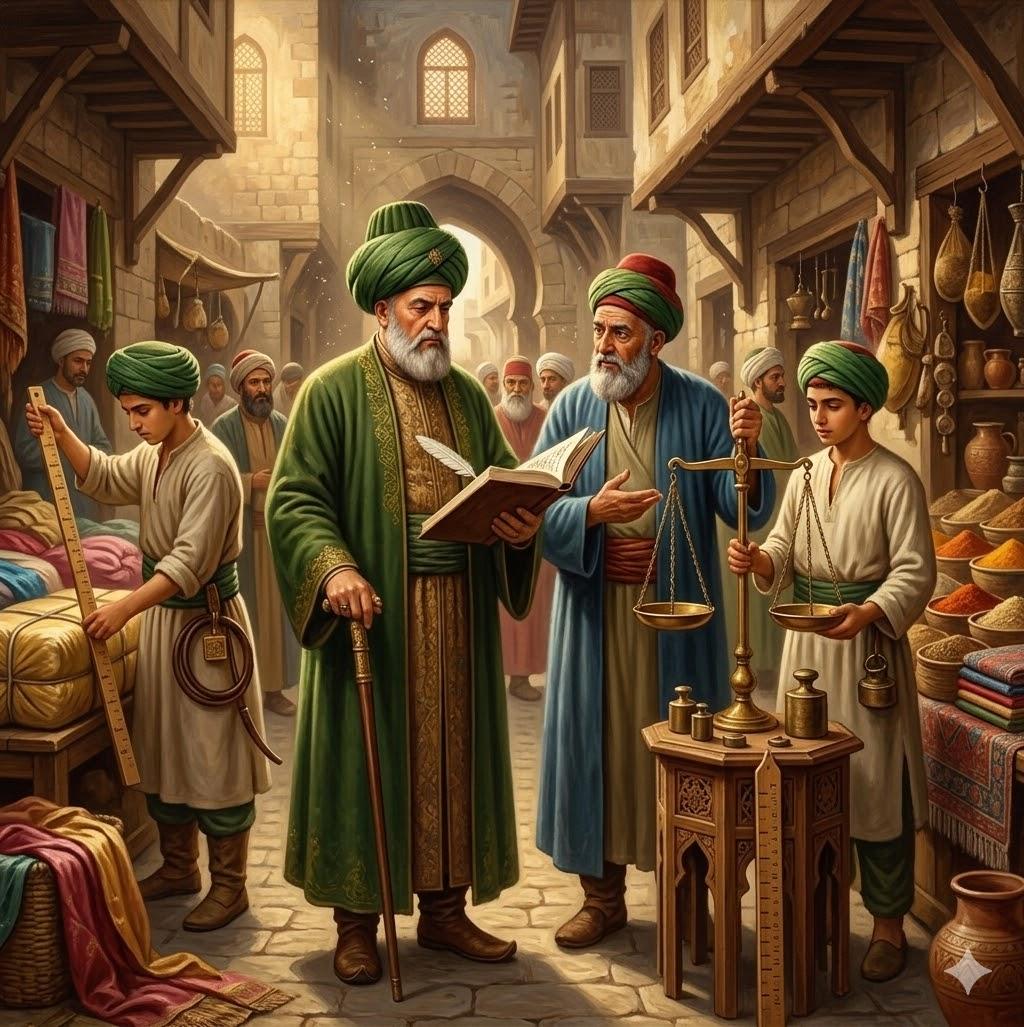
Hisbe Organization
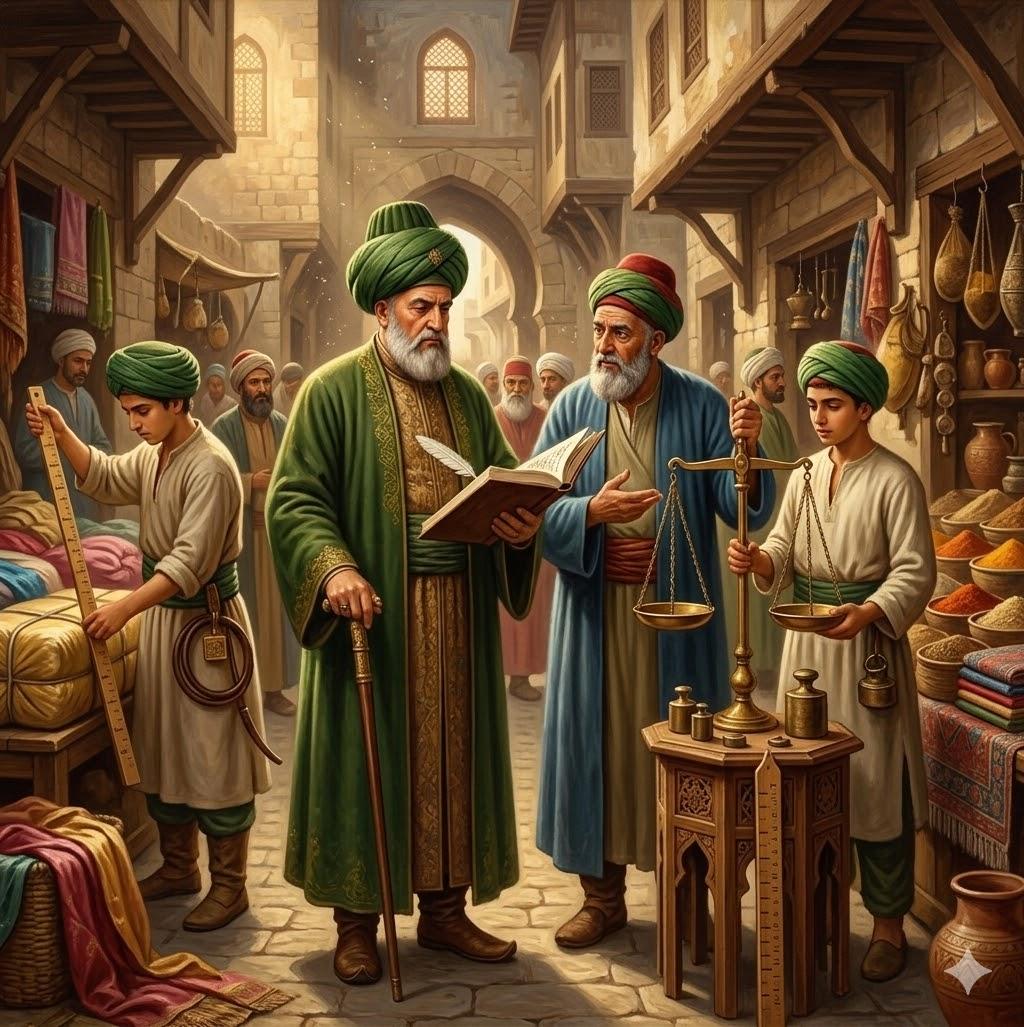
The Hisbe institution, is an official oversight body in Islamic societies that operates in accordance with the principle of enjoining good and forbidding evil to safeguard public morality and order. This institution, whose roots extend back to the time of Prophet Muhammad, has historically been endowed with administrative and limited judicial powers covering a broad spectrum from economic activities to social life. Its historical significance lies in having independently assumed the functions of
EN
AYBİKE HACIİSMAİLOĞLU
DiDiplomat Sahabiler (Book)
Mehmet Ali Kapar’s work titled Diplomat Sahabiler examines the diplomatic roles assumed by the Companions during the early period of Islamic history. The book analyzes, within a historical context, how the Companions, under the guidance of our Prophet (peace be upon him), embraced the principles of peace and justice to convey Islam’s universal message. The work details the strategic skills, ability to manage human relationships, and contributions to the diplomatic understanding of their time dem
EN
Ahsen Karakaş
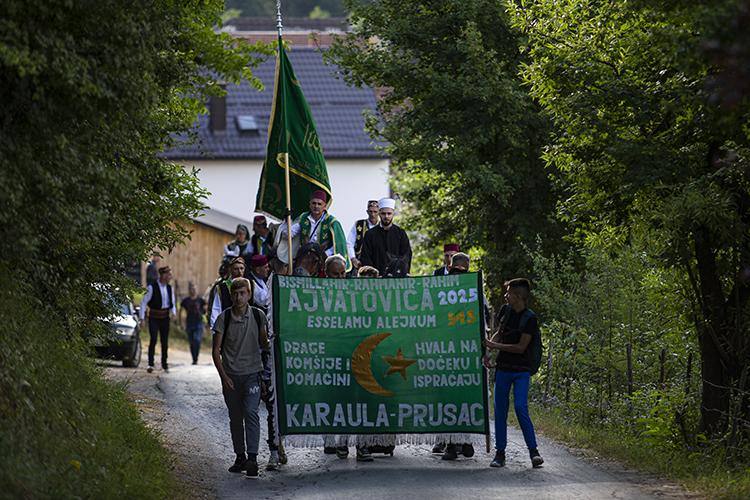
Ayvaz Dede Festivals
Ayvaz Dede Festivals (Ajvatovica), Bosnia and Herzegovina, are a religious and cultural event held to commemorate Ayvaz Dede. The festivals take place annually on the last Sunday of June, near the town of Prusac (Akhisar), within the Donji Vakuf Municipality of Bosnia and Herzegovina. Activities include collective processions, visits, prayers, worship, and traditional rituals. 512th Ayvaz Dede Festivals in Bosnia and Herzegovina (TRT News) " youtube-video-element-format="right" youtube-video-id=
EN
Nursena Güller
Hisbe Organization
The Hisbe institution, is an official oversight body operating in Islamic societies in accordance with the principle of enjoining good and forbidding evil, aimed at preserving public morality and order. This institution, whose roots extend back to the time of Prophet Muhammad, has throughout history been endowed with administrative and limited judicial powers covering a wide spectrum from economic activities to social life. Its historical significance lies in having alone assumed the functions o
EN
AYBİKE HACIİSMAİLOĞLU
The Era of the Four Rightly Guided Caliphs (Book)
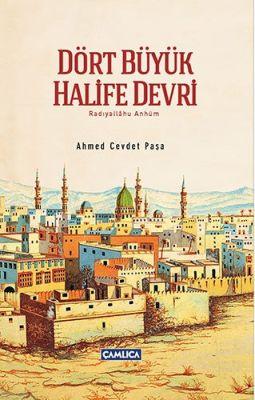
The Era of the Four Rightly Guided Caliphs is a work by Ottoman historian and statesman Ahmed Cevdet Pasha, providing a detailed account of the periods of the first four caliphs of Islamic history. Published by Çamlıca Basım Yayın, this book sheds light on a significant period of Islamic history. Subject of the Book The work examines chronologically the caliphates of Abu Bakr, Umar, Uthman, and Ali. It details the political, social, and religious developments that occurred during each caliph’s r
EN
Cihat Demirel
Tomb of Ökkeşiye Hazretleri
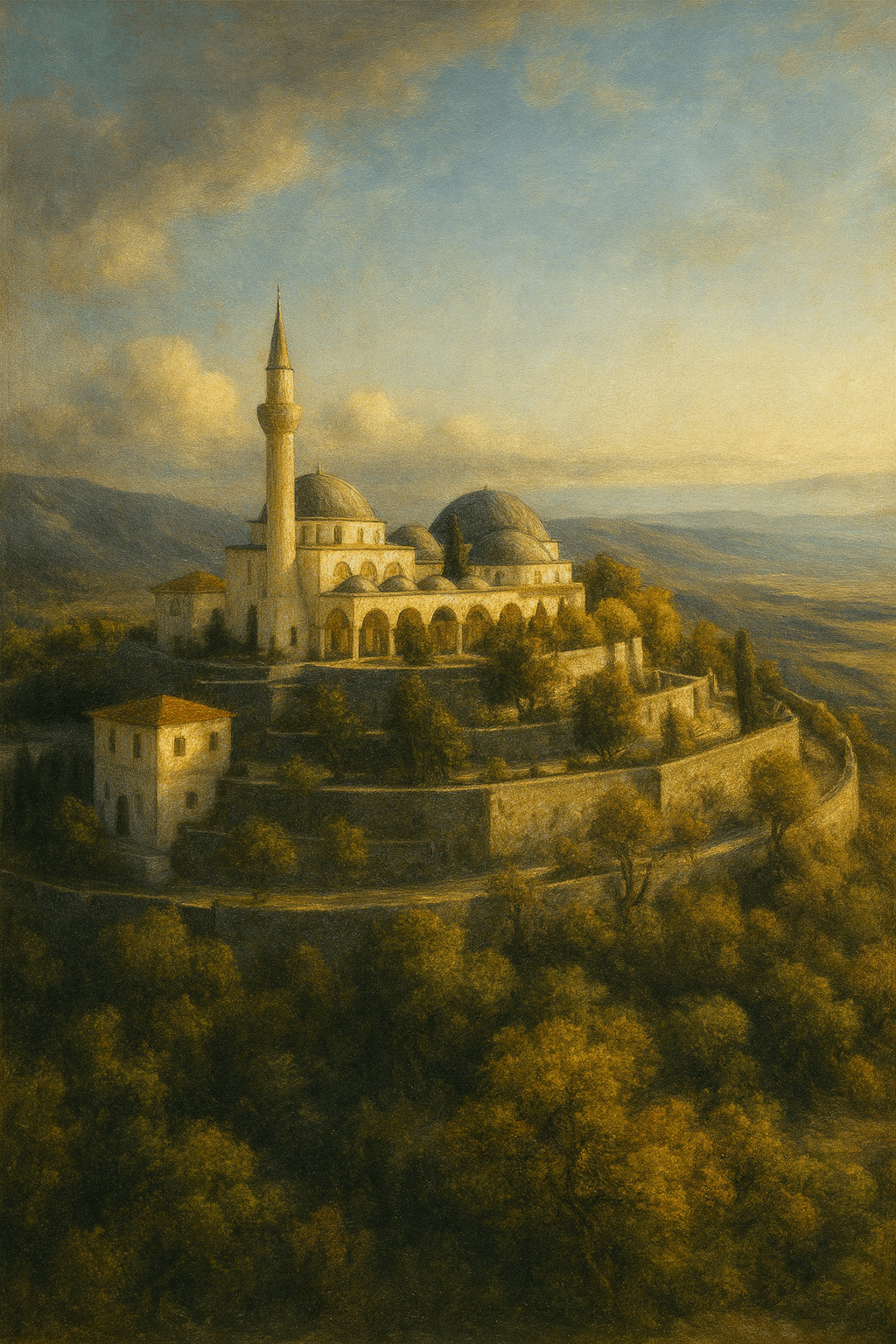
Rising at the summit of a hill covered with greenery between Gaziantep and Kahramanmaraş, the Ökkeşiye Hazretleri Türbesi is a site of significant historical and religious importance. The individual believed to be buried here, Ökkeşiye Hazretleri (also known as Hz. Ukkaşe), is recognized as one of the companions of our Prophet. According to tradition, he was one of five individuals martyred during the Muslim conquest of Gaziantep. The hill on which the tomb stands is known locally as “Ökkeşiye”.
EN
Hikmet Can Urhan
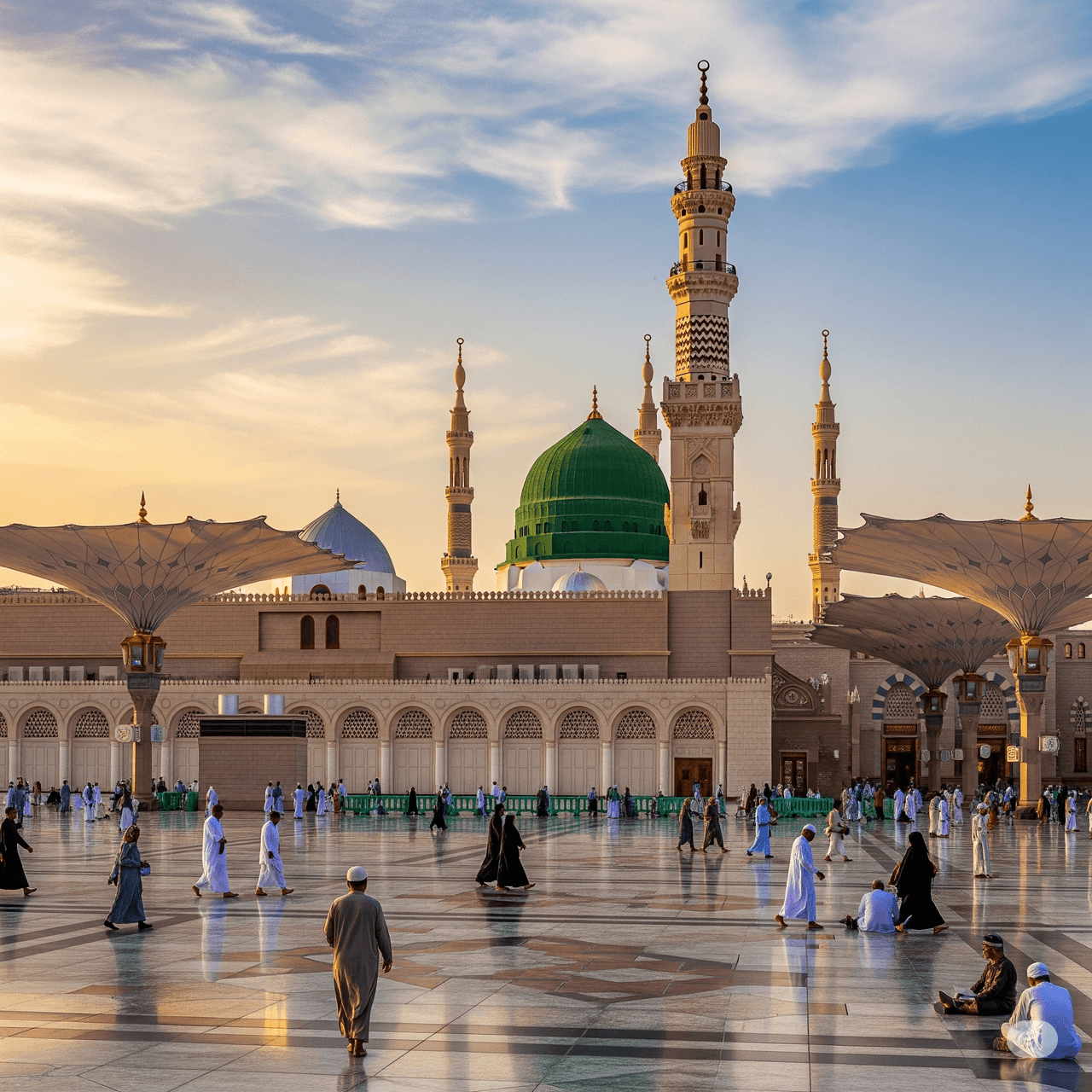
Mescid-i Nebevi
The Prophet’s Mosque is one of the first major structures built by the Prophet Muhammad after his migration to Medina. It served both as a place of worship and as a center where Muslims gathered, united, and received instruction. The mosque was constructed in Rabi’ al-Awwal 622 on land acquired from two orphans named Sehl and Süheyl, under the direct supervision of the Prophet Muhammad. The original structure featured a stone foundation, a single row of sun-dried brick walls, and an open roof, c
EN
Miray GÜR
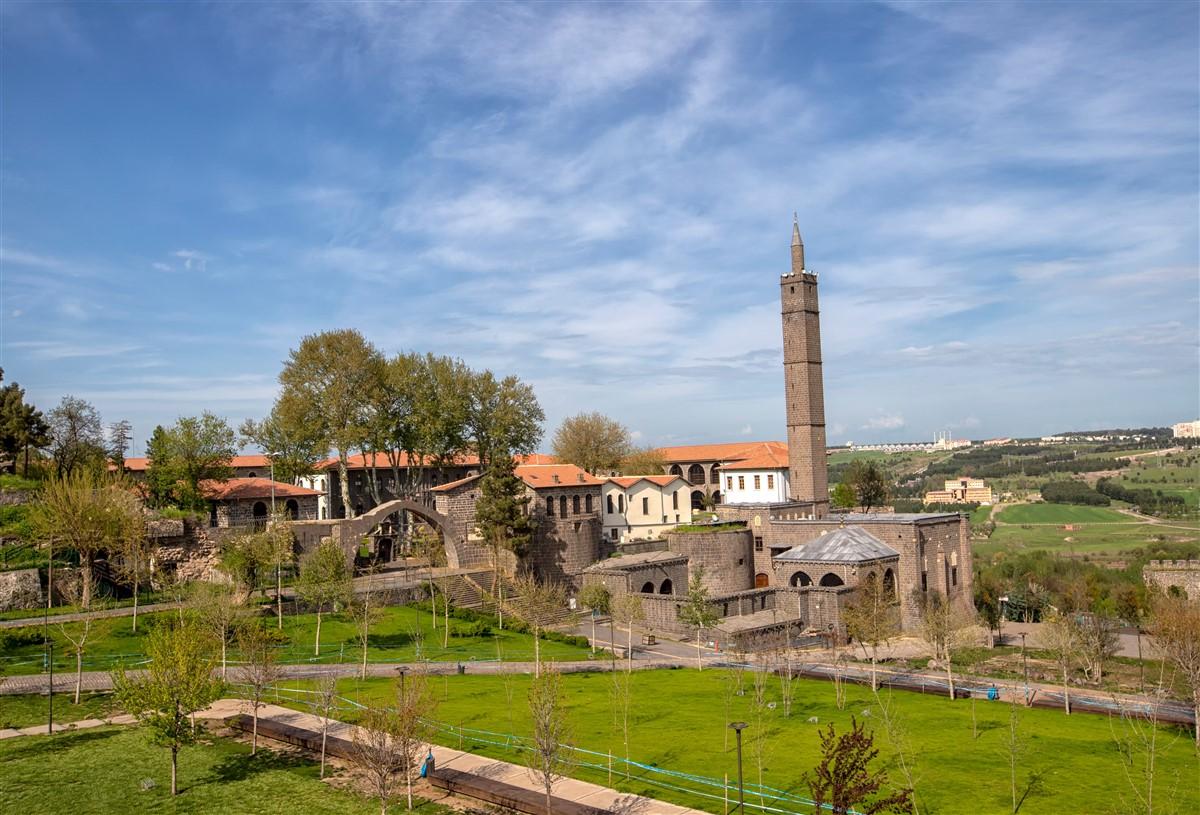
Süleymaniye Camii
Hz. Süleyman Camii; Nasiriyye Camii, Meşhed Camii, Murtaza Paşa Camii and Kale Camii gibi are known by various names and are among Diyarbakır’s most significant historical and religious structures. According to inscriptions on its minaret, the mosque was built between 1155 and 1160 during the Nisanoğulları period by Nisanoğlu Kemaleddin Ebu’l Kasım Ali, who held the title Cemalüddevle. Based on its architectural features, the architect is believed to have been Hibetullah el-Gürgani. Although the
EN
Mehmet Tahir Özbey