

`islamic-art` Related Article Results
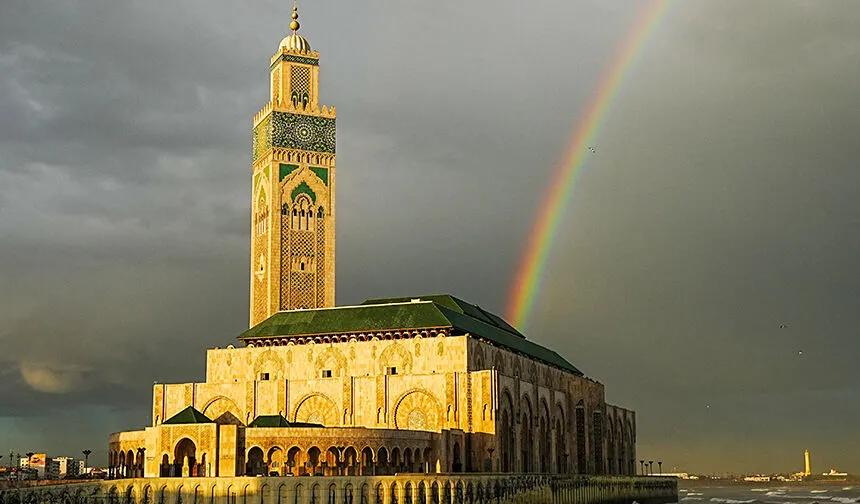
II. Hasan Camii
Fas’s Hassan II Mosque, located on the coast of the Atlantic Ocean in Casablanca, is one of the largest religious structures in the Islamic world and the world. The building, which blends traditional Maghrebi architecture with modern engineering technologies, was completed in 1993 and opened for worship.【1】 Built on the sea as a reference to King Hassan II’s belief that “God’s throne is upon the waters,” the mosque was designed to allow worshippers to observe the ocean and sky during prayer.【2】
EN
Emirhan Polat
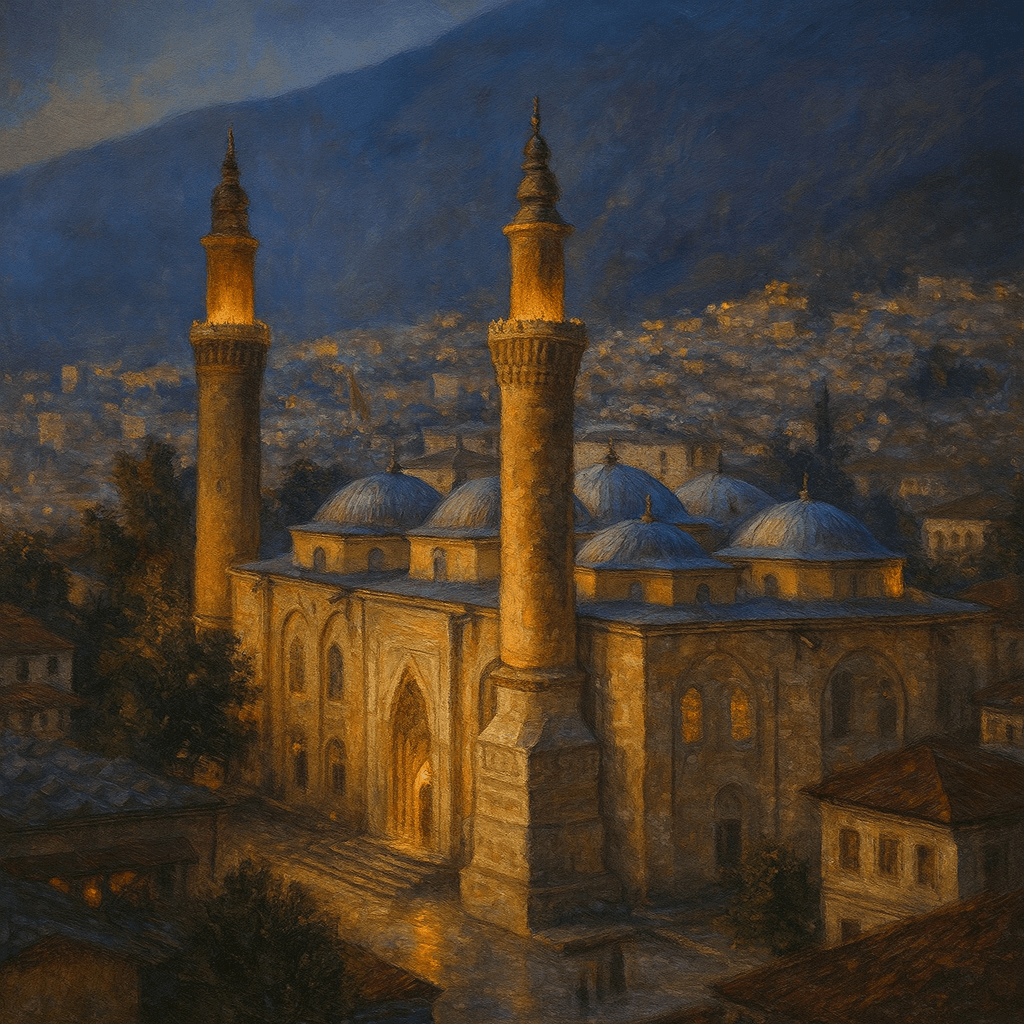
Bursa Ulu Camii
Bursa Ulu Cami is a mosque notable for its size and architecture, constructed during the early Ottoman period. Built by Yıldırım Bayezid between 1396 and 1400, it is known as the "father of Ottoman mosques." Its fountain, pulpit, and monumental calligraphy make it an important work both historically and artistically. (Generated by Artificial Intelligence) " image-element-format="justify" image-source="https://cdn.t3pedia.org/media/uploads/2025/08/16/8RYyahgZdfdD3WTg3GVucrFTkknRtO6v.png"> Wher
EN
Hikmet Can Urhan
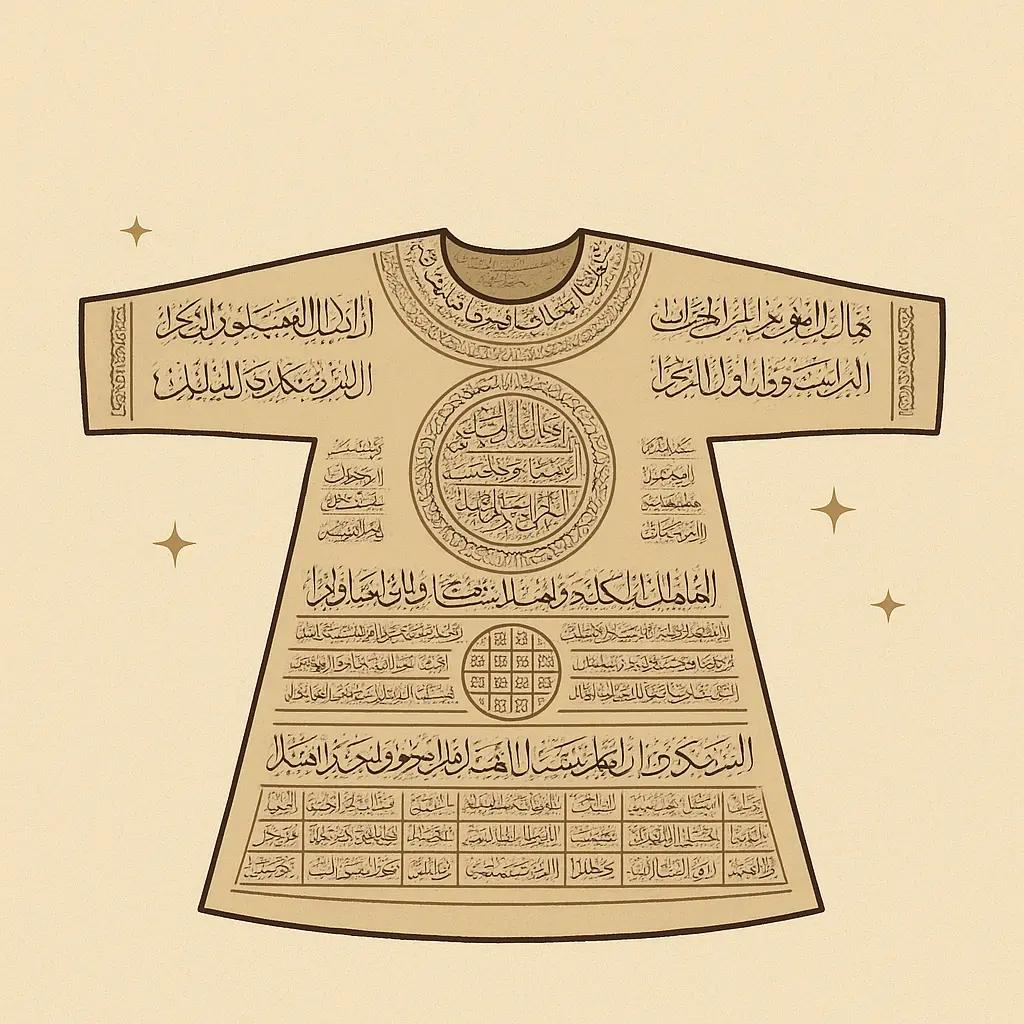
Talismanic Shirt
The talismanic shirt is a special type of garment, particularly worn during the Ottoman period by sultans, members of the royal family, and high-ranking state officials. It was believed to hold religious, symbolic, and protective meanings. These shirts were inscribed with verses from the Qur’an, prayers, vefk (geometric talismanic symbols), and symbolic motifs. They were thought to be imbued with talismans that protected the wearer from unseen evils, dangers in battle, or illnesses. Historical B
EN
Sümeyye Akkanat Terzioğlu
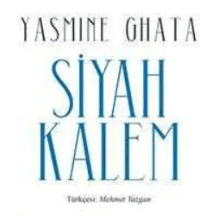
Black Pen (Book)
"Black Pen" is a novel written by French author Yasmine Ghata, which follows the traces of a mysterious painter from Central Asia in the late 15th century, blending historical and artistic elements. The novel reinterprets the drawings of this artist, who adopts a style distinct from the traditional Islamic art heritage, within a historical context, and explores themes such as art, mystery, ritual, and oblivion. Based on the miniature works preserved in the Topkapı Palace, the novel presents a fi
EN
Elyesa Köseoğlu
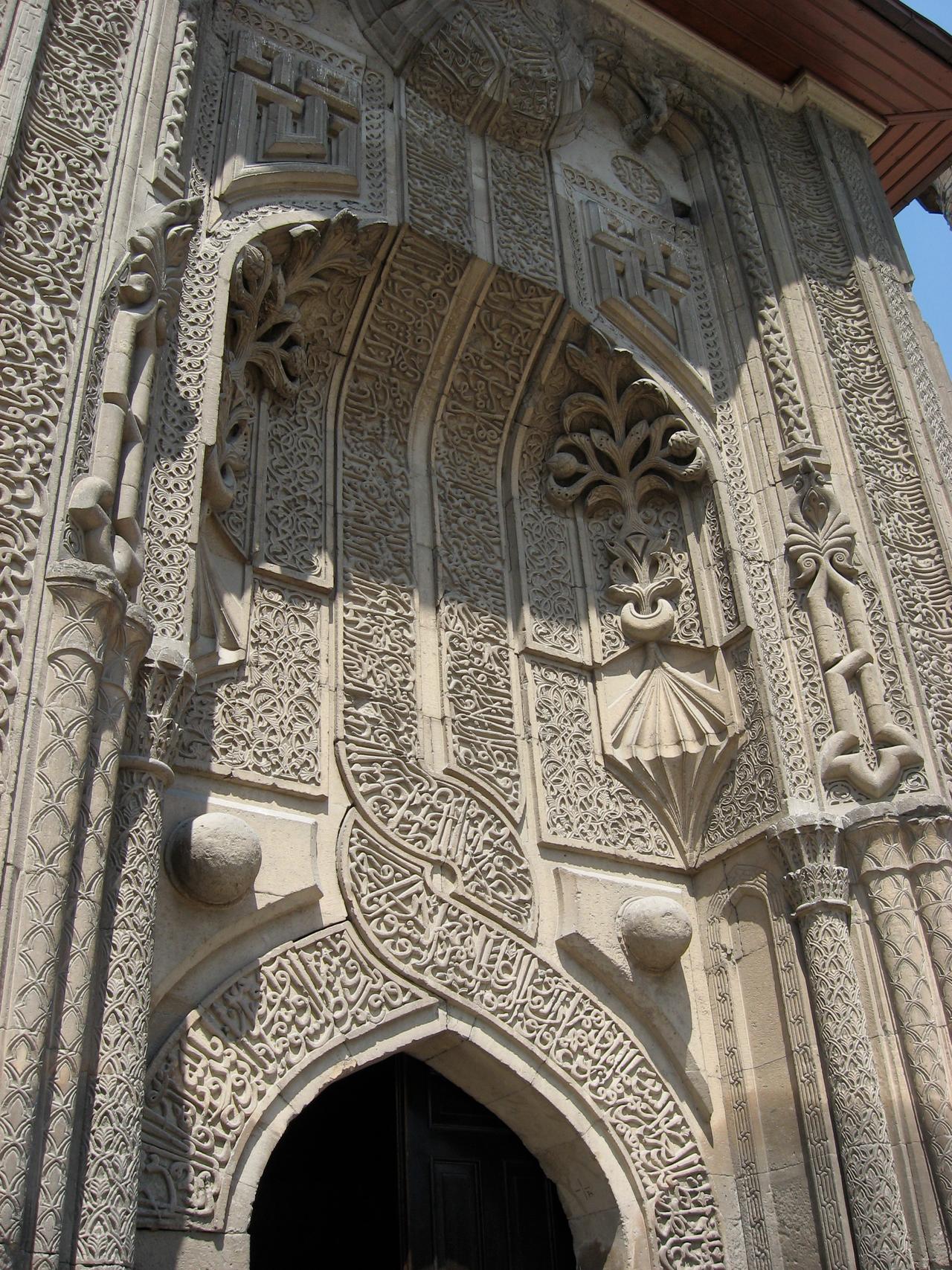
Anatolian Seljuk Architecture
Anatolian Seljuk architecture is an original architectural style that emerged between the 11th and 13th centuries, particularly following the Turkish settlement in Anatolia after the 1071 Battle of Manzikert. It is based on a synthesis of Islamic and local elements. This architecture does not merely involve the construction of functional buildings but also incorporates a symbolic and cosmological narrative rich in layered meanings. Seljuk structures developed a shared aesthetic language across r
EN
Esra Özkafa
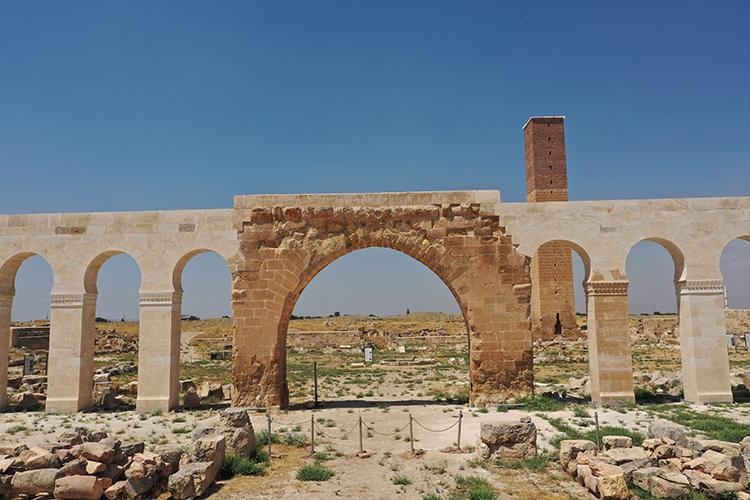
Harran Ulu Camii
Harran Ulu Camii is a place of worship located on the northeast slope of Harran Höyüğü in the Harran district of Şanlıurfa province, recognized as one of the earliest monumental examples of Islamic architecture in Anatolia. The structure was commissioned by the Umayyad Caliph Al-Walid II during the years 744–750 CE. Following Harran’s incorporation into Islamic rule, its brief period as the capital of the Umayyad state directly influenced the mosque’s scale, layout, and architectural character.
EN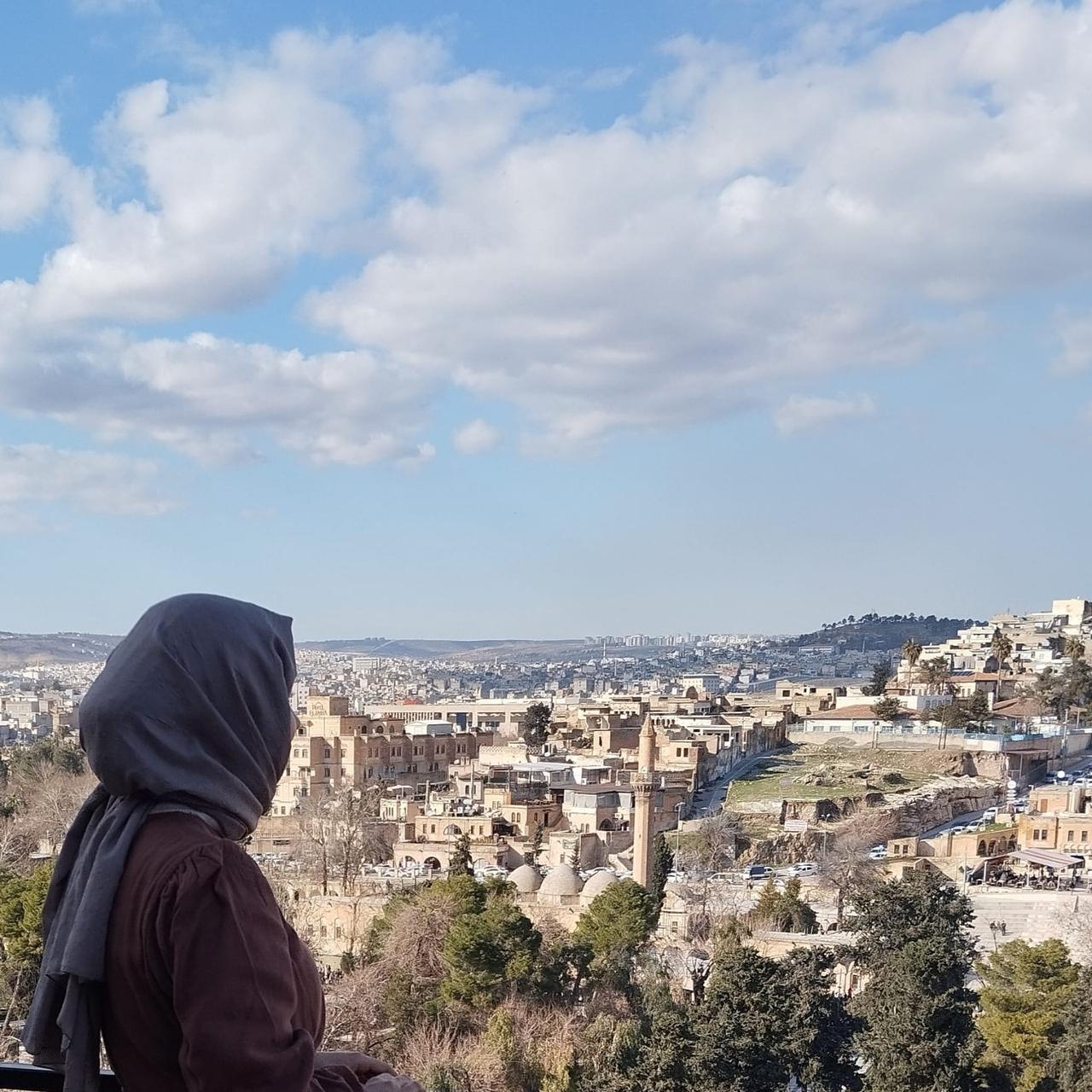
Sevgi Kıraç
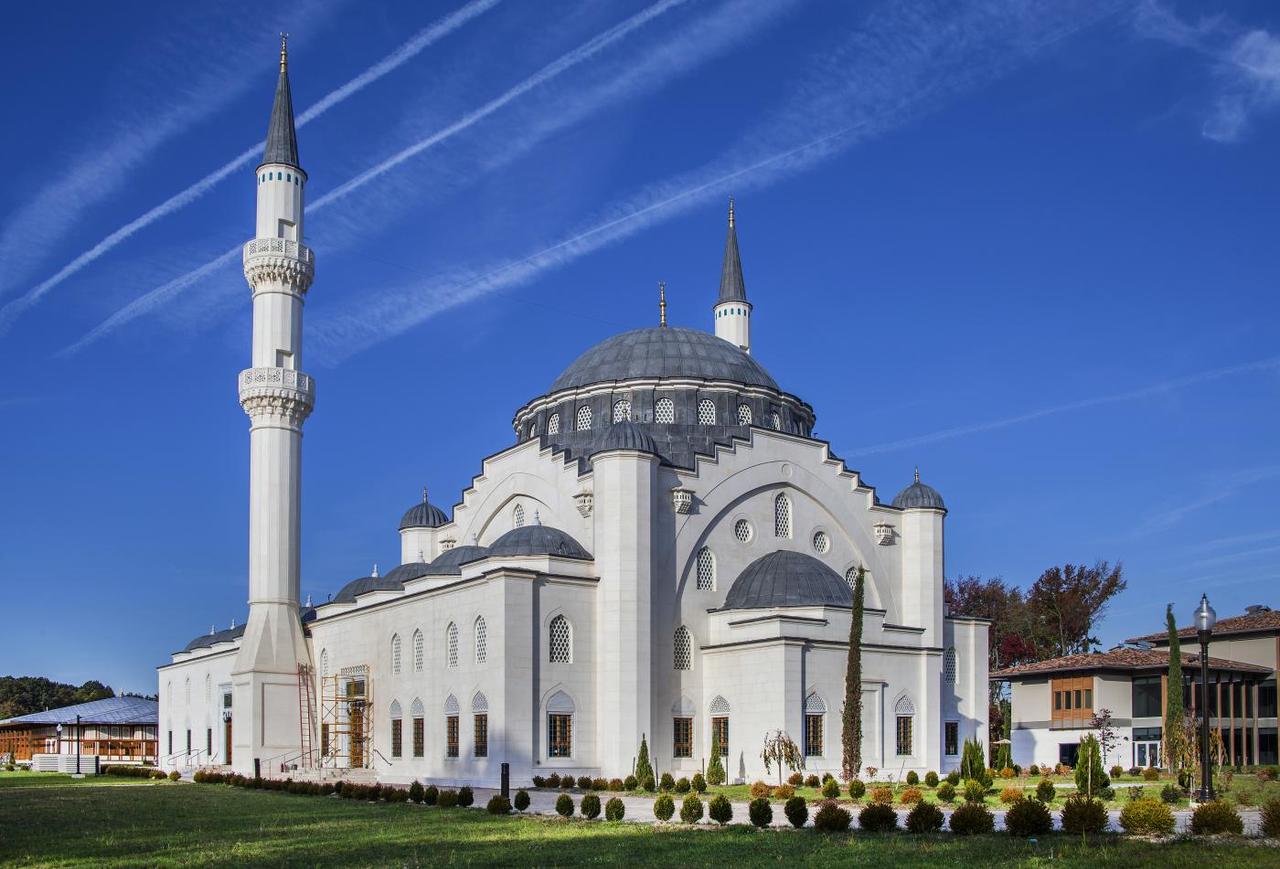
American Center for Religious Affairs
The Diyanet Center of America (DCA) is a religious, cultural, social and scientific center located in Lanham, Maryland, United States, reflecting Turkish-Islamic civilization and the Ottoman külliye tradition. On the Opening of the Diyanet Center of America (DiyanetTV) " youtube-video-element-format="right" youtube-video-id="KUTgCaZliYw"> History The foundation of the center was laid in 1993 when Dr. Abdülbaki Keskin, then Advisor for Religious and Social Services at the Turkish Embassy in Wa
EN
Nurten Yalçın
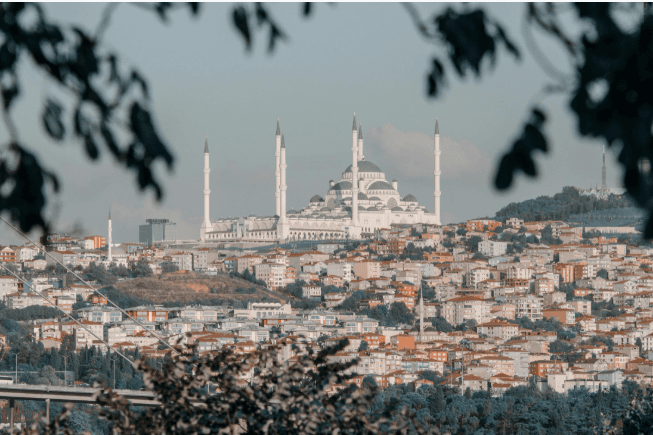
Çamlıca Mosque
The Grand Çamlıca Mosque, located on Çamlıca Hill in the Üsküdar district of Istanbul, is a place of worship and holds the distinction of being the largest mosque in Turkey. Its architecture blends traditional Ottoman and Seljuk styles with modern lines, making it a prominent feature of Istanbul's skyline. The mosque was officially opened on May 3, 2019, with the participation of President Recep Tayyip Erdoğan. The foundation of the mosque was laid on August 7, 2013, on Çamlıca Hill, and after a
EN
Sümeyra Uzun