

`ishak-pasa-sarayi` Related Article Results
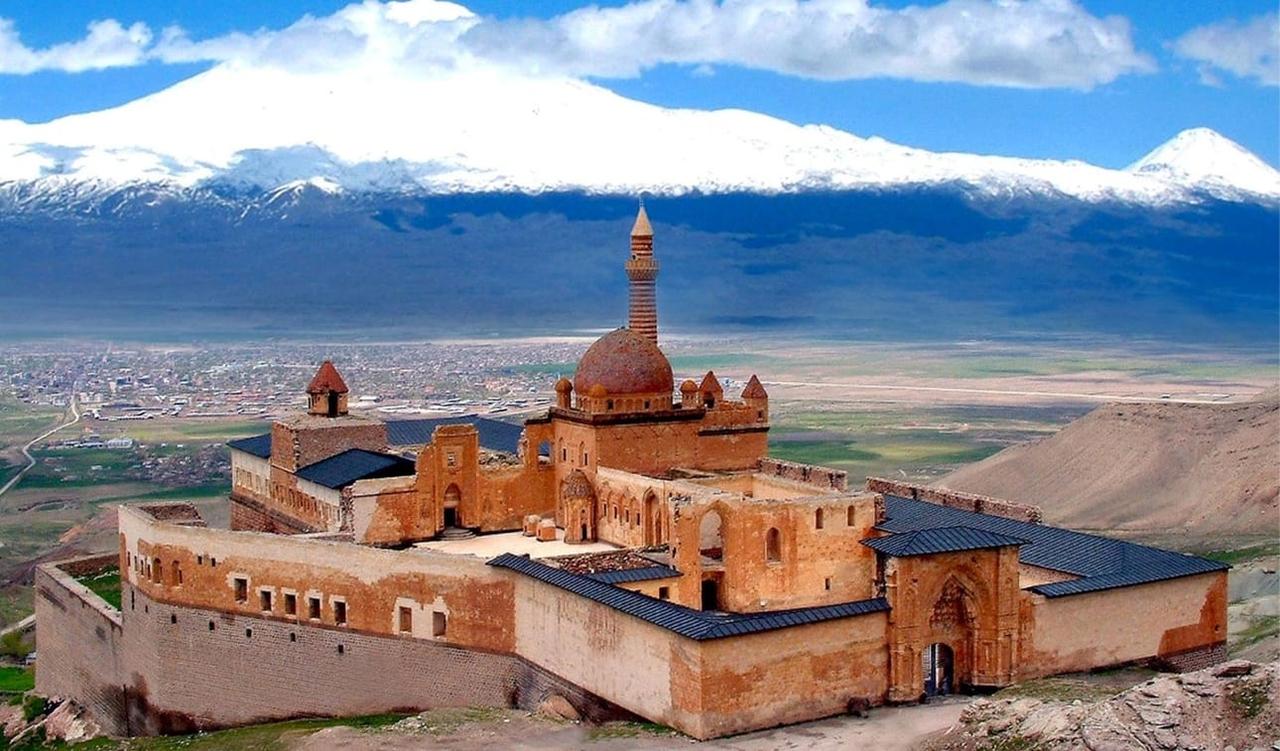
İshak Paşa Sarayı
İshak Pasha Palace is a historical structure located on a hill overlooking Eski Beyazıt and its surroundings in the Doğubayazıt district of Ağrı province. place One of the architectural works of the Ottoman Empire, palace was begun in 1685 by Çolak Abdi Pasha of the Çıldır Atabeks and completed in 1784 by his son Small İshak Pasha. The palace possesses a rich historical heritage and an impressive architectural design. Architectural Features İshak Pasha Palace is a structure that incorporates cha
EN
Fatma Bozyel
İshak Paşa Sarayı
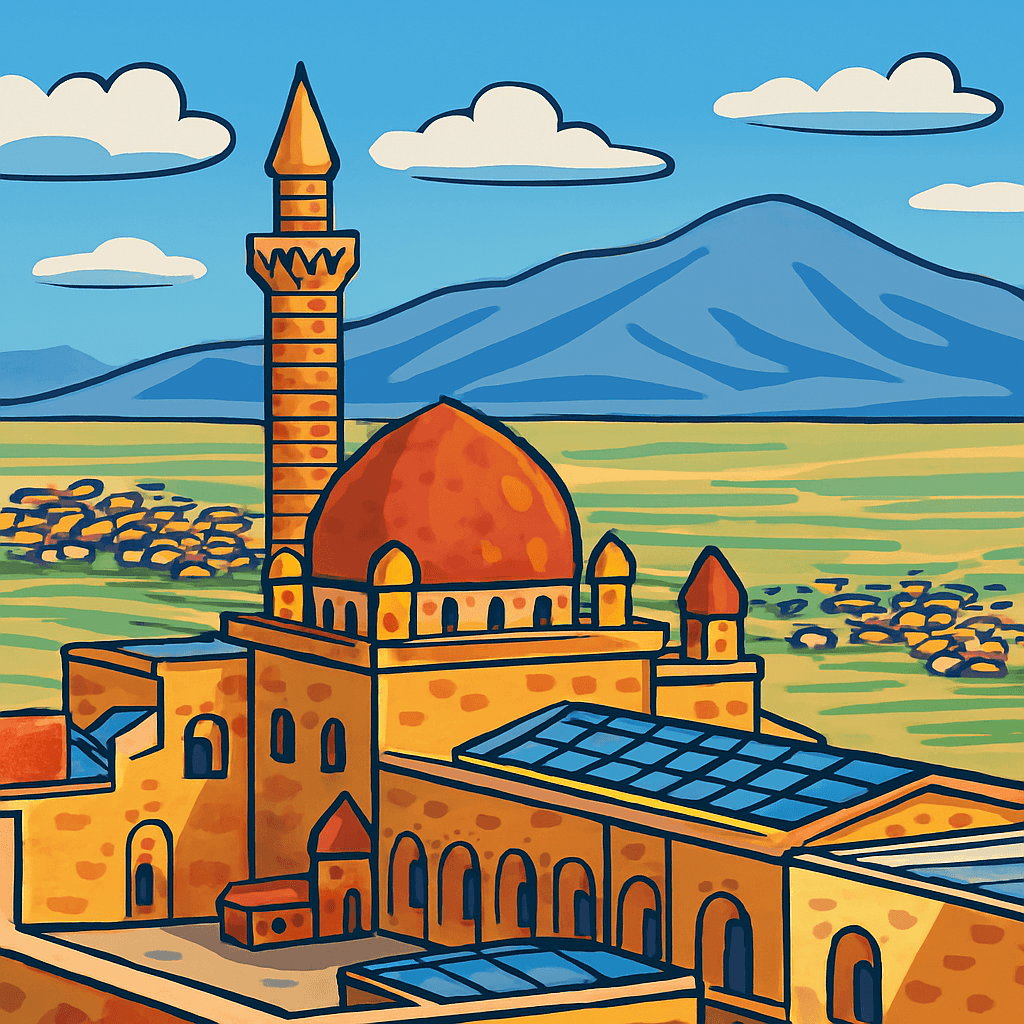
Ağrı’nın Doğubayazıt ilçesinde, yüksek bir tepede duran çok özel bir yer: İshak Paşa Sarayı! Bu saray, hem çok güzel hem de çok eski bir yapı. Osmanlı zamanında inşa edilmiş ve içinde birçok hikâye saklıyor. Haydi, bu sarayı birlikte keşfedelim! Saray Nerede ve Ne Zaman Yapıldı? İshak Paşa Sarayı, Ağrı’nın Doğubayazıt ilçesinde, dağın tepesinde yer alıyor. Burası, İran sınırına çok yakın bir yer. Sarayın yapımı 1685’te başlamış ve 1784’te, yani yaklaşık 100 yılda tamamlanmış. Bu muhteşem yapıyı,
TR
Elif Laçin
 Ha
HaHamur Kümbeti
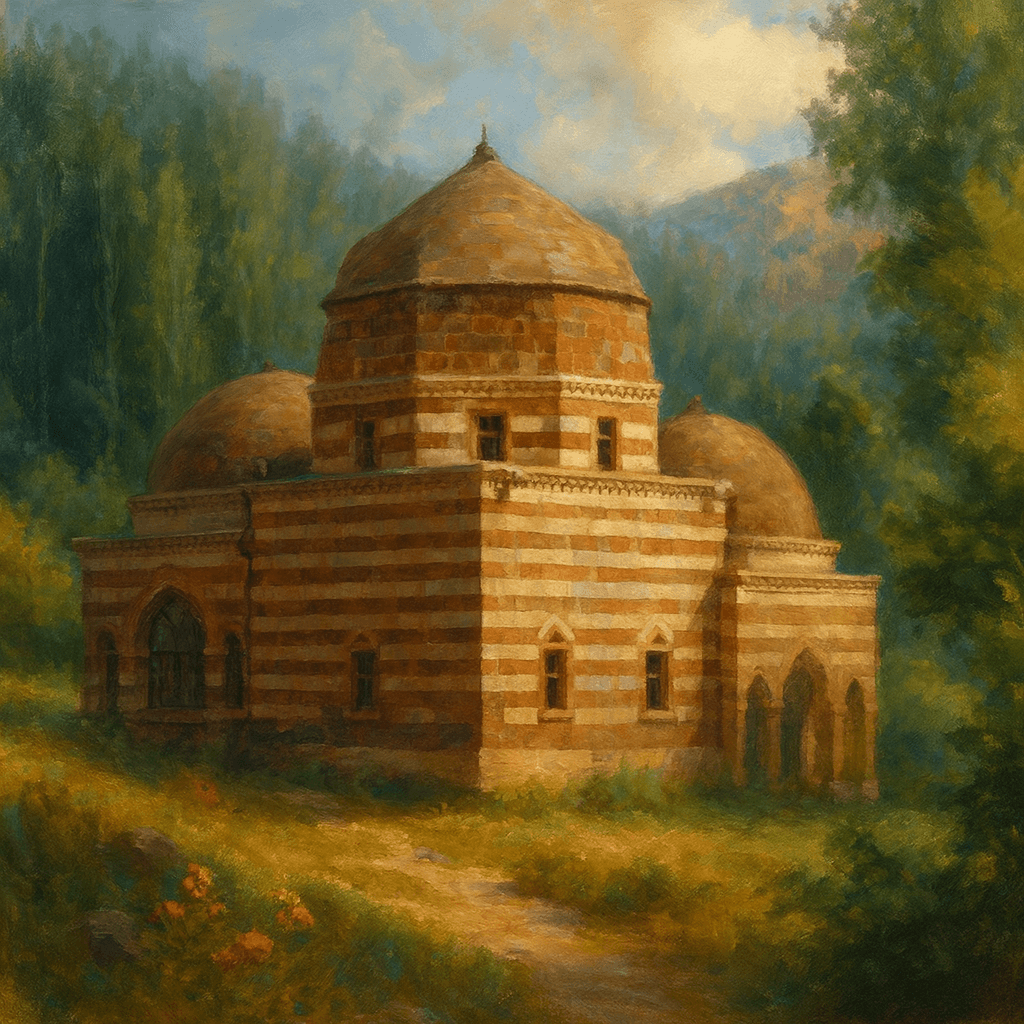
Hamur Kümbeti is a historical structure located in the Hamur district of Ağrı Province, Türkiye, and is one of the original examples of Ottoman tomb architecture. It stands in the center of an old cemetery on a high elevation in the northeastern part of the district center. Although it is not definitively known who commissioned the structure or when it was built, according to local tradition recounted by Abdullah Aziz Kaya of a prominent regional family, it was erected by Mir İbrahim Paşa, a gra
ENFatma Bozyel
HaHamur Kümbeti
Hamur Kümbeti is a historical structure located in the Hamur district of Ağrı province in Türkiye, and is one of the original examples of Ottoman tomb architecture. It is situated in the center of an old cemetery on a high elevation to the northeast of the district center. Although it is not definitively known who commissioned the structure or when it was built, according to oral tradition passed down by Abdullah Aziz Kaya of a prominent local family, it was constructed by Mir İbrahim Paşa, a de
ENFatma Bozyel
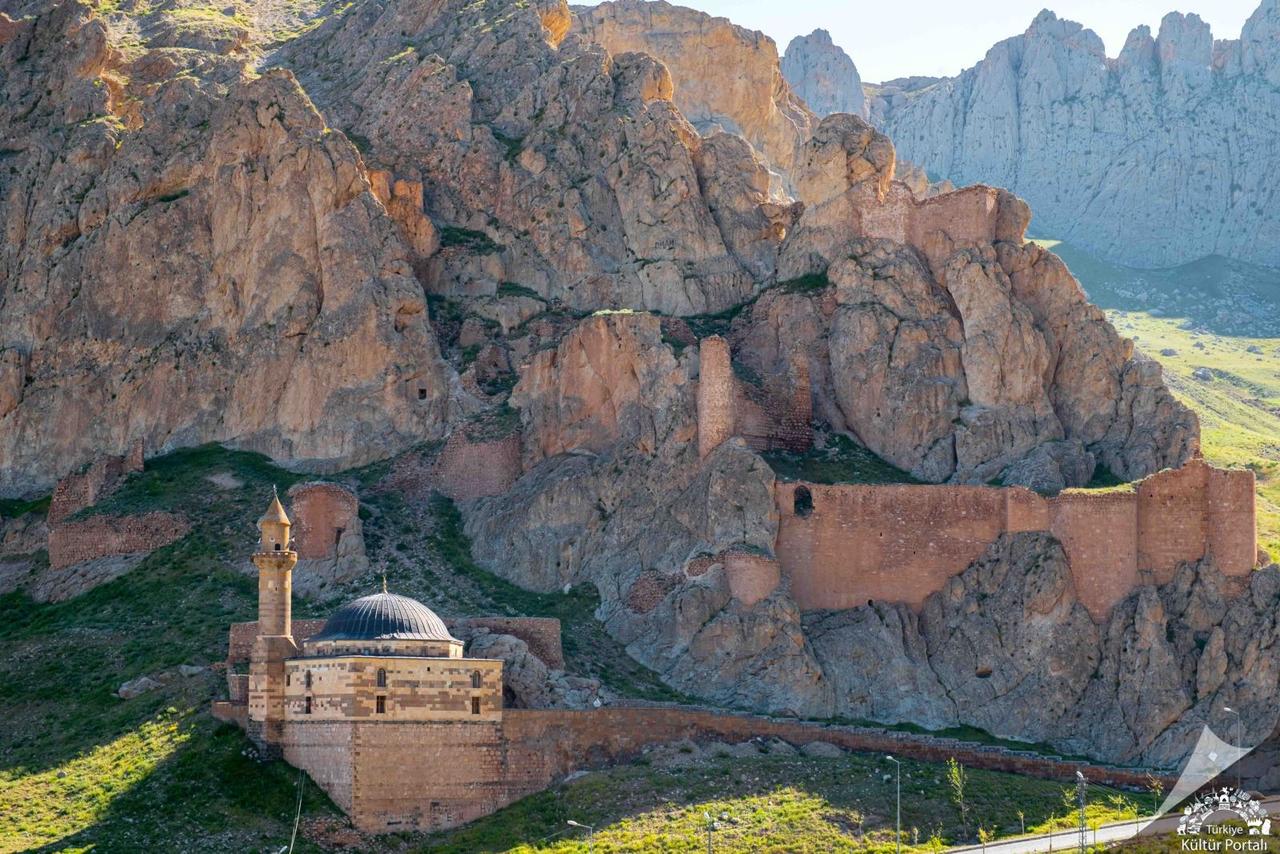
Old Beyazıt Mosque
Old Beyazıt Mosque is one of the significant religious architectural examples from the Ottoman period, located in the Doğubayazıt district of Ağrı Province along the historic Silk Road route. Constructed in the early 16th century, during the period when Ottoman authority began to consolidate in eastern Anatolia, the structure bears traces of historical continuity both in its architectural character and its location. Considered one of the first stone mosques built by the Ottomans in the east, the
EN
Mesut Akbaba
Eski Beyazıt Camii
Eski Beyazıt Camii, Ağrı ilinin Doğubayazıt ilçesinde, tarihi İpek Yolu güzergahı üzerinde yer alan ve Osmanlı dönemine ait önemli dini mimari örneklerinden biridir. Anadolu’nun doğusunda Osmanlı hâkimiyetinin kalıcılaşmaya başladığı 16. yüzyıl başlarında inşa edilen yapı, hem mimari karakteri hem de bulunduğu konum itibarıyla tarihsel sürekliliğin izlerini taşır. Osmanlı’nın doğudaki ilk taş camilerinden biri olarak değerlendirilen cami, uzun yıllar hem ibadet merkezi hem de sosyal yaşam alanı
TRMesut Akbaba
HaHamur Kümbeti
Hamur Kümbeti, Türkiye'nin Ağrı ilinin Hamur ilçesinde yer alan, Osmanlı türbe mimarisinin özgün örneklerinden biri olan tarihi bir yapıdır. İlçe merkezinin kuzeydoğusunda, yüksek bir konumda bulunan eski mezarlığın ortasında yer alır. Kümbetin kim tarafından ve ne zaman yapıldığı kesin olarak bilinmemekle birlikte, bölgenin köklü ailelerinden Abdullah Aziz Kaya’nın aktardığına göre, Bayezid’deki İshak Paşa Sarayı’nın banisi olan II. İshak Paşa’nın torunlarından Mir İbrahim Paşa tarafından ölen
TRFatma Bozyel
İshak Paşa Sarayı
In the Doğubayazıt district of Ağrı, perched on a high hill, lies a truly special place: İshak Paşa Sarayı! This palace is both incredibly beautiful and extremely old. Built during the Ottoman era, it holds many stories within its walls. Let us explore this palace together! Where and When Was the Palace Built? İshak Paşa Sarayı is located on a mountain peak in the Doğubayazıt district of Ağrı, very close to the Iranian border. Construction began in 1685 and was completed in 1784, taking approxim
ENElif Laçin

Ağrı
About the City Ağrı is located in eastern Türkiye, near the border with Iran. It derives its name from Ağrı Dağı, Türkiye’s highest mountain. Standing at 5,137 meters, Ağrı Dağı is one of the highest points not only in Türkiye but also in Europe and the Middle East. The mountain is of volcanic origin and is also associated with the legend of Noah’s Ark. Throughout history, Ağrı and its surroundings have been home to many civilizations. The Urartians, Persians, Romans, Byzantines, Seljuks, and Ot
EN
Zozan Demirci
Tomb of Ahmed-i Hânî
Ahmed-i Hânî was a prominent Islamic scholar, Sufi thinker, and poet who lived in the 17th century. He was born in 1651. He traveled to many cities in Eastern Anatolia and studied Arabic and religious sciences. He also engaged in astronomy and composed poems and works. His most famous work is the mesnevi titled Mem û Zîn. While this work narrates the love story of two young people, it also explores the concept of divine love. Ahmed-i Hânî died in 1707 in Doğubayazıt. (Generated by Artificial Int
EN
Hikmet Can Urhan