

`inventor` Related Article Results
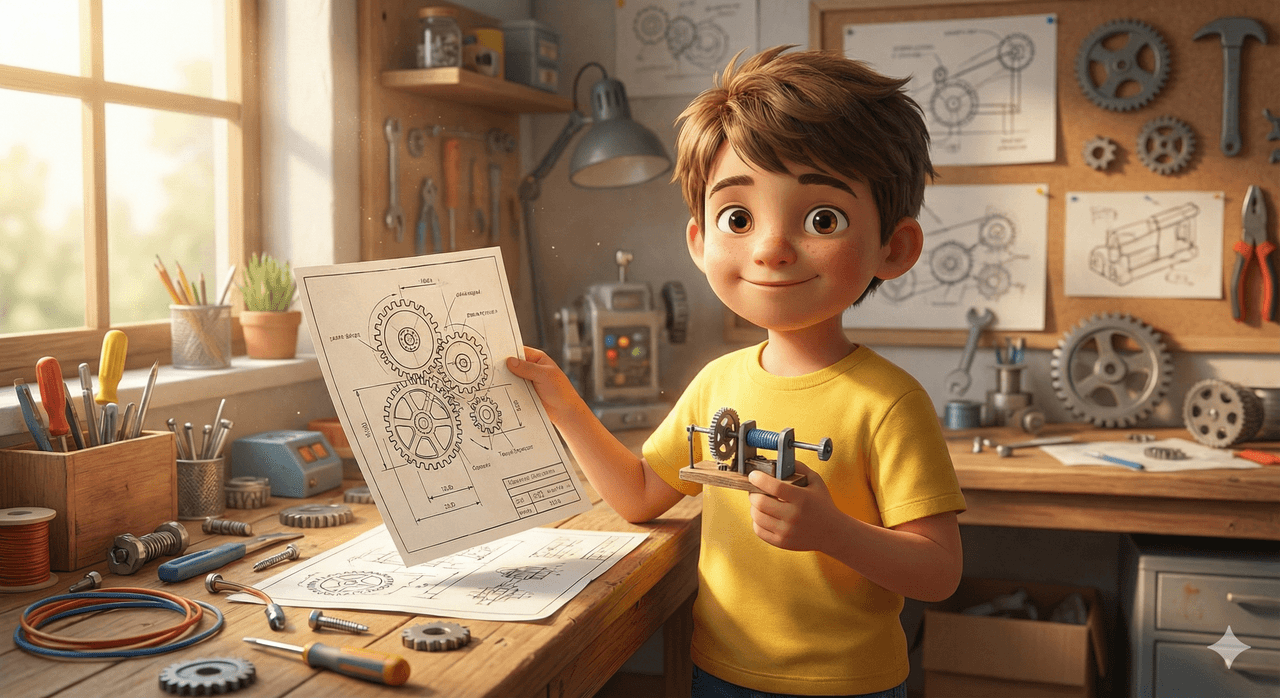
World Child Inventors Day
World Children Inventors Day is an international observance celebrated annually on 17 January. This day aims to support children’s creativity, problem-solving skills and ability to generate new ideas. The primary goal of its celebration is to recall the child inventors of history and to encourage today’s children to engage in science, technology, engineering and mathematics. This image was generated by Artificial Intelligence. " image-alternate="" image-element-format="right"> History and Ori
EN
Miray GÜR
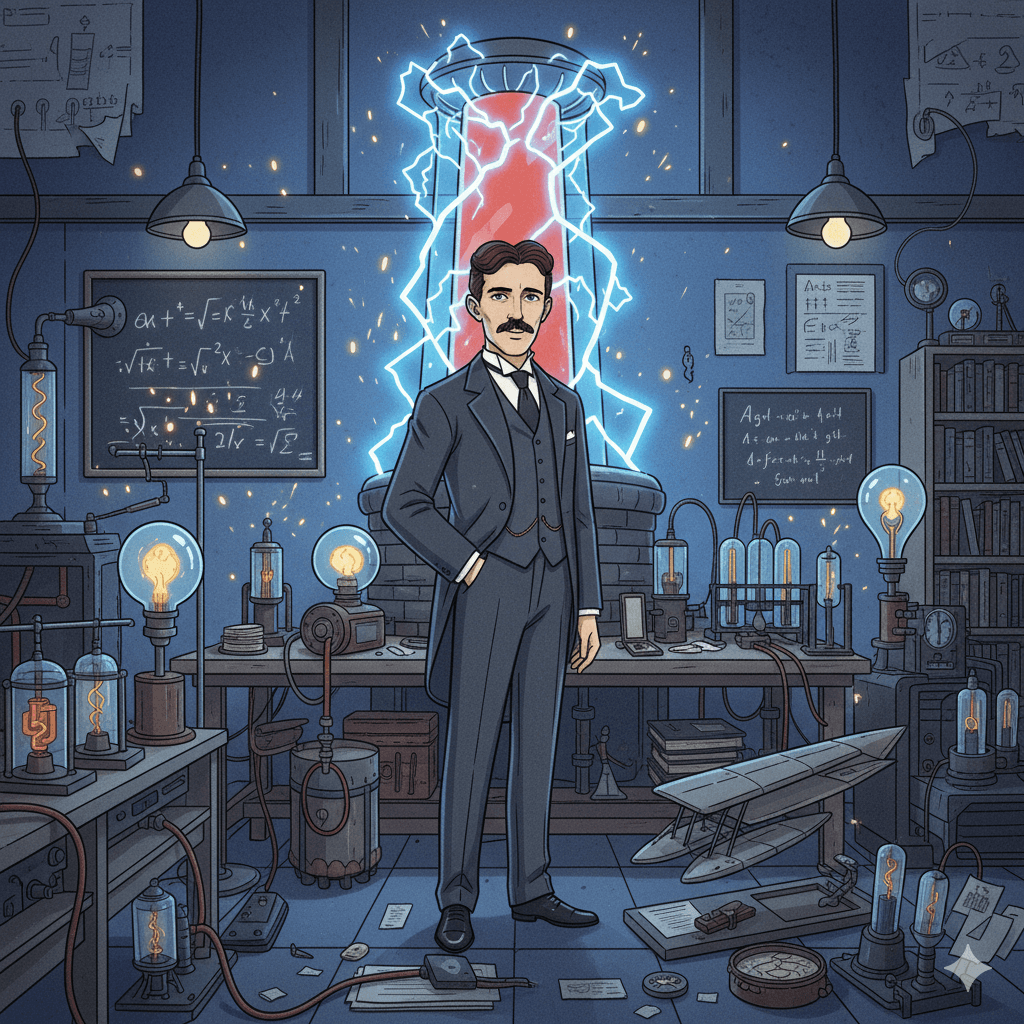
Nikola Tesla
Birth and Family Nikola Tesla was born on 10 July 1856 in Smiljan, in present-day Croatia. His father, Milutin Tesla, was a clergyman, and his mother, Djuka, made her own tools to simplify household chores. Tesla began inventing and repairing devices at a young age. Education Tesla began primary school in Gospić and completed his secondary education in Karlovac. He pursued higher education in electrical and mechanical engineering at Graz and Prague. Work and Edison After working on electrical sy
EN
Miray GÜR
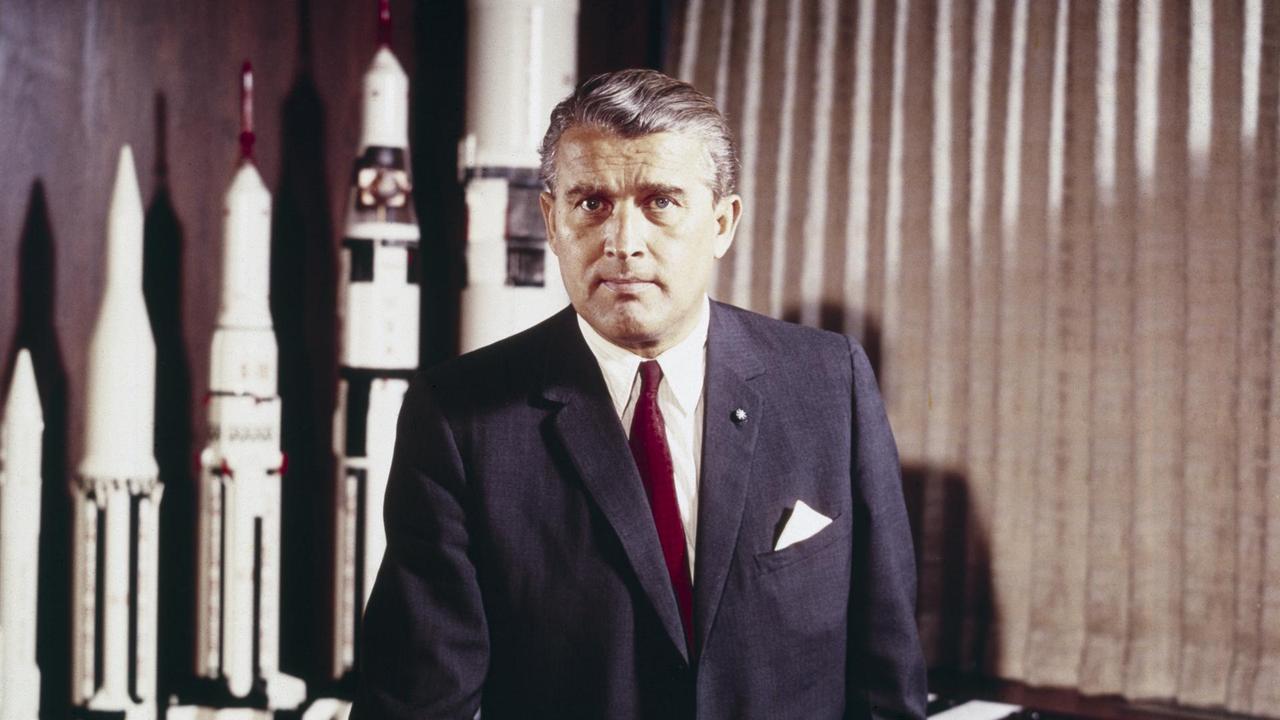
Wernher Magnus Maximilian Freiherr von Braun
Wernher Magnus Maximilian Freiherr von Braun 23 March 1912, in the Prussian region of Germany, was born into an aristocratic family. His father, Baron Magnus von Braun, and his mother, descended from King Valdemar I of Denmark. In childhood, he began showing an interest in science, particularly space; he developed an interest in astronomy by observing stars through a telescope given to him by his mother. The young Wernher read works by science fiction authors such as Jules Verne and H.G. Wells a
EN
Zekeriya Aktaş
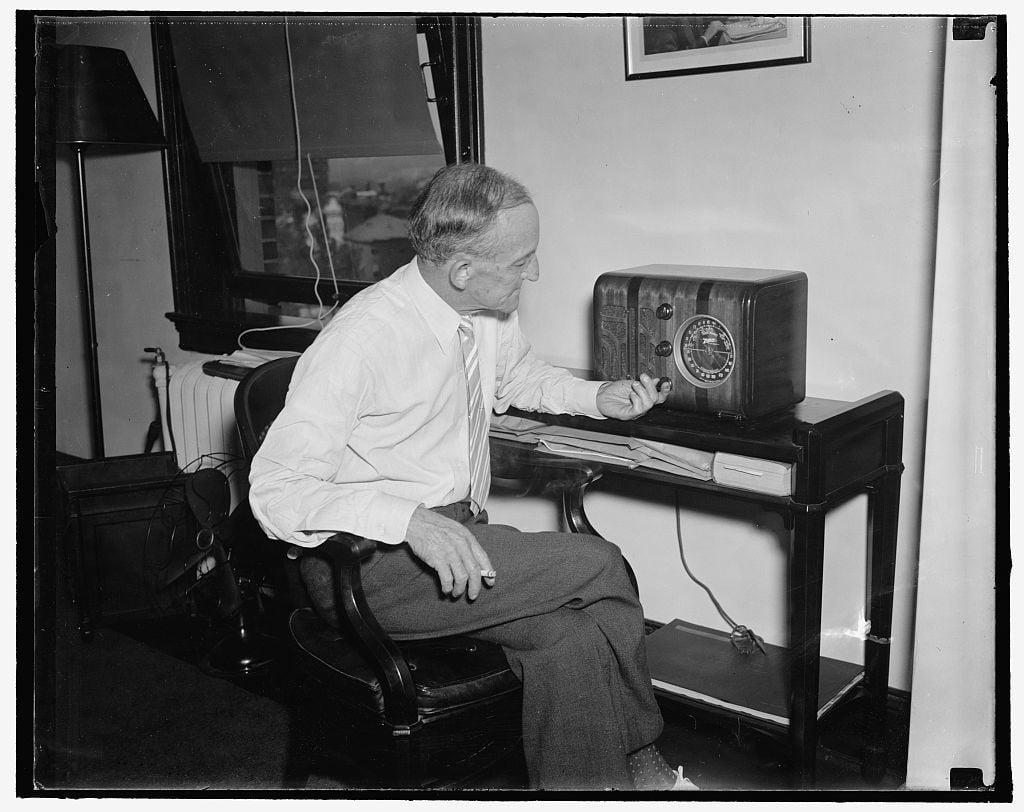
John Logie Baird
John Logie Baird (14 August 1888 – 14 June 1946) was a Scottish inventor, engineer and businessman. He is best known for inventing the first working television system and for his pioneering work in the field, earning him the titles "Father of Television" or "Pioneer of Television". Baird is regarded as one of the inventors of mechanical television. Early Life and Education John Logie Baird’s inclination toward invention began during his childhood and youth in Helensburgh, a town on the west coas
EN
Nursena Şahin
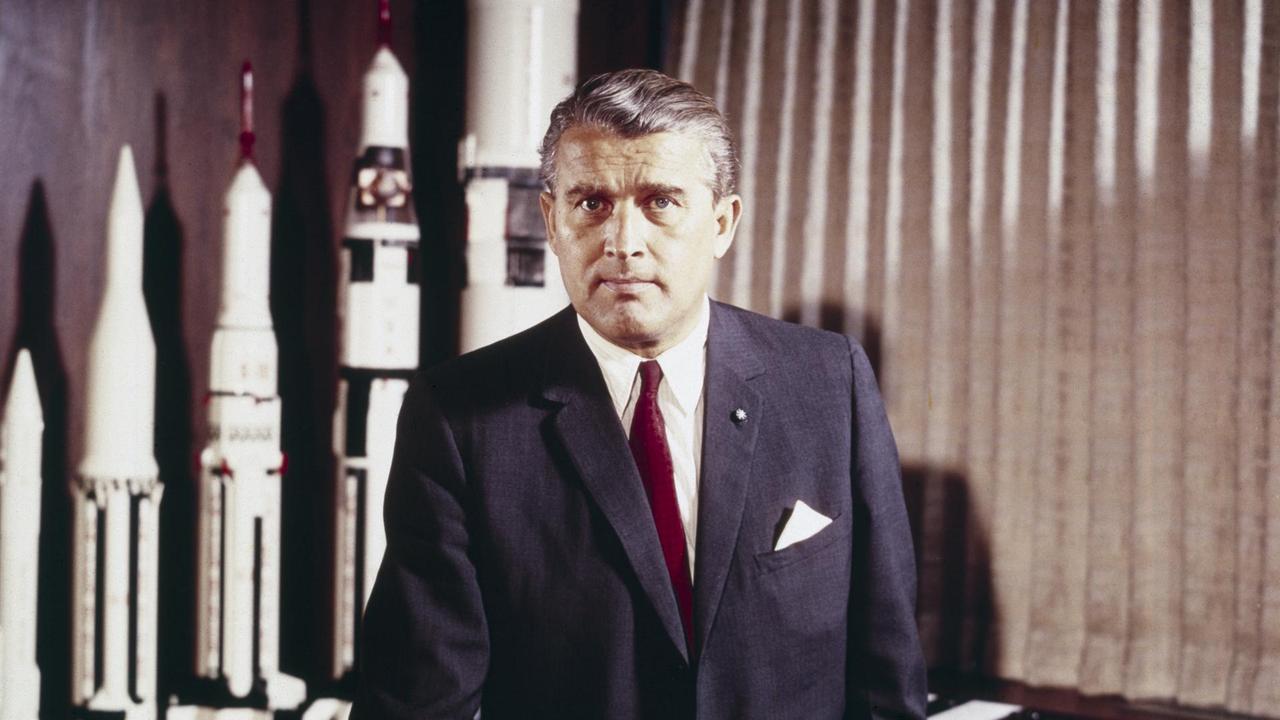
Wernher Magnus Maximilian Freiherr von Braun
Wernher von Braun, as one of the 20th century’s most controversial and influential engineering figures, built a career that began with ballistic missile technologies developed in Nazi Germany and extended to the United States’ human mission to the Moon. He left behind a complex legacy shaped by the tension between his technical genius and his ethical responsibilities. ### Childhood Wernher Magnus Maximilian Freiherr von Braun was born on 23 March 1912 in the Prussian region of Germany into an ar
ENZekeriya Aktaş
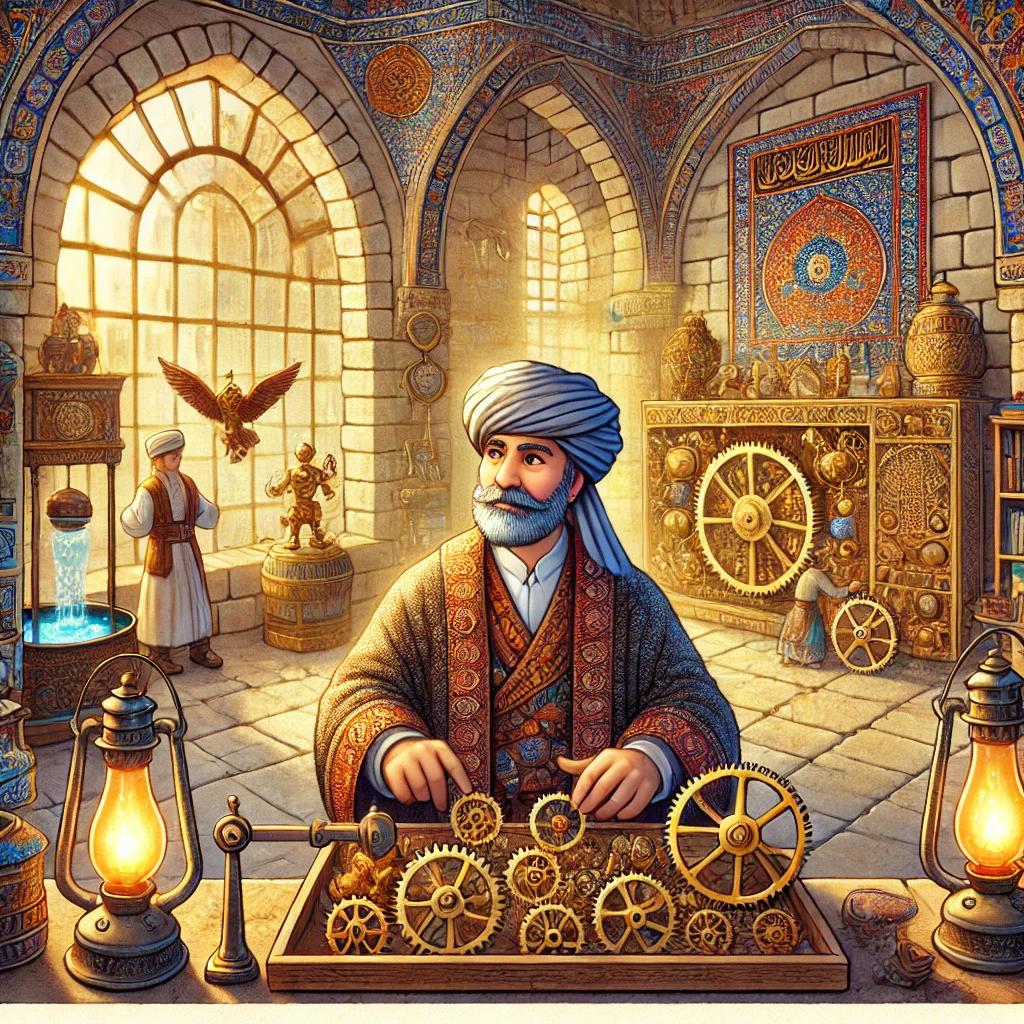
Who is Cezerî?
Al-Jazari, whose full name is “Abu al-Izz Isma‘il ibn al-Razzaz al-Jazari,” lived in the 12th century and is considered one of the greatest engineers and inventors of the Islamic world. He was born around 1136 near present-day Diyarbakır and served for many years under the Artuqid dynasty. He is remembered for achieving numerous firsts in the history of mechanical devices and automation. The epithet “al-Jazari” refers to his birthplace, Cizre (known at the time as al-Jazira). Today, he is regard
EN
Zozan Demirci
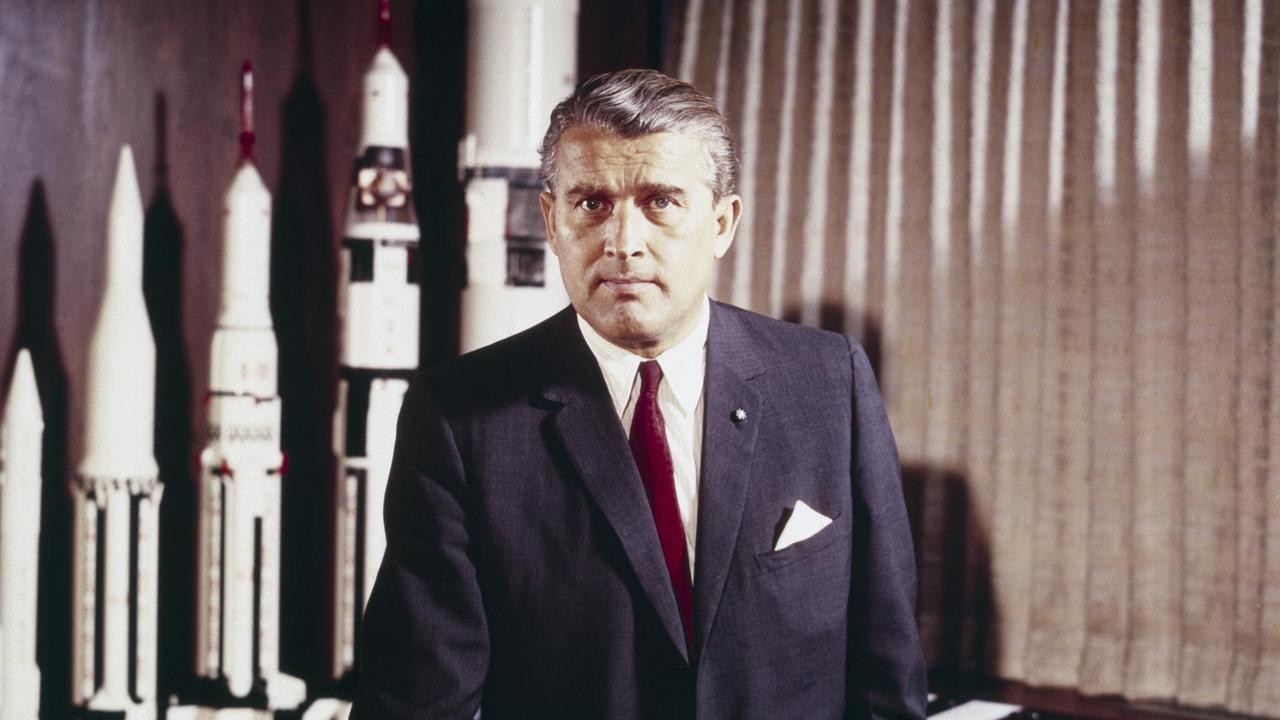
Wernher Magnus Maximilian Freiherr von Braun
Wernher von Braun, as one of the most controversial and influential engineering figures of the 20th century, built a career that spanned from the development of ballistic missile technologies in Nazi Germany to the process of sending humans to Moon via USA, leaving behind a multifaceted legacy shaped by the tension between his genius and ethical responsibilities. Childhood Wernher Magnus Maximilian Freiherr von Braun was born on 23 March 1912 in the Prussia region of Germany, into an aristocrati
EN
Zekeriya Aktaş
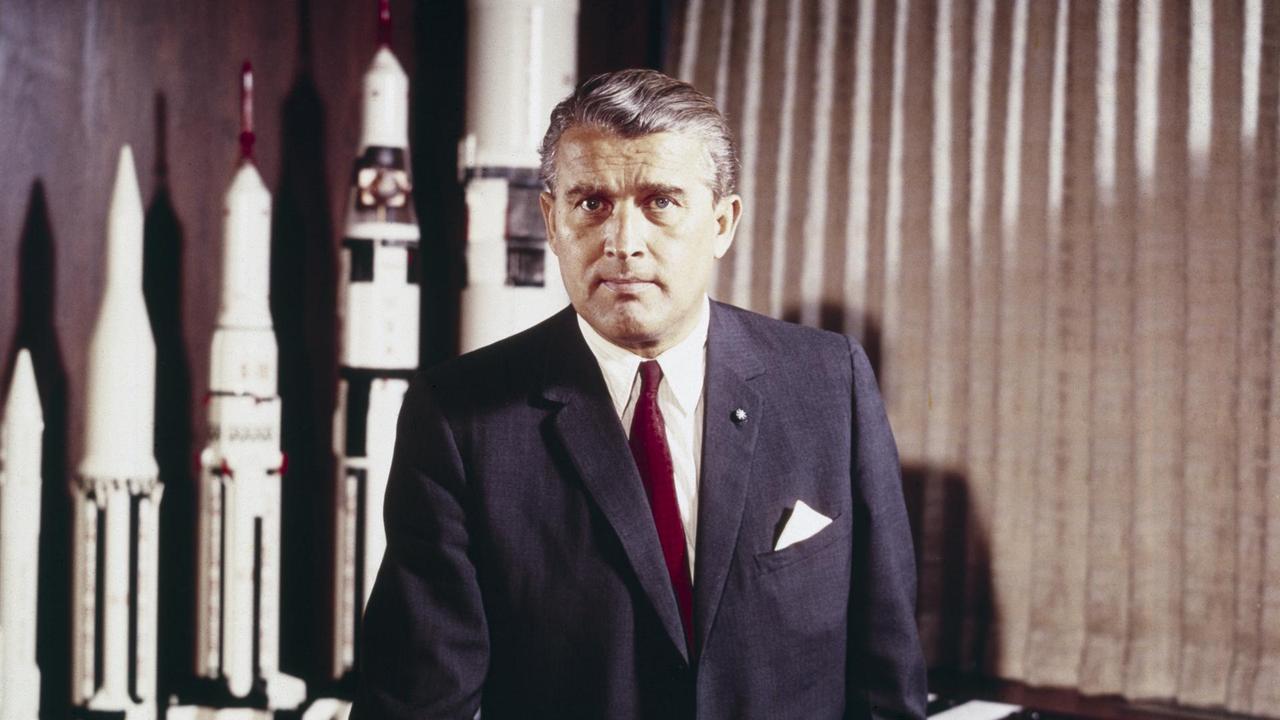
Wernher Magnus Maximilian Freiherr von Braun
Wernher Magnus Maximilian Freiherr von Braun was born on 23 March 1912 in the Prussian region of Germany into an aristocratic family. His father, Baron Magnus von Braun, and his mother, who descended from King Christian I of Denmark, provided him with a privileged upbringing. In childhood he developed a fascination with science, particularly space; he began observing stars through a telescope given to him by his mother and became interested in astronomy. The young Wernher read works by science f
ENZekeriya Aktaş
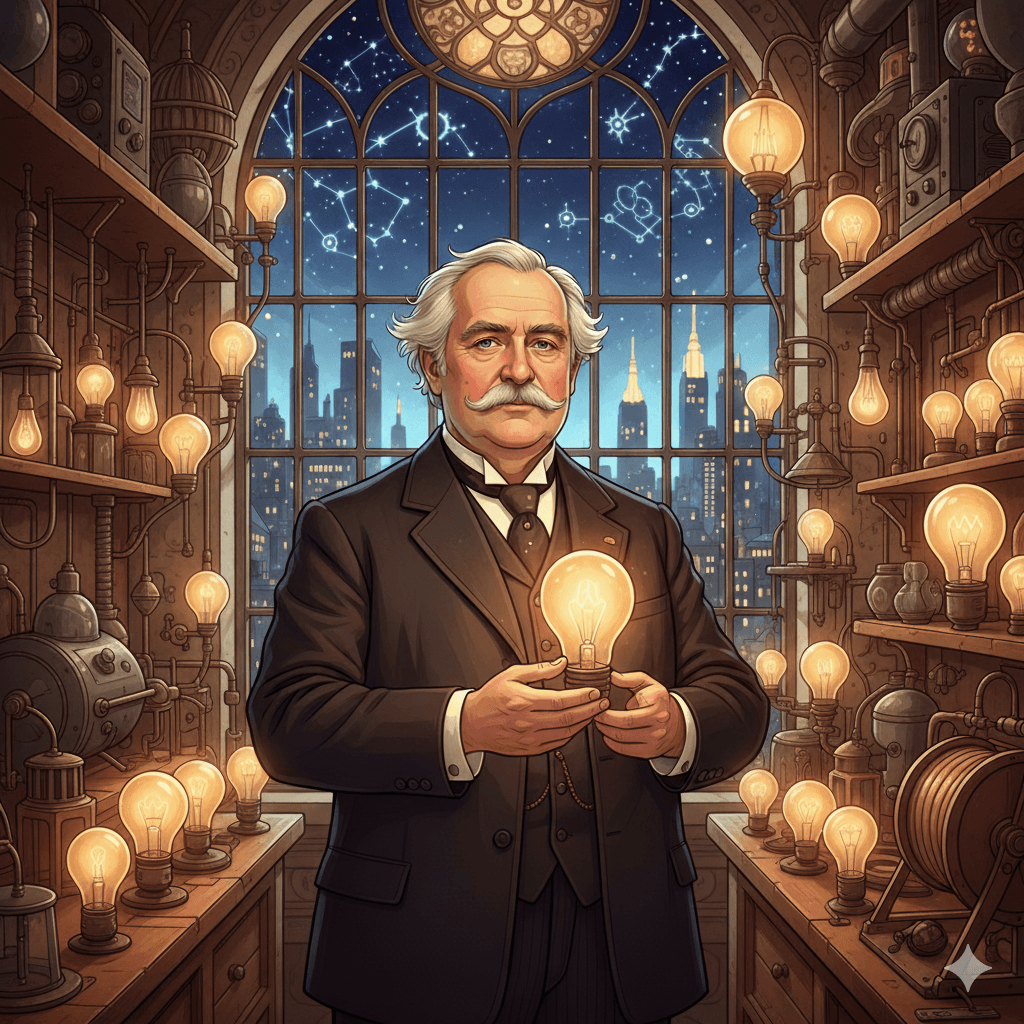
Thomas Edison
Thomas Alva Edison was born on 11 February 1847 in Milan, Ohio. He was the youngest of seven children and frequently fell ill during childhood. Unable to succeed in school, Edison was educated at home by his mother, Nancy Elliott. From an early age, he showed a strong interest in physics and chemistry experiments. Youth and Early Experiments At the age of ten, he built a small chemistry laboratory in the basement of his home. After learning Morse code, he constructed his own telegraph. At twelve
ENMiray GÜR
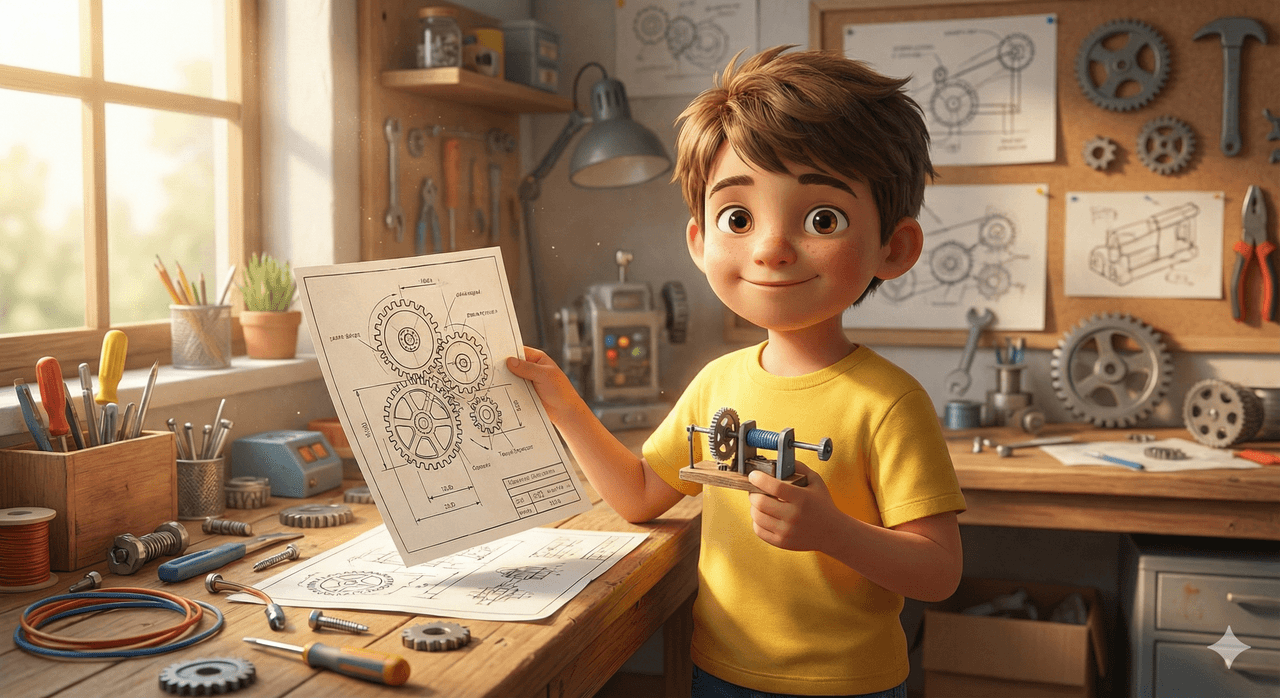
World Child Inventors Day
World Child Inventors Day is an international observance celebrated annually on January 17. This day aims to support children’s creativity, problem-solving skills, and ability to generate new ideas. The primary goal of the observance is to recall child inventors from history and to encourage today’s children to engage in science, technology, engineering, and mathematics. This image was generated by Artificial Intelligence. " image-alternate="" image-element-format="right"> History and Origins
ENMiray GÜR