

`intestine` Related Article Results
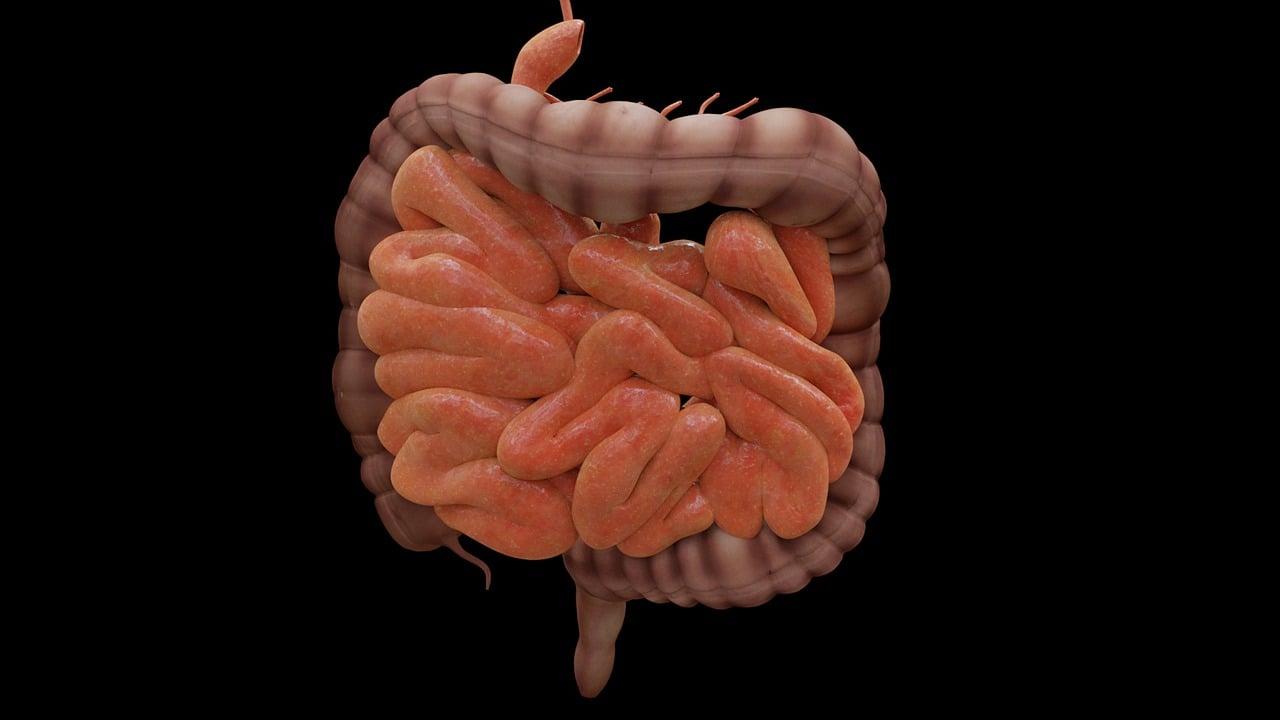
Intestine
The intestine is a vital component of the digestive system and performs essential functions including the digestion and absorption of nutrients and the elimination of waste products from the body. It also plays significant roles in the immune system and overall health. Maintaining intestinal health is crucial for preventing digestive disorders, maximizing nutrient utilization, and reducing the risk of chronic diseases. Intestinal Physiology The intestine is a key part of the digestive system and
EN
Sıla Başköylü
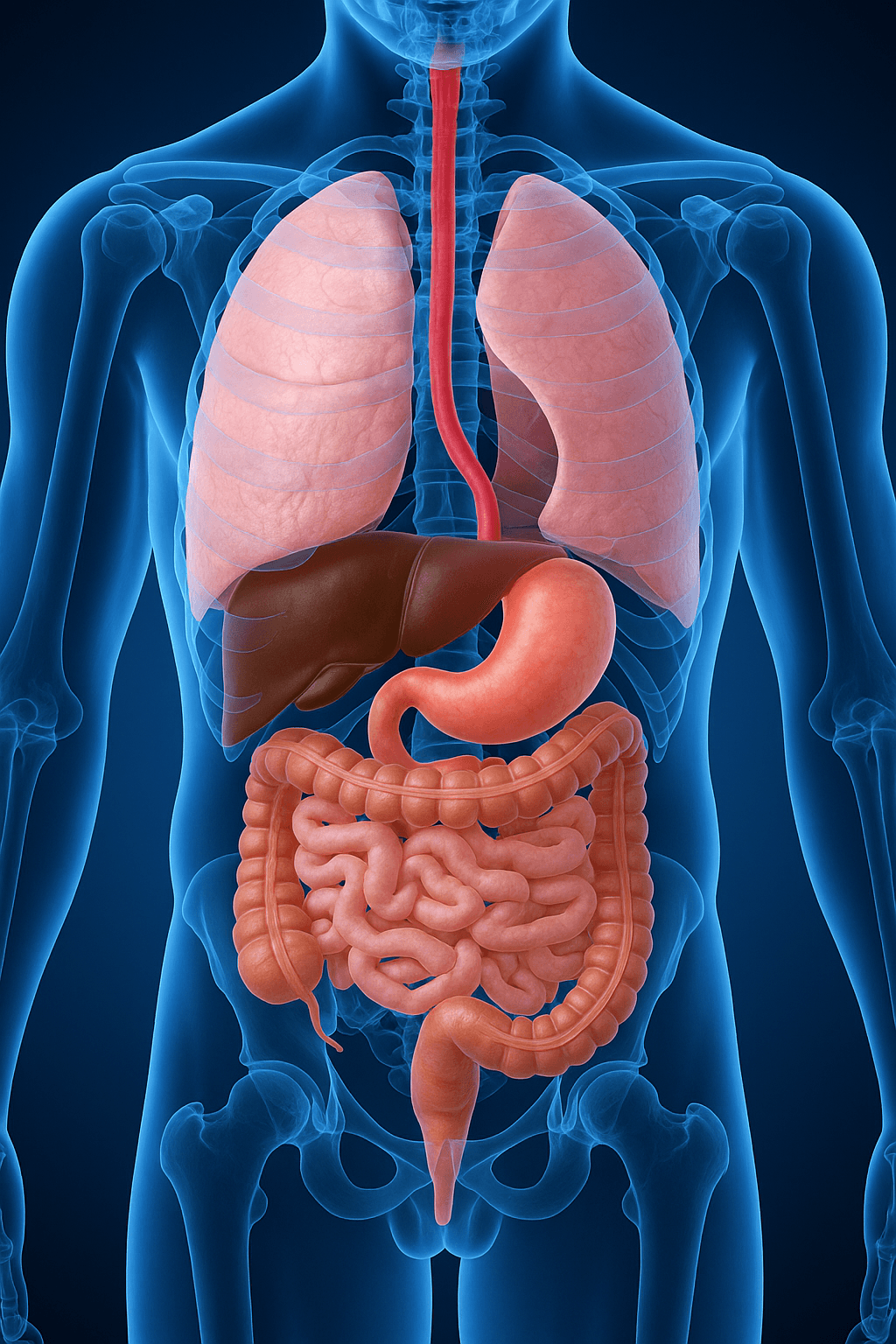
Digestive System
The human digestive system is a complex structure responsible for the physical and chemical breakdown of food, its absorption, and the elimination of waste. The digestive system consists of a digestive tract approximately 8–9 meters long, extending from the mouth to the anus, along with accessory organs. The digestive tract includes the pharynx, esophagus, stomach, small intestine, and large intestine; the accessory organs are the teeth, tongue, salivary glands, liver, gallbladder, and pancreas.
EN
Betül Sena Kırval
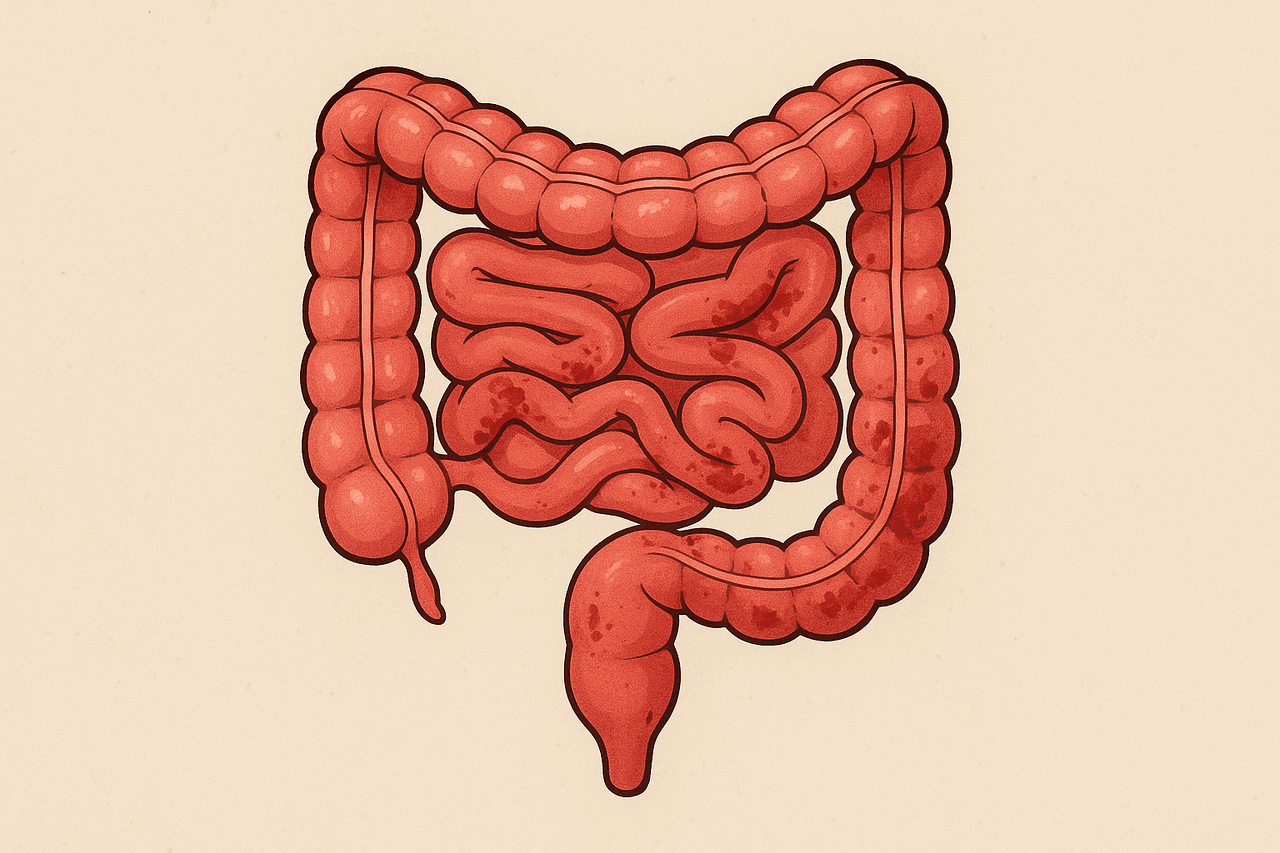
Irritable Bowel Syndrome (IBS)
Irritable Bowel Syndrome (IBS) is a functional gastrointestinal disorder characterized by chronic and recurrent abdominal pain in the absence of structural or biochemical abnormalities. It commonly presents with symptoms such as abdominal pain, gas, bloating, constipation, and diarrhea. The incomplete understanding of IBS’s pathogenic mechanisms complicates its management and necessitates multidisciplinary approaches. Epidemiology IBS is among the most common functional gastrointestinal disorder
EN
Nursena Güller
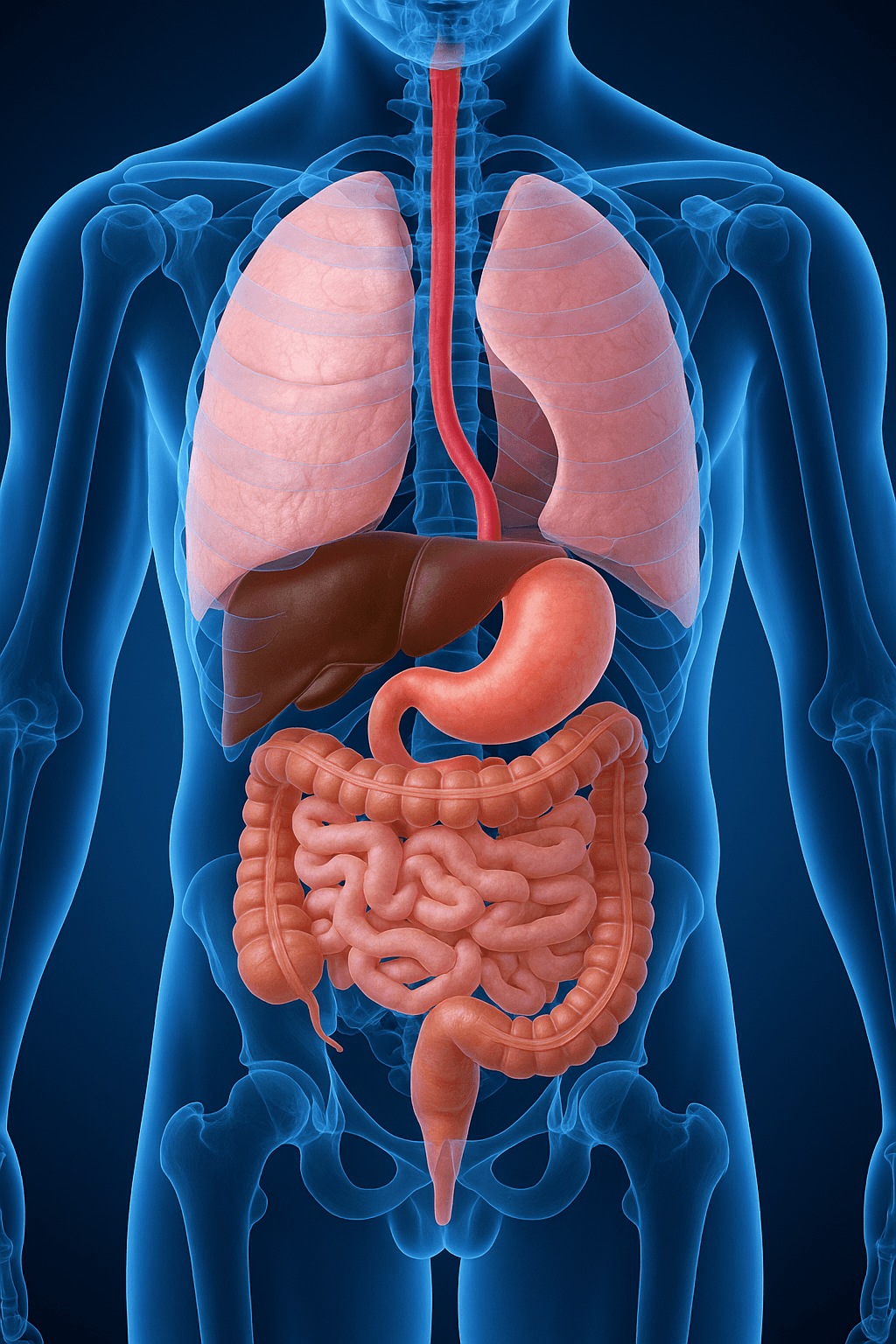
Digestive System
The human digestive system is a complex structure responsible for the physical and chemical breakdown of food, its absorption, and the elimination of waste. The digestive system consists of a digestive tract approximately 8–9 meters long, extending from the mouth to the anus, along with accessory organs. The digestive tract includes the pharynx, esophagus, stomach, small intestine, and large intestine; the accessory organs are the teeth, tongue, salivary glands, liver, gallbladder, and pancreas.
EN
Betül Sena Kırval