
`international-standards` Related Article Results
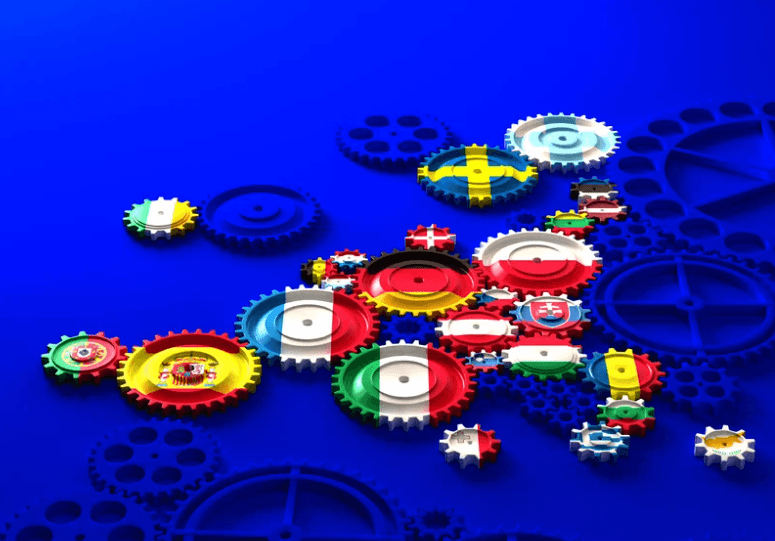
Secret Keys on Earth: Countries' Codes
We all encounter many codes in our daily lives: ATM passwords, phone numbers, postal codes… Did you know that countries also have their own “secret keys”? Yes, you heard that right! Each country is identified by unique codes used in international and official procedures, and these codes are in fact the silent heroes of global communication, trade, and technology. ISO Codes: The International Identity of Countries International Organization for Standardization (ISO) assigns each country a unique
EN
Oksana Gülünay
 Co
CoCodex Alimentarius
The Codex Alimentarius is a fundamental reference framework encompassing a set of international food standards developed to ensure food safety worldwide protect consumer health and facilitate international trade. This system was established in 1963 by the United Nations Food and Agriculture Organization (FAO) and the World Health Organization (WHO). Managed by the Codex Alimentarius Commission (CAC) this system aims to harmonize food regulations among countries support public health and promote
EN
Rumeysa Borozancı
Mycotoxins
Mycotoxins are chemical substances naturally produced by certain molds in foods and animal feed. These compounds can be found particularly in cereals, dried fruits, nuts, and spices. The formation of mycotoxins requires suitable temperature and humidity conditions. Mycotoxins are regarded as undesirable contaminants in food and are monitored for food safety purposes. Main Types of Mycotoxins The most common and significant types of mycotoxins include: Aflatoxins: Toxic compounds produced by the
EN
Yusuf İslam Tuğla
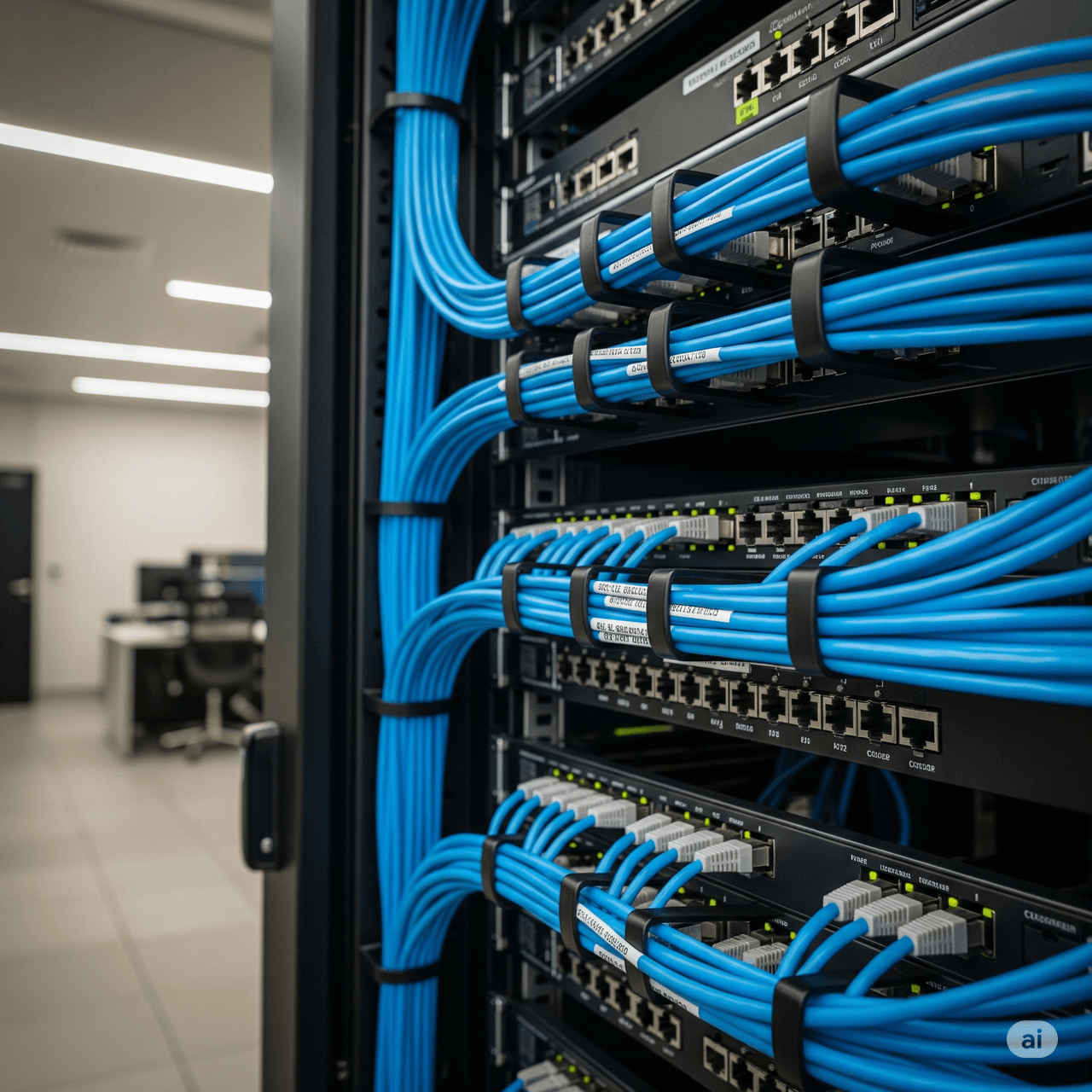
Structured Cabling System
Structured cabling is a modular architecture designed to plan, install, and document the entire telecommunications infrastructure of a building or campus in accordance with internationally recognized standards, dividing it into six distinct subsystems. This approach enables diverse transmission media—such as voice, data, video, and security applications—to be supported over a single infrastructure, addressing both current requirements and potential future technological needs. Six Subsystems Buil
EN
Kübra Parçalar