

`insect` Related Article Results
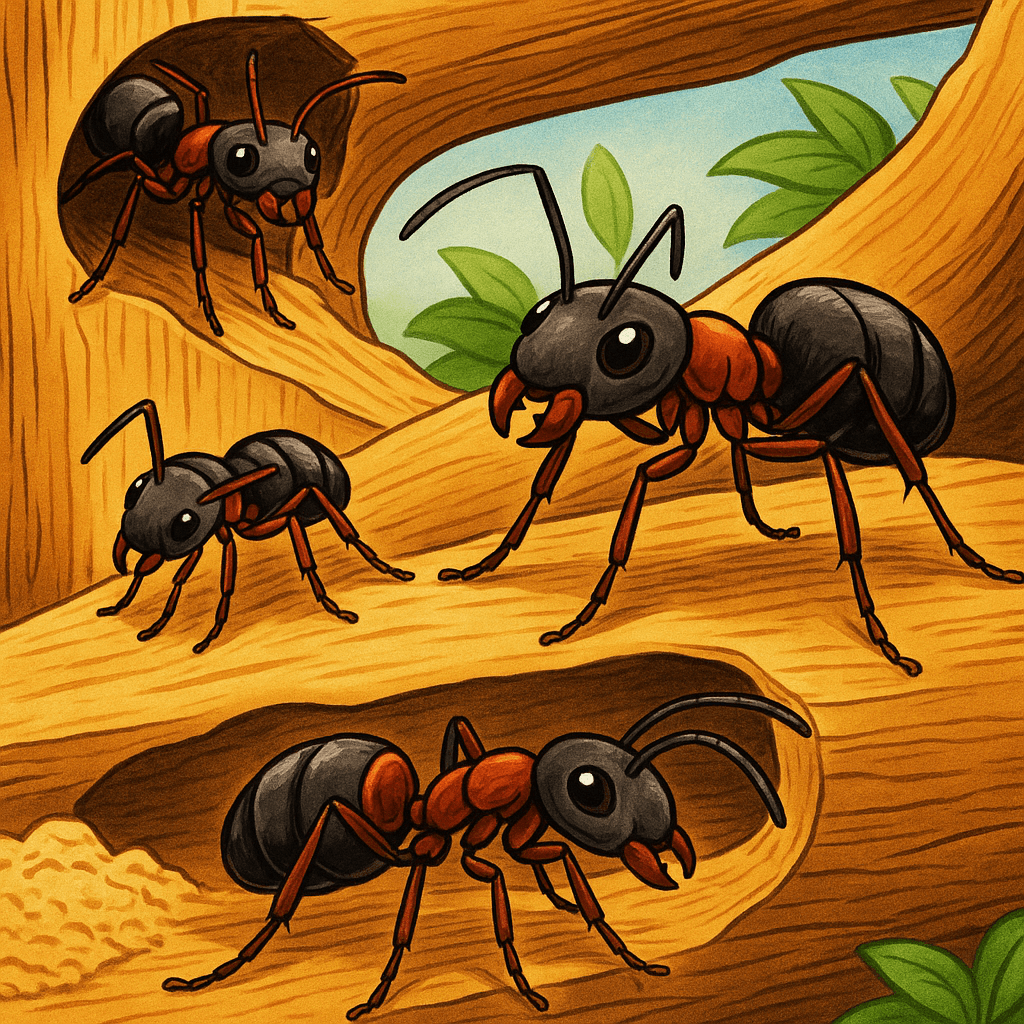
Carpenter Ants
Carpenter ants are insects belonging to the order Hymenoptera and the family Formicidae, known for their social lifestyle. The name “carpenter” is given due to their habit of constructing nests by excavating tunnels in wood. However, they do not consume wood; they merely carve out hollow spaces. This distinguishes them from termites. One of the most commonly known species is Camponotus pennsylvanicus. Appearance and Structure Carpenter ants live in colonies composed of workers of different sizes
EN
Yusuf İslam Tuğla
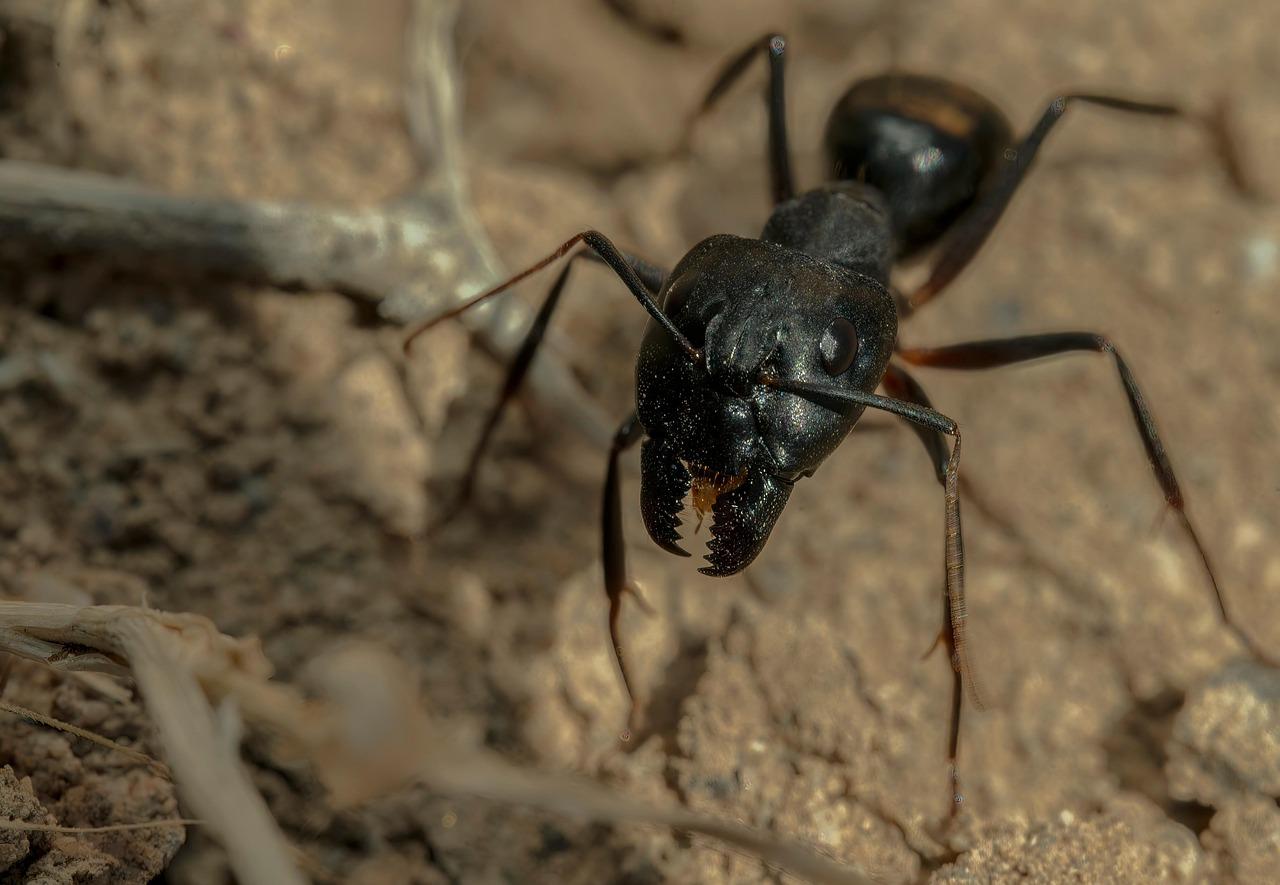
Carpenter Ants (Camponotus pennsylvanicus)
Carpenter ants are social insects belonging to the order Hymenoptera and the family Formicidae. These species exhibit nesting behavior by excavating tunnels, particularly in wooden structures. Their inability to digest wood is the most fundamental characteristic distinguishing them from termites. Among the species, Camponotus pennsylvanicus is the most commonly identified. Morphological Characteristics Carpenter ants are recognized by their pronounced size variations among worker castes. Workers
ENYusuf İslam Tuğla
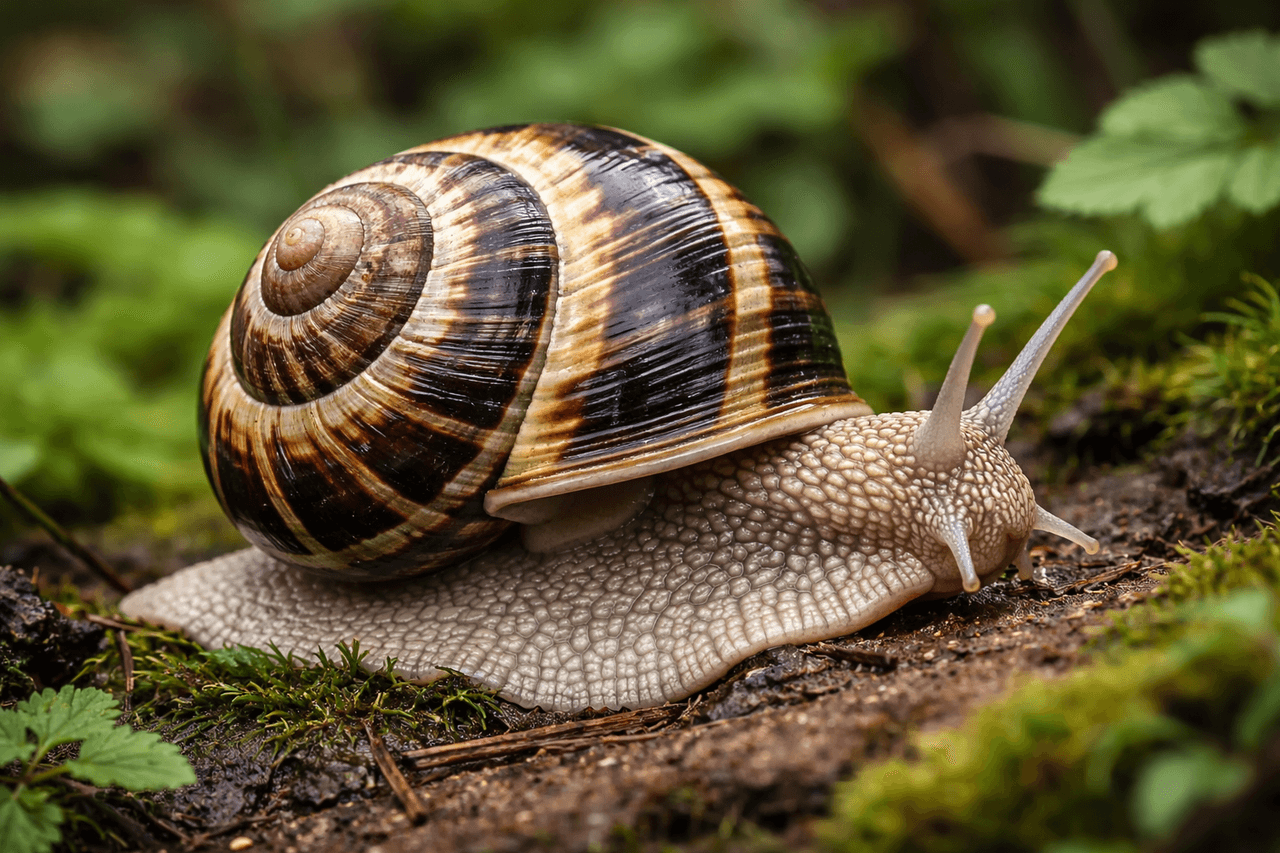
Turkish Snail (Helix lucorum)
Turkish Snail (Helix lucorum), a large land snail species belonging to the family Helicidae, is widely distributed in Türkiye and the Balkans. It is one of the most dominant native snail species in Türkiye’s fauna and forms extensive populations particularly in the Black Sea, Central Anatolia, Aegean, and Marmara regions. Due to historical consumption as food and commercial trade, human activities have introduced this species to various other geographic areas. Morphology H. lucorum typically pos
EN
Damla Karabulut
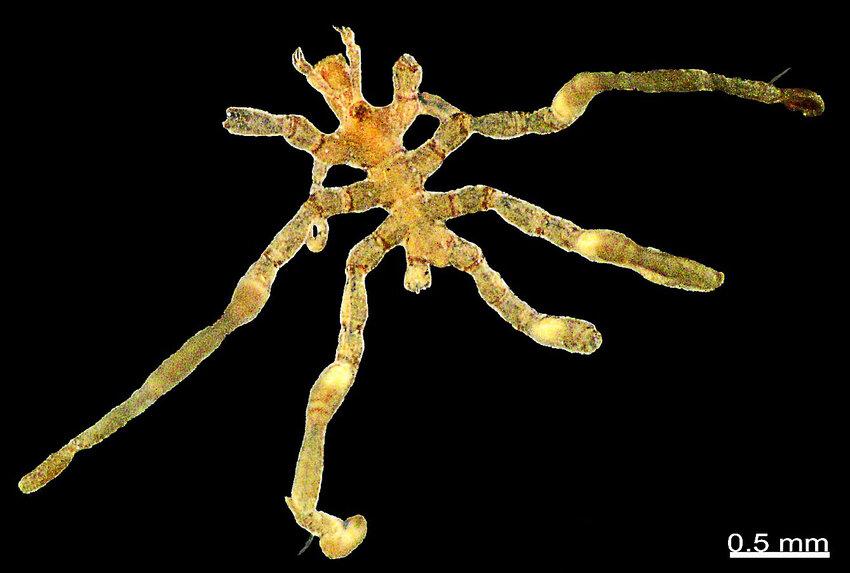
Sea Spider (Pycnogonida)
Sea Spider (Pycnogonida) is a group of marine organisms belonging to the phylum Arthropoda, commonly called sea spiders due to their morphological resemblance to terrestrial spiders of the class Arachnida. General Characteristics and Morphology They are generally small-bodied organisms; most species measure 1–10 mm in length, although some deep-sea species can have a leg span of up to 6 cm. They possess exceptionally long legs relative to their body size (typically four to six pairs). Their bodi
ENAbdulsamet Suçeken
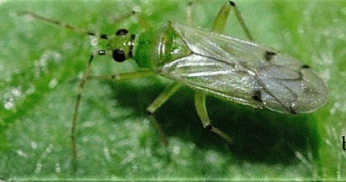
Tomato Leafminer (Tuta absoluta)
Tomato leafminer (Tuta absoluta) is a pest species belonging to the family Gelechiidae of the order Lepidoptera. Its primary host is the tomato, and it causes significant crop losses in tomato cultivation worldwide. Native to South America, this species was first identified in Türkiye in 2009 and rapidly spread to tomato production areas. Under favorable conditions, the tomato leafminer can form dense populations and cause crop losses of up to 80–100% if not controlled. Morphological Characteris
ENFeride Rana Yiğitbaş
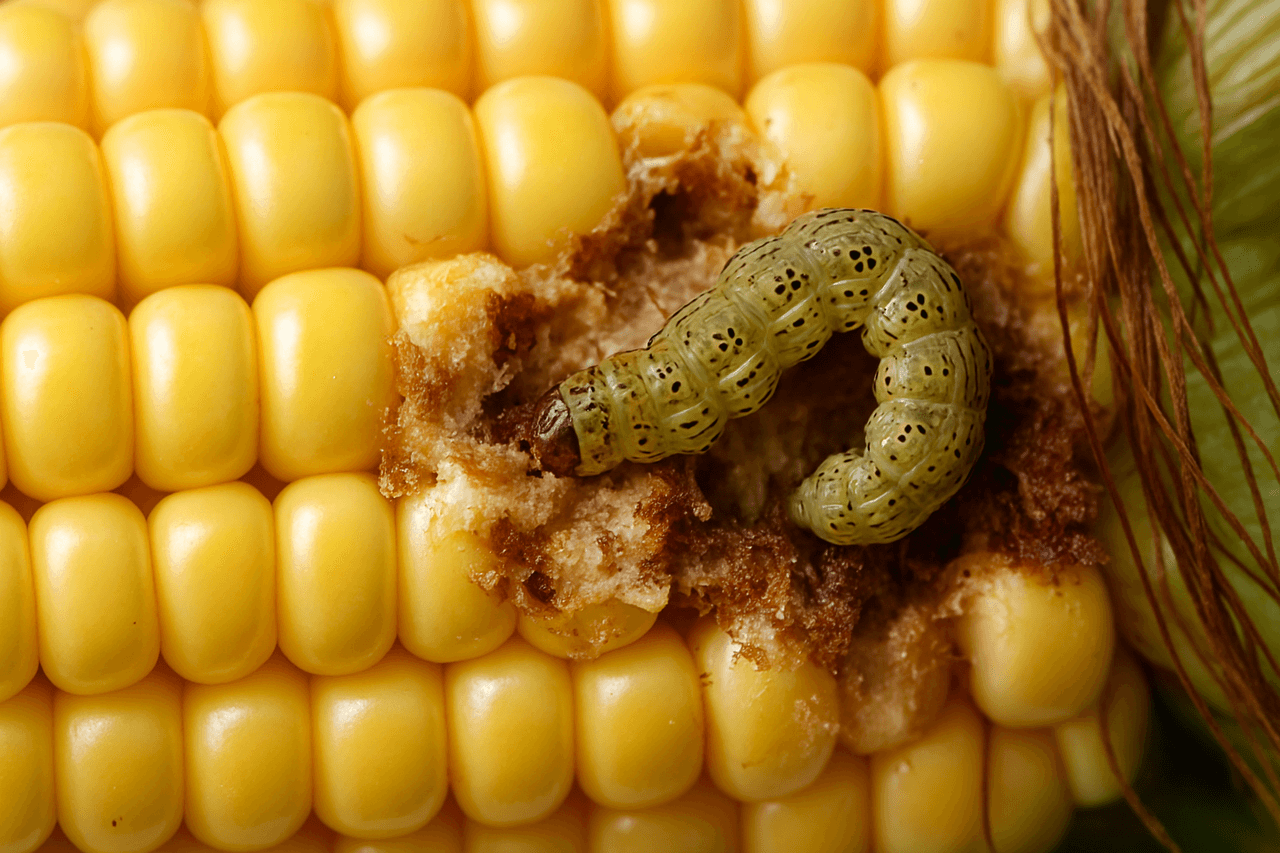
Corn Earworm (Helicoverpa zea)
The corn earworm, a species belonging to the family Noctuidae of the order Lepidoptera, causes significant economic losses in corn cultivation important through its feeding activity road harmful. Adult individuals have forewings that are milky brown, camel-colored, or yellowish-beige, while their hindwings are silvery white or silky white. In males, the antennae are comb-like in structure. Eggs are laid in large numbers, in flat-cylindrical shapes and in clusters. When first laid, the eggs are p
ENNur Dursun
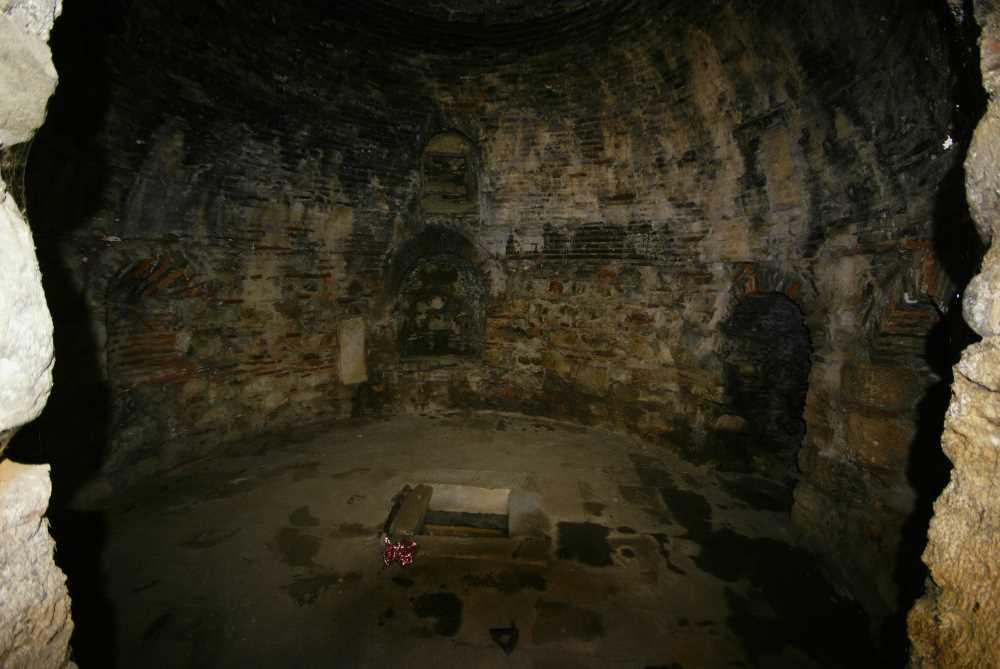
Insect Ayazma
Böcek Ayazma is a Byzantine-era structure located on Yakup Çelebi Street in the İznik district of Bursa Province, approximately 50 metres east of the Koimesis Kilisesi. Originally constructed as a baptistery (baptisterium), the structure was later used as a holy water source, known as an ayazma. Location and General Features The structure is situated several metres below the road level and is enclosed by a stone wall and iron railings. Today, its dome is covered with a concrete layer and the sur
ENYusuf İslam Tuğla
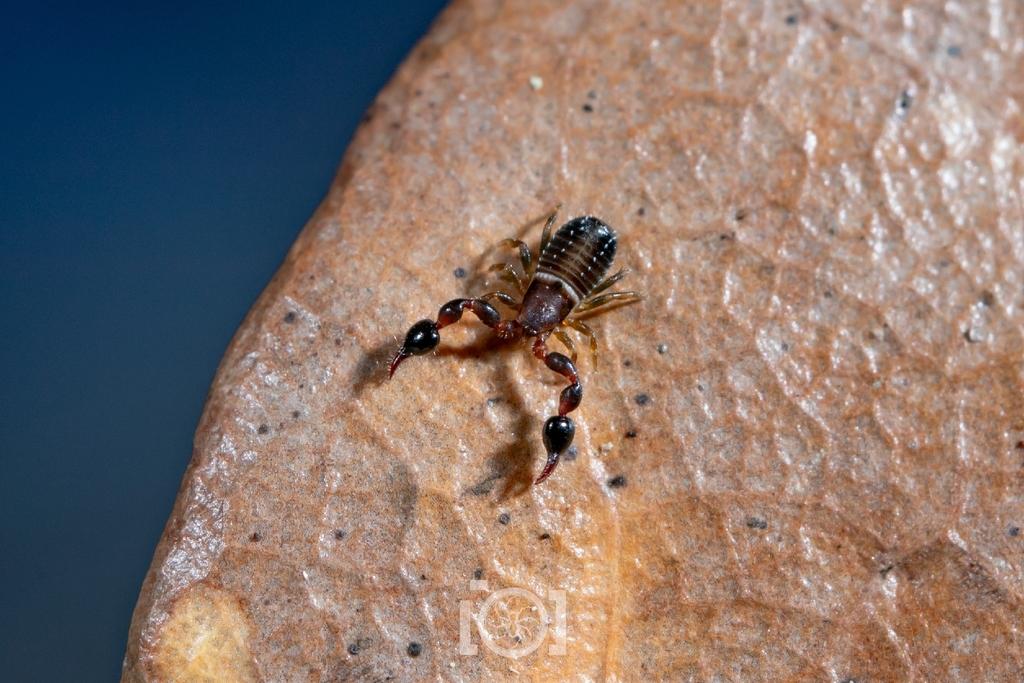
False Scorpion (Pseudoscorpiones)
False scorpions (Pseudoscorpiones) are small invertebrates belonging to the class arachnids (Arachnida) within the phylum Arthropoda. They resemble scorpions in appearance but lack a tail and stinger. Typically measuring a few millimeters in length, these creatures form a unique group within arachnids due to their body structure and prey-capturing methods. Classification and Systematics False scorpions are classified under the order Pseudoscorpiones. This order encompasses various families and g
ENCelal Tekin