

`infinity` Related Article Results
 Ze
ZeZeno's Paradoxes
Zeno’s Paradoxes are a series of philosophical arguments developed by the philosopher Zeno, who lived in the 5th century BCE in the city of Elea in Southern Italy. These arguments reveal contradictions between common sense and logical analysis regarding the nature of motion, plurality, space, and time. In the history of philosophy, these paradoxes were designed to defend the monist doctrine of Parmenides, founder of the Eleatic School, who claimed that reality is “One,” unchanging, indivisible,
EN
Yunus Emre Yüce
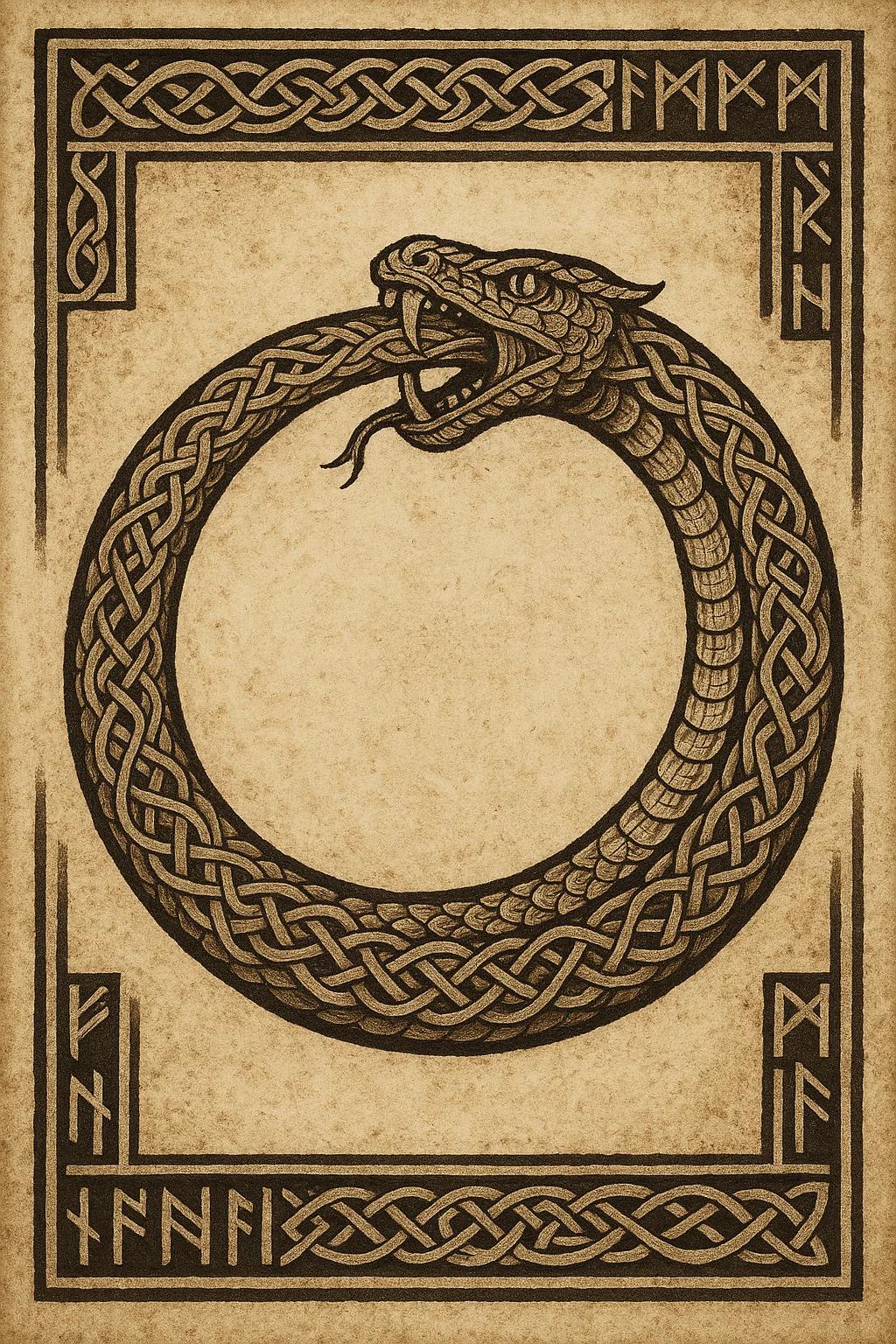
Ouroboros Symbol
The Ouroboros symbol is an ancient emblem depicting a snake or dragon eating its own tail. Its name derives from the image of a snake biting and consuming its own tail. This emblem, forming a circle with its body, has appeared across various cultures and historical periods, carrying diverse yet interconnected meanings. Origins and Historical Depictions The Ouroboros motif is of ancient origin and appears in the earliest known examples across different regions of the world. Its priority and origi
ENYunus Emre Yüce
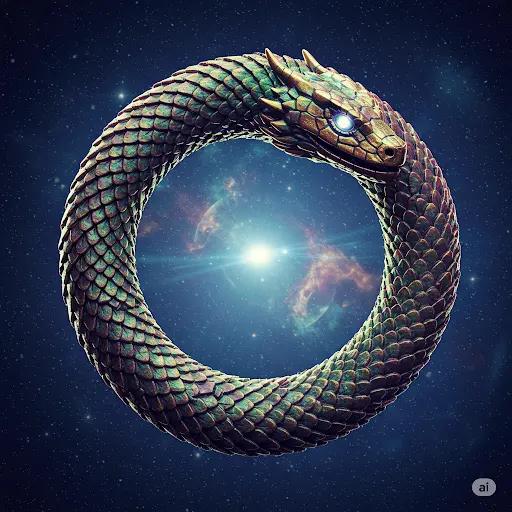
Ouroboros
Ouroboros is an ancient symbol depicted as a serpent or dragon devouring its own tail. This figure primarily represents concepts such as cyclicality, infinity, self-renewal, and wholeness. Originating from ancient Egyptian and Greek mythologies, it has been deeply explored in various fields including alchemy, psychology, and contemporary art. Definition and Etymology Ouroboros is typically illustrated as a serpent or dragon biting its own tail to form a circular shape. The symbol represents an e
ENEmre Özen