

`inertia` Related Article Results
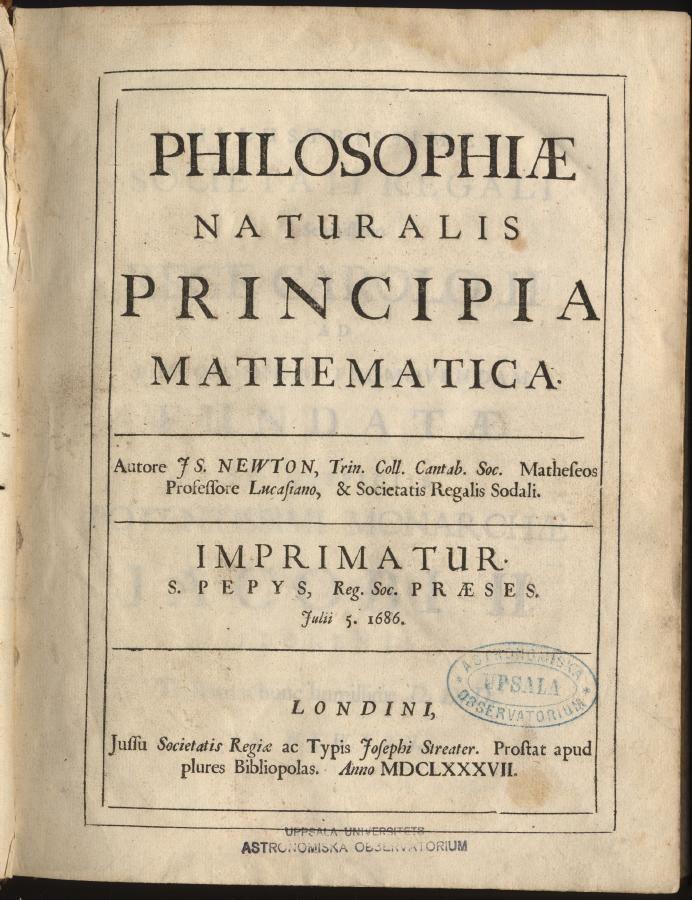
Newton's Laws of Motion
Isaac Newton, modern laid the foundations of physics by establishing three revolution laws concerning the nature of motion and forces. These laws provided not only a new understanding of only classical mechanics but also a profound insight into the workings of the universe. Although Newton’s movement laws appear simple and intuitive, they represented a revolutionary shift in scientific thought. Isaac Newton " image-alternate="" image-element-format="right"> Newton’s Laws of Motion and Their H
EN
Mevlüt Acar

Inertia of Entry
Do you keep postponing your responsibilities to tomorrow instead of doing them today? When tomorrow arrives, the responsibility you left behind reappears, multiplied—as if it has absorbed the burden of the previous day—and again, you postpone it with a new desire, one that builds upon the reluctance of the day before. I describe this condition as “Inertial Entry”: the weight that forms within us when the initial energy required to begin a task combines with our inner desire for laziness. To bett
ENElyesa Köseoğlu
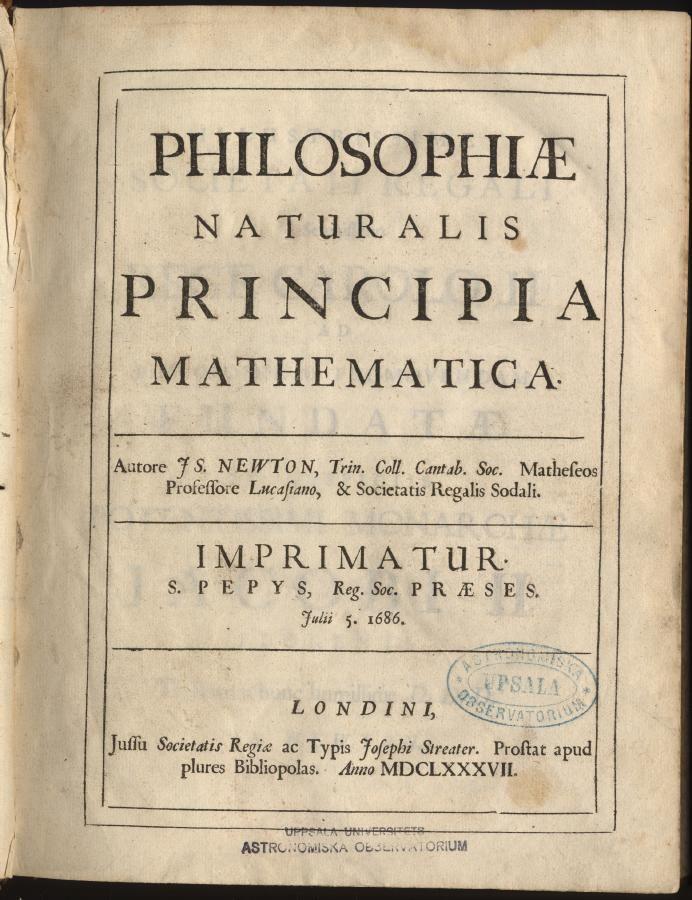
Newton's Laws of Motion
Isaac Newton, while laying the foundations of modern physics, formulated three revolutionary laws concerning the nature of motion and forces. These laws not only established the framework of classical mechanics but also provided a profound understanding of how the universe operates. Although Newton’s laws of motion appear simple and intuitive, they represented a major historical revolution. Isaac Newton" image-alternate="" image-element-format="right"> Newton’s Laws of Motion and Their Histor
ENMevlüt Acar
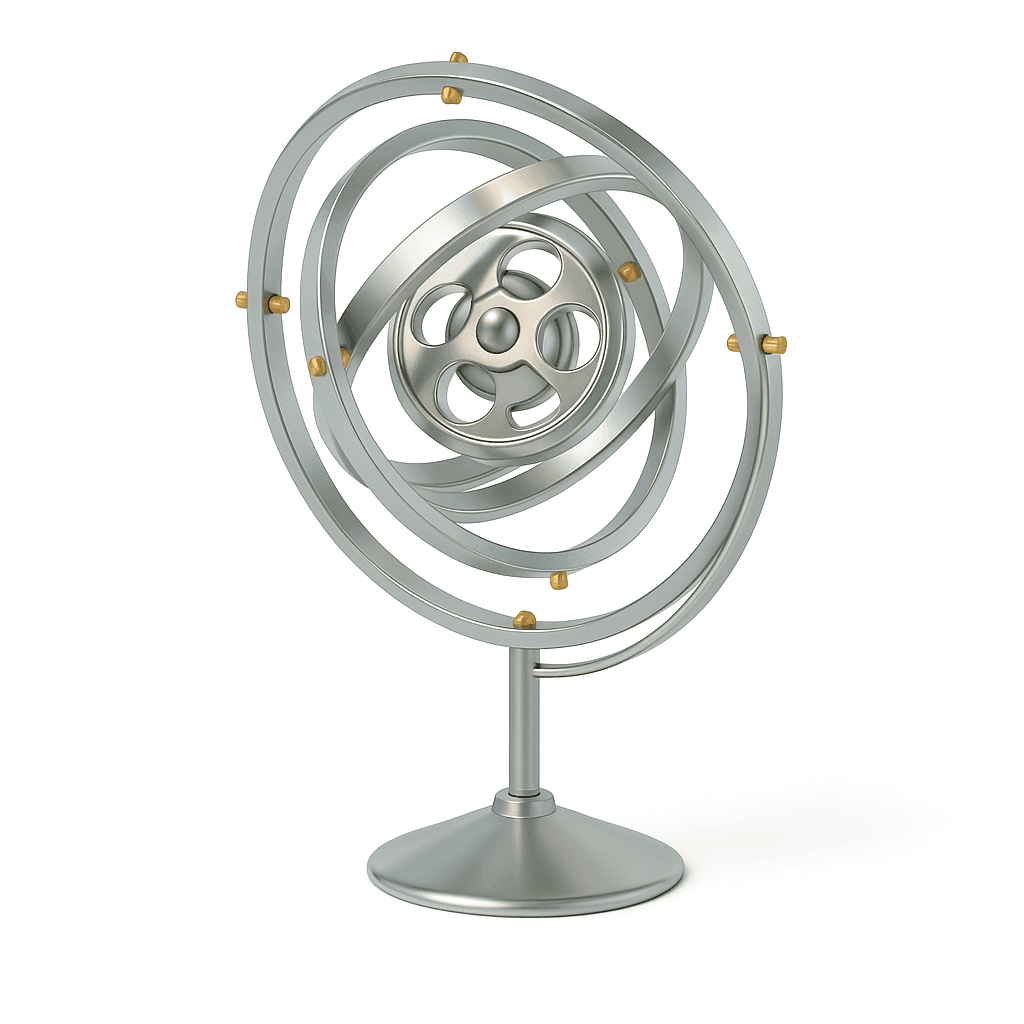
Gyroscope
Gyroscope is an inertial sensor developed to determine the angular motion and orientation of an object. This device, based on the tendency of a rotating mass to maintain its axis of rotation, is a fundamental component in applications such as navigation, stabilization, and motion tracking. Today, gyroscopes have been developed using various technologies including mechanical, optical, fiber optic, ring laser, and micro-electromechanical systems (MEMS). Representative Image of a Gyroscope (Generat
EN
Samet Şahin
 Tw
TwTwin Paradox
The Twin Paradox is a thought experiment based on Albert Einstein’s 1905 theory of special relativity, demonstrating that time is not absolute but varies depending on the observer’s motion. According to this, time is not a universal and fixed unit of measurement; it can progress at different rates depending on the observer’s speed and movement. This phenomenon is called time dilation. Time dilation results in observers in different reference frames measuring each other’s clocks differently. Alth
ENEmine Erva Aydın
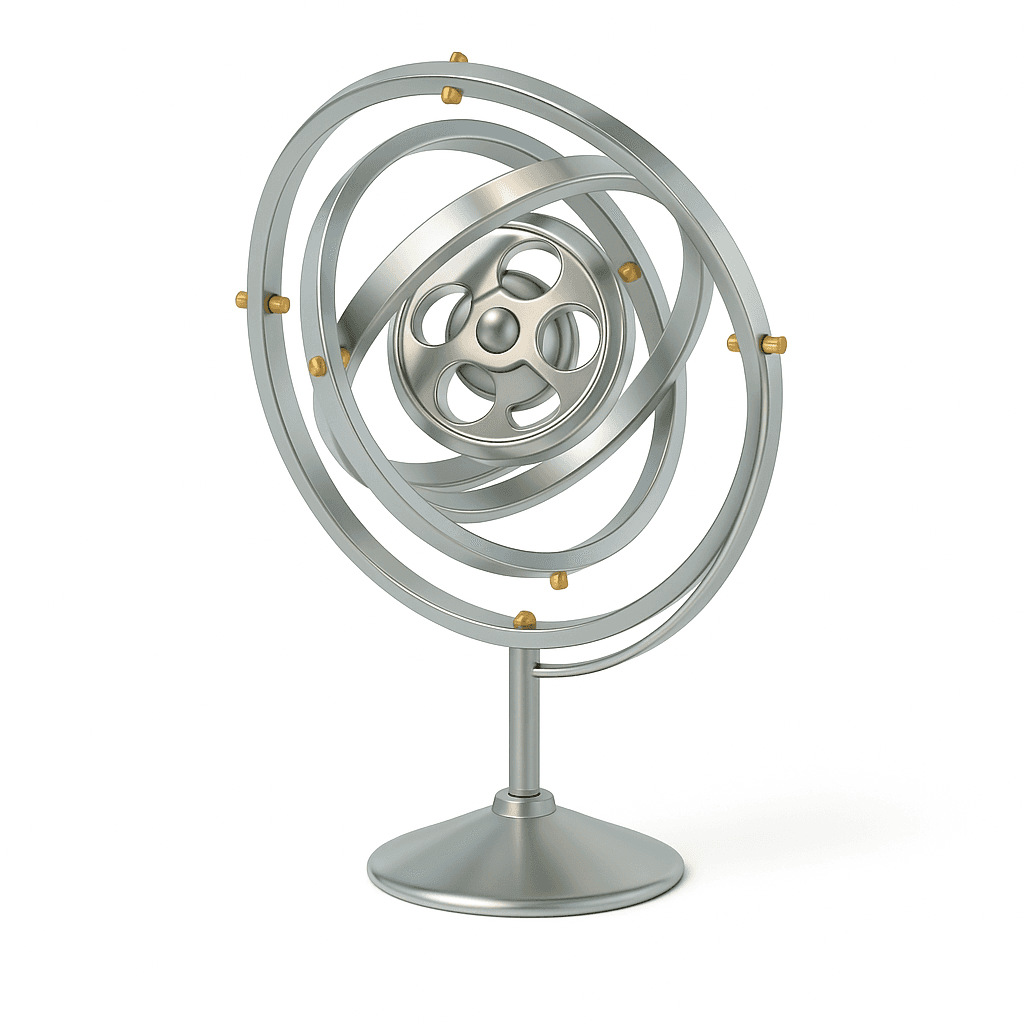
Gyroscope
Gyroscope is an inertial-based sensor developed to determine the angular motion and orientation of an object. This device, based on the tendency of a rotating mass to maintain its axis of rotation, is one of the fundamental components in applications such as navigation, stabilization, and motion tracking. Today, gyroscopes have been developed using various technologies including mechanical, optical, fiber optic, ring laser, and micro-electromechanical systems (MEMS). Principle of Operation Conse
EN
Samet Şahin