

`industrial-use` Related Article Results

Magnesium (Mg)
Magnesium is a metallic element with atomic number 12 and chemical symbol Mg, belonging to the alkaline earth metals group in the periodic table. It is a silvery-white lightweight and highly reactive metal. It has important industrial and biological roles. Classification and Basic Properties Magnesium is an alkaline earth metal located in group 2A (group 2) of the third period of the periodic table. Its electron configuration is [Ne]3s², containing two valence electrons in its outermost shell. I
EN
Caner Sefa Koçyiğit
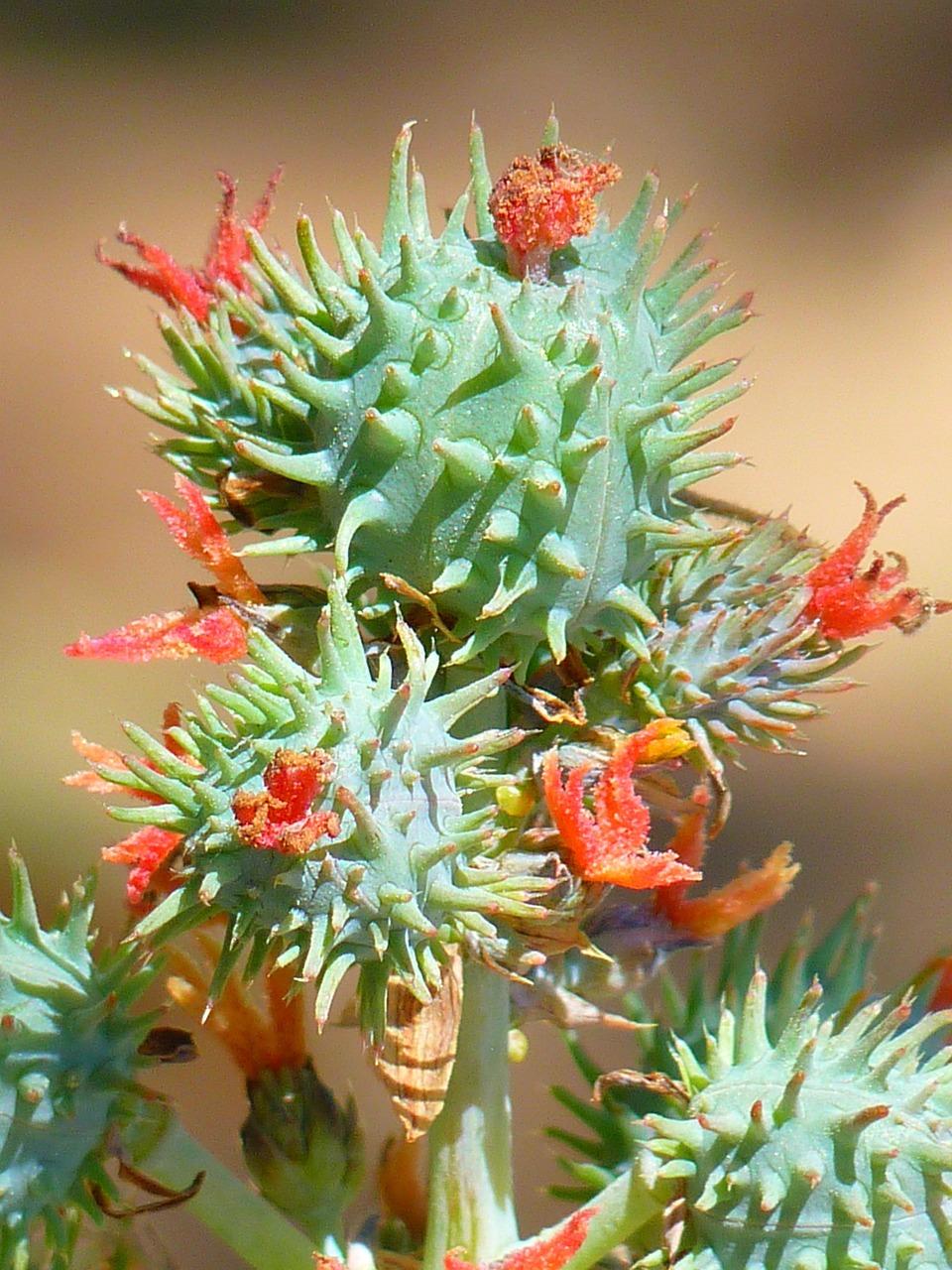
Castor oil plant (Ricinus communis L.)
Castor oil plant (Ricinus communis L.) is a plant belonging to the Euphorbiaceae family, valued in industrial and medical fields for the oil obtained from its seeds and its constituent compounds. Historically identified in early periods, it was mentioned in the 16th century BCE Ebers Papyrus from ancient Egypt under the name “Palma Christi”. Its use for various purposes has been documented in ancient Greek, Egyptian and African societies. Distribution The plant grows naturally in tropical and su
EN
Zelal Çakar

Tantalum Element
Tantalum is one of the metals in the periodic table and has the symbol “Ta”. It is bright gray in color, very hard, and a heavy metal. It is highly resistant to heat and chemical substances. History and Discovery Tantalum was discovered in 1802 by the Swedish chemist Anders Ekeberg. He named it after Tantalus, a king from ancient Greek mythology. Its discovery prompted scientists to begin research on durable metals. Physical Properties Tantalum is a very hard and heavy metal with a high melting
EN
İbrahim Filiz
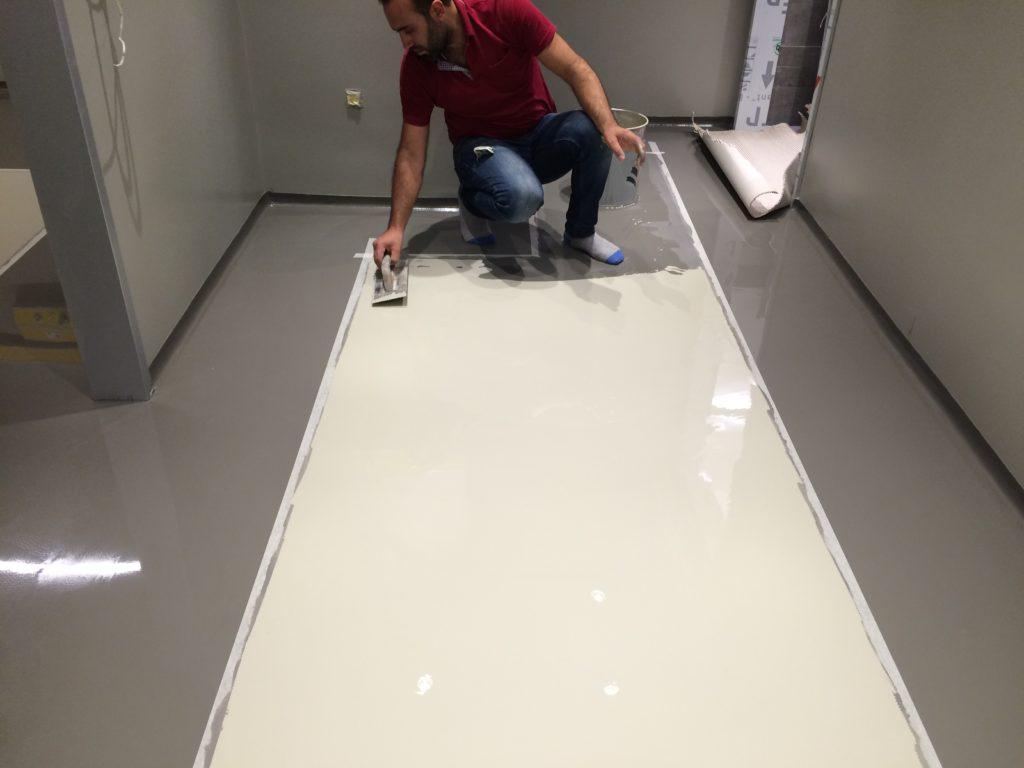
Epoxy Paint
Epoxy paint is a two-component, high-durability coating consisting of epoxy resin and a hardener. After application, it forms a strong chemical bond with the surface, providing superior resistance to abrasion, impact, water, and chemical exposure. It is widely used in industrial, automotive, marine, storage, laboratory, and food production sectors. Epoxy paints offer long-lasting, aesthetic, and protective coatings on floors, metal, and composite surfaces. Properties Two-component system (resin
EN
Ufuk Yarar
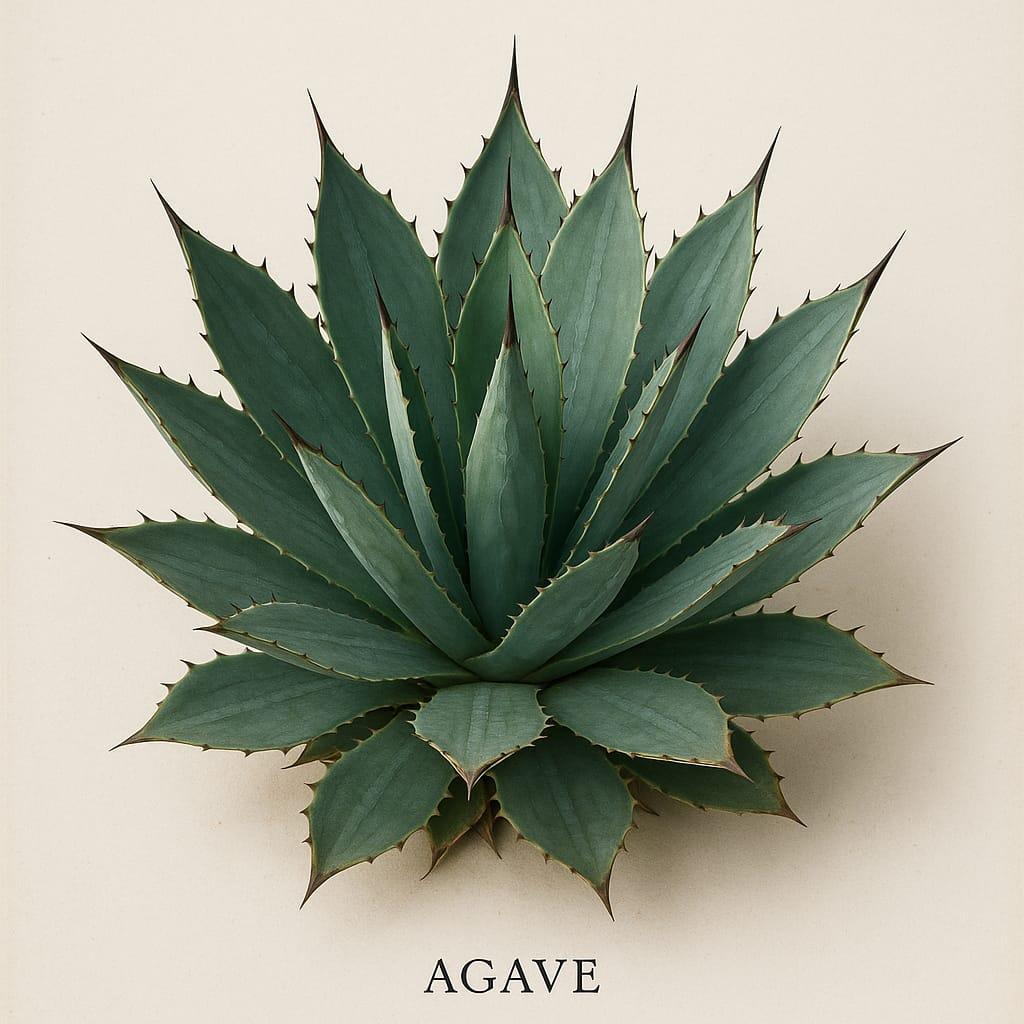
Agave
Agave is a perennial plant genus belonging to the Asparagaceae (asparagus family) and exhibiting succulent characteristics. Typically growing in arid and semi-arid regions, agave is recognized by its rosette structure formed by fleshy leaves. The genus name originates from Ancient Greek and means “noble” or “magnificent.” With approximately 200 species, this plant is notable for flowering only once in its lifetime. Agave is naturally distributed across Central and South America and the southwest
EN
Zahra Çelebioğlu