

`industrial-engineering` Related Article Results
Project Management Institute (PMI)
The Project Management Institute (PMI) is a nonprofit organization established in 1969 in the United States that has developed globally recognized professional standards in project program and portfolio management. PMI serves as a reference point for project professionals by providing standards training publications certifications and events to ensure that interdisciplinary project management practices are conducted within a professional framework. Project Management Institute (PMI) The founders
EN
Sabiha Meyra Şahinler
Work Breakdown Structure (WBS)
The Work Breakdown Structure (WBS) is a structure in project management that hierarchically divides the entire scope of the project into smaller, more manageable parts. The 7th edition of PMI's Project Management Body of Knowledge (PMBOK Guide) defines WBS as “a hierarchical breakdown of the total work scope that the project team will perform to achieve project objectives and create the required deliverables.” This structure defines the total scope of the project by showing its deliverables and
ENSabiha Meyra Şahinler

Gemba
Gemba is a Japanese-origin concept meaning "real place." This term is used especially in production and management fields to describe the physical location where the work actually takes place. Gemba can include both production lines and points of contact with customers. The concept is one of the fundamental pillars of lean thinking and is based on the idea that problems or opportunities can only be fully understood where the events occur. This approach, which plays a central role in the developm
EN
Emre Özen
Root Cause Analysis
Root Cause Analysis is a systematic problem-solving method designed to identify the underlying cause of an event or issue. Originally developed in the fields of science and engineering, it is now applied across numerous disciplines including information technology, telecommunications, manufacturing and industrial process control, aviation, rail transport, and accident analysis in nuclear facilities. RCA is rooted in the quality management movement. Japanese quality expert Kaoru Ishikawa develope
ENSabiha Meyra Şahinler
World Industrial Engineers Day
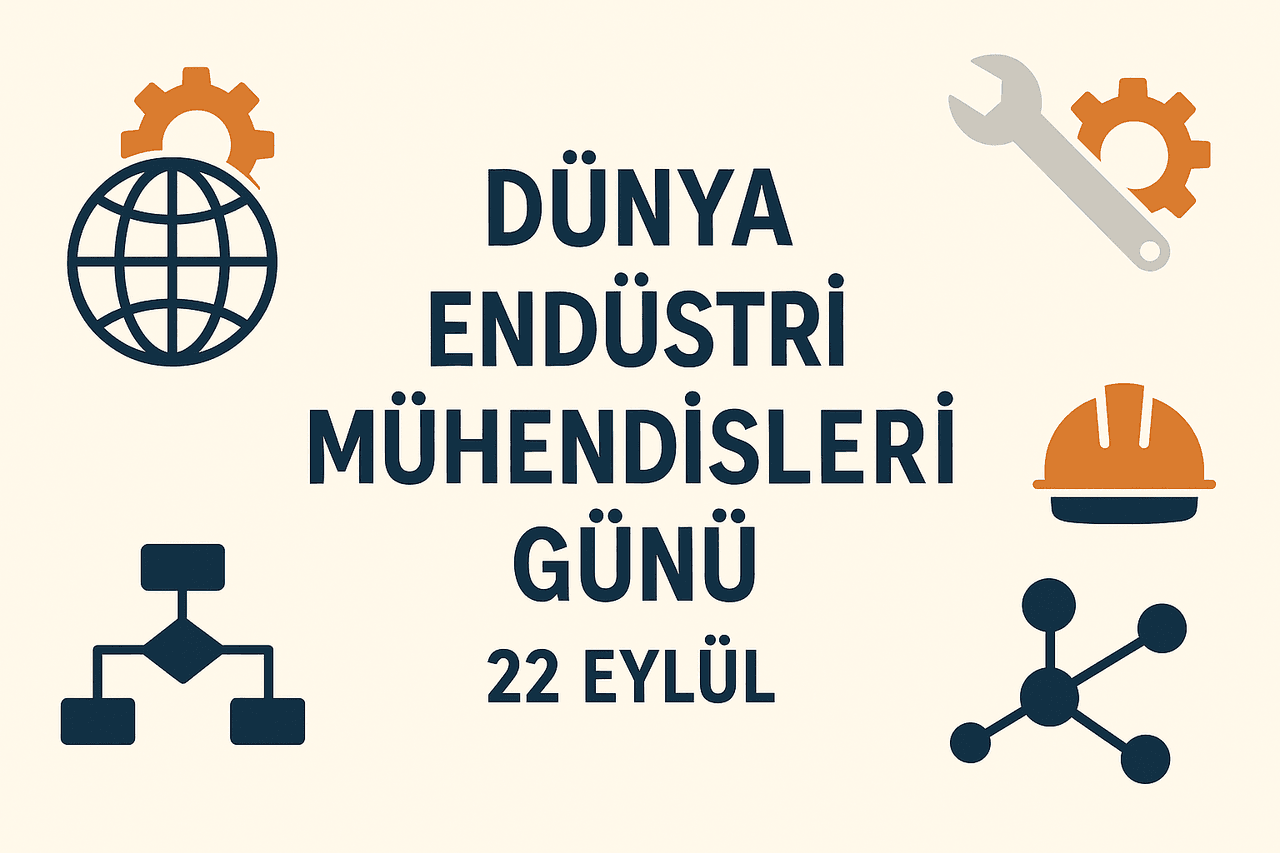
World Industrial Engineers Day is a special day dedicated to the profession of industrial engineering, observed annually on 22 September. On this day, industrial engineers and industrial engineering students around the world — particularly in Türkiye — celebrate their profession and raise awareness of its importance to society and industry. Although it is often confused with the broader concept of “World Engineers Day” — which encompasses all engineering disciplines — World Industrial Engineers
EN
Sabiha Meyra Şahinler
World Industrial Engineers Day
World Industrial Engineers Day is a special day dedicated to the profession of industrial engineering and is observed annually on 22 September. On this day, industrial engineers and industrial engineering students around the world – particularly in Türkiye – celebrate their profession and raise awareness of its importance to society and industry. Although it is often confused with the broader concept of “World Engineers Day” – a distinct observance covering all engineering disciplines – World In
ENSabiha Meyra Şahinler
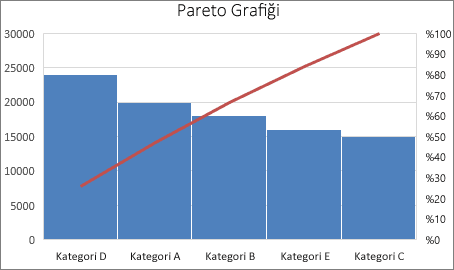
Pareto Chart
Pareto chart (Pareto diagram) is a bar graph in which data are ordered by their relative importance. The lengths of the bars represent the frequency or cost of each problem or cause and are arranged in descending order with the longest bar on the left. Above the bars a curve indicates the cumulative percentage of these values. History Developed in the 20th century within the framework of Vilfredo Pareto’s “vital few – trivial many” principle, the Pareto chart emerged from Pareto’s 1906 observati
ENSabiha Meyra Şahinler
PMBOK® Guide
The PMBOK® Guide (A Guide to the Project Management Body of Knowledge - PMBOK® Guide) is the most comprehensive and globally accepted standardized body of knowledge in the field of project management, published by the Project Management Institute (PMI). PMBOK® Guide - Project Management Body of Knowledge This guide, first published in 1996, was developed to systematize the project management profession, ensure unity of practice, and create a common language. It has been updated in parallel with
ENSabiha Meyra Şahinler

Industrial Engineering
Industrial engineering is the branch of engineering that plans and manages resources such as people, machines, materials, information, and energy in the most effective way to increase the efficiency of systems, processes, and organizations. The goal is to develop sustainable solutions by increasing quality and productivity while reducing costs. Industrial engineering contributes significantly to the successful completion of projects by providing a systematic, analytical, and holistic perspective
ENSabiha Meyra Şahinler
 Fi
FiFish Gill Arch Diagram
The fishbone diagram, also known as the Ishikawa diagram or cause-and-effect diagram, is an analytical tool frequently used in quality management and problem-solving processes. This diagram visually organizes the potential causes of a specific problem in a systematic manner. The use of systematic analysis tools in quality management is critical for process improvement and the identification of root causes. The cause-and-effect diagram developed by Kaoru Ishikawa facilitates the visual analysis o
ENRumeysa Borozancı