

`ideology` Related Article Results
Postmodern History
Postmodern history is an approach that argues the past cannot be treated as a fixed and objective reality; rather, historical writing is a process constructed through language, discourse, power relations, and the historian’s subjective interpretation. This approach approaches grand narratives (meta-narratives) with skepticism and asserts that history is merely a reinterpretation produced within specific contexts and always open to revision. Postmodern history emphasizes that truth may have multi
EN
Mehmet Salih Çoban
 De
DeDevice Theory
Apparatus Theory is a film theory that argues cinema is more than merely a entertainment and art form; it functions as a system encompassing ideological and psychoanalytic elements. Cinema is not merely a storyteller but is viewed as a powerful ideological building that shapes the viewer’s perception of the world. Developed in the 1970s by French film theorists Jean-Louis Baudry and Christian Metz, this theory analyzes how cinema’s technology and narrative structure shape the viewer within a spe
EN
Abdurrahman Abdul Mujeeb
Modern Myths
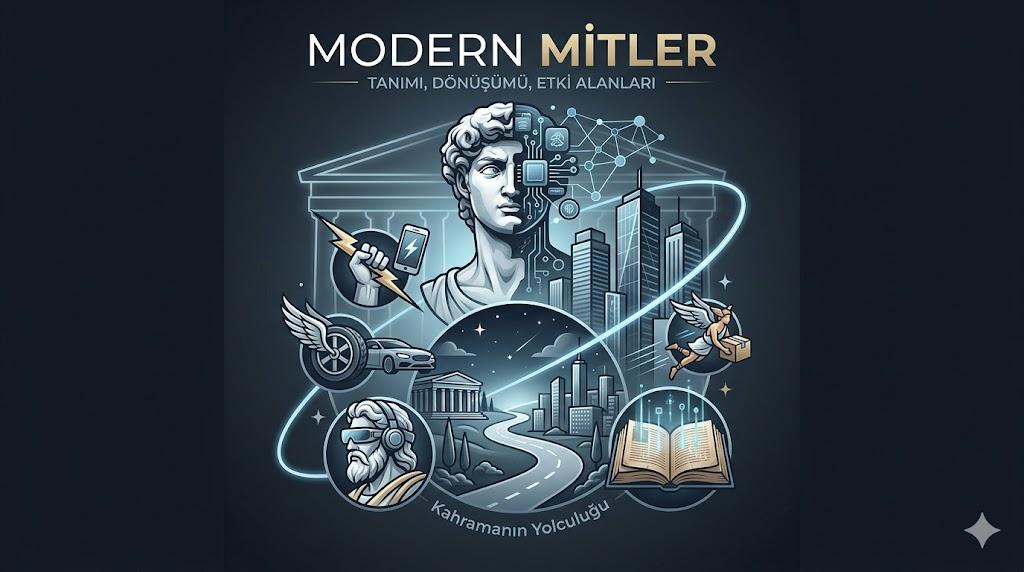
Modern Myths, despite the Enlightenment’s rationalist worldview and the dominance of the positivist paradigm, refer to the new forms and secular sacralities that mythic thought has assumed in contemporary society.【1】 Traditionally defined, myth encompasses sacred narratives such as folk tales and creation stories, but at its core it is a philosophy and mode of thought belonging to every era of human existence. The fundamental function of myths is to impose order on complex experiences, knowledge
EN
Büşra Tuğa
Thatcherism
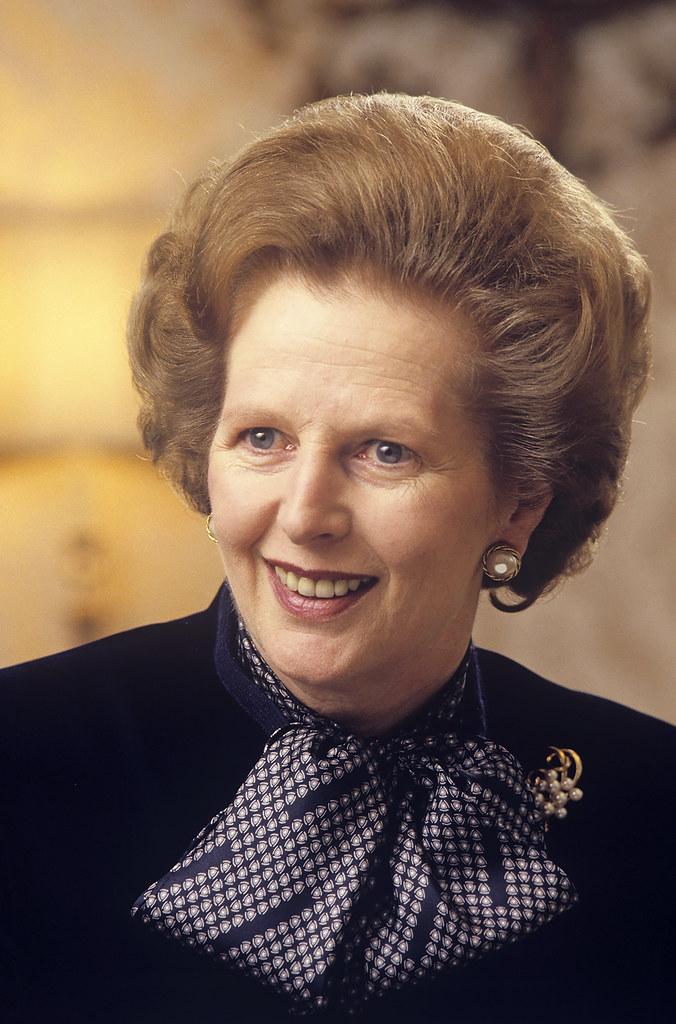
Thatcherism is a political approach developed under the leadership of Margaret Thatcher, who served as Prime Minister of the United Kingdom from 1979 to 1990. It advocates economic liberalization and a reduction in the role of the state. This ideological framework represents not only the policies adopted during Thatcher’s tenure but also a lasting political legacy that continued to influence governance after her term. Thatcherism emerged as a response to the postwar dominance of the social democ
EN
Şeyma Kanter
Thatcherism
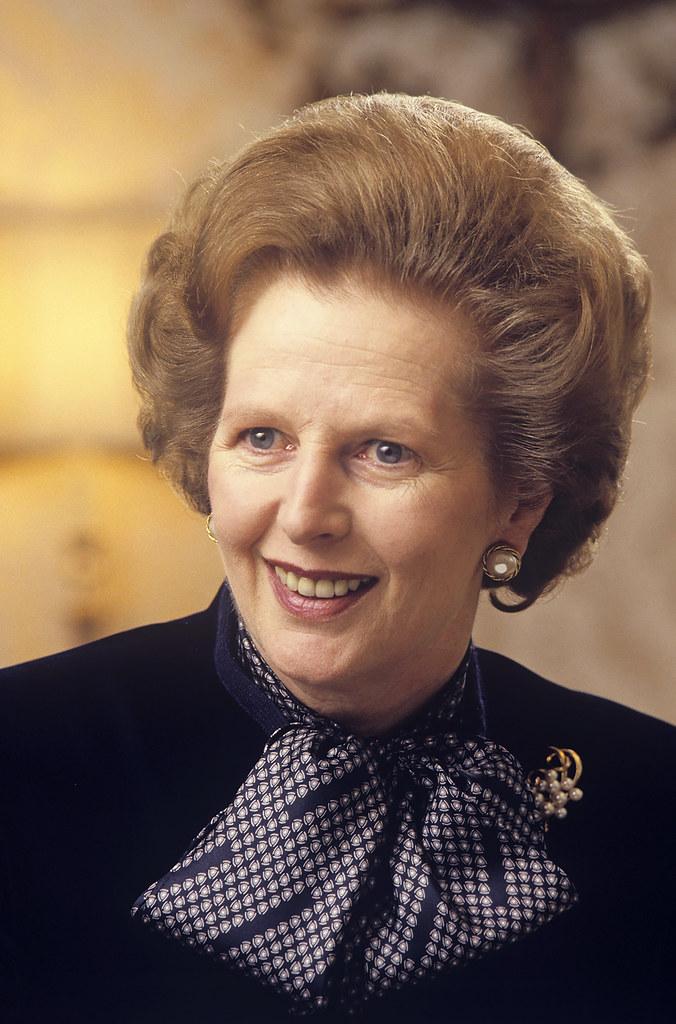
Thatcherism is a political approach shaped under the leadership of Margaret Thatcher during her tenure as Prime Minister of the United Kingdom from 1979 to 1990, advocating economic liberalization and a reduction in the role of the state. This ideological framework represents not only the policies adopted during Thatcher’s time in office but also a political legacy that continued to exert influence after her term ended. Thatcherism emerged as a response to the postwar British dominance of the so
EN
Şeyma Kanter

The Turks' Discovery of Themselves
The stage of history has witnessed the birth, rise, and, unfortunately, the disappearance of many nations. Yet there are some nations that, despite changes in geography and passage through turbulent periods, manage to rise again from their ashes. The Turks are precisely the most vivid embodiment of this dynamic and resilient history. How did this dynamic force emerging from the steppes come to transform into a lasting civilization that shaped the world for centuries? Let us embark on a brief but
EN
Mustafa Cem İnci