

`human-health` Related Article Results
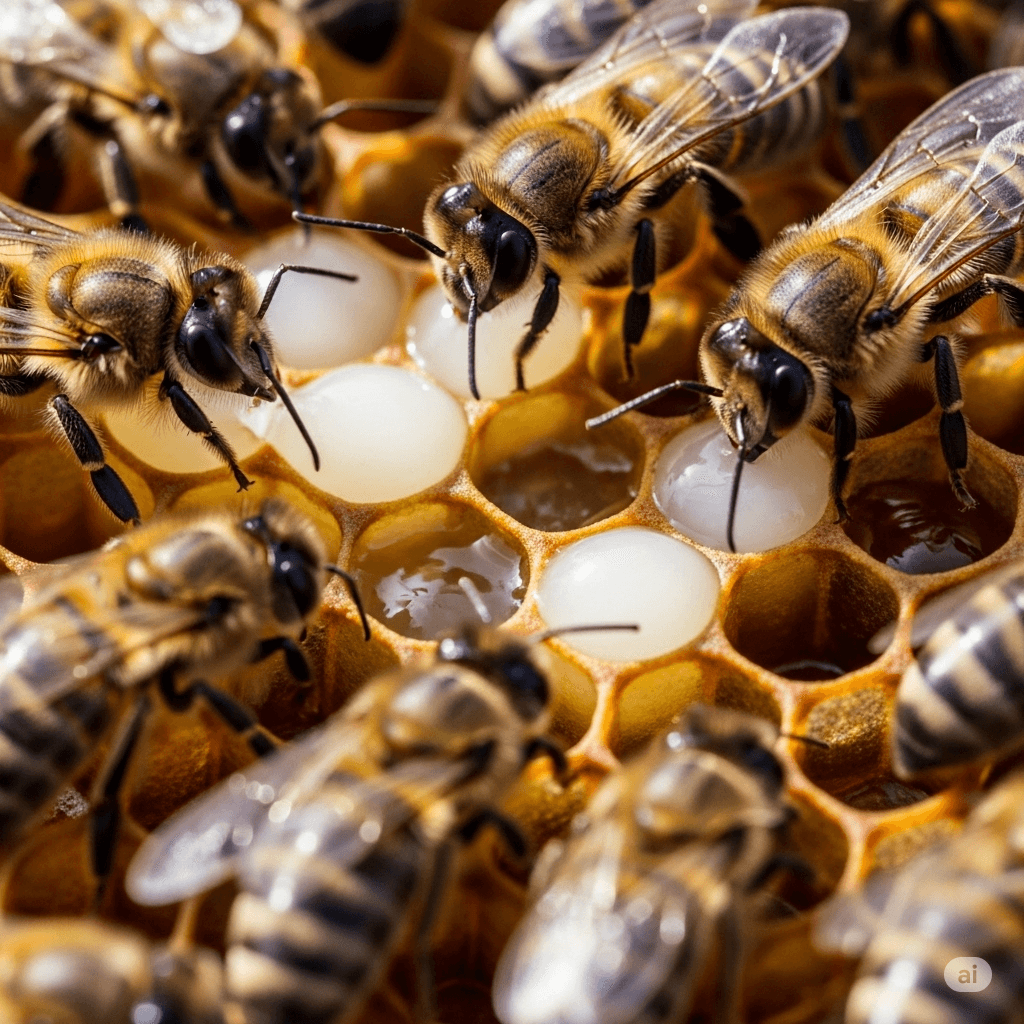
Royal Jelly
Bee venom is a nutritious, viscous substance produced by the secretory glands of worker bees. It serves as the primary nutritional source for the queen bee and young larvae. This secretion has significant biological effects that determine the development and differentiation of individuals within the bee colony. Physical Properties Fresh bee venom has a yogurt-like consistency and a homogeneous structure. Its color is pale beige or yellowish-white. It has a distinctive sharp, phenolic odor and a
EN
Yunus Emre Yüce
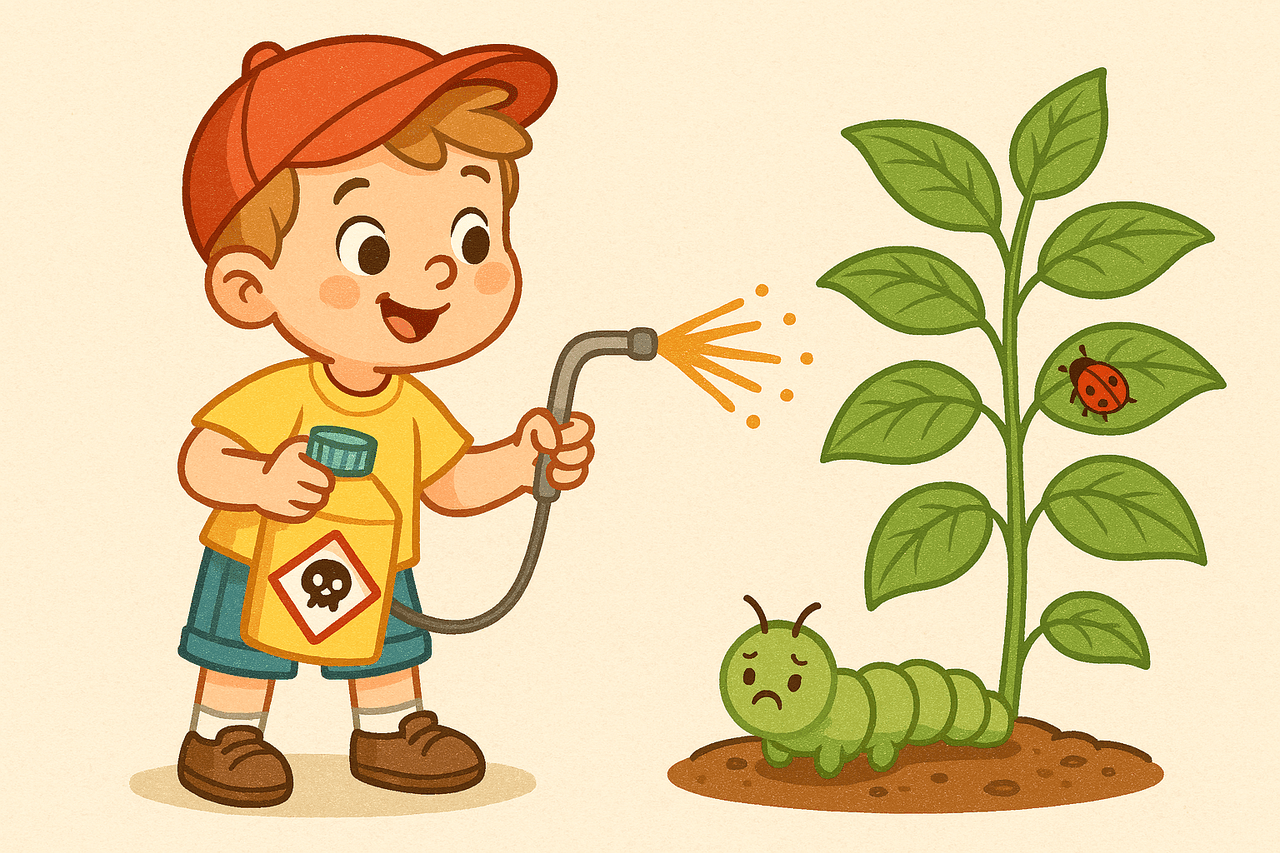
Pesticide
Pesticides are special substances used in agriculture and sometimes in our homes. What are they for, and what effects do they have? Let’s learn together! What Is a Pesticide? Pesticides are chemical or biological substances that protect plants. Insects, weeds, fungi, or other harmful organisms can hinder plant growth. Pesticides help plants grow healthily by keeping these harmful organisms away. For example, a chemical used to eliminate insects from an apple tree is a pesticide. Pesticides come
EN
Elif Laçin
 Bi
BiBioaerosols
Bioaerosols are significant components of the atmosphere composed of biological particles suspended in air. These particles include biological materials such as bacteria, fungal spores, viruses, pollen grains, and plant debris. Bioaerosols play a multifaceted role not only in ecosystem cycles but also in human health, air quality, and climate processes. Particles with diameters smaller than a few micrometers can be transported over thousands of kilometers integrated into atmospheric dynamics. Th
EN
Ahmet Burak Taner
VoVolcanic Ashes
Volcanic ash consists of fine mineral particles ejected into the atmosphere during volcanic eruptions, directly affecting both local and global ecosystems. These ash particles can vary in properties and concentration depending on factors such as the volcano’s magma composition, eruption intensity, and atmospheric conditions. During explosive volcanic eruptions, massive ash clouds can rise to the upper troposphere and sometimes even into the stratosphere. These events generate sudden and powerful
ENAhmet Burak Taner
WhWhat Is Daylight?
Sunlight is the natural light emitted by the Sun that illuminates the Earth’s surface. This light reaches our planet at different angles from morning until sunset. As sunlight passes through the atmosphere, it scatters and illuminates the Earth. This natural light enables us to see during the day and is one of the fundamental requirements for life. Without sunlight, our world would remain in darkness and life in nature would cease to exist. Role in Nature: Photosynthesis and Life Sunlight is ess
EN
İbrahim Filiz
FoFood Additives
Food additives are substances permitted to be used in the production, processing, preparation, packaging, transportation, or storage of food to preserve, correct, or prevent undesirable changes in the taste, smell, appearance, building and other qualities of food, even though they are not consumed as food themselves nor used as raw or auxiliary ingredients and may or may not have nutritional value, and may remain as residues or derivatives in the final product according to the requirements of se
EN
Sena Cengiz
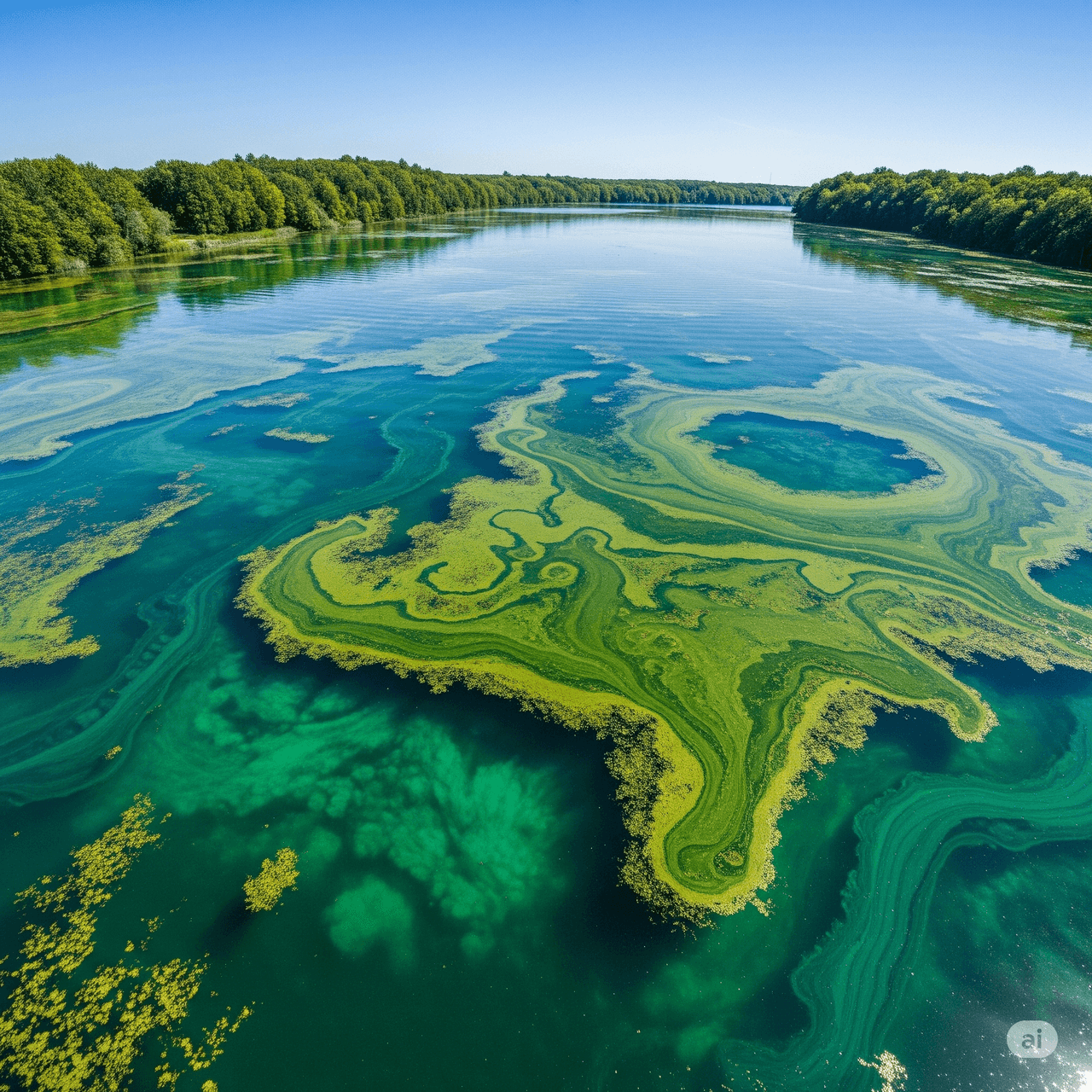
Algal Bloom
An algal bloom refers to the rapid increase or accumulation of microscopic algal species in marine or freshwater ecosystems, which can result in significant environmental, economic, and public health impacts. These phenomena are also known in scientific literature as "phytoplankton blooms," "microalgal blooms," or "red tides." Due to the ecological and toxicological diversity of the causative species, such events are commonly studied under the term harmful algal blooms (HABs). While algal blooms
EN
Ece Sude Kabadayı
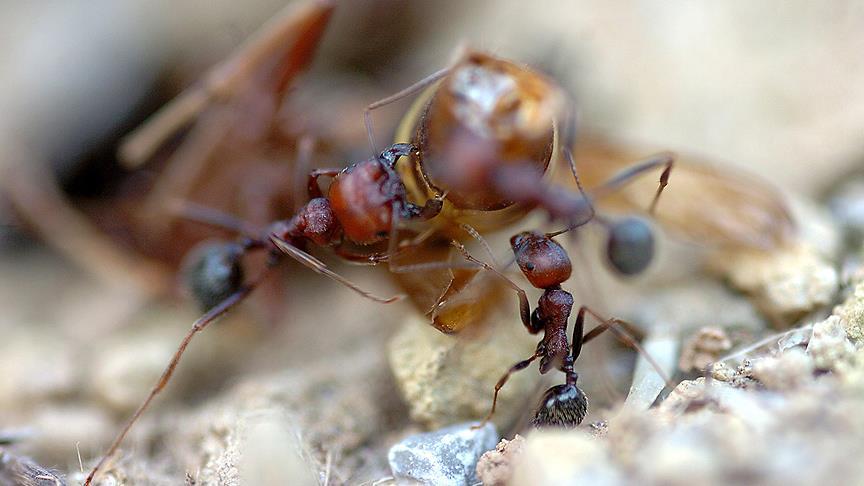
Solenopsis İnvicta
The fire ant (Solenopsis invicta) is an invasive and highly aggressive ant species native to South America. It was originally observed in the region where the borders of Paraguay, Brazil, and Argentina converge. Since the early 20th century, the species has spread to the United States and subsequently to other continents. It is believed to have arrived in the U.S. during the 1930s via imported agricultural products transported by sea. Over time, the species adapted to and spread across various c
EN
Samet Şahin
AfAflatoxin
Aflatoxins are mycotoxins produced by fungal species such as Aspergillus flavus, Aspergillus parasiticus, and Aspergillus nomius. These toxins are commonly found in both animal feed and food products consumed by humans. Contamination can occur at all stages from crop cultivation through processing to consumption. Aflatoxins are frequently detected in peanuts, hazelnuts, corn, wheat, rice, cocoa, coffee, dried fruits, milk and dairy products, as well as spices such as red pepper, black pepper, gi
EN
Nursena Güller