

`honesty` Related Article Results

Fair Play
Fair Play is an ethical concept based on honesty, adherence to rules, respect for opponents, and courteous behavior. This understanding reveals that sport is not merely a physical competition but also a cultural domain aimed at upholding moral values, mutual respect, and human dignity. Fair Play is regarded as a comprehensive ethical approach encompassing all individuals and institutions within the sporting environment. Ethical Foundations The concept of Fair Play is considered one of the fundam
EN
Melikcan BUDAK
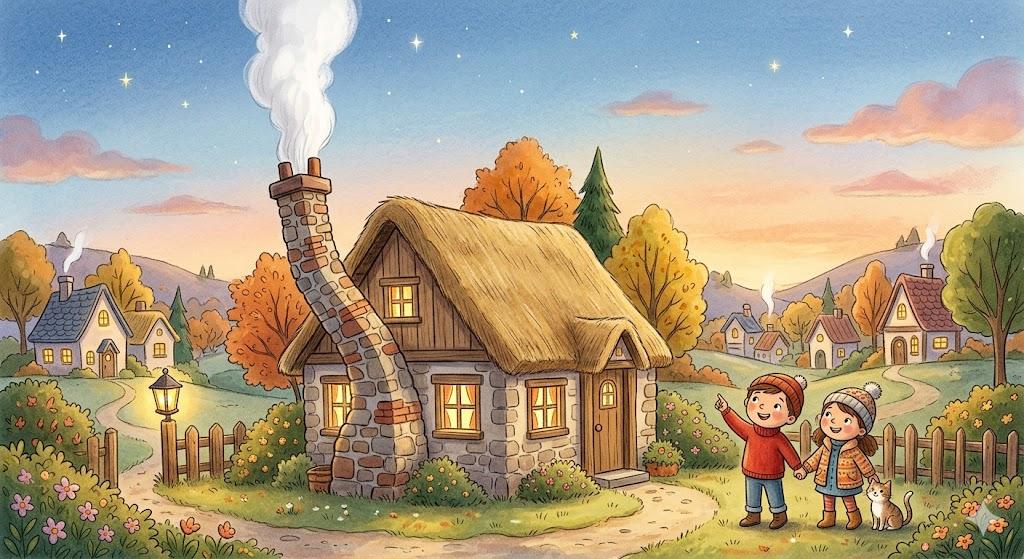
Even if the chimney is bent, the smoke comes out straight
Imagine a chimney on a house roof that is crooked. Does the smoke rising from it also twist and turn like the shape of the chimney? No, the smoke always rises straight toward the sky. This proverb illustrates that what matters most in people is not their outward appearance but the goodness and character within them. What Does This Proverb Mean? This proverb states that a person who is naturally good and honest will not lose these noble qualities no matter how difficult or unfavorable their surro
EN
gamze halil
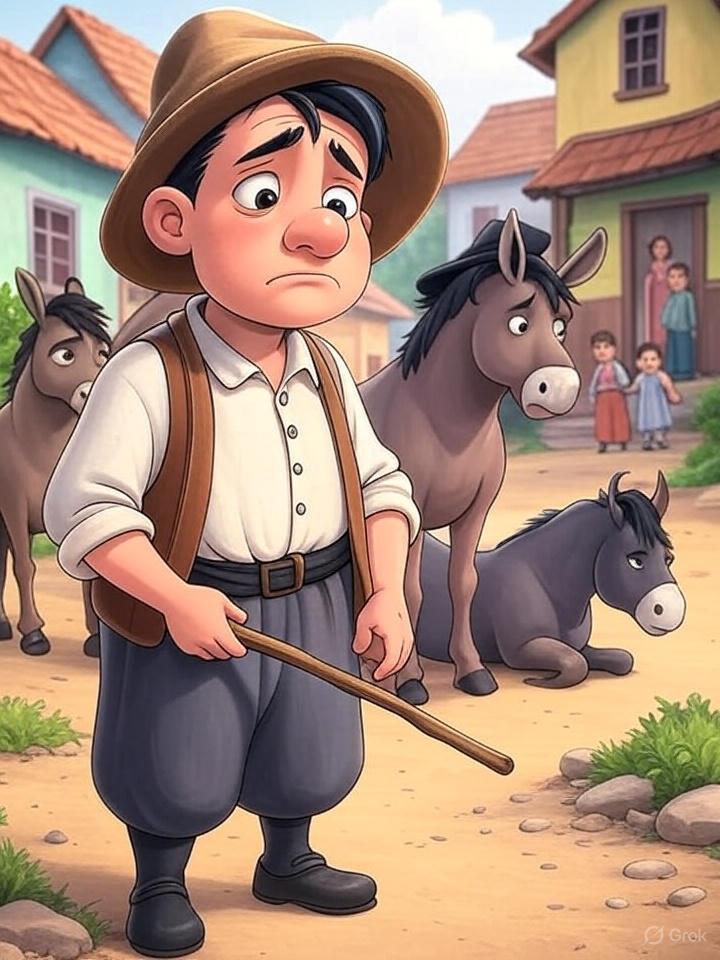
They Drive Out the Truth-Teller from Nine Villages
Telling the truth is not always easy, is it? The proverb “The one who tells the truth is driven out of nine villages” illustrates how honesty can sometimes upset people. But this proverb also highlights how valuable courage and truthfulness truly are. Let’s explore what this proverb means and how it appears in everyday life! What Does the Proverb Mean? This proverb expresses that when someone speaks the truth, they may be disliked or excluded by others. For example, if you tell a friend they did
EN
Ayşe Hümeyra Akkanat

Make Alavere Dalavere
In our lives, we sometimes witness that a task has not been carried out correctly or honestly. The expression “alavere dalavere yapmak” precisely describes this situation. It means that someone is doing something through deceit, secretly, and by tricking others. When you hear this expression, you might think that someone has played a trick or acted dishonestly. Where Does It Come From? 🧐 The origin of this expression is commonly traced back to trading frauds that occurred in markets during earl
EN
Nida Üstün
 Wh
WhWhere Is My Friend's House? (film)
Where Is the Friend’s House? (Persian: Khane-ye doust kodjast?) is a dramatic, family-themed film written and directed by Iranian filmmaker Abbas Kiarostami in 1987. The film centers on eight-year-old Ahmed, who accidentally takes his friend’s notebook and embarks on a journey to return it. Starring Ahmed Ahmed Poor and Mohammad Reza NematZadeh, the film has received international acclaim for its minimalist storytelling and authentic performances. A Scene from the Film (IMDb) " image-alternate="
EN
Elif İçyer
WhWhere Is My Friend's House? (film)
Where Is My Friend’s House? (Persian: Khane-ye doust kodjast?) is a dramatic and family-themed film written and directed by Iranian filmmaker Abbas Kiarostami in 1987. The film centers on eight-year-old Ahmed, who accidentally takes his friend’s notebook and embarks on a journey to return it. Starring Ahmed Ahmed Poor and Mohammad Reza Nematzadeh, the film has received international acclaim for its minimalist storytelling and performances. Plot Where Is My Friend’s House? begins when eight-year-
EN
Elif İçyer

What a Verse Has Said to Us Today in a World Where Curvature Has Been Normalized
"So be straightforward as you have been commanded."【1】 (Hud Sura, 11:112) Kur'an-ı Kerim's one of the most striking features is its ability to speak to the unchanging aspects of human nature, even as ages change. The command Be straightforward as you have been commanded in Hud Sura is one of the strongest examples of this. It is brief yet profoundly deep enough to guide every aspect of human life. For what is required here is not a momentary choice of truthfulness but its transformation into an
EN
Azra Ece Güney

Rise to the surface like olive oil
Rising to the top like olive oil means refusing to admit fault in a dispute and skillfully trying to prove oneself right. Sometimes, when playing games, we have friends who break the rules but then rise to the top by saying, “You didn’t see it right!”—this idiom perfectly describes such moments. (Generated by Artificial Intelligence) " image-element-format="right" image-height="1024" image-source="https://cdn.t3pedia.org/media/uploads/2026/02/26/k7oX0esOZW7xorEDsDQOwsarG9VXDxNH.png" image-width=
EN
Şehrinaz İrem Canbaba
Taking to Water and Bringing Back Thirsty
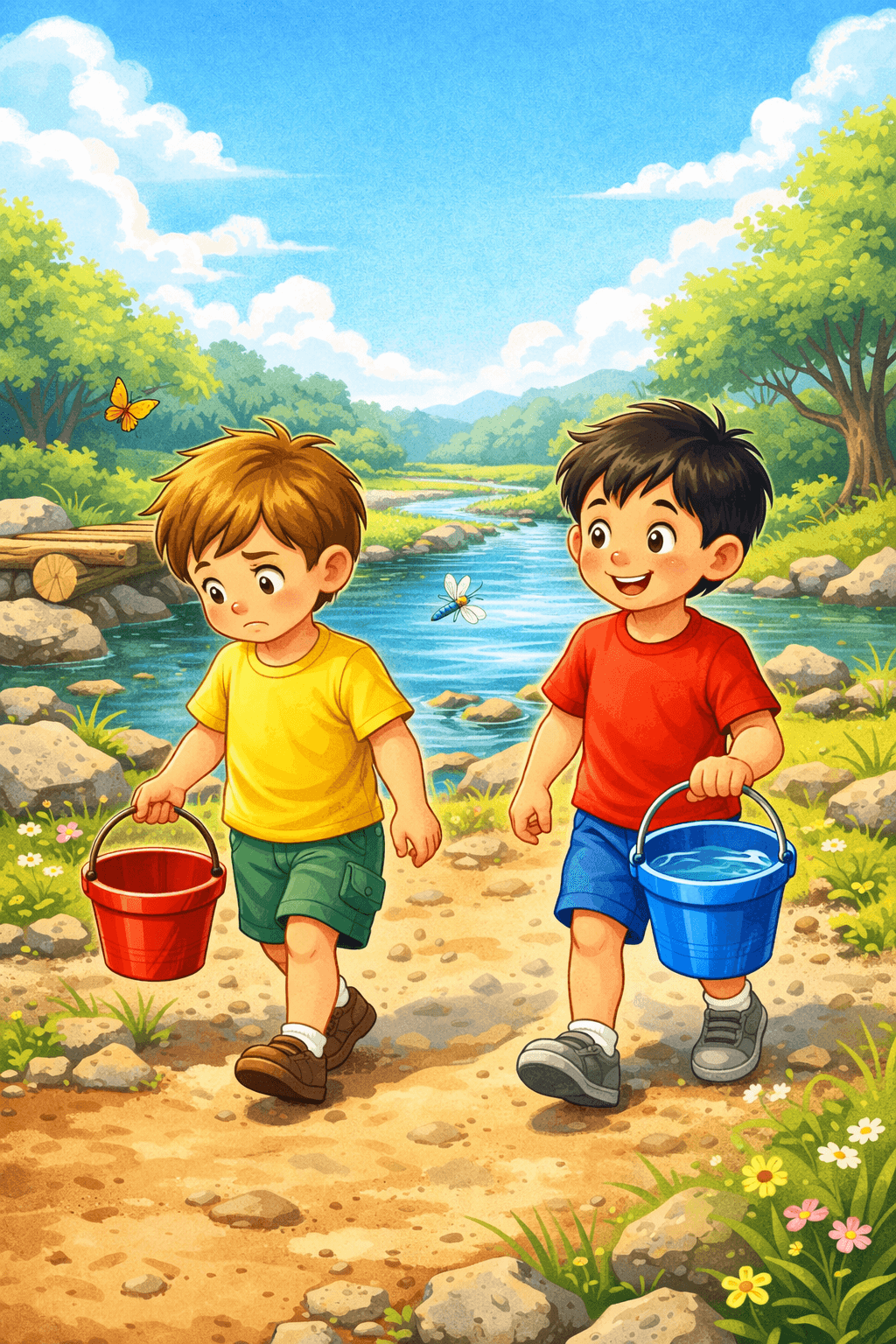
“To take someone to water and leave them thirsty” is an idiom. Idioms are fixed expressions in which at least one word carries a figurative meaning. They help us express emotions and situations concisely and effectively in everyday life. Where Does It Come From? The exact origin of this idiom is unknown. However, since the concept of “water” is highly significant in Turkish, it appears in many idioms. As water is one of the fundamental elements of life, it is frequently used in our language and
ENEylül BOLAT