

`hittite` Related Article Results
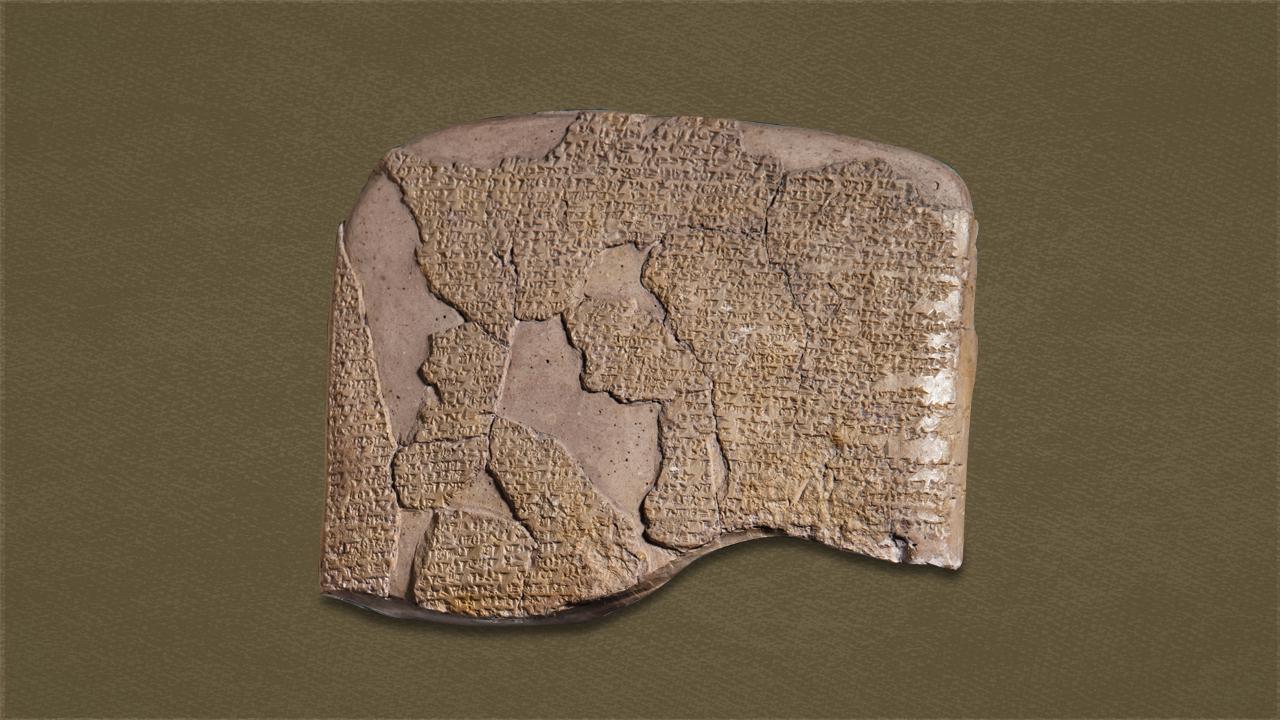
Treaty of Kadesh
The Treaty of Kadesh, regarded as a turning point in the history of diplomacy and international relations, is the earliest known written peace treaty to have survived from antiquity. It was signed in the 13th century BCE between the Hittite Empire and the New Kingdom of Egypt, two major powers of the era whose prolonged military and political rivalries culminated in the Battle of Kadesh in 1274 BCE. This conflict resulted in significant losses for both sides. Ongoing internal unrest and border t
EN
Hümeyra Yılmaz
 Th
ThThe Bracelet of Ninatta (Book)
The Bracelet of Ninatta is a historical novel by famous that blends historical and mythological elements. Set during one of the most powerful periods of the Hittite civilization, the story centers on the life of a young woman named Ninatta. War, love, betrayal, and ancient unfold within the mysterious world of novel, transporting the reader thousands of years into the past and immersing them in a narrative woven with historical events. The bracelet of Ninatta serves both as a personal memento an
EN
Beyza Nur Türkü
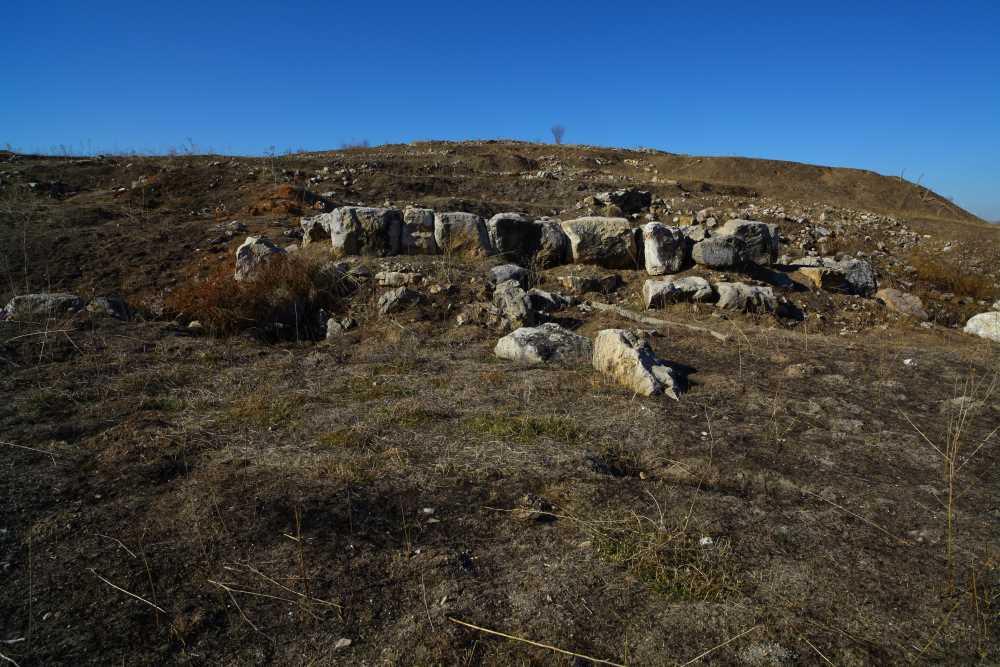
Zile Maşat Höyük
Maşat Höyük is an archaeological mound located within the boundaries of the Zile district of Tokat Province, exhibiting continuous settlement from the Middle Bronze Age to the Iron Age. Based on archaeological findings linked to Hittite written records, Maşat Höyük is one of the key centers illuminating the prehistoric and early historic periods of Anatolia, particularly noted for its archival remains and defensive structures from the Hittite period. Excavations have revealed the extent to which
EN
Yusuf İslam Tuğla
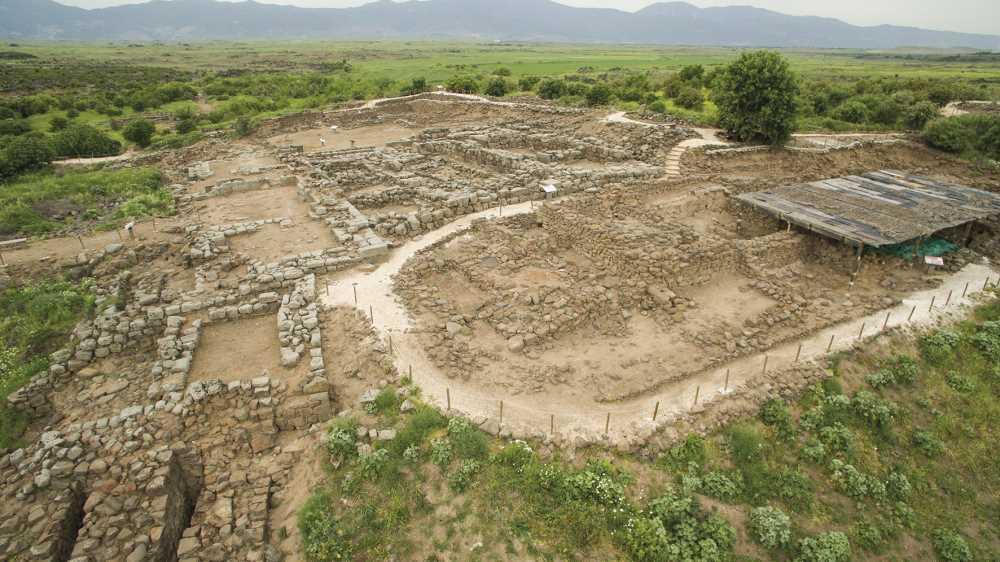
Tilmen Höyük
Tilmen Höyük is an important archaeological settlement located approximately 10 kilometers east of Gaziantep province’s İslahiye district and 2 kilometers west of Yelliburun village. Situated in the center of a rugged plain surrounded by volcanic basalt veins and hillocks, the mound consists of an oval-shaped hill 21 meters high, 220 meters long and 150 meters wide, with a 160-meter-long spur extending toward the west. The settlement area is enclosed by water channels formed by the tributaries o
EN
Meryem Şentürk Çoban
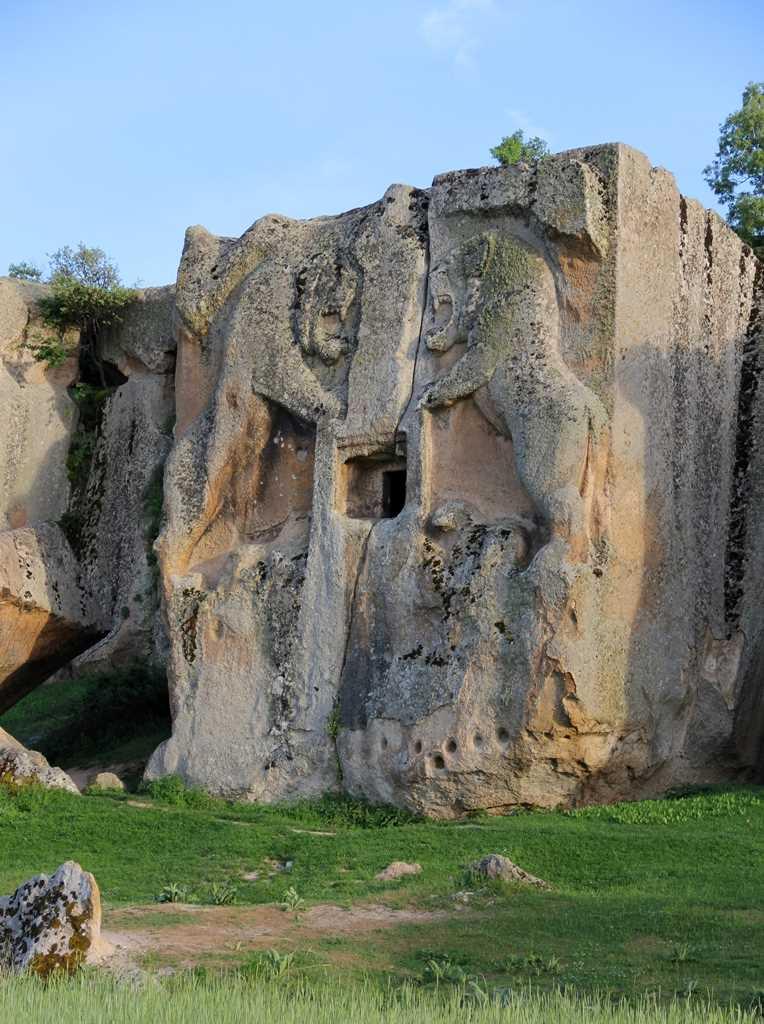
Aslantaş
Aslantaş is a monumental rock tomb located between Afyonkarahisar and Eskişehir. Standing approximately 11 meters high, this monument is considered one of the oldest rock structures in the region. Although generally regarded in scholarly literature as a Phrygian work, some researchers have proposed that it may be of Hittite origin due to its architectural features and symbolic reliefs.M. Çetin Şahin. "Büyük Aslantaş: Frigya'da Bir Hitit Kaya Mezarı." Archivum Anatolicum-Anadolu Arşivleri 1 (1995
ENMeryem Şentürk Çoban

Hittite University (HİTÜ)
Hitit University is a public university established by Law No. 5467, which came into effect on 17 March 2006. The university is located in the Çorum province of Türkiye. The foundation of Hitit University is based on academic units previously affiliated with Gazi University and situated in Çorum. These units were reorganized in 2006 as a new and independent university. History During its establishment, Hitit University received several units from Gazi University, including the Faculty of Economi
EN
Nida Üstün
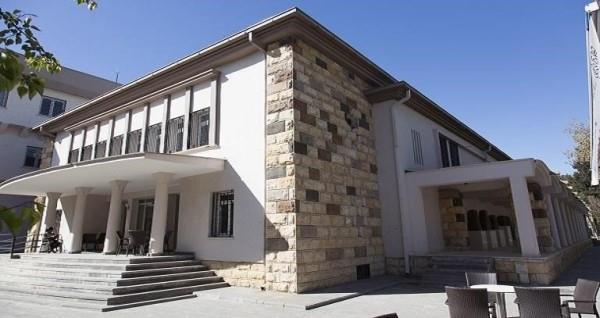
Gaziantep Archaeology Museum
Gaziantep Archaeology Museum is one of the most important archaeological centers in Southeastern Anatolia. It attracts attention with its rich collection spanning a broad chronological range from the Paleolithic period to the Roman and Byzantine eras. The museum systematically displays artifacts obtained from mounds and excavations in the region, presenting the development of Anatolian civilizations in a chronological order. Foundation and History Museum activities in Gaziantep began in 1944. Th
EN
Meryem Şentürk Çoban
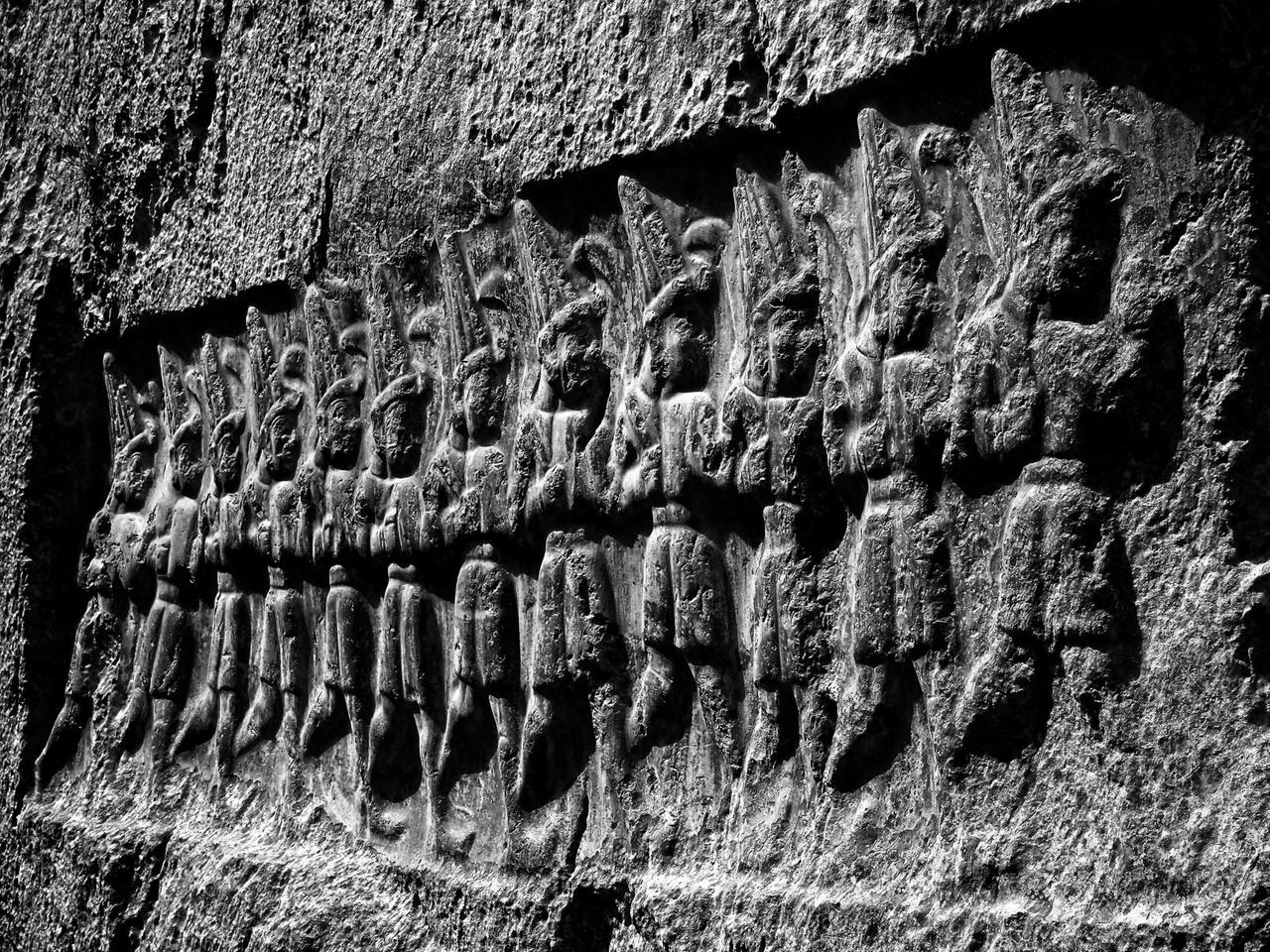
Hittite Art
Hittite art is one of the most powerful religiously grounded artistic traditions in Anatolia. For the Hittites, art was not merely an aesthetic expression; it was a means to make the presence of the gods visible, to solidify ritual practice, and to sanctify social order. Therefore, understanding Hittite art is equivalent to understanding their religion and mythological worldview. Artistic production was constructed entirely upon the foundations of worship, ritual, and divine representation. The
ENMeryem Şentürk Çoban
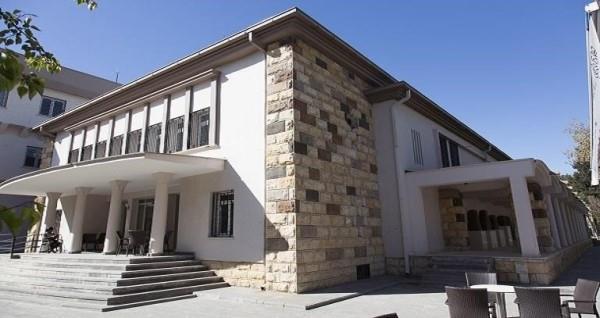
Gaziantep Archaeology Museum
Gaziantep Archaeological Museum is one of the most important archaeological centers in Southeastern Anatolia. It attracts attention with its rich collection spanning a broad chronological range from the Paleolithic period to the Roman and Byzantine eras. The museum systematically displays artifacts obtained from mounds and excavations in the region, presenting the development of Anatolian civilizations in chronological order. Foundation and History Archaeological museum activities in Gaziantep b
ENMeryem Şentürk Çoban
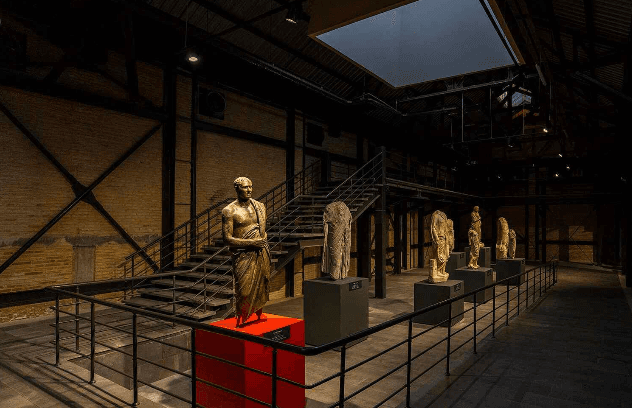
Adana Archaeology Museum
Adana Archaeology Museum was established in 1924 shortly after the proclamation of the Republic and is one of Türkiye’s oldest ten museums. The museum’s foundations were laid with the collection of nearby column capitals and sarcophagi displayed in the Adana Police Department building. Its development began after Halil Kamil Bey was appointed as its first director. In 1928 it was opened to the public in the madrasa section of the Cafer Paşa Camii, located at the head of Taşköprü and now demolish
EN
Ahsen Güneş