

`history-of-science` Related Article Results
Liber Abaci
Liber Abaci is a foundational mathematical work written by Italian mathematician Leonardo Fibonacci in 1202 and revised in 1228. Written in Latin, this book is regarded as one of the turning points in modern European mathematics due to its critical role in introducing the Hindu-Arabic numeral system to Europe. Liber Abaci had a profound impact not only on theoretical mathematics but also on commercial calculations and everyday practical applications. Purpose and Content The primary aim of Liber
EN
Nihal Fırat Özdemir
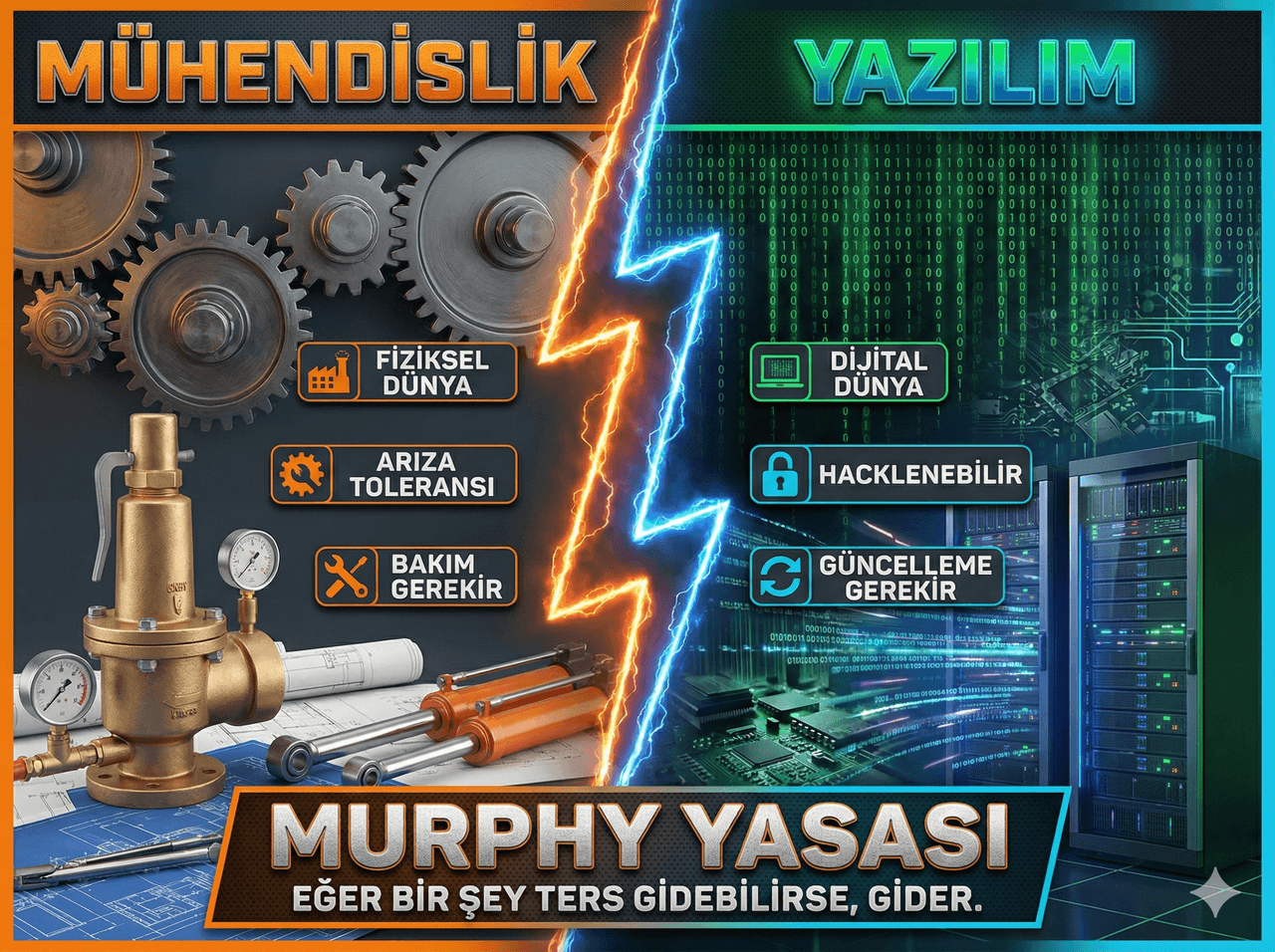
Murphy's Law
Murphy’s Law is a concept rooted in engineering safety principles, originally expressed in its most basic form as “if anything can go wrong, it will go wrong.” Over time, it has become established in popular culture, scientific analyses, and management theories as a principle of pessimistic probability, representing a perspective that emphasizes systems’ vulnerability to failure and the inevitability of errors. Historical Origins and Emergence The naming and formulation of this concept stem from
EN
Yunus Emre Yüce
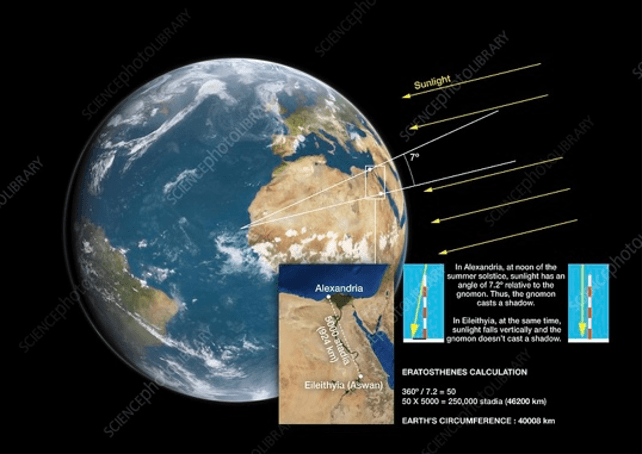
How Was the Diameter of the Earth Measured Thousands of Years Ago?
In ancient times, scientific knowledge was obtained with limited means. Nevertheless, despite these challenges, people succeeded in acquiring knowledge that transcended the limits of their era through observation and rational reasoning. One such individual was the Greek mathematician and geographer Eratosthenes, who lived in 235 BCE. His method for calculating the Earth’s diameter is still regarded today as a prime example of scientific ingenuity. Eratosthenes’ Method Eratosthenes knew that on t
ENSeniha Rabia Özder

Conversations on the History of Science (Book)
Science History Conversations is a work compiled in interview format by Sefer Turan, containing the life, memories, and views on the history of science of Turkish historian of science Prof. Dr. Fuat Sezgin. The first edition was published in 2010 by Timas Publishing under the title “Fuat Sezgin, Historian of the Sciences”; subsequent editions have been presented to readers under the title “Science History Conversations”. The work explores the life story, academic journey, and perspective on the
EN
Meryem Beyza Utkulu
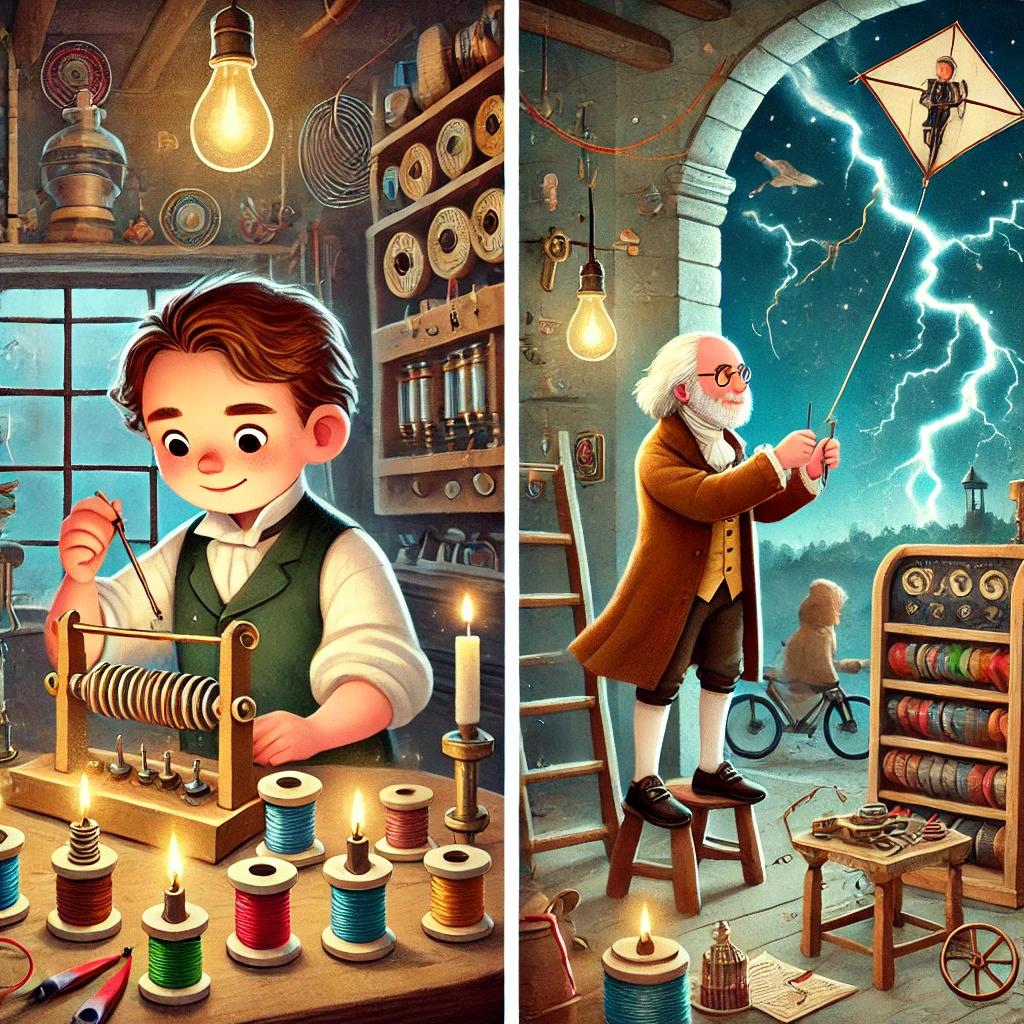
The Story of Electricity: Our Encounter with Light
Electricity Already Existed in Nature Electricity existed in nature long before humans discovered it. Lightning struck across the sky, and massive electrical discharges occurred when clouds rubbed against each other. Even some animals — such as electric eels — could generate their own electricity. But for a long time, humans did not understand what this power was. Earliest Signs of Electricity in Antiquity In the 600s BCE, the ancient Greek philosopher Thales noticed something curious when he ru
EN
Seda Özdemir
How Was the Periodic Table Discovered?
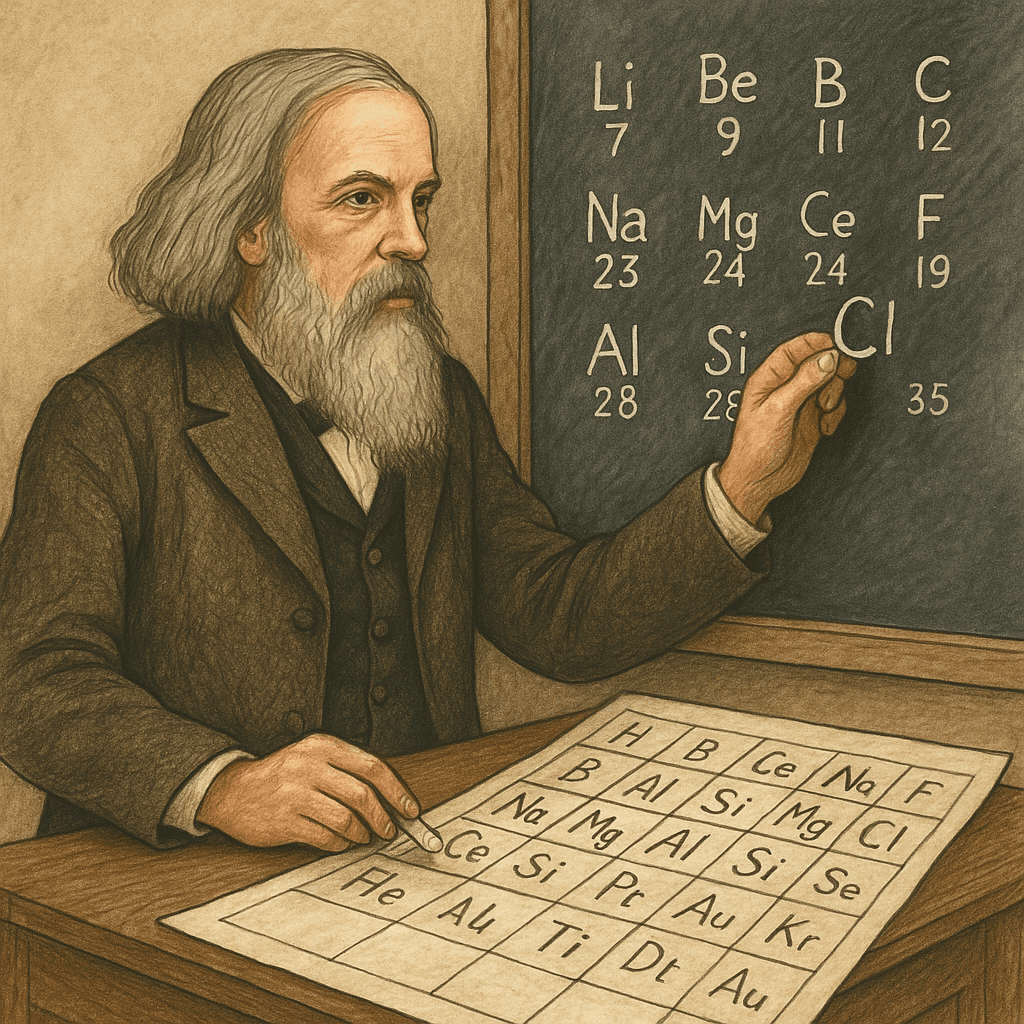
Throughout history, humans have examined the materials around them and attempted to classify them. Although in ancient times substances such as water, air, earth, and fire were considered “classical elements,” the discovery of true elements began only after the 1600s. An element is a pure substance that cannot be broken down into smaller components. (Periodic Table: Türkiye Kimya Derneği) " image-element-format="right" image-source="https://cdn.t3pedia.org/media/uploads/2025/08/06/kuOmJ7PRwKcLWM
EN
Hikmet Can Urhan
Atilla Bir
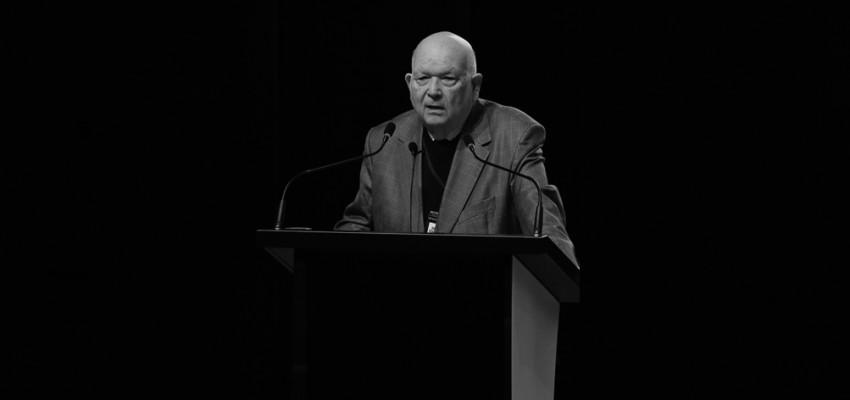
Prof. Dr. Atilla Bir is an academic who has made contributions in both engineering sciences and history of science. He completed his education in electrical and control engineering in Germany and spent many years as a faculty member at Istanbul Technical University, teaching both theoretical and applied courses in systems and control engineering. Professor Bir, who bridged his engineering expertise with historical inquiry, is particularly known for his technical and historical analyses of mechan
EN
Seher Yıldız Külünk
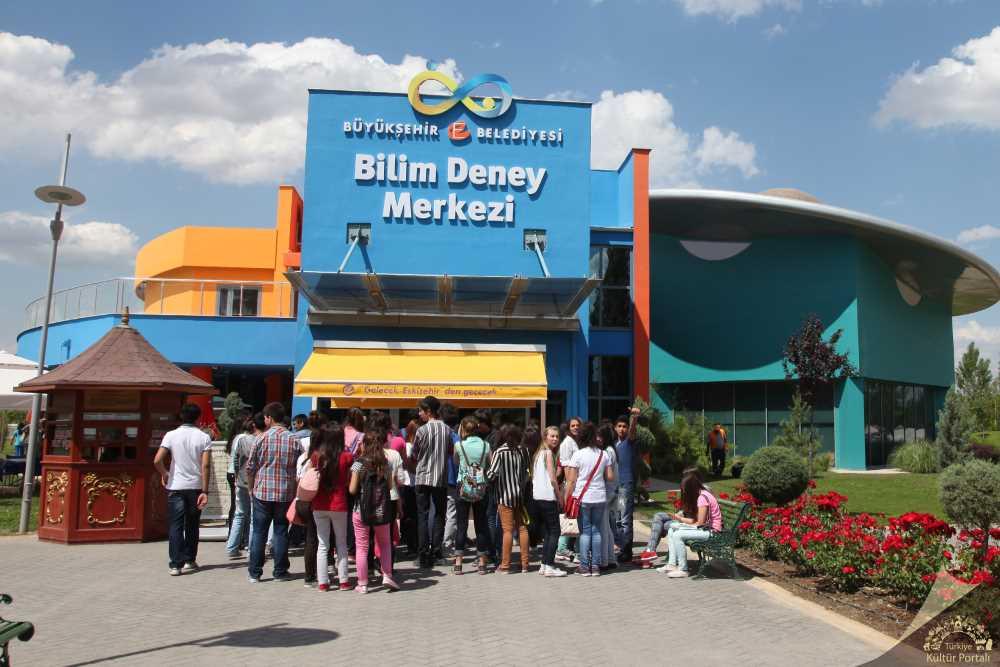
Science Experiment Center (Eskişehir)
Eskişehir Science Experiment Center, is an educational and cultural center where visitors learn scientific concepts through hands-on experiments. The center aims to increase the interest of primary and secondary school students in science and technology. It promotes an experiential learning model rather than rote memorization of information. Where Is It Located? Eskişehir Science Experiment Center was established by the Eskişehir Metropolitan Municipality and is located within the Sazova Science
EN
Nida Üstün
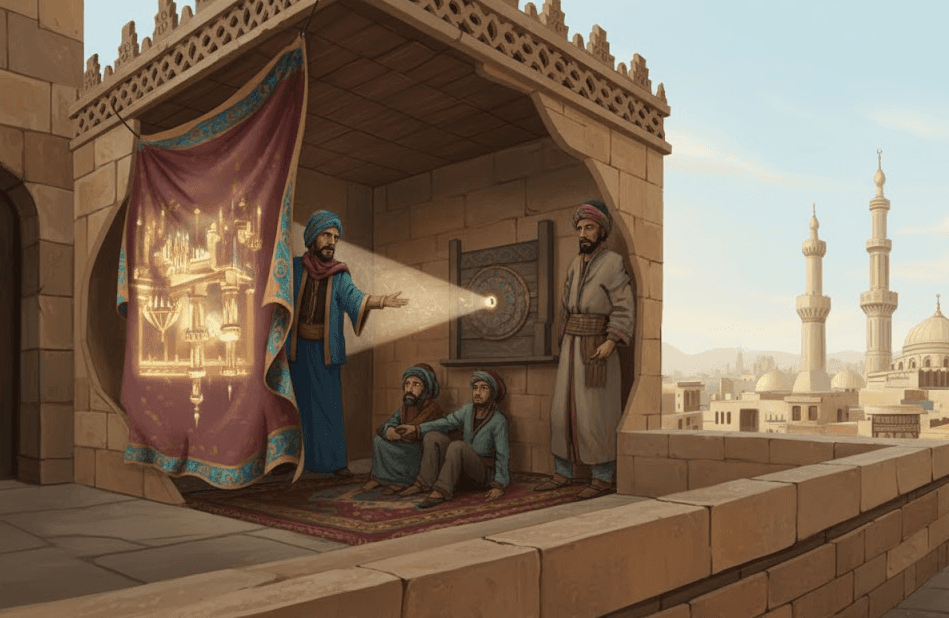
History of Optics
Optics, according to the Kubbealtı Lugatı Sözlüğü, is defined as "the branch of physics that studies light and phenomena related to light" . The earliest concepts of light were rooted in religious origins. For example, in Ancient Egypt, light was regarded as a divine power emanating from the eye of the sun god Ra. Similarly, in the Bible, light is described as a being created by God on the first day of creation. In these sacred texts, light is associated with goodness, while darkness is linked t
EN
Nihal Fırat Özdemir
 Me
MeMeraga Observatory
Maragheh Observatory was an astronomical center established in the city of Maragheh in Azerbaijan in the 13th century by the renowned scholar Nasir al-Din al-Tusi on the orders of the Ilkhanid ruler Hulagu Khan. Recognized as one of the most important scientific institutions of the medieval Islamic world the observatory functioned both as a research center for observational activities and as a higher education institution. Some historians have regarded it as the “first modern observatory” that s
EN
Fatma Sümeyra Koray