

`history-of-medicine` Related Article Results
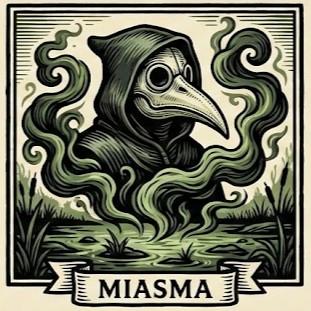
Miasma Theory
The miasma theory is a medical approach that attributes the origins of epidemics and general health problems to poisonous vapors emitted by decaying organic matter, swamps, stagnant waters, or unsanitary environmental conditions that corrupt the atmosphere. According to this concept, diseases arise not from specific microscopic agents but from the deterioration of the air surrounding individuals. The theory asserts that “atmospheric pollution” is the decisive factor in disease formation, particu
EN
Muhlis Daşdemir
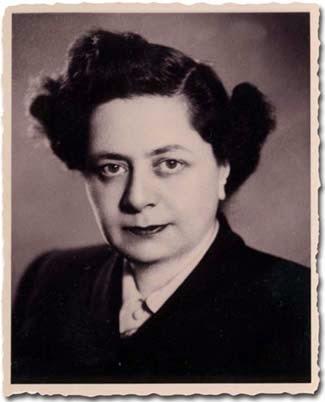
Kamile Şevki Mutlu
Kâmile Şevki Mutlu (1906–1987) was Türkiye’s first female medical professor and first female pathologist. Throughout her academic career, she conducted pioneering work in pathology, histology, and embryology, and developed a cell-staining method named after her. Mutlu was the founding head of the Department of Histology and Embryology at Ankara University Faculty of Medicine and became the first woman elected to the university senate. In addition to her scientific contributions, she played a his
EN
Enis Sarıalioğlu

Sources on Eye Diseases in the Ottoman Empire
Ottoman civilization, eye health and eye diseases have been an important field not only as individual health issues but also as a reflection of the development of medicine practices and the medical understanding of the era. Surviving portraits of sultans, miniatures, and written medical texts provide significant information regarding these practices and knowledge about eye health. Visual and written sources reveal how observed symptoms were defined, which treatment methods were applied, and how
ENVildan Akın
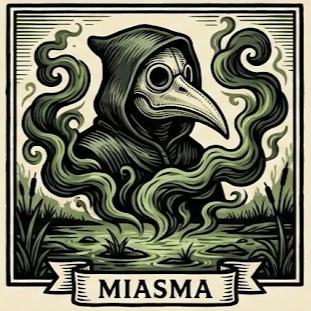
Miasma Theory
The miasma theory is a medical approach that attributes the origins of epidemics and general health problems to poisonous vapors emitted by decaying organic matter, swamps, stagnant waters, or unsanitary environmental conditions that pollute the atmosphere. According to this concept, diseases arise not from specific microscopic agents but from the degradation of the quality of the air surrounding individuals. The theory asserts that “atmospheric pollution” plays a decisive role in disease format
EN
Muhlis Daşdemir

Sabuncuoğlu Museum of Medicine and Surgical History
The Sabuncuoğlu Museum of Medicine and Surgical History is a significant medical history museum formed through the functional transformation of a historic health facility located in the city center of Amasya. The museum was established following the restoration of the historic Bimarhane, which housed some of the earliest examples of music-based therapeutic practices in Anatolia. The building, which has served various purposes across different periods from the Middle Ages to the present, holds a
EN
Ahsen Güneş

Tanganyika Measles Epidemic (1962)
The Tanganyika Laughter Epidemic was an extraordinary social-psychological event that began on January 30, 1962, at a girls’ school in the village of Kashasha, within the boundaries of present-day Tanzania, and rapidly spread to surrounding villages and schools. The outbreak was characterized by uncontrollable laughter, crying, restlessness, and at times violent behavior. Initially associated with humor or a contagious illness, subsequent medical and psychological investigations concluded that t
EN
Nurten Yalçın
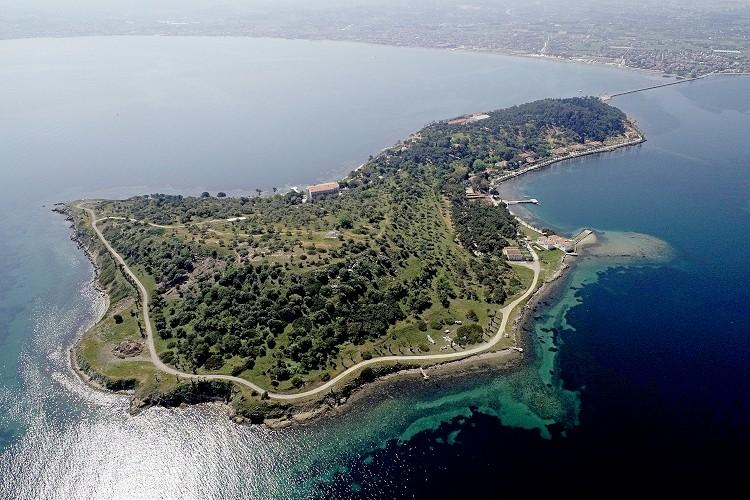
Quarantine Island
Karantina Adası is an island located off the coast of Urla district in İzmir, with a historical continuity as part of the ancient Klazomenai settlement. The island possesses a multi-layered cultural landscape marked by archaeological remains from antiquity and 19th-century quarantine buildings. Today it is managed by institutions and protection units under the Ministry of Health. Karantina Adası (Anadolu Ajansı) " image-alternate="" image-element-format="right"> History Karantina Adası has be
EN
Fatmanur Mavibaş