

`history-of-mathematics` Related Article Results
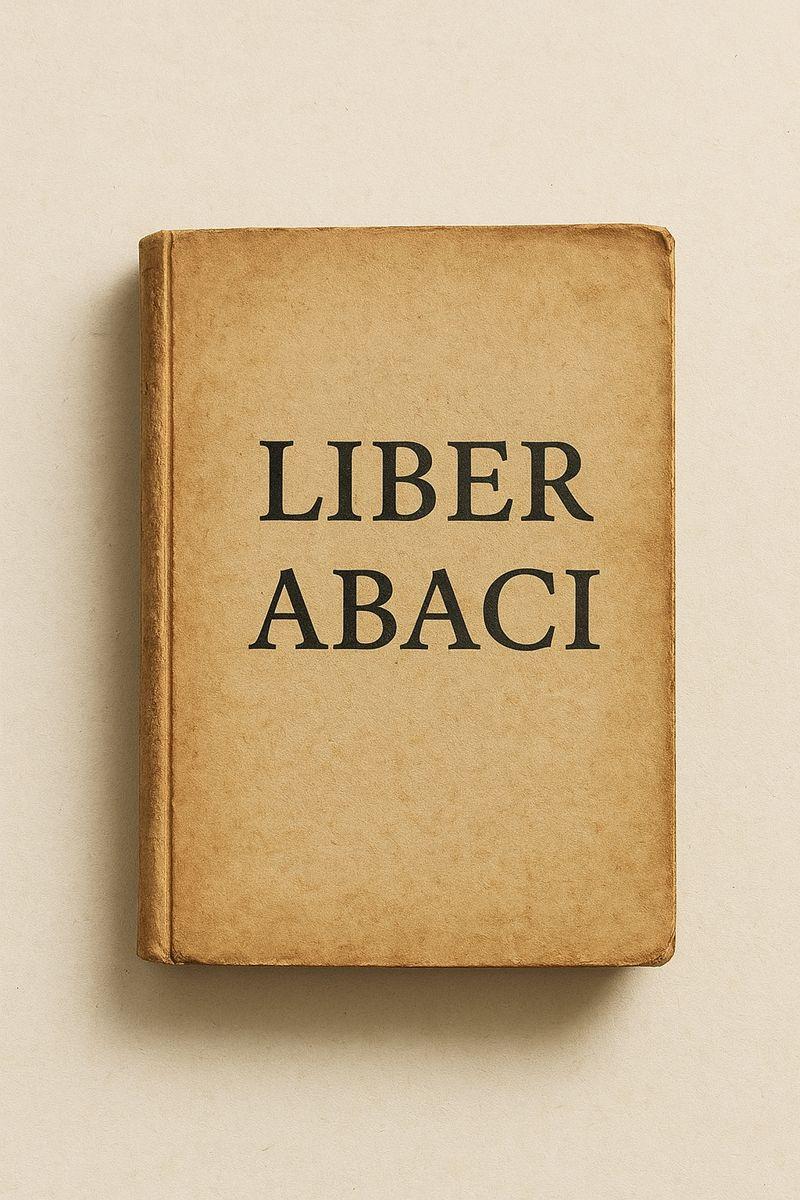
Liber Abaci
Liber Abaci is a foundational mathematical work written by Italian mathematician Leonardo Fibonacci in 1202 and revised in 1228. Written in Latin, this book is regarded as one of the turning points in modern European mathematics due to its critical role in introducing the Hindu-Arabic numeral system to Europe. Liber Abaci had a profound impact not only on theoretical mathematics but also on commercial calculations and everyday practical applications. Purpose and Content The primary aim of Liber
EN
Nihal Fırat Özdemir
 Ab
AbAbacus
The abacus is one of the oldest calculating tools developed to perform arithmetic operations such as addition, subtraction, multiplication and division. It typically consists of beads arranged on parallel rods or wires placed within a rectangular frame. Each bead represents a different place value—units, tens, hundreds, thousands—depending on its position. Moving the beads toward one side of the rod indicates the value of the corresponding place. The structured and visual representation provided
EN
Nihal Fırat Özdemir
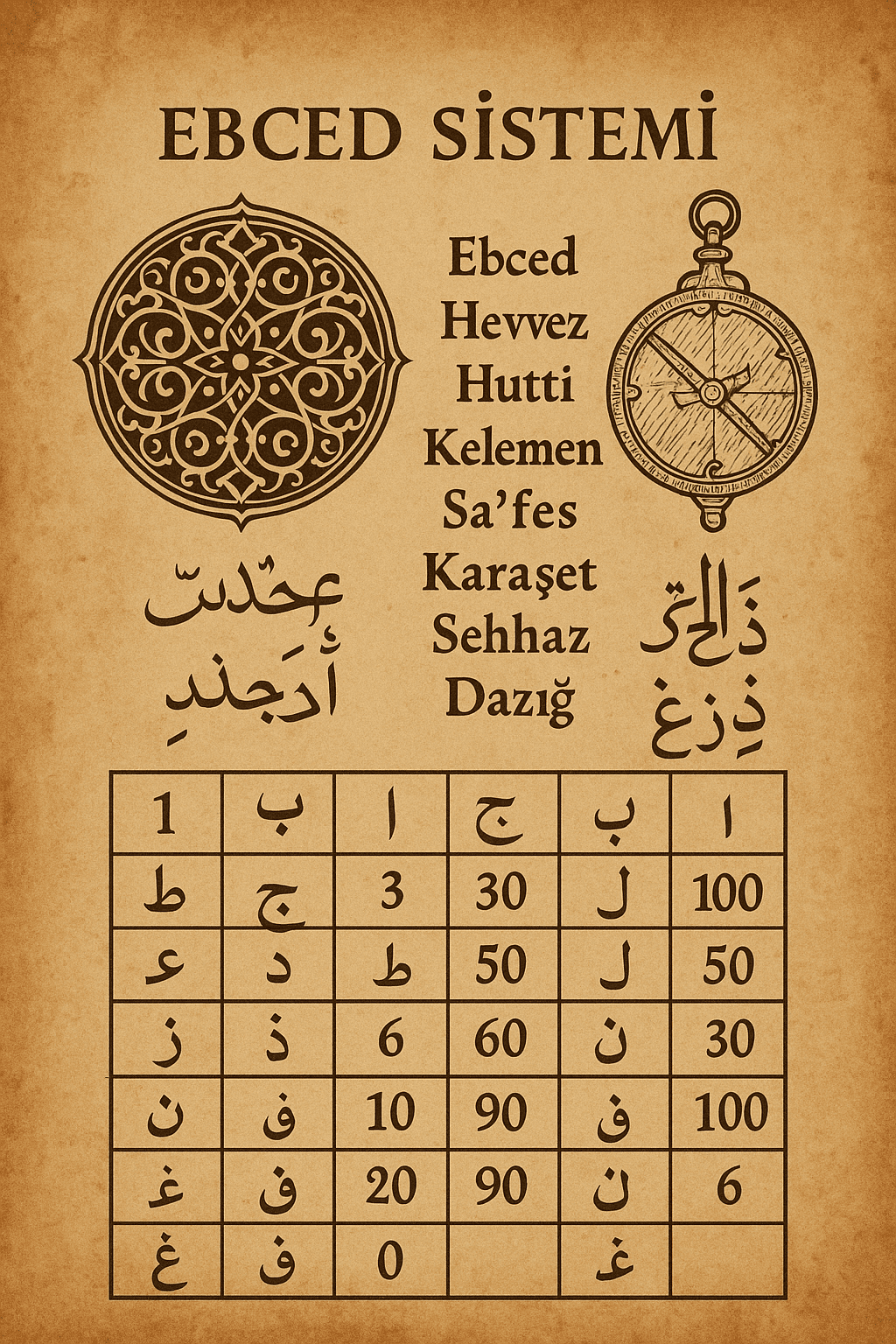
Abjad System
Abjad is an ancient numeral system in which letters of the Arabic alphabet are assigned numerical values. Also known as “Jummal Numbers,” this system was widely used for centuries in the Islamic world, particularly in mathematics, astronomy, chronology, Sufism, literature, and architecture. The abjad system is not merely a mathematical coding method but also a metaphysical tradition that imbues letters with the potential to generate meaning, history, and prophecy. History and Origins The abjad s
EN
Seher Yıldız Külünk
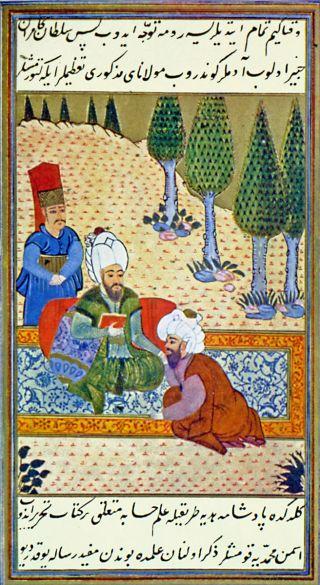
From Samarkand to Istanbul: Ali Qushji's Astronomical Legacy
Ali Kuşçu was a distinguished scholar, mathematician, and observer who lived in the 15th century and is regarded as one of the founders of astronomical education in Osmanlı. He is believed to have been born in Samarkand and to have acquired the epithet “Kuşçu” because his father served as the falconer-in-chief (doğancıbaşı) to Ulugh Bey. As a youth, he received his education at the Ulugh Bey Observatory, one of the most advanced scientific centers of his time. There he studied mathematics astron
EN
Rahşan Kızıltepe
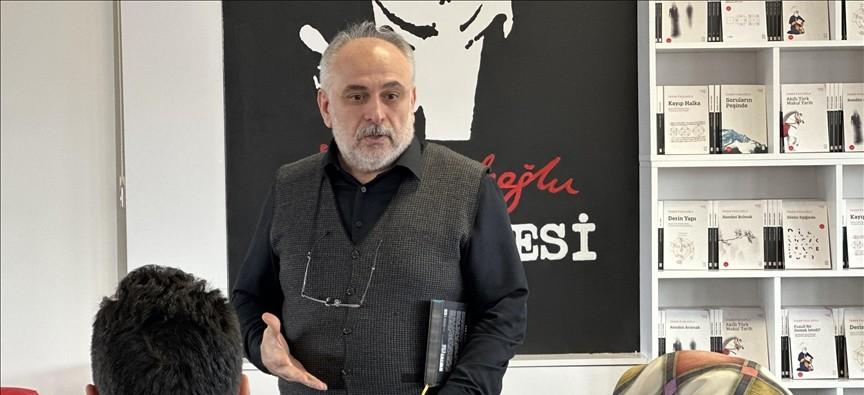
Ihsan Fazlıoğlu
İhsan Fazlıoğlu is a Turkish academic and thinker who has conducted research in the fields of the history of Islamic thought, history of science and history of mathematics. Fazlıoğlu has examined the philosophical and epistemological structure of classical Islamic thought and has held teaching positions at various universities while actively participating in academic activities. Childhood and Youth He was born in Ankara in 1966 to a family from Trabzon. After completing primary and secondary edu
EN
Eyüp Uygun