

`history-of-istanbul` Related Article Results
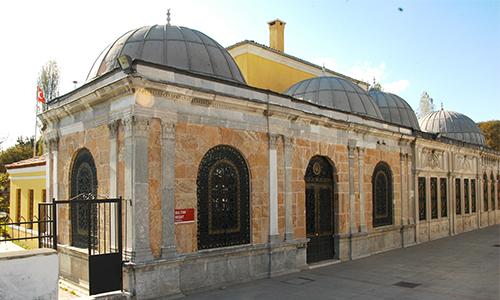
Adile Sultan Türbesi
Adile Sultan Türbesi is an architectural structure located at the end of Bostan İskelesi Street in the Eyüpsultan district of Istanbul, built in the mid-19th century and containing the tombs of members of the Ottoman dynasty and state officials. Location and Environmental Features The structure is situated to the left of Hüseyin Paşa Türbesi and directly opposite the Hüseyin Paşa Library.【1】 The area where the türbe stands is historically known for its proximity to Bostan İskelesi, the pier wher
EN
Gözde Cabadak
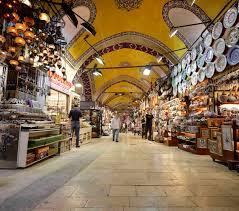
Covered Bazaar
The Grand Bazaar is located at the intersection of the Beyazıt, Nuruosmaniye and Mercan neighborhoods of Istanbul and covers an area of place. It is one of the largest and oldest covered markets in the world. Founded during the Ottoman Empire period, this trade center has played a decisive role in the economic and cultural life of the city for centuries, both through its architecture and its social function. Today, with more than 60 streets, 4,000 shops and an average of 250,000 to 400,000 visit
EN
Ahsen Güneş
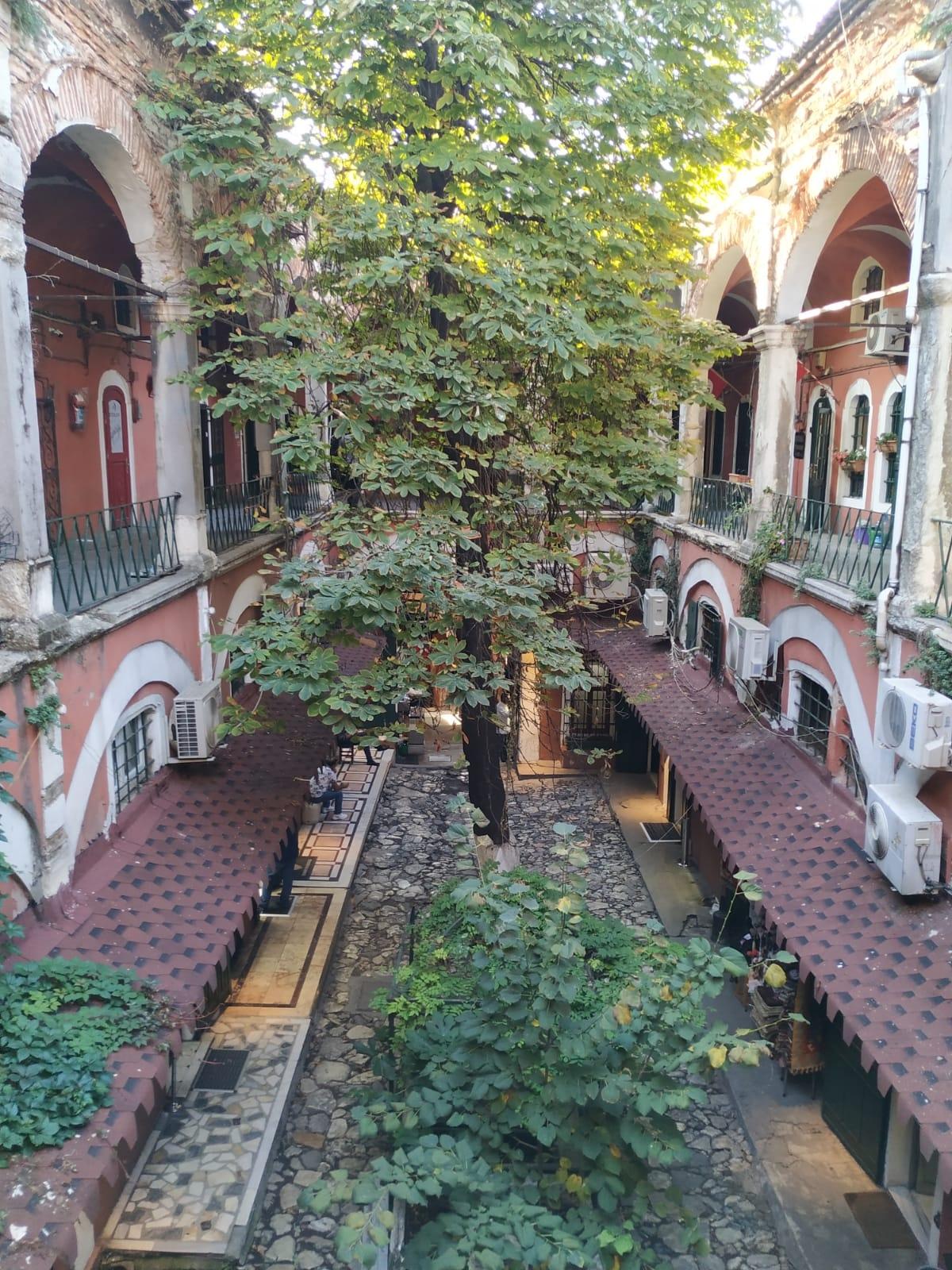
Zincirli Han
Zincirli Han is one of the characteristic structures of the Istanbul Covered Bazaar and exemplifies Ottoman commercial life. Built in 1708, it is a single courtyard, two-story inner caravanserai with no direct external access. The ground floor contains shops, while the upper floors house workshops and lodging spaces—a layout preserved to this day. The building retains much of its original architectural identity through its rubble stone and brick arches, historic stone flooring, terracotta-colore
EN
Yusuf Bilal Akkaya
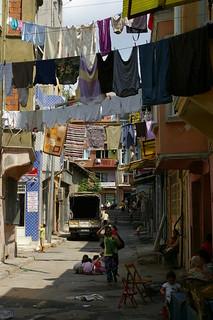
Tarlabaşı (Neighborhood)
Tarlabaşı is a historic neighborhood located in the Beyoğlu district of İstanbul, northeast of the Haliç. It encompasses an area bounded by Dolapdere Caddesi to the north, Tarlabaşı Bulvarı (where Cumhuriyet Caddesi meets Taksim Meydanı) and the British Embassy Building to the south.【1】 Over its historical development, the neighborhood has undergone major demographic, physical and sociological transformations and is today associated with phenomena such as migration, poverty, urban renewal and "s
EN
Kadriye Beyza Kirenci
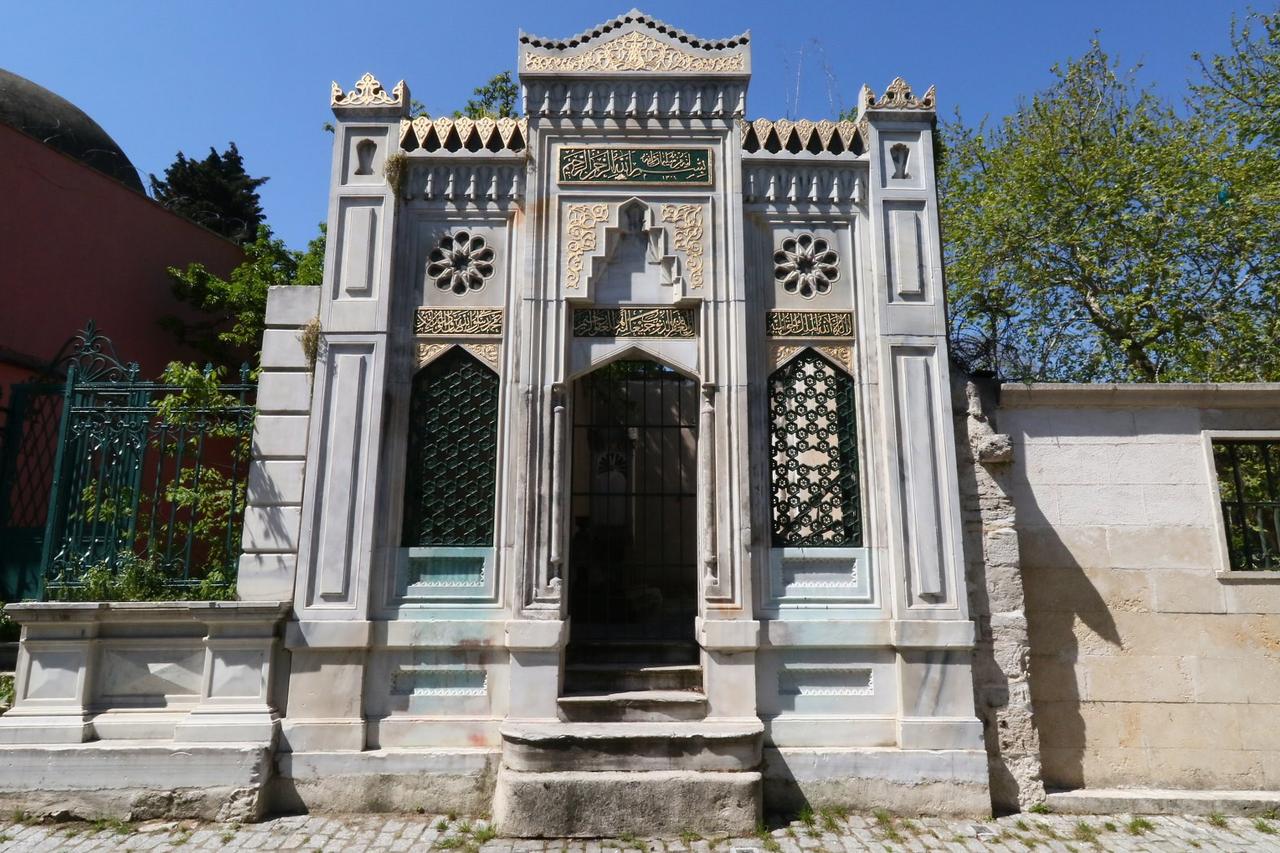
Tomb of Fatma Şerife Hanım
The Fatma Şerife Hanım Türbesi is an open-air tomb structure located on Boyacı Sokağı in the Merkez Mahallesi district of Eyüpsultan, Istanbul, dating to the early 20th century and exhibiting Ottoman architectural features.【1】 Geographical Location and Setting The türbe is situated on Boyacı Sokağı in the Eyüpsultan district, directly opposite the entrance of the Sadrazam Hüsrev Paşa Tekkesi. It is located to the right of the Hasan Hüsnü Paşa Türbesi and between the İzzet Efendi Türbesi and the
ENGözde Cabadak
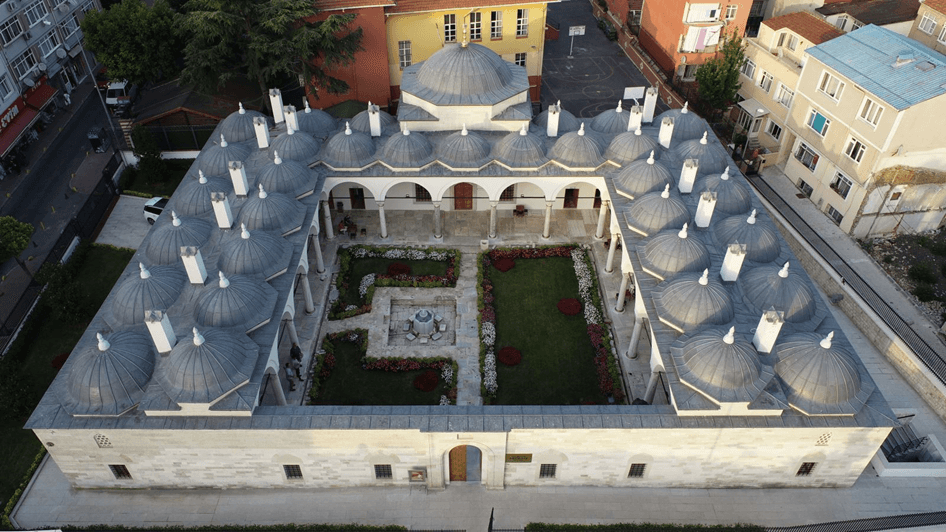
Medrese Davutpaşa Graduate Research Center
Medrese Davutpaşa is a significant historical structure located in the Fatih district of Istanbul, built during the Ottoman era. Constructed in 1485 under the reign of Sultan Bayezid II by Grand Vizier Davud Pasha, the medrese reflects the architectural and social aspects of the educational understanding of its time. As part of the Davud Pasha Complex, which also included a mosque, soup kitchen, bathhouse, and caravanserai, the medrese played an important role in the social and cultural life of
EN
Kerem Akıl