

`hiroshima` Related Article Results

Ono Asari
Ono Asari is a type of short-necked clam (sand clam) that grows to a shell length of 35 mm or more. Its flesh is meaty and plump. Ono Asari is a registered Geographical Indication (GI) product in Japan. Harvest and Method Fishermen manage their fishing areas within their assigned blocks and harvest oysters only on their own blocks, using hand-digging with rakes at low tide. During harvest, small oysters lacking the characteristics of Ono Asari are returned to their designated fishing grounds. On
EN
Nursena Şahin

Toyoshima Tachiuo
Toyoshima Tachiuo, Japonya'nın Hiroşima Eyaleti, Kure Şehri, Toyohamaço'daki Toyoshima açıklarında avlanan bir kılıç balığı (cutlass fish) türüdür. Bu balık, Toyoshima'daki balıkçılar arasında nesilden nesile aktarılan, balık ağları kullanılmadan gerçekleştirilen bir avlanma tekniği ile yakalanır. Coğrafi İşaret (GI) olarak 84 kayıt numarasıyla korunmaktadır. Özellikleri ve Kalitesi Toyoshima Tachiuo'nun belirgin özellikleri, avlanma teknikleri ve tazelik kontrolü sayesinde elde edilen parlak, ç
TRNursena Şahin
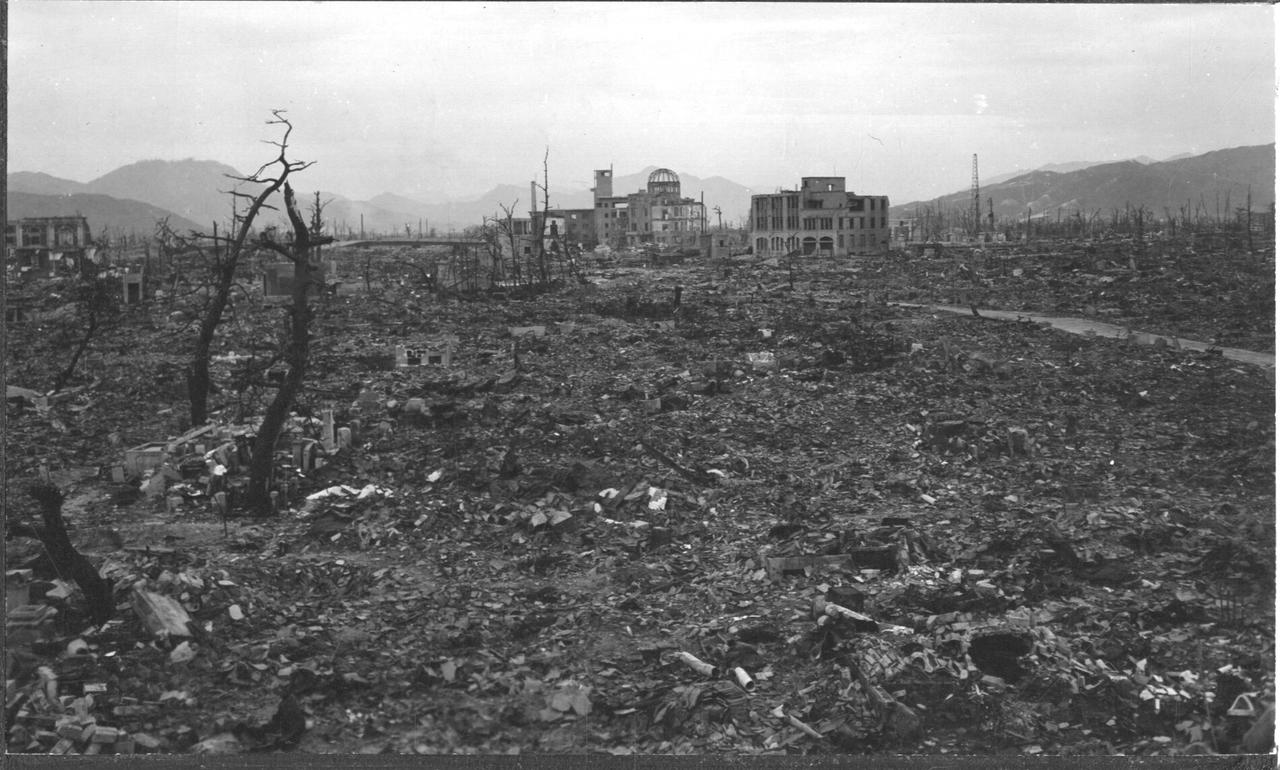
Hiroşima ve Nagasaki Atom Bombası Saldırıları
II. Dünya Savaşı’nın son safhasında, Pasifik Cephesi’nde Japonya’ya karşı yürütülen yoğun askerî harekât, ülkenin endüstriyel kapasitesini ve askerî gücünü ciddi biçimde zayıflatmıştır. 1945 yılı ortalarına gelindiğinde Japonya, stratejik bölgelerdeki hâkimiyetini büyük ölçüde kaybetmiş, deniz ve hava kuvvetleri ağır kayıplar yaşamış, sivil altyapı sistematik bombardımanlar nedeniyle tahrip olmuştur. Hiroşima'ya Atom Bombasının Düştüğü Anlara Dair (CGTN) " youtube-video-element-format="right" yo
TR
Onur Çolak
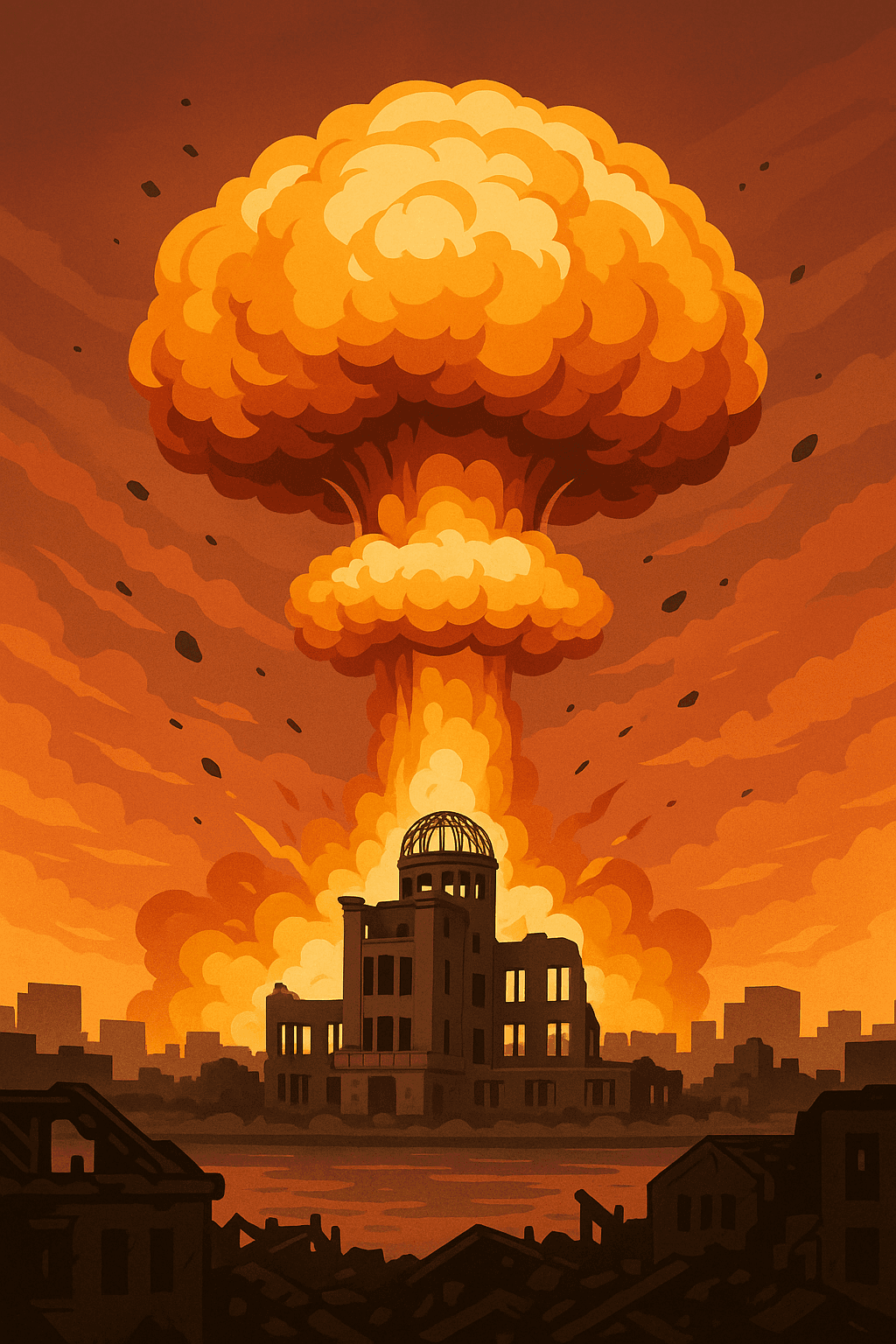
What Happened in Hiroshima and Nagasaki?
Hiroshima and Nagasaki are two major cities in Japan. During World War II, in August 1945, these cities were struck by extremely powerful weapons known as “atomic bombs.” Hiroshima was bombed on 6 August and Nagasaki on 9 August. These explosions caused massive destruction in both cities, injuring and killing many people. Significance of the Event When an atomic bomb detonates, it releases enormous energy. This energy produces both extremely high temperatures and a powerful shockwave. The explos
ENOnur Çolak

Ono Asari
Ono Asari, kabuk uzunluğu 35 mm veya daha fazla büyüyen bir kısa boyunlu istiridye (kum midyesi) türüdür. Etleri etli ve dolgundur. Ono Asari, Japonya'da tescilli bir Coğrafi İşaret (GI) ürünüdür. Hasat ve Yöntem Balıkçılar, kendilerine tahsis edilen bloklardaki balıkçılık alanlarını yönetirler ve istiridyeleri yalnızca kendi bloklarında, düşük gelgitte tırmık kullanarak elle kazma yöntemiyle hasat ederler. Hasat sırasında, Ono Asari'nin özelliklerine sahip olmayan küçük istiridyeler ait oldukla
TRNursena Şahin
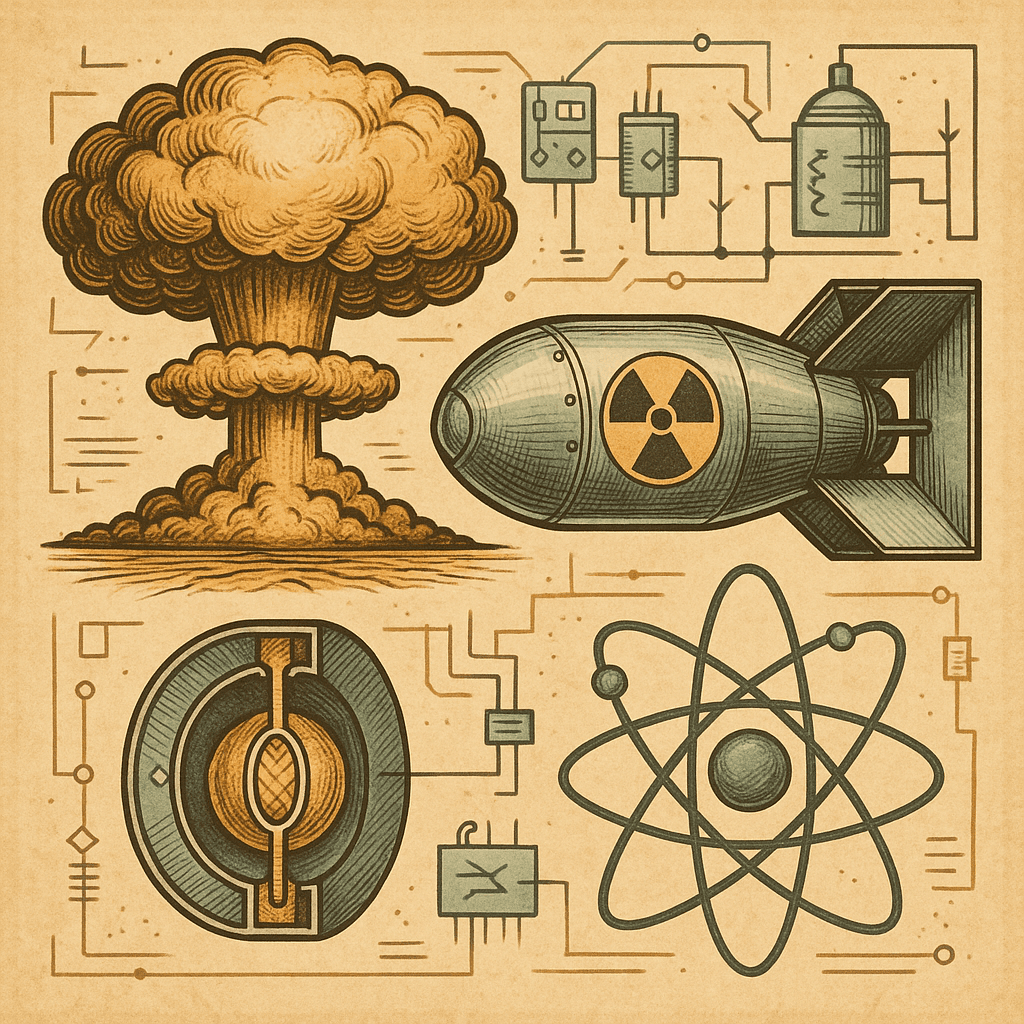
Nuclear Weapons Technology
A nuclear weapon is a weapon of mass destruction that harnesses the energy released by nuclear reactions—either the splitting of atomic nuclei (fission) or the merging of atomic nuclei (fusion)—as a destructive force. Unlike conventional explosives, a single nuclear weapon has the potential to destroy an entire city, kill millions of people, and render vast regions uninhabitable for years through radioactive fallout. These characteristics have elevated nuclear weapons beyond mere military tools,
EN
Ömer Said Aydın
Hiroshima and Nagasaki Atomic Bomb Attacks
During the final phase of World War II, the intense military campaign conducted in the Pacific Theater against Japan severely weakened the country’s industrial capacity and military strength. By mid-1945, Japan had lost most of its strategic dominance, its naval and air forces had suffered heavy losses, and its civilian infrastructure had been systematically destroyed by bombing raids. Nevertheless, the Japanese government rejected calls for unconditional surrender and maintained its strategic d
ENOnur Çolak
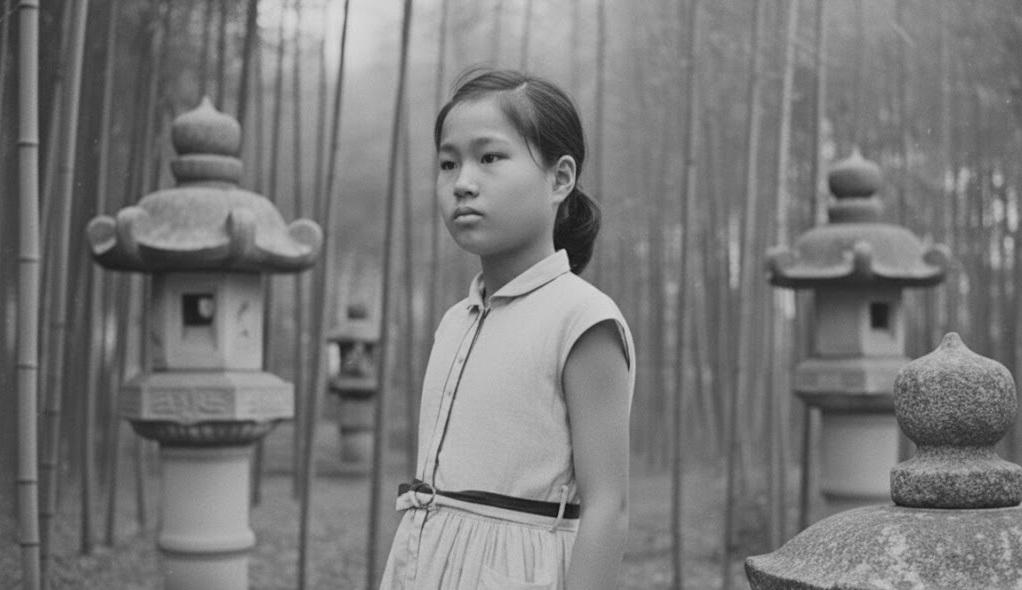
Sadako Sasaki
Sadako Sasaki, Hiroşima’ya atılan atom bombasının etkilerine maruz kalan ve bombanın yol açtığı radyasyon nedeniyle lösemi hastalığına yakalanan Japon bir kız çocuğudur. Hastanede yaptığı kağıttan turnalar aracılığıyla savaş sonrası dönemde barışın ve nükleer silahsızlanmanın simgelerinden biri haline gelmiştir. Erken Yaşamı ve Atom Bombası Sadako Sasaki, 7 Ocak 1943 tarihinde Hiroşima’da doğdu. 6 Ağustos 1945’te Amerika Birleşik Devletleri Hava Kuvvetleri’ne ait B-29 tipi Enola Gay bombardıman
TR
Fatma Fırat