

`hinduism` Related Article Results
 Re
ReReligion in Asia
Asia is the largest and most populous continent in the world and has been the birthplace of many major religious belief systems throughout history. This continent is both a region with a large number of religious tradition and a place where these traditions have interacted across different geographies. The major religions practiced in Asia include Hinduism Buddhism Islam Christianity Taoism Confucianism Shintoism Sikhism Jainism Zoroastrianism Korean Shamanism and Judaism. Spread and Diversity o
EN
Bahar Dişlik
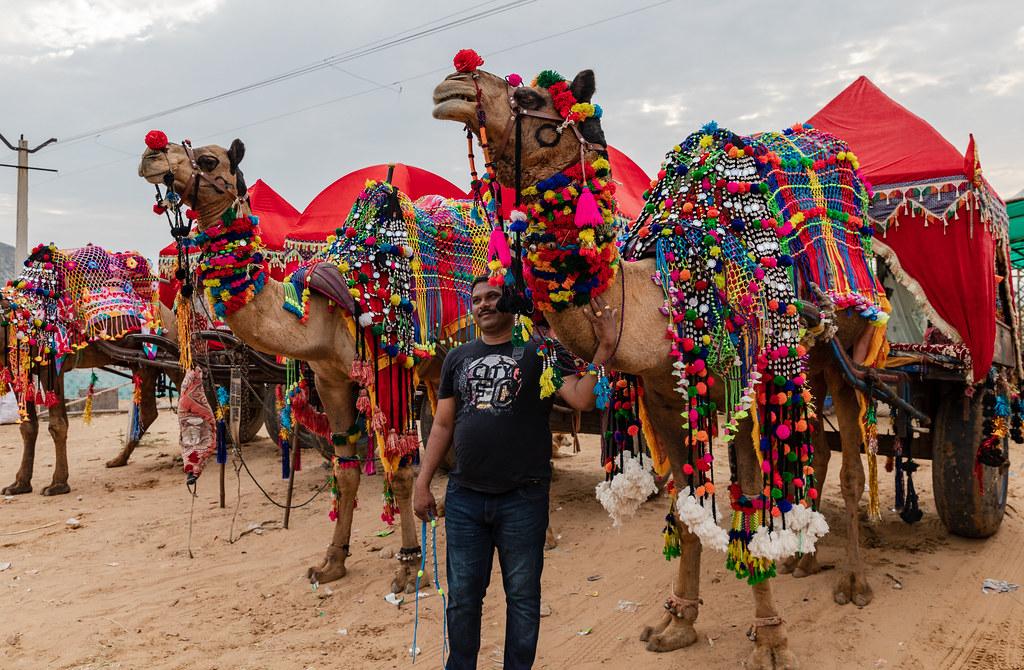
Pushkar Camel Festival
The Pushkar Camel Fair is an annual festival held in the sacred town of Pushkar in the Indian state of Rajasthan, known as one of the largest cattle and camel fairs in the world. It spans seven days, coinciding with the Hindu lunar month of Kartik, which corresponds to the full moon period of Kartik Purnima, typically falling between late October and early November. Purpose of the Fair The origins of the Pushkar Camel Fair lie in the tradition of bringing together local animal traders during the
EN
Nursena Şahin
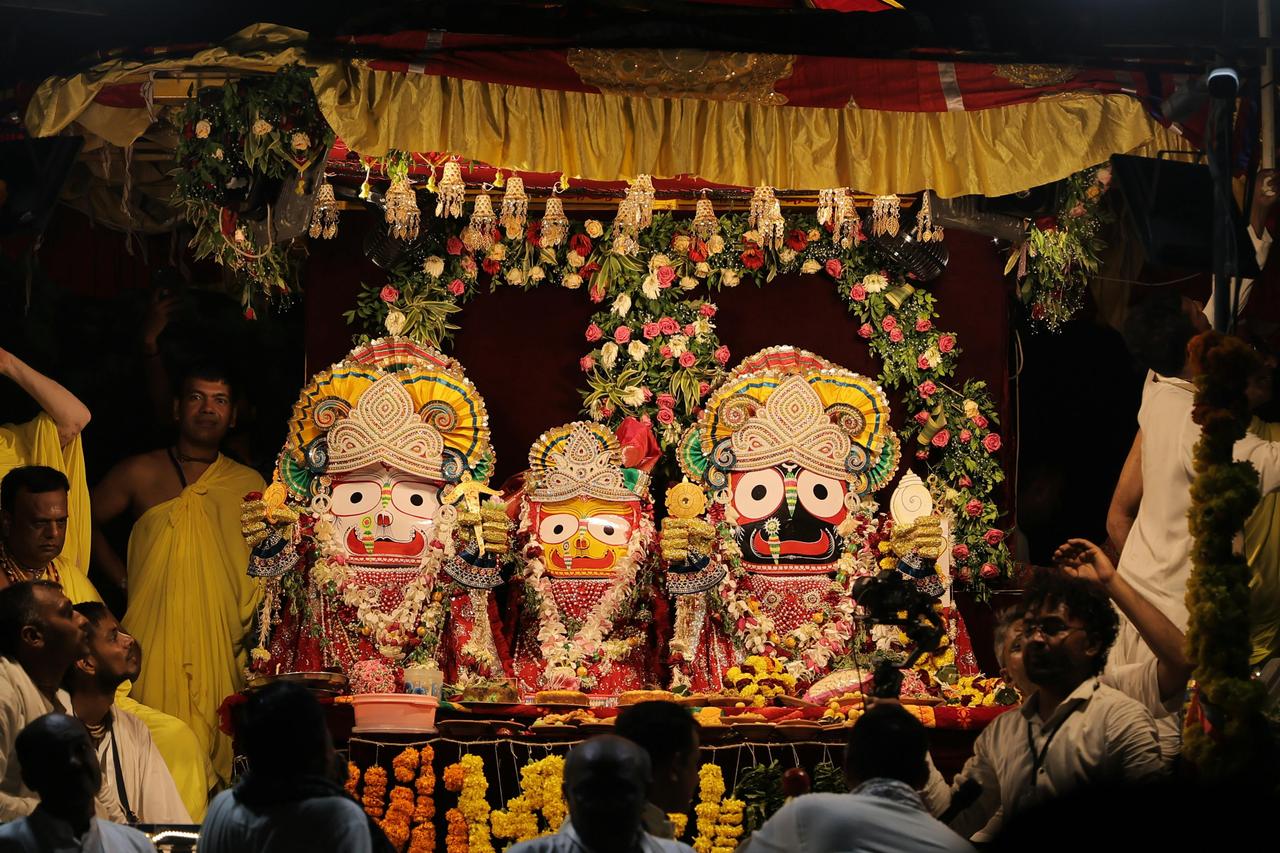
Rath Yatra Festival
Rath Yatra is a religious festival of great significance in Hindu culture, commonly known as the "chariot procession." Its origins trace back to the Jagannath Mandir in the city of Jagannath Puri, located in the Odisha state of eastern India. The festival involves the ceremonial transportation of the sacred wooden idols of the Hindu deities Lord Jagannath (an incarnation of Shri Krishna), his brother Balaram, and his sister Subhadra, placed on elaborately decorated chariots (rath), through the s
ENNursena Şahin
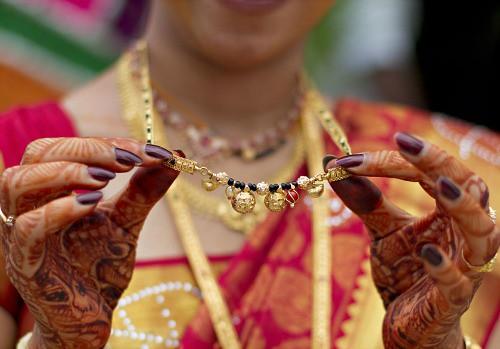
Mangalsutra
Mangalsutra is a traditional ornament symbolizing the marital status of a woman in Hinduism. In Hindu Dharma, it is regarded as the soubhagyalankar (ornament of marital status) and its placement around the bride’s neck by the groom during the wedding ceremony is obligatory. Times of India, “A guide to mangalsutras worn across the country,” Times of India, 18 Mart 2016, erişim 26 Kasım 2025, https://timesofindia.indiatimes.com/life-style/fashion/buzz/a-guide-to-mangalsutras-worn-across-the-count
ENNursena Şahin
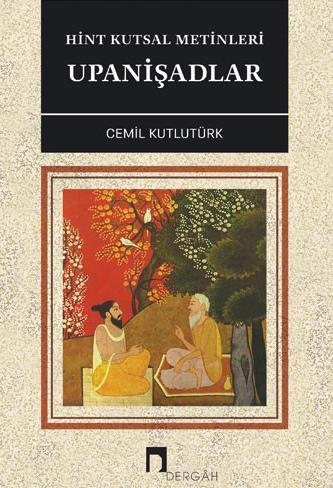
Hindu Sacred Texts: Upanishads (Book)
"Holy Indian Texts: The Upanishads" is a philosophical and spiritual work authored by Cemil Kutlutürk and published by Dergâh Yayınları as part of the "Eastern Thought" series. The book aims to present to the Turkish reader the content and philosophical depth of the Upanishads—the foundational texts of Hinduism—through a scientific approach. The first edition was published in June 2014, and an expanded second edition was released in September 2021. The book consists of 209 pages. Content and The
EN
Muhammed Samed Acar
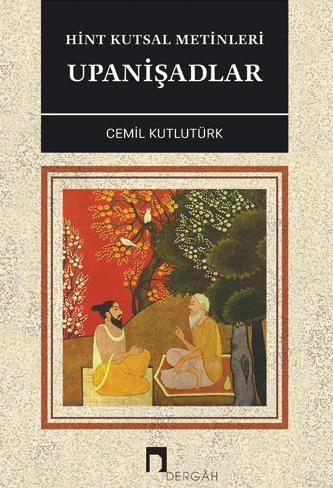
Indian Sacred Texts: Upanishads (Book)
Indian Sacred Texts: The Upanishads, authored by Cemil Kutlutürk and published by Dergâh Publications as part of its "Eastern Thought" series, is a work of a philosophical and spiritual nature. The book aims to present the content and philosophical depth of the Upanishadic texts, which form the basis of Hinduism, to a Turkish audience through a scholarly approach. The first edition of the work was published in June 2014, with an expanded second edition released in September 2021. The book consis
ENMuhammed Samed Acar
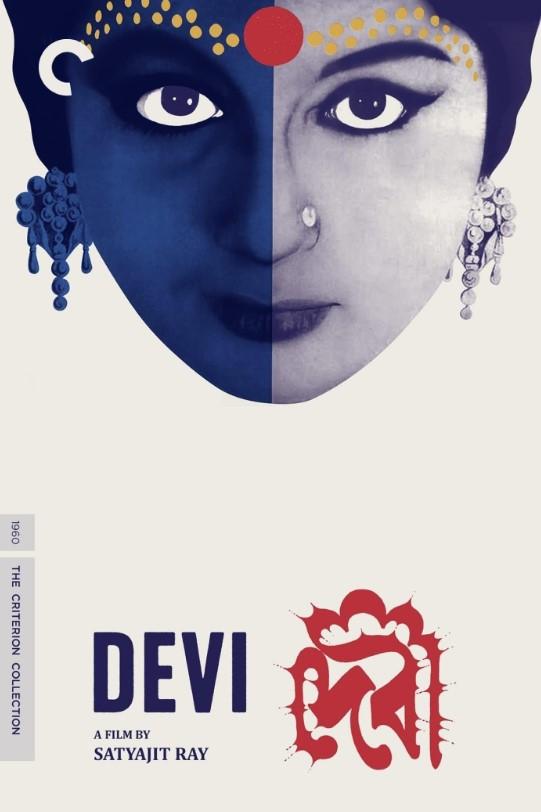
Devi (1960, Film)
Devi is a dramatic cinema film released in India in 1960 and directed by Satyajit Ray. The film explores the conflicts between traditional beliefs and modern thought within Indian society. Produced in Bengali, it is based on the short story by Prabhat Kumar Mukhopadhyay and stars Sharmila Tagore and Soumitra Chatterjee. The film is regarded as one of Satyajit Ray’s works that places social critique at the forefront. Plot The film is set in 19th-century Bengal. It tells the story of a family emer
EN
Büşranur Akpınar
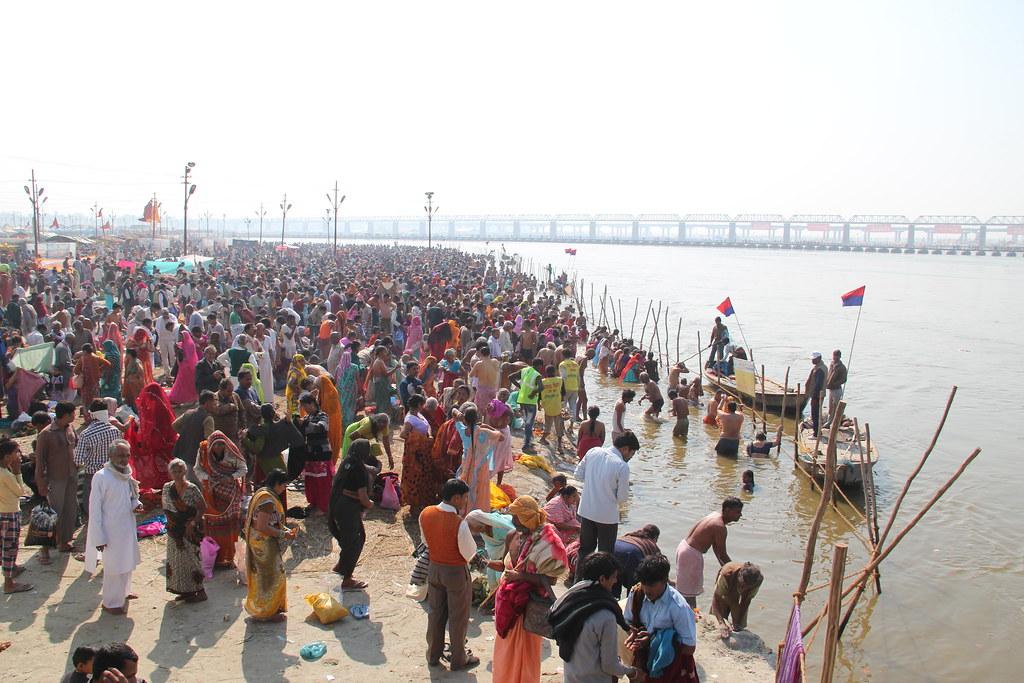
Kumbh Mela
Kumbh Mela is the largest religious gathering in the world, held cyclically every twelve years in four different cities according to Hindu tradition. The festival derives its name from the Sanskrit words “kumbh” (pitcher) and “mela” (gathering, fair). In Hindu mythology, “kumbh” represents the pitcher of nectar from the legend of Samudra Manthan (Churning of the Ocean of Milk), in which gods and demons sought the elixir of immortality. According to the legend, four drops of this nectar fell to E
ENNursena Şahin
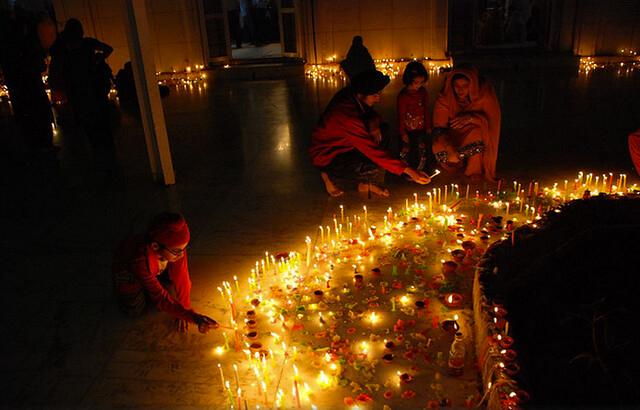
Diwali Festival of Lights
Diwali or Deepavali is a major religious and cultural festival celebrated in India and various regions of South Asia, particularly by Hindu communities. In Sanskrit, the word dipavali means “rows of lights,” a reference to the clay lamps (diya) lit outside homes during the festival. For Hindu communities, the significance of Diwali can be compared to Christmas celebrations in the Western world. Historical and Religious Background In the Context of Hinduism The meaning of Diwali in Hinduism varie
ENNursena Şahin
ReReligion in Asia
Asia is the largest and most populous continent on Earth and has been the birthplace of many major religious belief systems throughout history. This continent is both a region with numerous religious traditions and a place where these traditions have interacted across different geographies. The major religions practiced in Asia include Hinduism Buddhism Islam Christianity Taoism Confucianism Shintoism Sikhism Jainism Zoroastrianism Korean Shamanism and Judaism. Spread and Diversity of Religions
ENBahar Dişlik