

`hieroglyph` Related Article Results
 De
DeDescription of Egypt
Description de l’Égypte, is a multi-volume work that emerged during Napoleon Bonaparte’s 1798 expedition to Egypt and is regarded both as a monumental scientific discovery and as an instrument of Enlightenment-era imperialism. Published between 1809 and 1829, this work compiled extensive observations and drawings on ancient and modern Egyptian society, nature, and geography. Its full title, Description de l’Égypte, ou Recueil des observations et des recherches qui ont été faites en Égypte pendan
EN
Nurullah Orhan
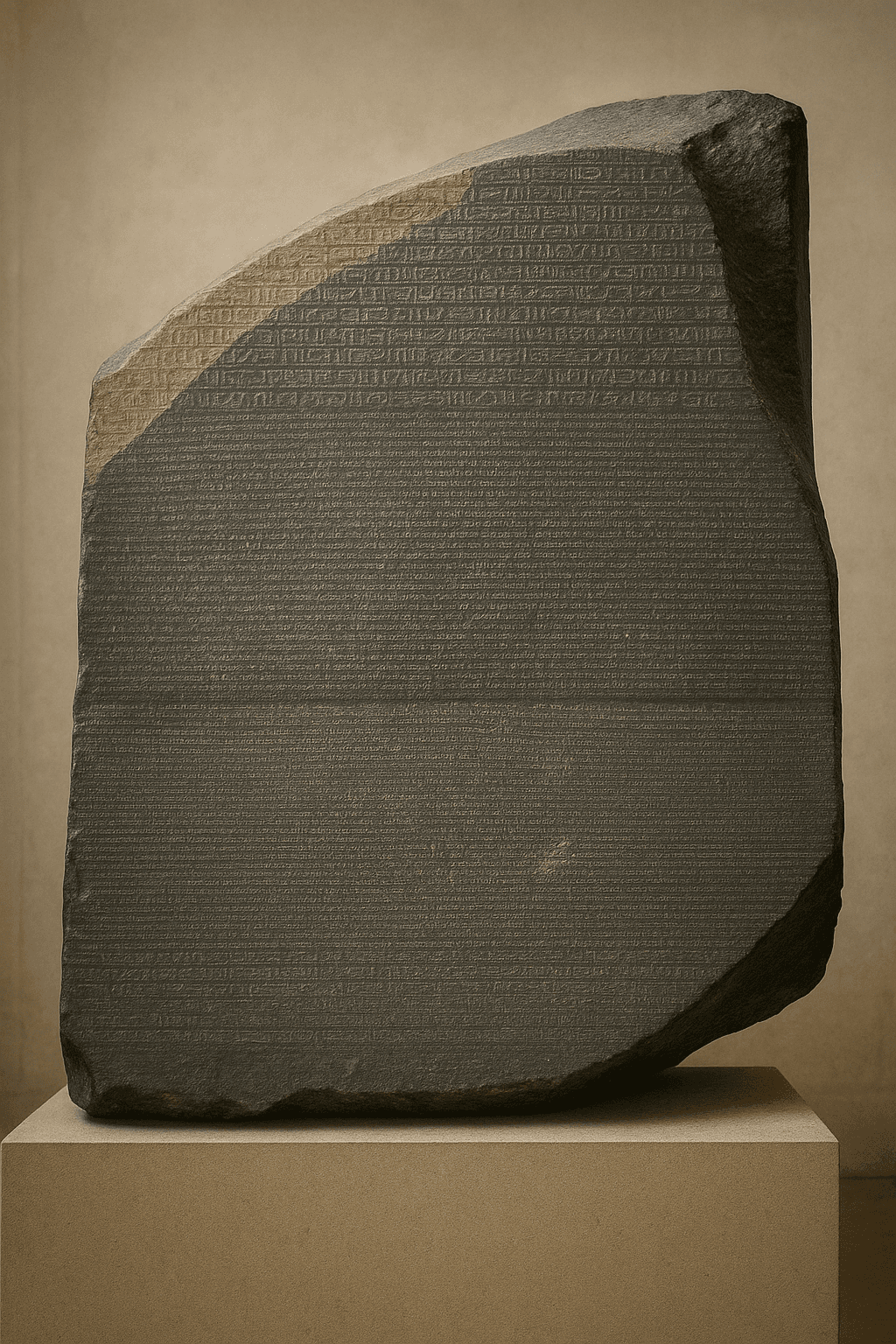
Rosetta Stone
The Rosetta Stone is an inscribed stone from Ancient Egypt, rediscovered on 19 July 1799 by Lieutenant Pierre-François Bouchard during Napoleon’s Egyptian Campaign in the town of Rashid (Rosetta), Egypt. Representative image of the Rosetta Stone (generated by AI) " image-element-format="right" image-source="https://cdn.t3pedia.org/media/uploads/2025/09/04/yaRrtLGxNlAsR4Mnf6i1VFEboLeb9jAo.png"> Discovery and Characteristics Standing approximately 36 inches (91 cm) high, 28 inches (71 cm) wide,
ENAyşe İkbal Özsakın
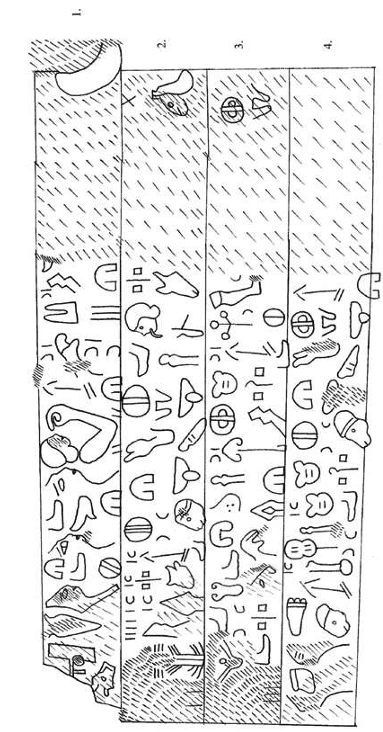
Luvice
Luwian (English: Luwian), an Indo-European language spoken in Anatolia during the 2nd millennium BCE and beyond, in the period of the Hittite Empire and after. Closely related to Hittite, it belongs to the group known as the “Anatolian languages.” It was used alongside local languages such as Hittite and Palaic, while Akkadian, of Mesopotamian origin, was preferred as the language of diplomacy. History Luwian is one of the most important Indo-European languages of Anatolia and can be traced back
EN
Meryem Şentürk Çoban