

`heroism` Related Article Results
 Yo
YoYoung Osman Ballad
"Genç Osman Türküsü" is a legendary folk ballad that recounts the heroism of a young warrior from Aksaray who fell martyr during the Ottoman campaign to Baghdad in the 17th century. The lyrics and story of the ballad have been preserved in various versions across different regions of Anatolia. The Story of Genç Osman Osman was born in 1621 in the village of Dorikini in Aksaray. He lost his father at a young age and was raised by his mother. He excelled in wrestling archery and swordsmanship and
EN
Eyüp Ecmel Acat
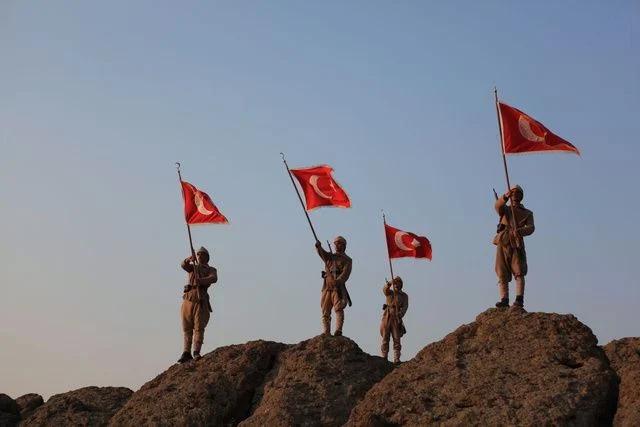
Çanakkale 1915 (Film)
Çanakkale 1915 is a Turkish war drama film released in 2012 and directed by Yeşim Sezgin. The film focuses on the Battle of Çanakkale during World War I, particularly in 1915, which ended in a victory for the Ottoman Empire. It portrays the war through the heroism and patriotism of Turkish soldiers, reflecting the strategic importance of Çanakkale and the dramatic atmosphere of the conflict. Screenplay and Producers The film’s screenplay was written by Turgut Özakman, who also conceived the orig
EN
Ahsen Güneş
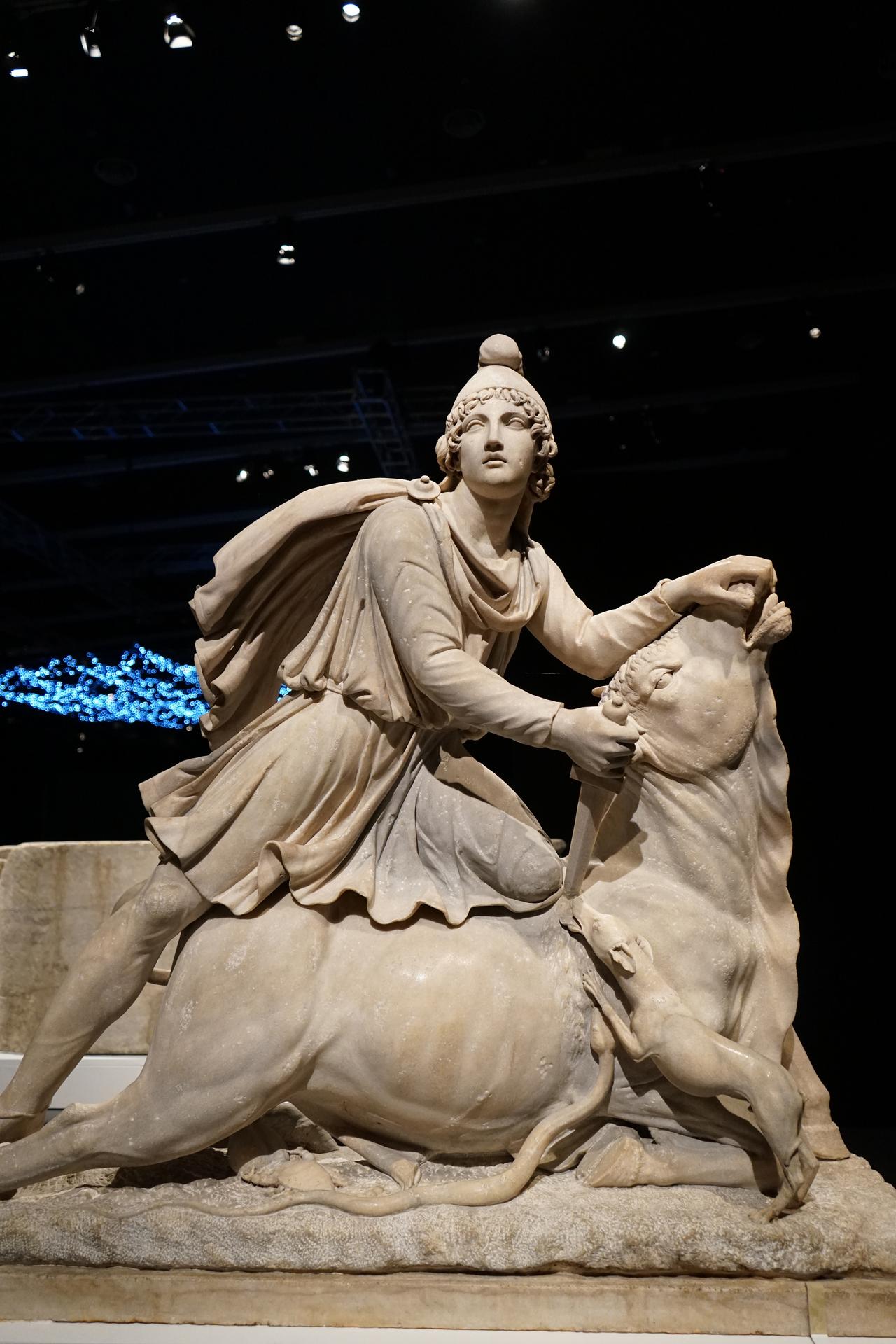
Mythology
Mythology is the term given to the collective body of legendary narratives, beliefs about gods, heroes, supernatural beings, and the origins of the universe developed by societies throughout history. It derives from the Greek words "mythos" (legend, fairy tale) and "logos" (word, narrative). Myths are narratives that have shaped the cultural and religious structures of various peoples and have continued to exert influence across many fields, from art to philosophy. Mythology has taken shape thro
EN
Fatımatüz Zehra Fakıoğlu
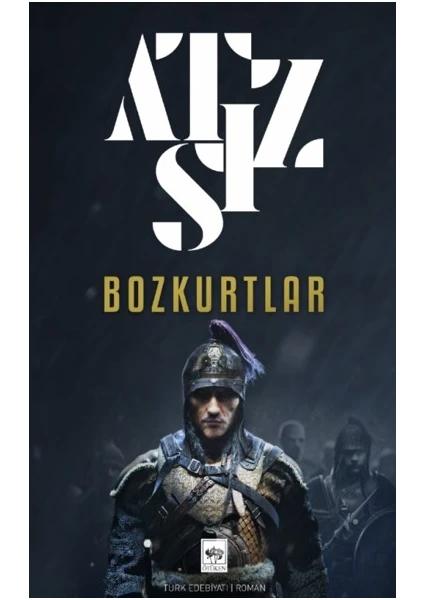
Wolves: The Death of the Wolves and The Wolves Rise Again (Book)
Bozkurtlar: The Death of the Gray Wolves and The Rebirth of the Gray Wolves is a historical-romantic novel written by Hüseyin Nihal Atsız, inspired by Turkish history and centered on the era of the Göktürks. The work was first serialized beginning with issue 7 of the magazine Ateş Çocuk on January 7, 1937, up to issue 40 (excluding issues 29 and 30). These serialized parts were later compiled into a book under the title The Death of the Gray Wolves, while its continuation, The Rebirth of the Gra
EN
Muhammet Akyüz
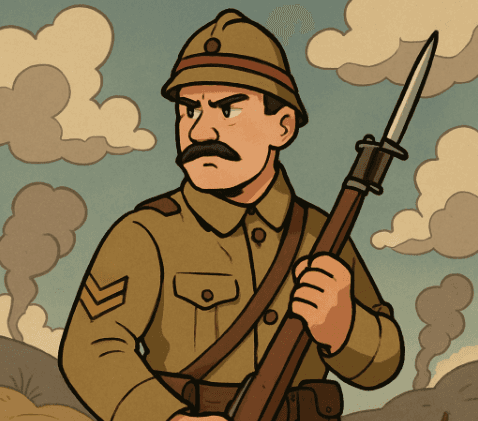
Bigalı Mehmet Çavuş
Bigalı Mehmet Çavuş was a soldier who displayed great bravery during the Battle of Çanakkale. Let us learn together about his life and courage! Childhood and Family Bigalı Mehmet Çavuş was born in 1878 in the town of Filibe, Bulgaria (which at the time was part of the Ottoman Empire). He migrated with his family to Anatolia as an infant. His family settled in Bahçeli Village in the Biga district of Çanakkale, where they earned their living through sericulture. Mehmet Çavuş’s wife, Fatma Teyze, w
EN
Elif Laçin
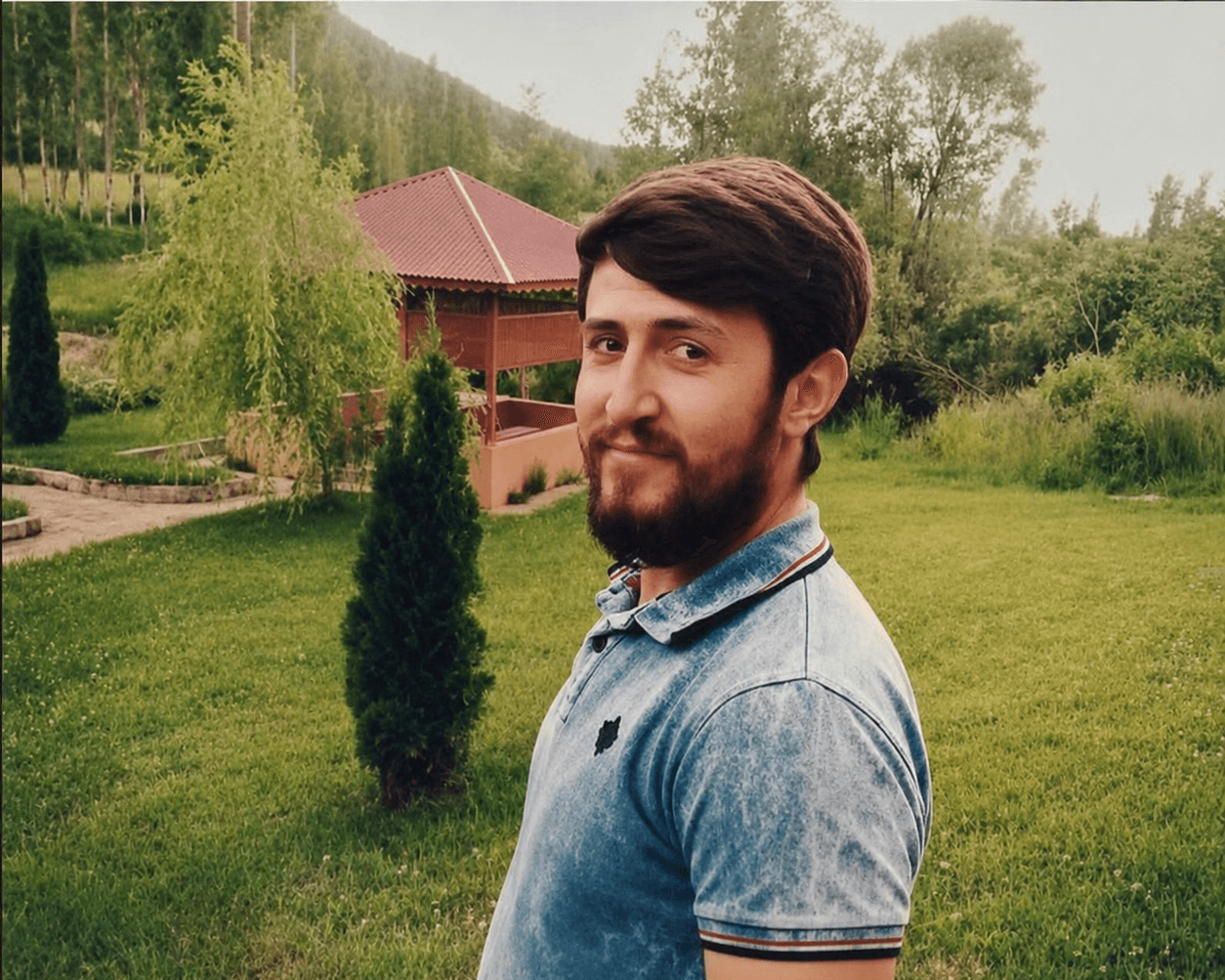
Emrah Sağaz
Emrah Sağaz (1 January 1989 – 15 July 2016) was a textile worker. During the 15 July 2016 coup attempt, he was killed when he was crushed under a tank used by the coup plotters on Esenler Atışalanı Caddesi in Istanbul. Life Emrah Sağaz was born on 1 January 1989 in Giresun as the youngest of six children to Asiye and Aydın Sağaz. He lived in the Esenler district of Istanbul and worked as a laborer in the textile industry. He married Elif Sağaz. The couple lived in Esenler during their approximat
EN
Nursena Güller
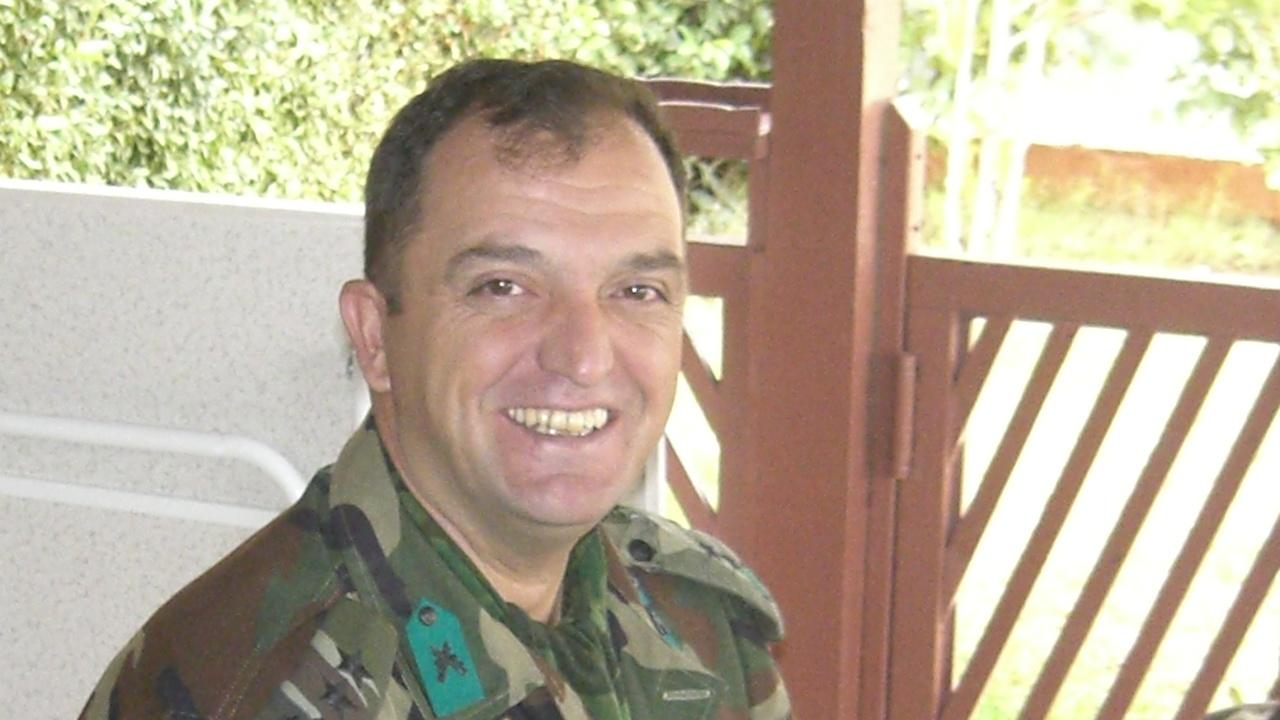
Melih Gülova
Melih Gülova (1963, Bursa – 10 June 2007, Güçlükonak, Şırnak) was a martyred lieutenant colonel of the Turkish Land Forces. A graduate of the 135th class of the Army War College, Gülova served in various units across different regions of Türkiye throughout his career. In the final phase of his service, he was stationed as the logistics support commander of the Şırnak Akçay Brigade. He was killed in action during an attack in the Güçlükonak district of Şırnak on 10 June 2007.【1】 Life and Educatio
EN
Gökhan Güller
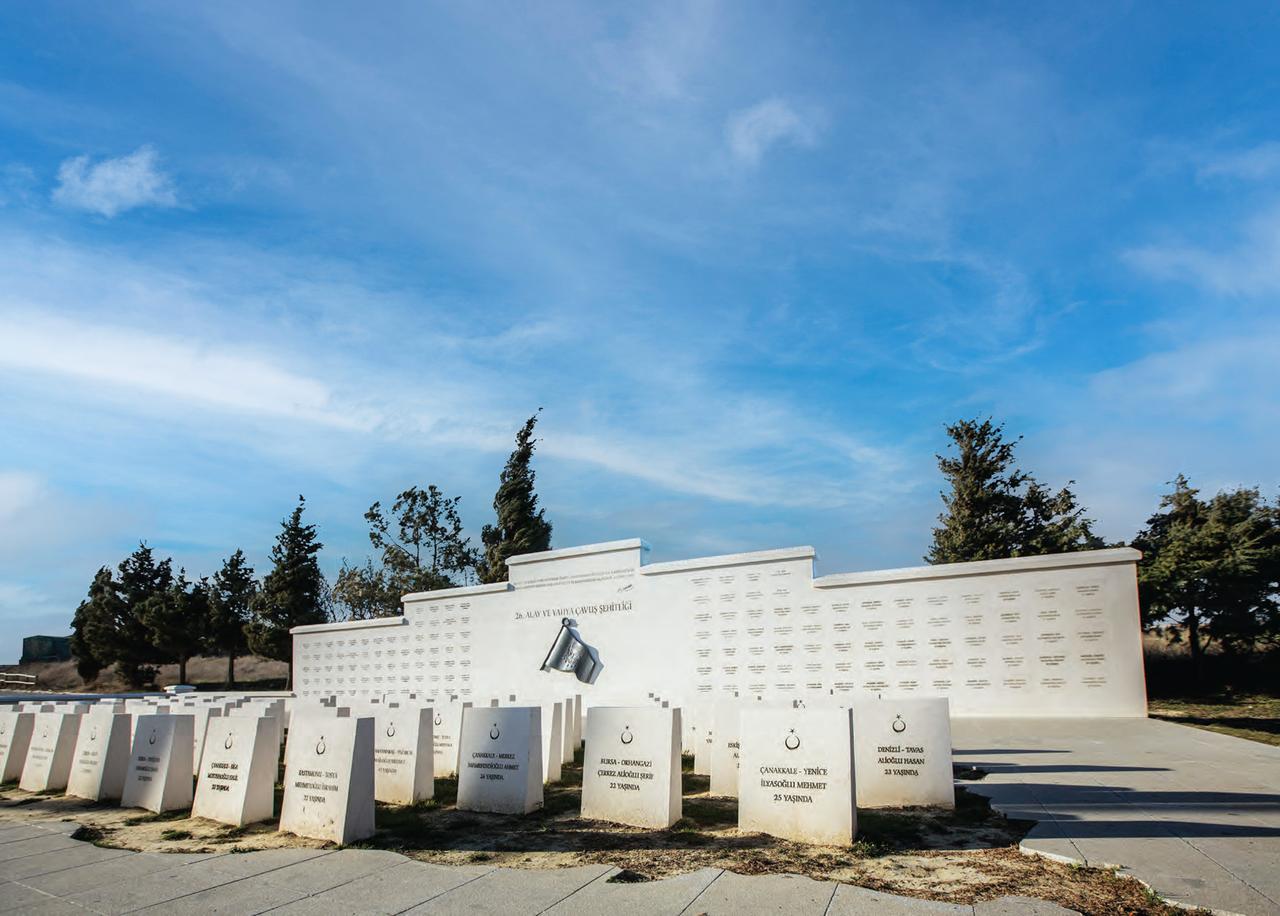
Yahya Çavuş Martyrdom
Yahya Çavuş Martyrdom Site is a memorial built in honor of the soldiers who lost their lives defending Ertuğrul Bay during the Gallipoli Campaign. The site is located directly opposite the Ertuğrul Battery. Constructed by the Ministry of Culture in 1992, this monument commemorates the Turkish soldiers of the 3rd Battalion of the 26th Regiment of the 9th Division who defended Ertuğrul Bay during the landing on 25 April 1915.【1】 Historical Background and Battle Process On 25 April 1915, as part of
EN
Gözde Cabadak
Furkan Yavaş
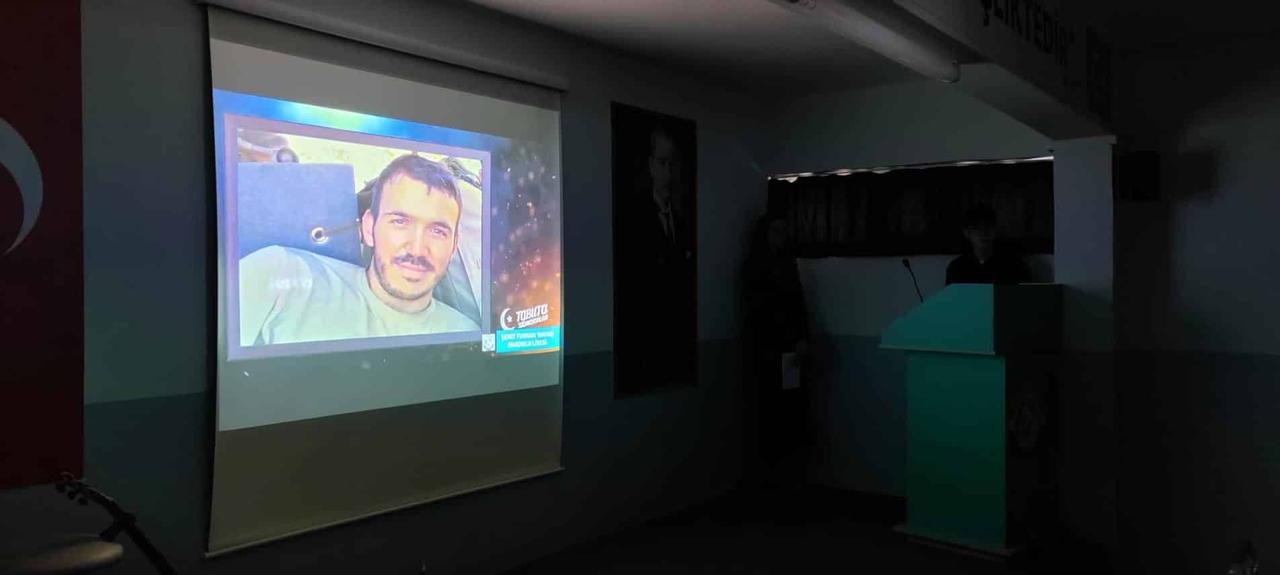
Furkan Yavaş (born 1986, İzmir) was a Senior Master Sergeant. After completing primary and secondary school, he graduated from Gaziemir High School in İzmir. Military Career and Martyrdom After high school, he completed the Air Force Non-Commissioned Officer Vocational School and graduated on 30 August 2006 with the rank of Aircraft Maintenance Senior Master Sergeant. From 2006 to 2012, he served as an Aircraft Structural Repair Technician at the 2nd Main Jet Base Command (Çiğli) under the Aircr
ENGözde Cabadak
YoYoung Osman Ballad
Genç Osman Türküsü is an epic folk ballad that recounts the heroism of a young warrior from Aksaray who fell martyr during the Baghdad Campaign conducted by the Ottoman Empire in the 17th century. The lyrics and story of the ballad have been preserved in various versions across different regions of Anatolia. The Story of Genç Osman Born in 1621 in the village of Dorikini in Aksaray, Osman lost his father at a young age and was raised by his mother. He excelled in wrestling, archery, and swordsma
EN
Eyüp Ecmel Acat