

`hereke-carpet` Related Article Results
Turkish Weaving Culture
Turkish Textile Culture is a culture that developed over historical processes across a vast geographical area extending from Southern Siberia and Central Asia to the Caucasus, Anatolia and the Balkans. This culture emerged in response to the needs of a nomadic lifestyle and gradually transformed into artistic production forms associated with settled life. Turkish textile art encompasses works produced through various techniques such as felt, flat weaving (kilim, cicim, zili, sumak) and pile weav
EN
Yunus Emre Yüce
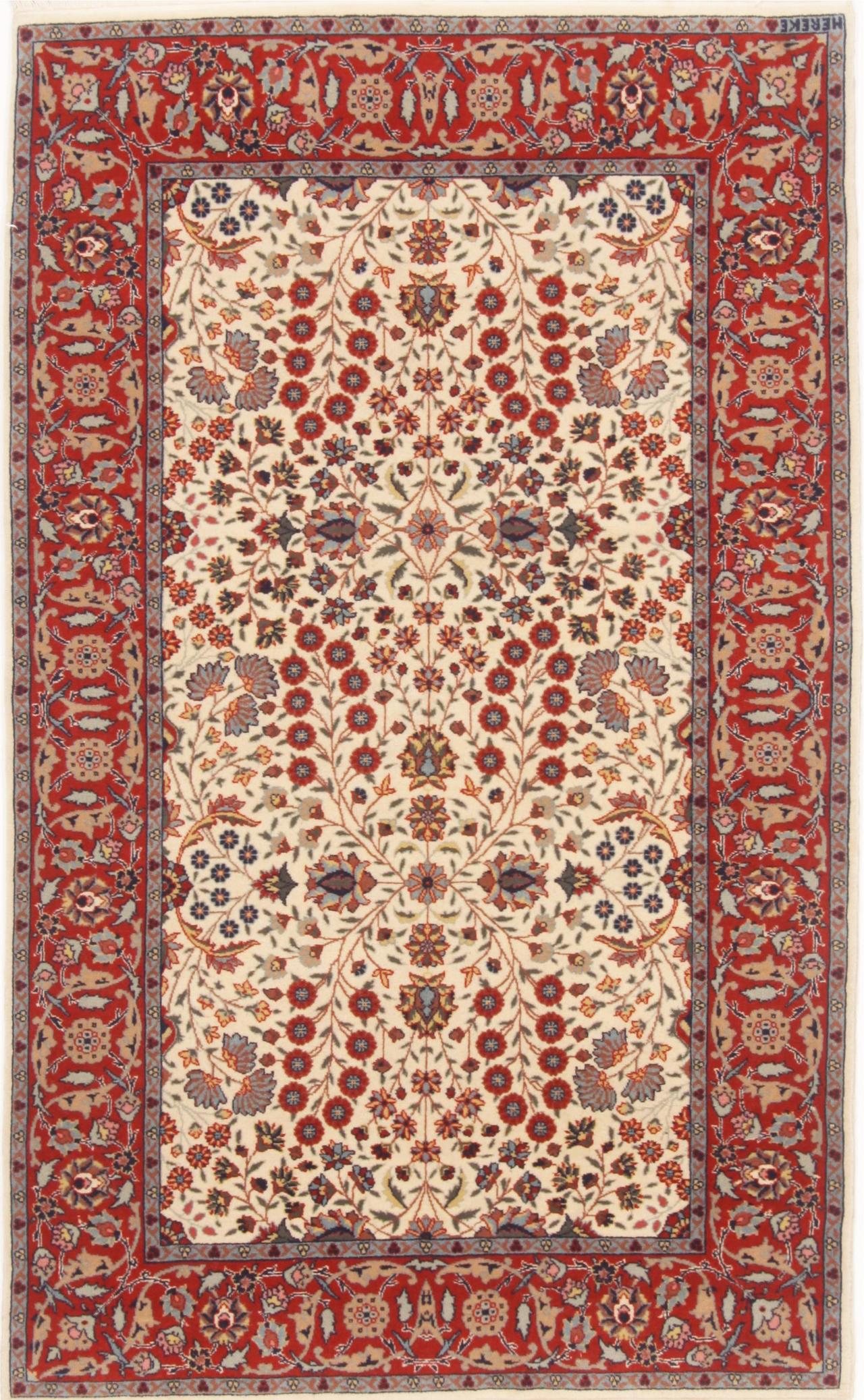
Hereke Wool Hand-Knotted Rug
Hereke wool hand-knotted carpet, as a significant extension of the Ottoman palace weaving tradition, emerged in the 19th century in the town of Hereke, Kocaeli, and gradually became one of the most distinguished hand-knotted carpets in the world. This special carpet is renowned for both its aesthetic and technical qualities, distinguished from other hand-knotted carpets by the high quality of materials used and its original pattern compositions. Historical Background The foundations of Hereke ca
EN
Elif Laçin