

`green-hydrogen` Related Article Results
Future Energy Systems and Technologies
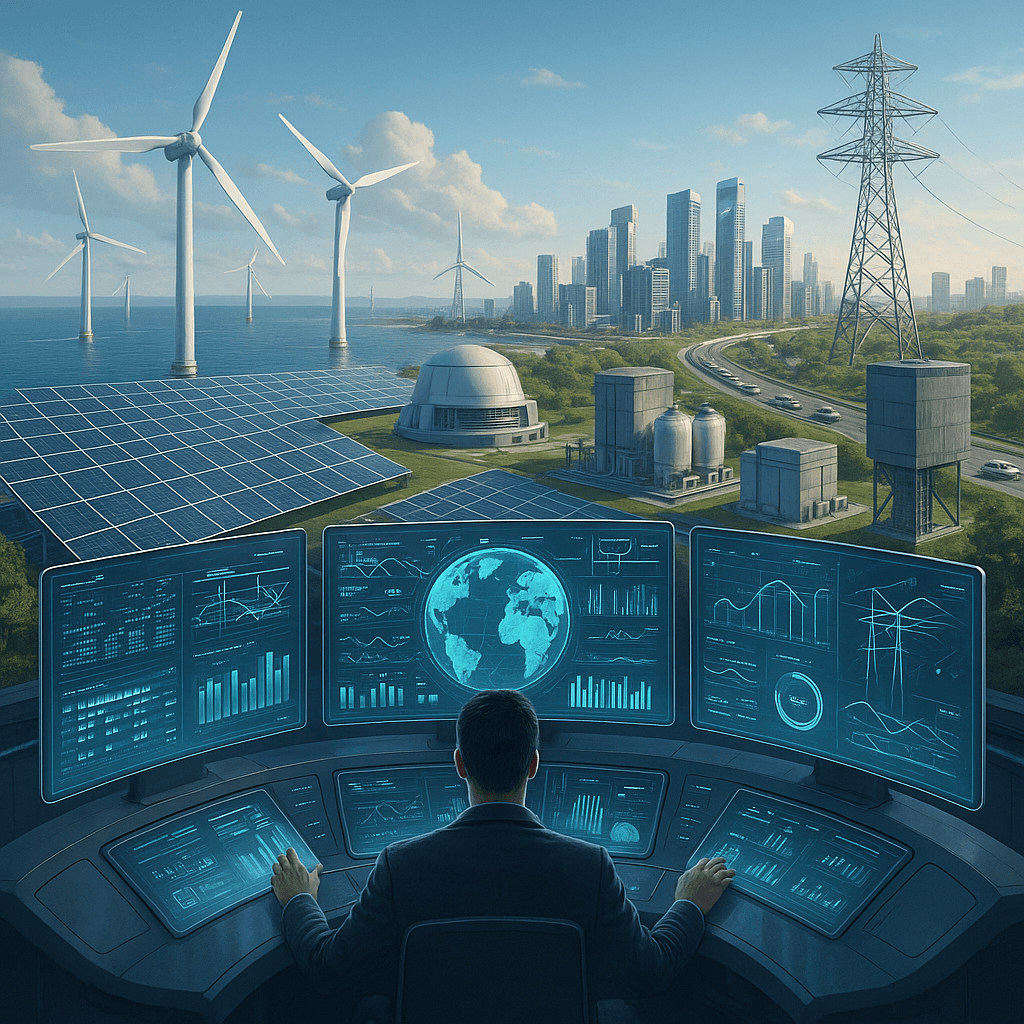
The energy systems of the future represent a fundamental transformation from traditional centralized structures based on fossil fuels toward sustainable and innovative solutions, guided by the need to combat climate change and advances in technology. This transformation is shaped around four core principles: decarbonization, digitalization, decentralization, and democratization. Rising global energy demand, the limited nature of conventional resources, and their environmental impacts are increas
EN
Ömer Said Aydın
Nuclear Hydrogen Production
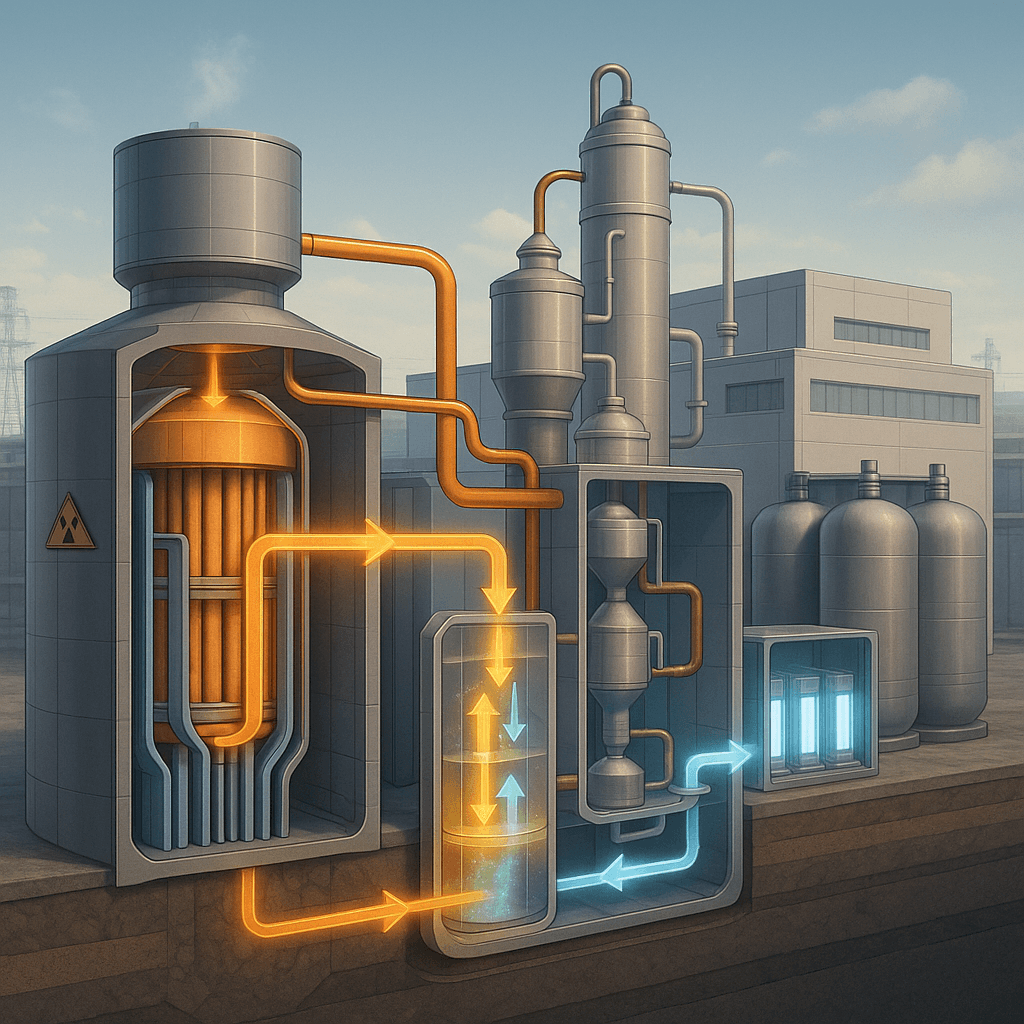
Nuclear hydrogen production is an energy conversion method based on the decomposition of water into its chemical components, hydrogen and oxygen, using heat and/or electricity generated by nuclear reactors. This approach is an innovative technological solution aimed at reducing fossil fuel use, enhancing energy supply security, and supporting the production of low-carbon hydrogen. Hydrogen production methods are classified according to the type of energy source used and the environmental impact
ENÖmer Said Aydın

Carbon Neutral Energy Systems
Carbon-neutral energy systems are technological and managerial frameworks that aim to eliminate human-induced greenhouse gas emissions through integrated production, consumption and conversion processes. The primary objective of these systems is to eradicate net carbon emissions arising from energy production and consumption. In the context of combating climate change, carbon neutrality requires the transformation of not only the energy sector but also numerous other sectors including transporta
EN
Sümeyye Akkanat Terzioğlu