

`genetics` Related Article Results

Virology
Virology is a subdiscipline of microbiology that studies the morphology, genetic structure, biochemical properties, replication strategies, interactions with host cells, and methods of diagnosis, treatment, and prevention of diseases caused by viruses. Viruses are obligate intracellular parasites that can replicate only within living cells and lack metabolic activity. In their extracellular phase, viruses are inactive; upon entering a host cell, they use the host’s enzymatic and ribosomal system
EN
Ayşe İkbal Özsakın

Gattaca (Film)
Gattaca is a 1997 American science fiction film written and directed by Andrew Niccol, marking his debut as a feature film director. The film stars Ethan Hawke and Uma Thurman, with supporting roles by Jude Law, Loren Dean, Ernest Borgnine, Gore Vidal, and Alan Arkin. The story is set in a dystopian future dominated by genetic engineering and eugenics【1】. The central narrative follows Vincent Freeman, who, despite being genetically deemed “imperfect,” struggles to realize his dream of space trav
EN
Meryem Beyza Utkulu
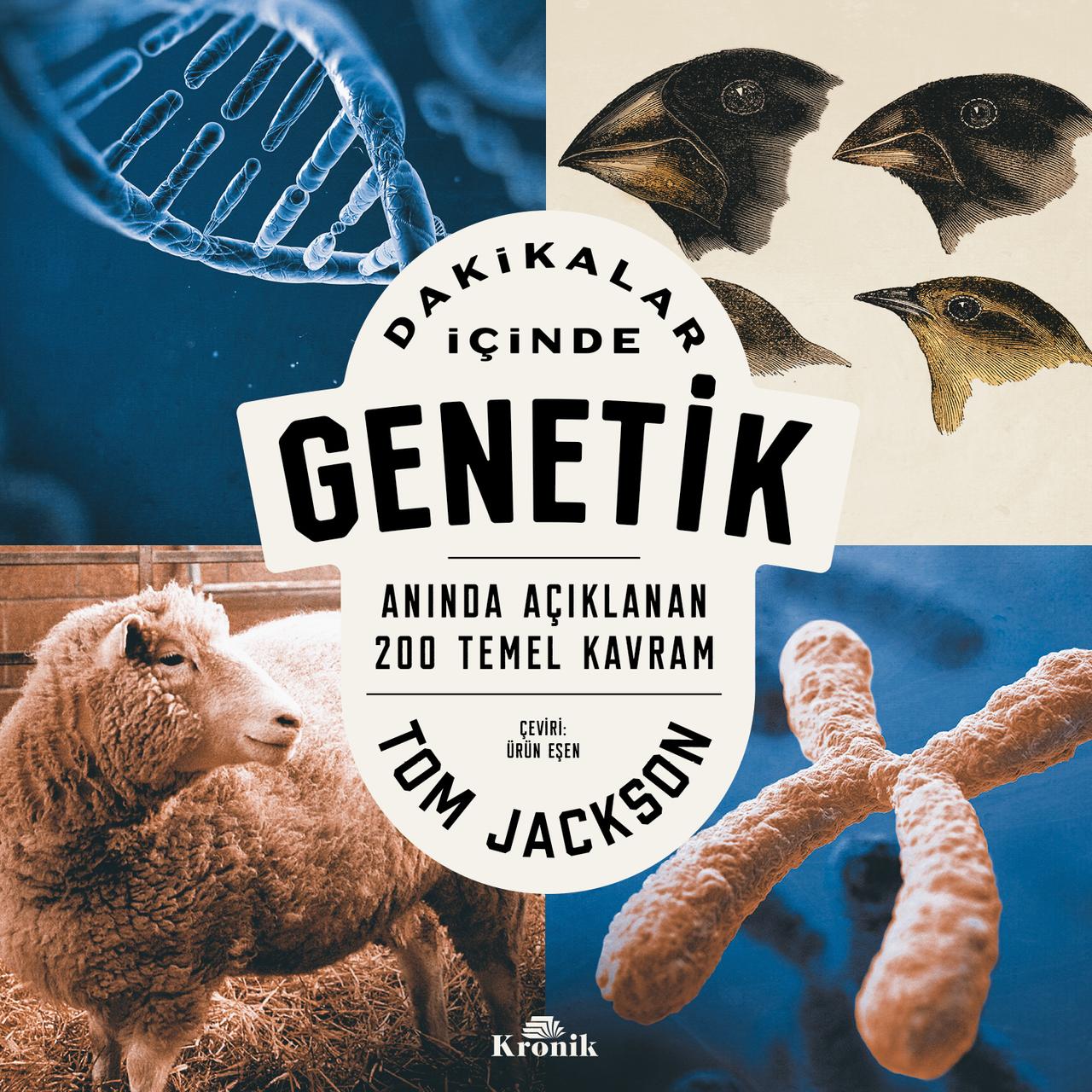
Genetics in Minutes (Book)
Genetics in Minutes, written by Tom Jackson, is a work from the "Popular Science" and "Minutes Inside" series. Presented under the subtitle 200 Core Concepts Explained Instantly, the book introduces 200 concepts in genetics accompanied by visual illustrations. It addresses topics such as the origin and biological foundations of life. Subject The book focuses on fundamental questions about life and our existence. It examines questions such as what life is, how living organisms develop from a sing
EN
Muhammed Samed Acar
 Bi
BiBiomedical engineering
Bioengineering is a multidisciplinary engineering field that applies engineering approaches to medicine and biology. Centered on living systems, its goal is to resolve all problems threatening life and to utilize all available opportunities to promote biological development. Bioengineering reinterprets chemical, agricultural, electricity-electronic and mechanical like engineering approaches according to the needs of living systems and encompasses a very broad range of applications. Research on h
ENFatma Beyza Şahin

Aykut Kence
Prof. Dr. Aykut Kence is a biologist known in Türkiye for his scientific contributions in evolutionary biology and population genetics, as well as for his efforts in communicating scientific knowledge to the public. He played a significant role in shaping modern biology education in Türkiye and in defending the theory of evolution at the academic level. He spent the majority of his academic career at Middle East Technical University (METU), mentoring numerous students and authoring dozens of nat
EN
Neriman Çalışkan

The Invisible Brain (Book)
The Invisible Brain is a popular science work written by Professor Dr. İsmail Tayfun Uzbay and published in 2020 by Destek Yayınları. The book aims to present current scientific questions about the functioning and functions of the brain in an accessible language to a broad readership. The author holds academic and clinical expertise in neuroscience as the Head of the Department of Medical Pharmacology at Üsküdar University Faculty of Medicine and Director of the Neuropsychopharmacology Applicati
EN
Hacer Büşra Aslan

James Dewey Watson
James Dewey Watson is an American biologist and geneticist who, together with Francis Crick, discovered the double helix structure of DNA. This discovery, published in 1953, laid the foundation for modern genetics by explaining the chemical structure of hereditary information. In 1962, he shared the Nobel Prize in Physiology or Medicine with Maurice Wilkins. Throughout his career, Watson held positions at Harvard University, the California Institute of Technology, and the Cold Spring Harbor Labo
EN
Edanur Karakoç
EtEthical Boundaries in Genetic Engineering
Genetic engineering is the process of directly modifying an organism’s genetic material. This technology enables the alteration of an organism’s traits by adding, removing, or adjusting specific genes. Application areas include medicine, agriculture, the environment, and animal husbandry. In medicine, genetic engineering is used in the treatment of hereditary diseases, gene therapy applications, and cancer research. In agriculture, it aims to enhance food security through the development of crop
EN
Akif Taha Külekçi
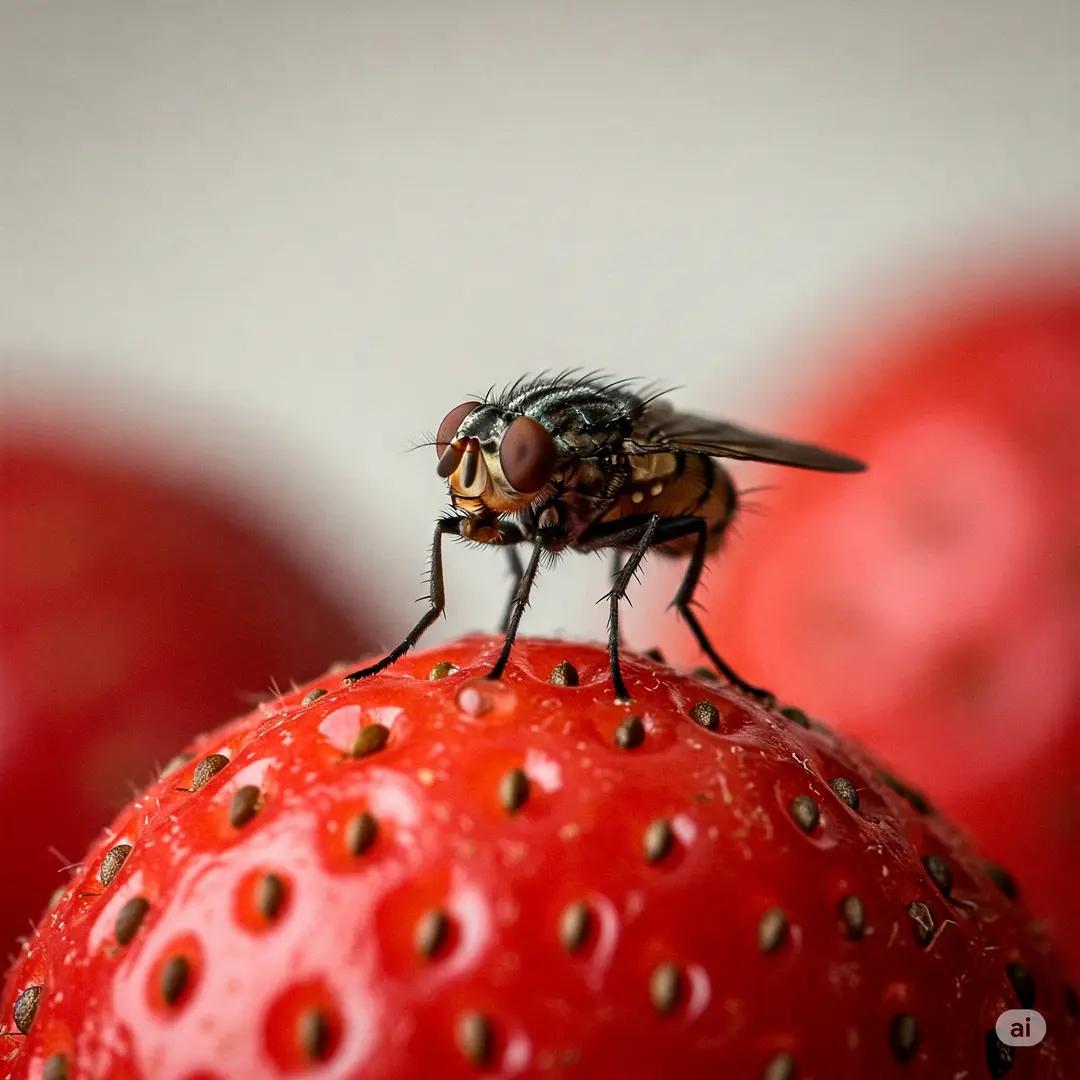
Fruit Fly (Drosophilidae)
The name “Fruit Fly” (Diptera: Drosophilidae) refers to small dipteran insects, mainly encompassing species of the genus Drosophila, which hold a central position in biological and genetic literature. Morphologically, they are recognized by their distinctive reddish compound eyes, yellowish-brown bodies, and slender forms measuring 2–4 mm in length. Especially the species Drosophila melanogaster has become one of the popular model organisms in experimental biology due to its short generation tim
ENFatih Atalay

Gregor Mendel
Gregor Johann Mendel (1822–1884) was a clergyman and researcher who lived in the Moravian region of the Austrian Empire in the mid-19th century. Through his hybridization experiments with pea plants, he obtained quantitative data on the transmission of hereditary traits across generations and defined several fundamental principles of inheritance based on this data. In his studies, he used mathematical methods and systematic observations. These studies later became one of the foundational referen
ENGülhan Yaşar