

`genetic-diversity` Related Article Results
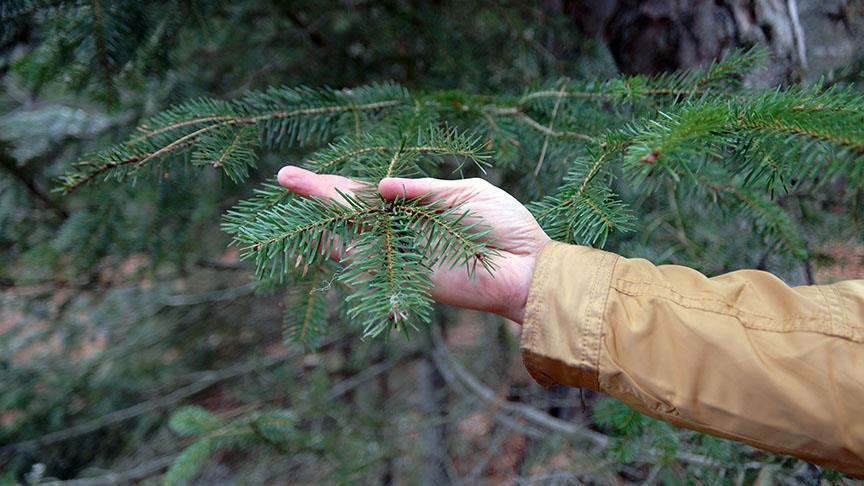
Kazdağı Fir
The Kazdağı Fir, scientifically known as Abies nordmanniana subsp. equi-trojani, is an endemic subspecies of fir native exclusively to Türkiye and belonging to the pine family (Pinaceae). It has been classified as Endangered (EN) by the International Union for Conservation of Nature (IUCN). Taxonomy and Nomenclature The scientific classification of the Kazdağı Fir has undergone a complex history. Initially, it was mistaken for a variety of a different species, the European Silver Fir (Abies alba
EN
Yunus Emre Yüce
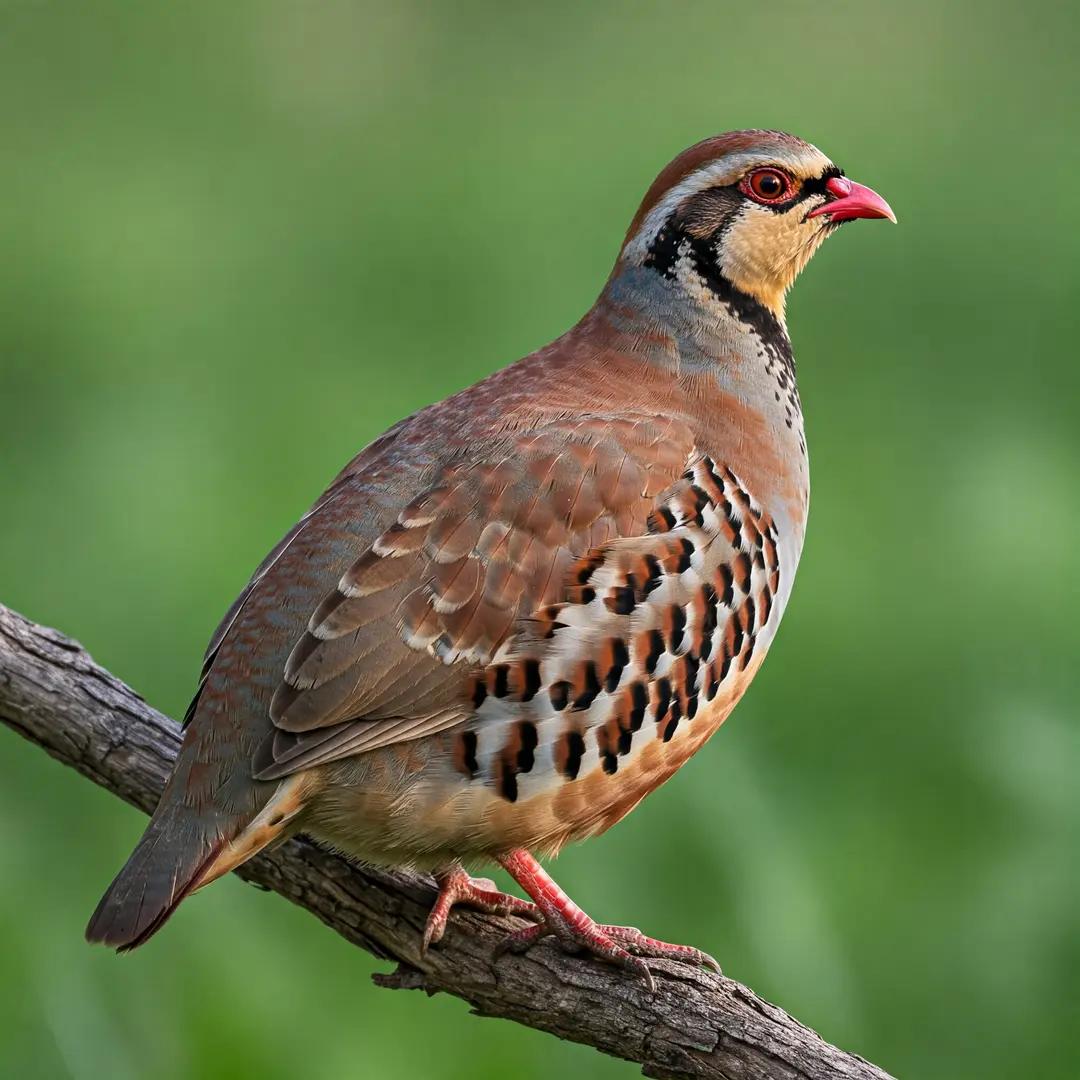
Partridge
The chukar partridge (Alectoris chukar) is a bird species belonging to the Phasianidae family, widely found in the mountainous and semi-arid regions of the Palearctic zone. This species can be observed naturally in almost every region of Türkiye and inhabits a vast geographical range extending from the Middle East to Central Asia and from the Balkans to the Himalayas. Topics such as hunting, genetic diversity, and habitat use are important research areas for understanding the ecological and biol
ENFatih Atalay
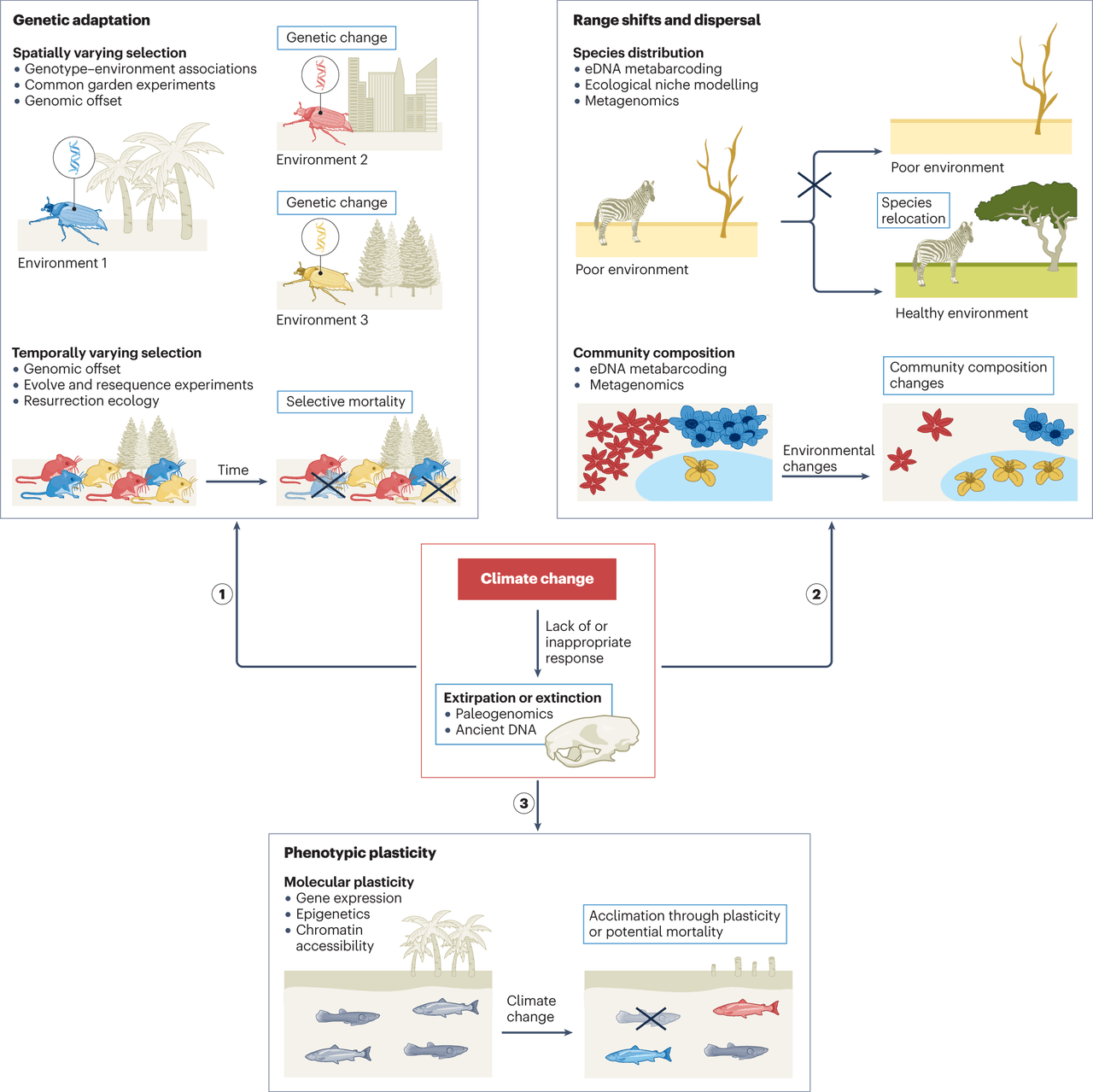
Climate Change Adaptation
Climate change adaptation refers to the process by which organisms and ecosystems respond to environmental changes through genetic, physiological, or behavioral adjustments. This adaptation may involve evolutionary changes that increase the likelihood of survival and reproduction for species. Rising temperatures, shifts in precipitation patterns, and extreme weather events are the primary factors forcing organisms to adapt. Genetic Foundations Climate change adaptation occurs through natural sel
EN
Enes Kekeç
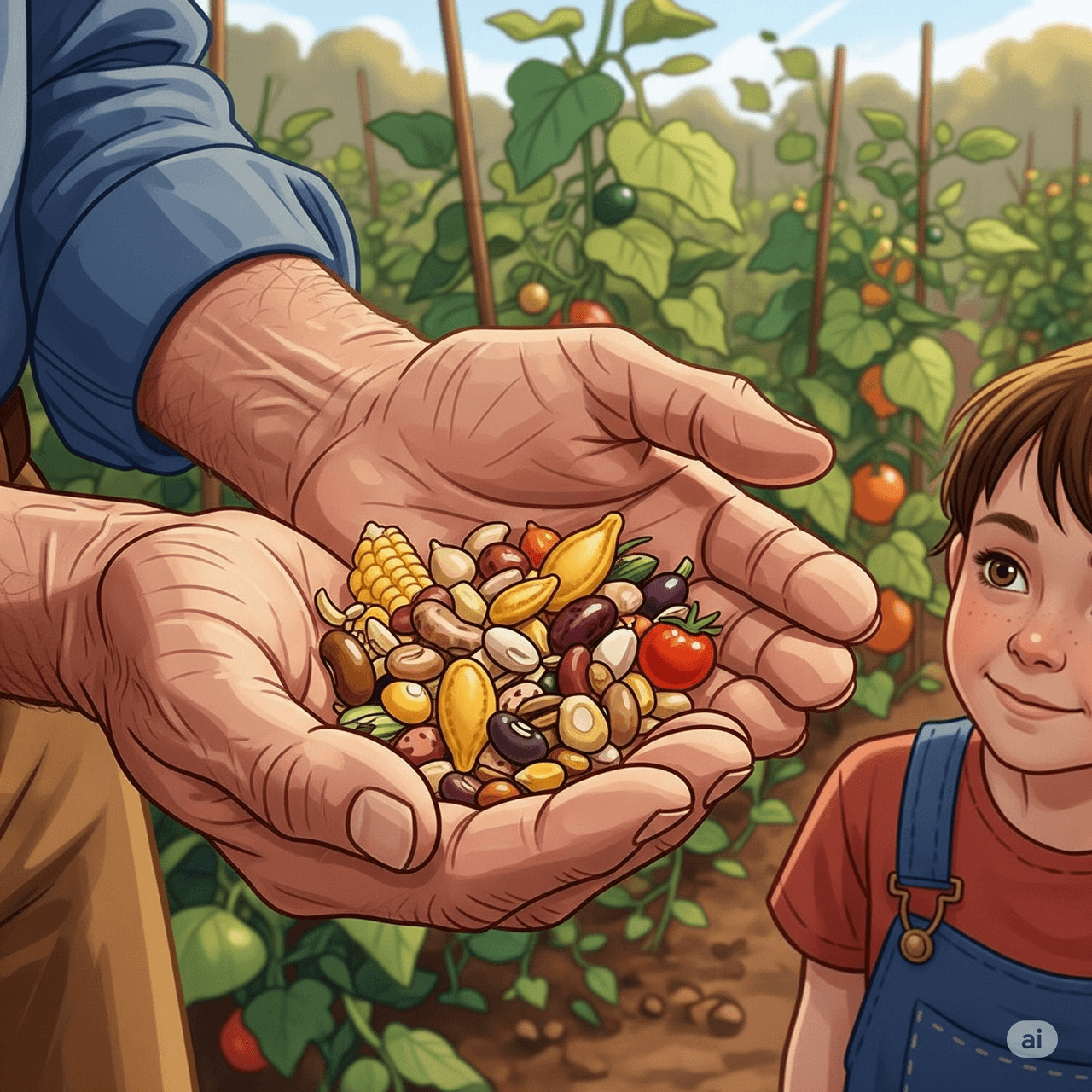
What is Ata Tohumu?
Heirloom seeds are native and natural seeds that have been passed down from generation to generation without genetic modification. For hundreds of years, these seeds have been planted and preserved by farmers and transmitted across generations. Today, they play a vital role in preserving food diversity. Historical Significance Heirloom seeds are regarded as an integral part of cultural heritage from the past to the present. In agricultural centers such as Anatolia, heirloom seeds have been used
EN
Rüya Dumlu
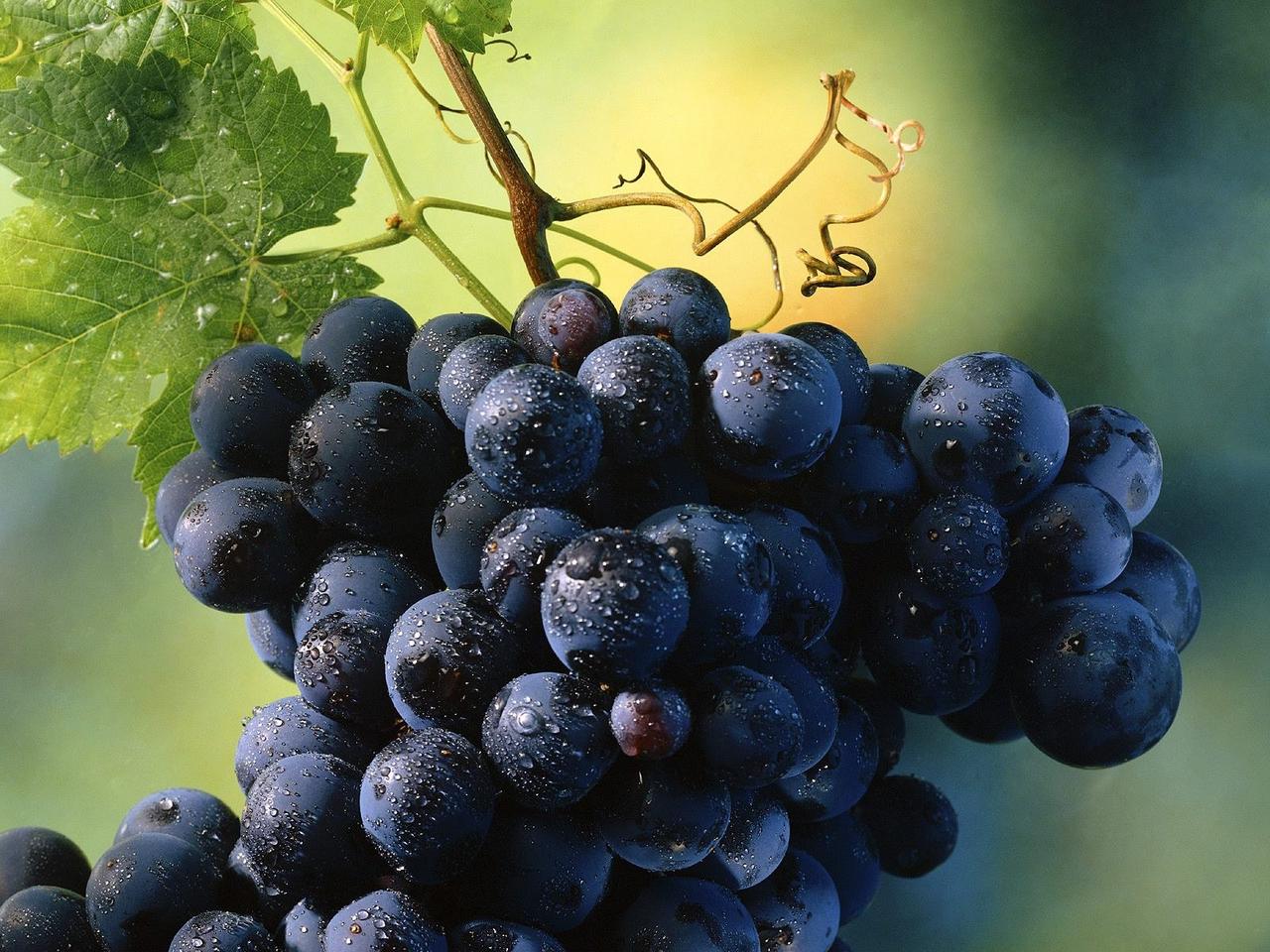
Cimin Grape
Cimin Üzümü is a local grape variety grown in the Üzümlü district of Erzincan province, Turkey, and holds a registered geographical indication. Cimin Üzümü is one of the key components of regional agriculture, contributing significantly to the local economy and possessing notable value in terms of genetic diversity. History and Geographic Distribution Cimin Üzümü has historically been known as a local grape variety cultivated in the Üzümlü district of Erzincan and its surrounding areas. The regi
EN
Zeynep Şule Bingöl
 Se
SeSeed Gene Banks
Seed gene banks are technical facilities where plant genetic resources (PGR) are conserved ex situ, outside their natural habitats. These facilities store seeds after drying them to low moisture levels and keeping them at low temperatures for long-term preservation without losing viability. Plant genetic resources serve as a vital source for ensuring food and nutrition security, enhancing the resilience of agricultural production systems, and adapting to future environmental conditions such as c
ENYunus Emre Yüce

Eurasian Otter (Lutra lutra)
Eurasian otter (Lutra lutra) is a semi-aquatic mammal species belonging to the family Mustelidae. It has a wide geographic distribution across various regions of Europe, Asia, and North Africa. This species plays a critical role as a key predator in freshwater ecosystems, helping to maintain ecological balance. In recent years, declines in their populations have been observed due to habitat loss, water pollution, and other human-induced threats. This situation has led to increased scientific res
ENEmre Özen
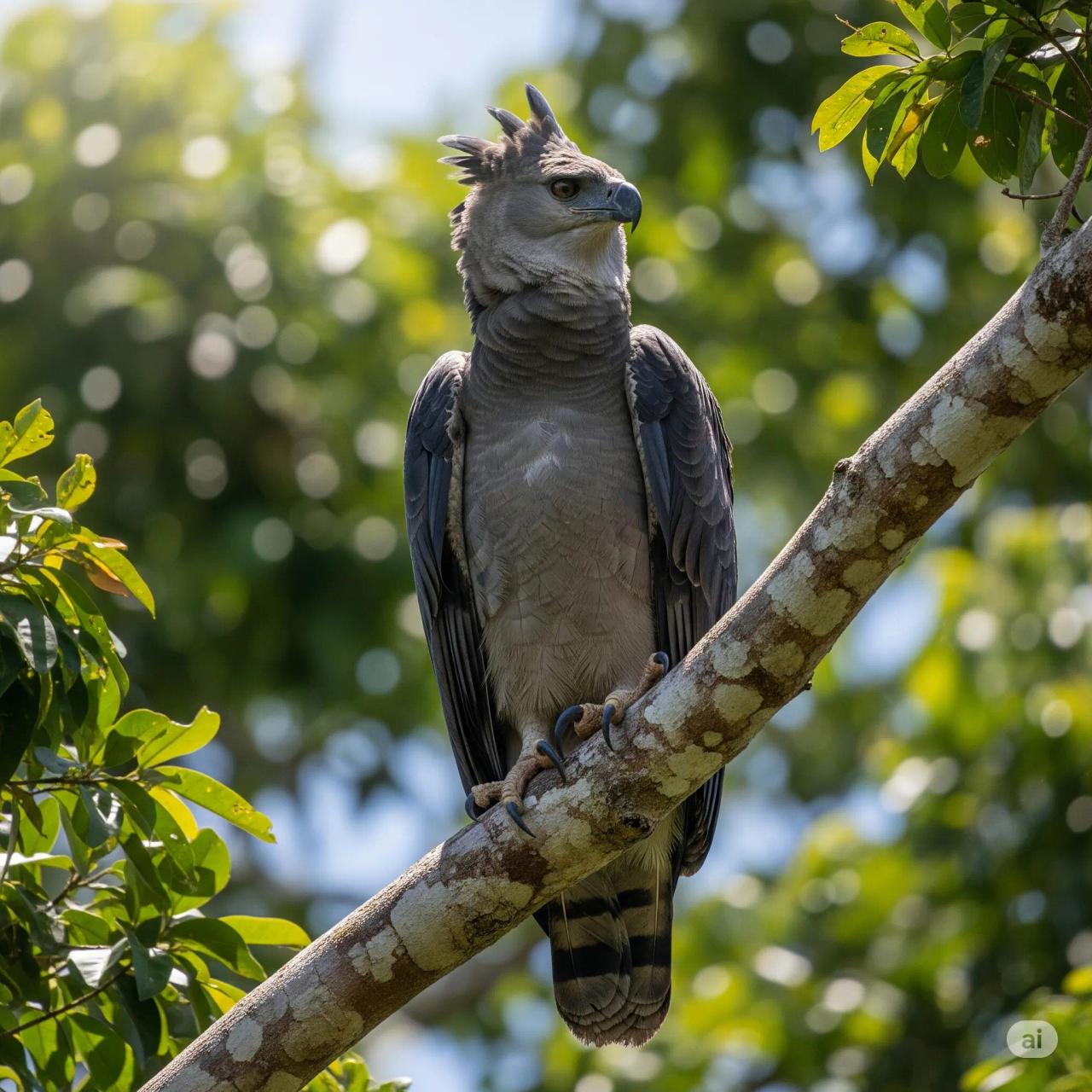
Harpy Eagle (Harpia harpyja)
Harpia harpyja is one of the largest raptors belonging to the family Accipitridae and is recognized as the largest eagle inhabiting continental America. This species is predominantly found in the tropical rainforests of the Amazon Basin. In terms of habitat preference, it favors lowland forested areas with dense and tall tree canopies. Its distribution ranges from southern Mexico to countries such as Brazil, Peru, Ecuador, Venezuela, Suriname, and French Guiana. However, this distribution is fra
ENEmre Özen
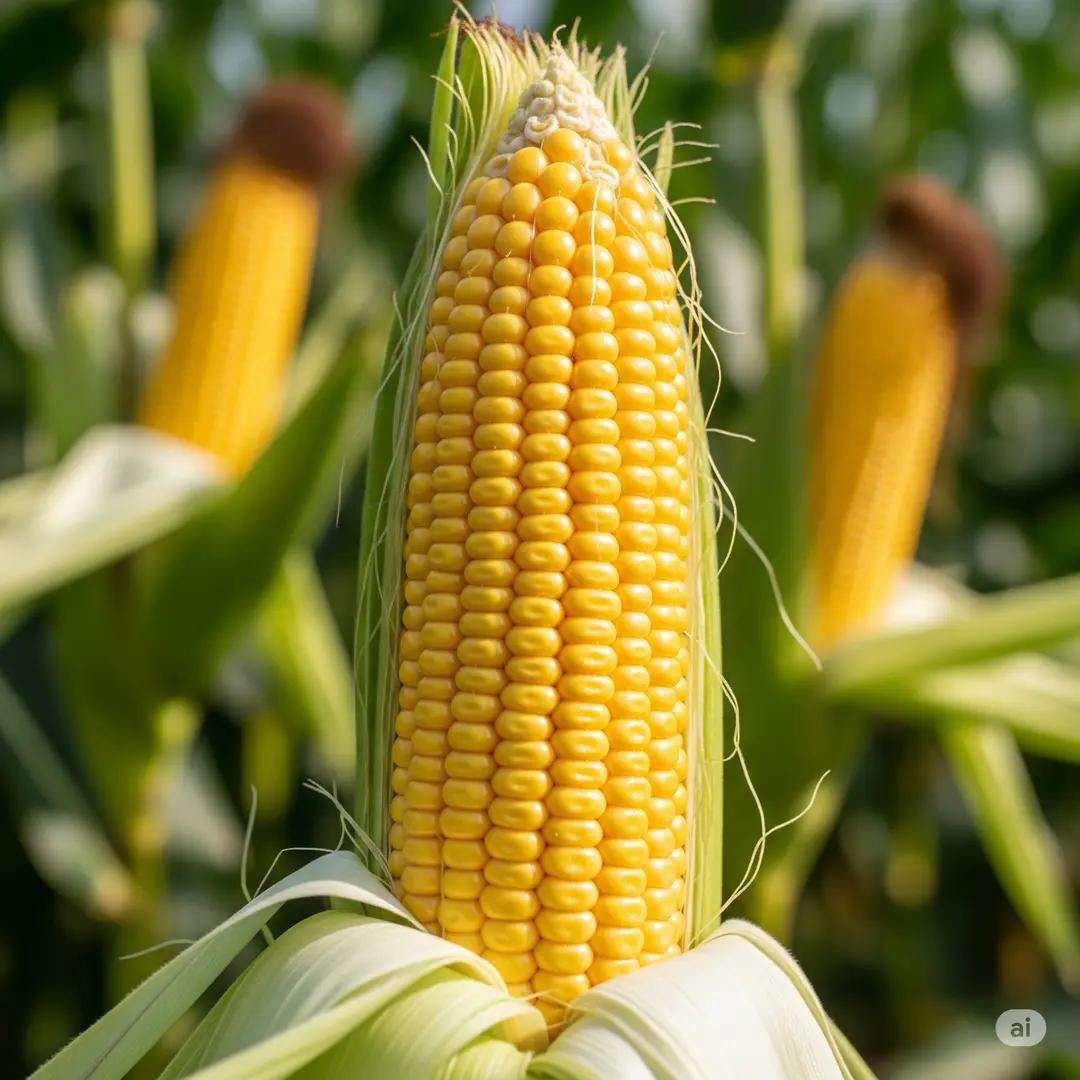
Maize Plant (Zea mays)
The maize plant (Zea mays) is one of the most widely cultivated cereal crops worldwide and holds significant importance both for food and industrial uses. Originating from Central America, this plant has historically been a staple food source and has gradually become a global agricultural commodity. Due to its resilience, high yield, and versatile applications, maize is favored by both small-scale farmers and large-scale industrial agriculture. Today, maize plays a crucial role in the production
ENFatih Atalay
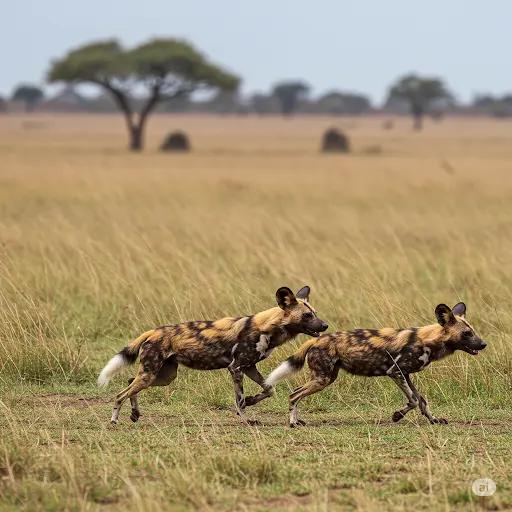
African Wild Dog (Lycaon pictus)
African wild dog (Lycaon pictus) is a carnivorous mammal that inhabits open and forested areas of sub-Saharan Africa, notable for its social structure and hunting strategies. As a member of the Canidae family, this species is recognized for its distinct physical characteristics and complex social behaviors. In recent years, populations have experienced significant declines due to habitat loss, human-wildlife conflicts, and diseases. Consequently, scientific research on the African wild dog is cr
ENEmre Özen