

`fusiform-gyrus` Related Article Results
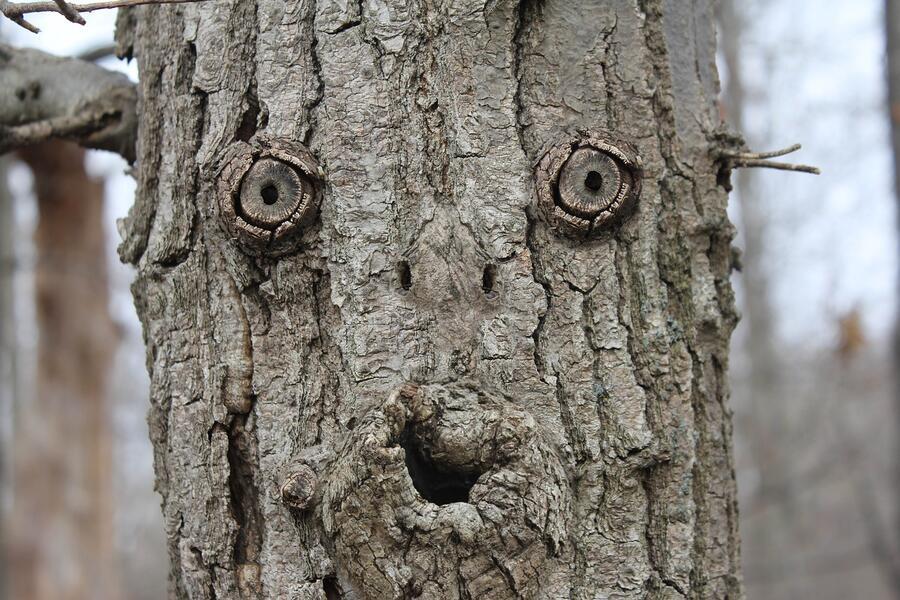
Pareidolia
Pareidolia, bireylerin rastgele veya belirsiz duyusal uyaranları anlamlı biçimlere dönüştürme eğilimini tanımlayan algısal bir fenomendir. En sık olarak yüz algısı şeklinde ortaya çıkmaktadır. Terim, Yunanca “yanlış” anlamına gelen para ve “görüntü, biçim” anlamına gelen eidolon kelimelerinden türemiştir. Algısal ve Nörolojik Temeller Görsel korteksin, özellikle şakak bölgesindeki temporal ve oksipital lobların kesişiminde yer alan fuziform yüz alanı (fuziform girus), gerçek yüzlerin tanınmasınd
TR
Esra Ocakverdi
Pareidolia
Pareidolia is a perceptual phenomenon that describes the tendency of individuals to interpret random or ambiguous sensory stimuli as meaningful forms. It most commonly manifests as facial perception. The term derives from the Greek words para, meaning “false,” and eidolon, meaning “image” or “form.” Perceptual and Neurological Foundations The fusiform face area, located at the intersection of the temporal and occipital lobes in the temporal region of the visual cortex, plays a central role in re
ENEsra Ocakverdi
 Pr
PrProsopagnosia
Prosopagnosia is a neurological disorder characterized by the inability to recognize and distinguish faces, also known as "face blindness." The term is derived from the Greek words "prosopon," meaning "face," and "agnosia," meaning "lack of knowledge" or "inability to recognize." Individuals with this condition have difficulty perceiving the features that make faces unique and enable people to identify and differentiate one another. Prosopagnosia is not directly related to general memory problem
ENYunus Emre Yüce