

`fungus` Related Article Results
 En
EnEntomopathogenic Fungi
Entomopathogenic fungi are pathogenic microorganisms commonly found in nature that infect insects and other arthropods, leading to their death. The term, derived from the Greek words “entomo” (insect) and “pathogen” (disease-causing), describes organisms that function as natural enemies in ecosystems and play a crucial role in suppressing pest insect populations. Their use in agriculture, forestry, and public health as biological control agents is increasingly widespread due to their environment
EN
PINAR GÜNER
Candidiasis
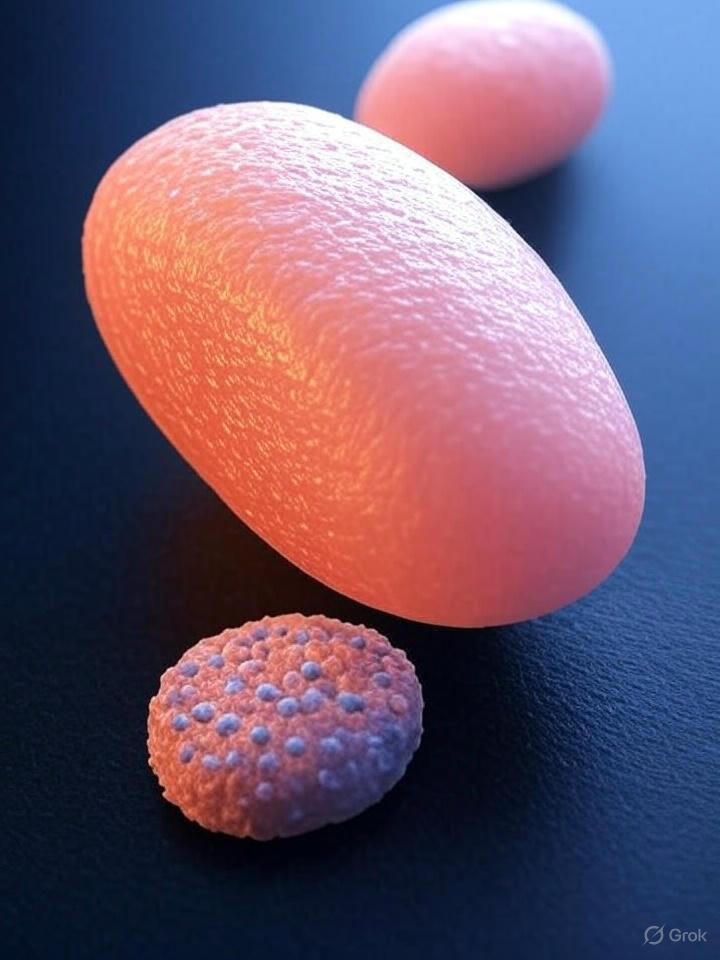
Candidiasis is the general term for opportunistic fungal infections caused by various species of Candida, primarily Candida albicans. Clinical manifestations range from superficial mucocutaneous infections to life-threatening systemic diseases. Infection typically occurs in individuals with compromised immune systems and can affect the mouth, esophagus, vagina, skin, lungs, or the systemic circulation. Candidiasis is also commonly known in the public as “thrush,” “moniliasis,” or “candidosis.” E
EN
Kardelen Durukan
BeBeauveria Bassiana
Beauveria bassiana (Bals.-Criv.) Vuill., doğada yaygın olarak bulunan ve böcekler üzerinde hastalık oluşturan entomopatojenik bir mantar türüdür. Toprakta, bitki yüzeylerinde ve ekosistemlerde doğal olarak bulunur. Çeşitli eklembacaklılarda parazitlik yaparak zararlı böceklerin popülasyonlarını sınırlar. Bu özelliği sayesinde, modern tarımda biyopestisit olarak kullanılan en önemli mikroorganizmalardan biri kabul edilmektedir. Tarihçe ve Taksonomi Bu mantar ilk kez 1835 yılında İtalyan bilim ins
TRPINAR GÜNER
BiBiofilm
Biofilms are self-protective, structurally complex microbial communities formed by microorganisms (bacteria, fungi, and some protists) adhering to surfaces. These structures create a tight matrix composed of extracellular polymeric substances (EPS) secreted by the cells. EPS contains polysaccharides, proteins, DNA, and lipids, providing both structural integrity and protective functions to the biofilm. Biofilms are commonly found on surfaces in contact with water, on soil particles, or on living
ENPINAR GÜNER
BeBeauveria bassiana
Beauveria bassiana (Bals.-Criv.) Vuill. is a widely occurring entomopathogenic fungus in nature that causes disease in insects. It is naturally found in soil, on plant surfaces, and within ecosystems. By parasitizing various arthropods, it helps limit populations of pest insects. Due to this property, it is recognized as one of the most important microorganisms used as a biopesticide in modern agriculture. History and Taxonomy This fungus was first identified in 1835 by the Italian scientist Ago
ENPINAR GÜNER
Ganoderma Mushrooms
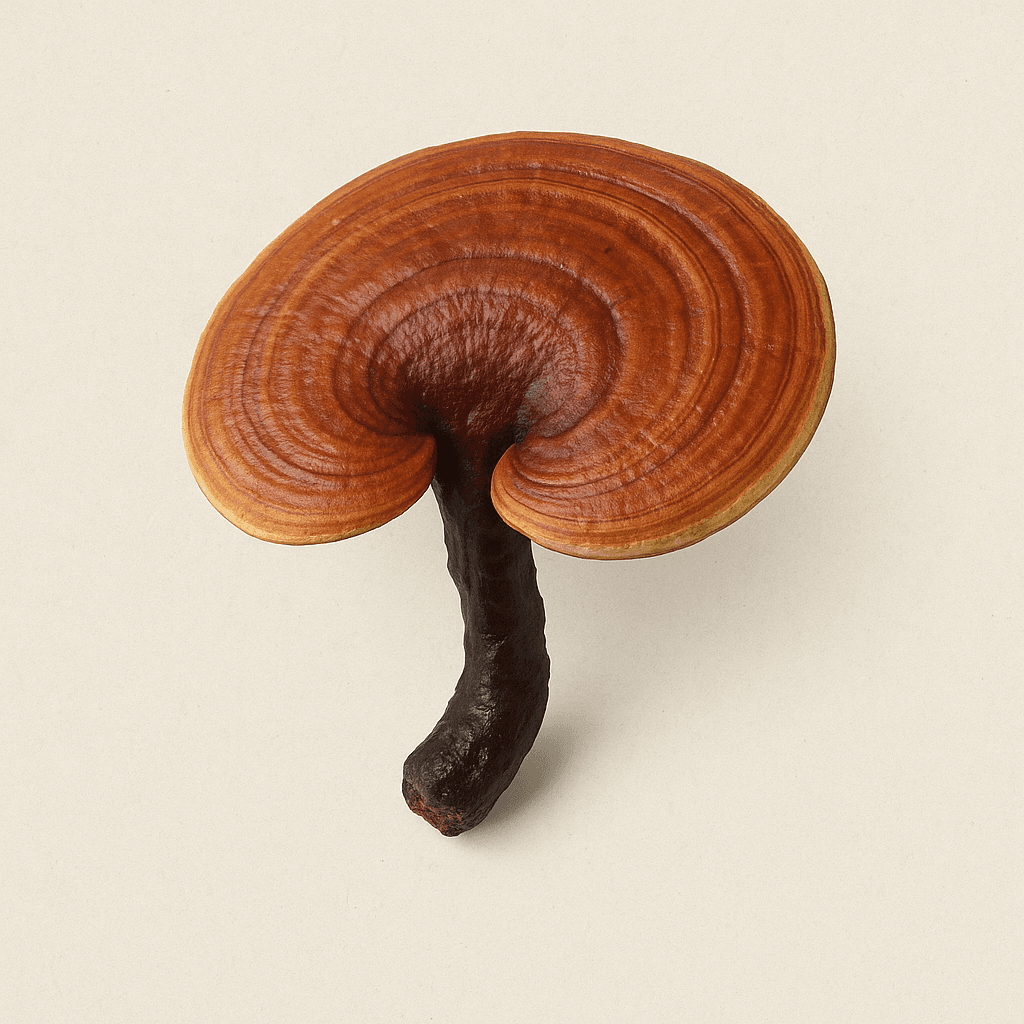
Ganoderma lucidum is a species of fungus known for thousands of years in Asian cultures—primarily in China, Japan, and Korea—as "Lingzhi" (in Chinese) or "Reishi" (in Japanese), with a deep cultural and medicinal heritage. The term "Lingzhi" is a compound meaning "spiritual power" and "essence of immortality," reflecting how sacred this fungus has been regarded throughout history. Some sources even mention evidence of its use dating back 6,800 years to Neolithic China. In ancient Chinese texts,
ENZeynep Beyazaslan