

`fuel-efficiency` Related Article Results
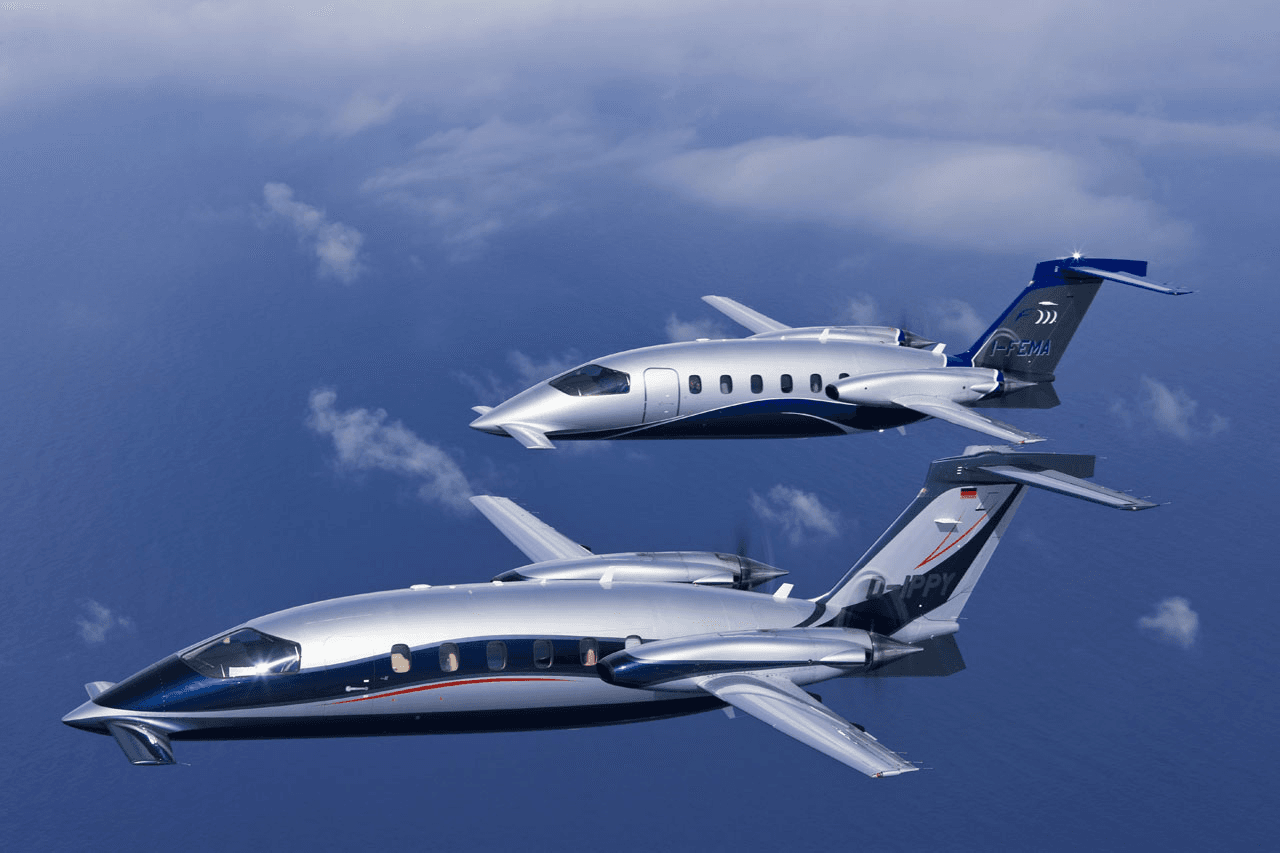
Piaggio P.180 Avanti
The Piaggio P.180 Avanti is a twin-turboprop business jet manufactured by Italian company Piaggio Aerospace. Unlike other turboprop aircraft, it features a pusher propeller configuration and a three-surface design (canard, main wing, and tail surfaces). This architecture provides the aircraft with high speed and fuel efficiency. The Avanti is used in business and private aviation for its laminar-flow fuselage and quiet cabin structure. Development Purpose and History The development of the Piagg
EN
Arif Zahid Yüksel
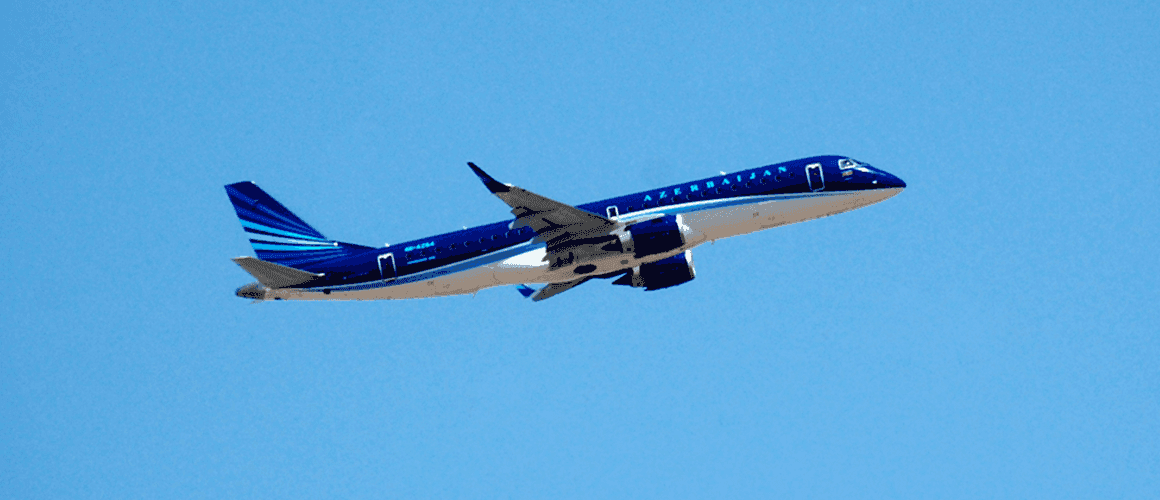
Embraer 190
Embraer 190 is a narrow-body twin-engine regional jet aircraft designed and manufactured by the Brazilian aerospace company Embraer. As a member of Embraer’s highly successful E-Jet family the E190 was specifically developed for medium-range and high-density regional routes as well as lower-demand mainline routes. Thanks to its spacious cabin passenger-focused design and operational efficiency it has become a popular aircraft favored by numerous airlines worldwide. Development Purpose and Histor
ENArif Zahid Yüksel
 Ha
HaHatchback
A hatchback is a type of automobile defined by its body style. These vehicles feature a compact, short rear end without a separate trunk extension. The luggage compartment is integrated with the passenger cabin and accessed through a single large hatch that opens together with the rear window. Hatchbacks are typically produced with three or five doors and generally have a seating capacity of more than four passengers. Due to their shorter and more compact structure, they are also referred to as
EN
Esra Emir
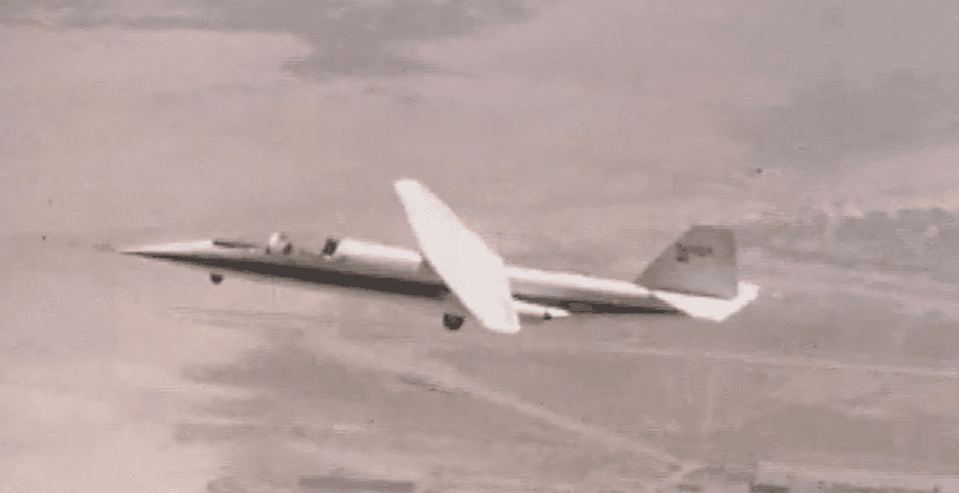
NASA AD-1
NASA AD-1 (Ames-Dryden-1) is a single-engine experimental aircraft from aviation history featuring wings that can be pivoted up to 60 degrees relative to the fuselage. This innovative design was developed by NASA’s Ames and Dryden (now Armstrong) Research Centers in the 1970s to test the low-speed behavior of the “oblique wing” concept. The aircraft’s primary objective was to improve fuel efficiency by positioning its wings at varying angles, thereby optimizing both takeoff and landing performan
ENArif Zahid Yüksel