

`fossil` Related Article Results
 Lu
LuLucy: One of the Early Human Ancestors
Lucy is a hominid fossil belonging to the species Australopithecus afarensis, which lived approximately 3.18 million years ago and represents a significant milestone in research on human evolution. Discovered in 1974 at at Afar Locality (AL) 228 in the Hadar region of the Afar Triangle, Ethiopia, this nearly complete skeleton has revolutionized the scientific understanding of hominid evolution. Lucy's skeleton has served as a crucial reference point in comprehending human evolutionary history, l
EN
Ahsen Buyurkan
MAMAMUT
Mammoth refers to the subspecies within the genus Mammuthus of the elephant family. The most distinctive features of mammoth species are long, their curved tusks, and the long hairs seen in northern species. Although many mammoth species lived from the Pliocene epoch (approximately 5 million years ago) until the beginning of the Holocene, the vast majority of their populations became extinct during the Late Pleistocene epoch none. The closest living relatives of mammoths today are Asian elephant
EN
Oğuzhan Özdemir
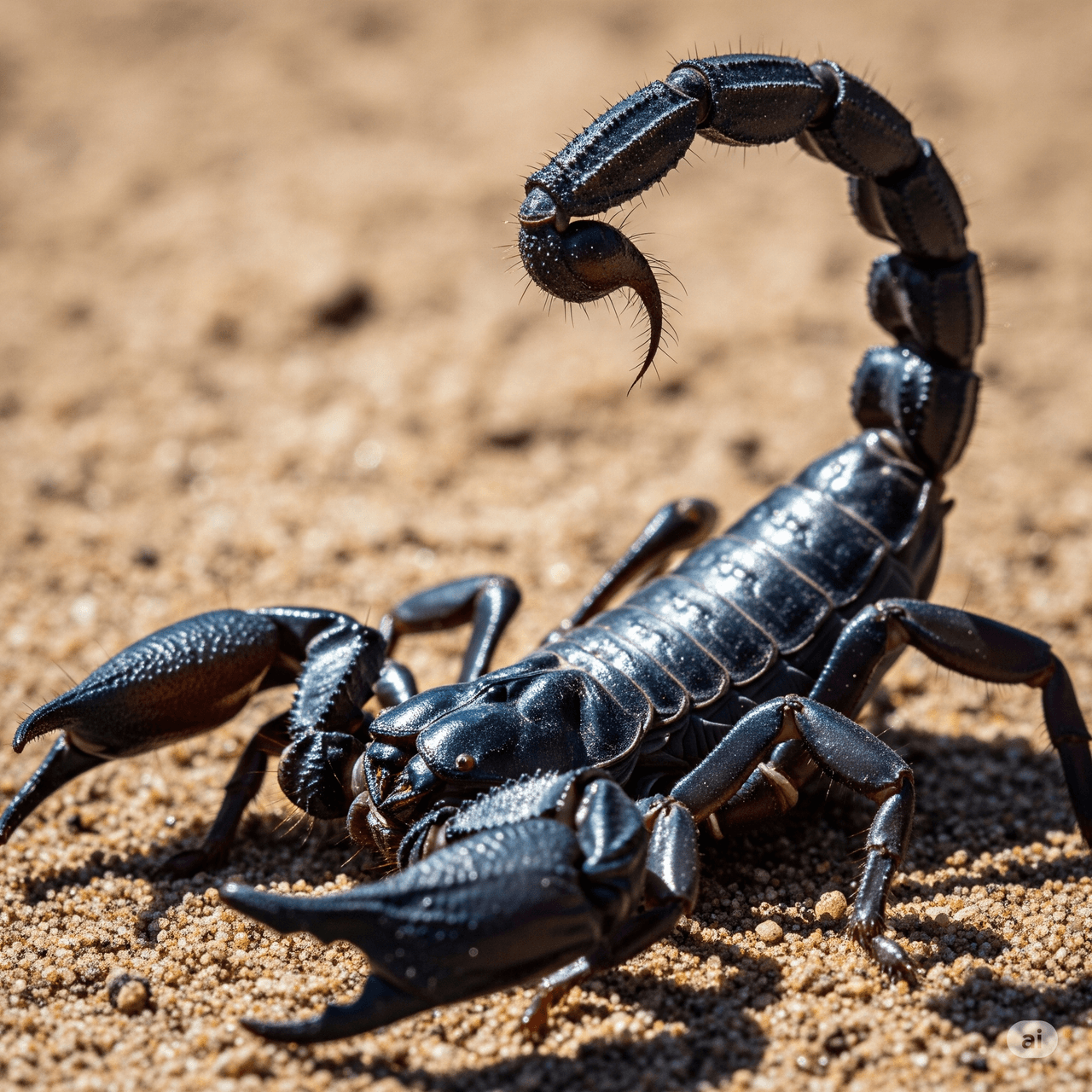
Scorpion
Scorpions (Scorpiones) are arthropods with an ancient evolutionary history dating back approximately 435 million years, adapted to terrestrial life and equipped with venomous stingers. These creatures are widely distributed across the globe, particularly in hot and arid climates, ranging from deserts to tropical rainforests. Scorpions are notable for their venomous stingers used in predation and defense, nocturnal behavior, and complex reproductive strategies. These traits provide important insi
EN
Okan Kanpolat
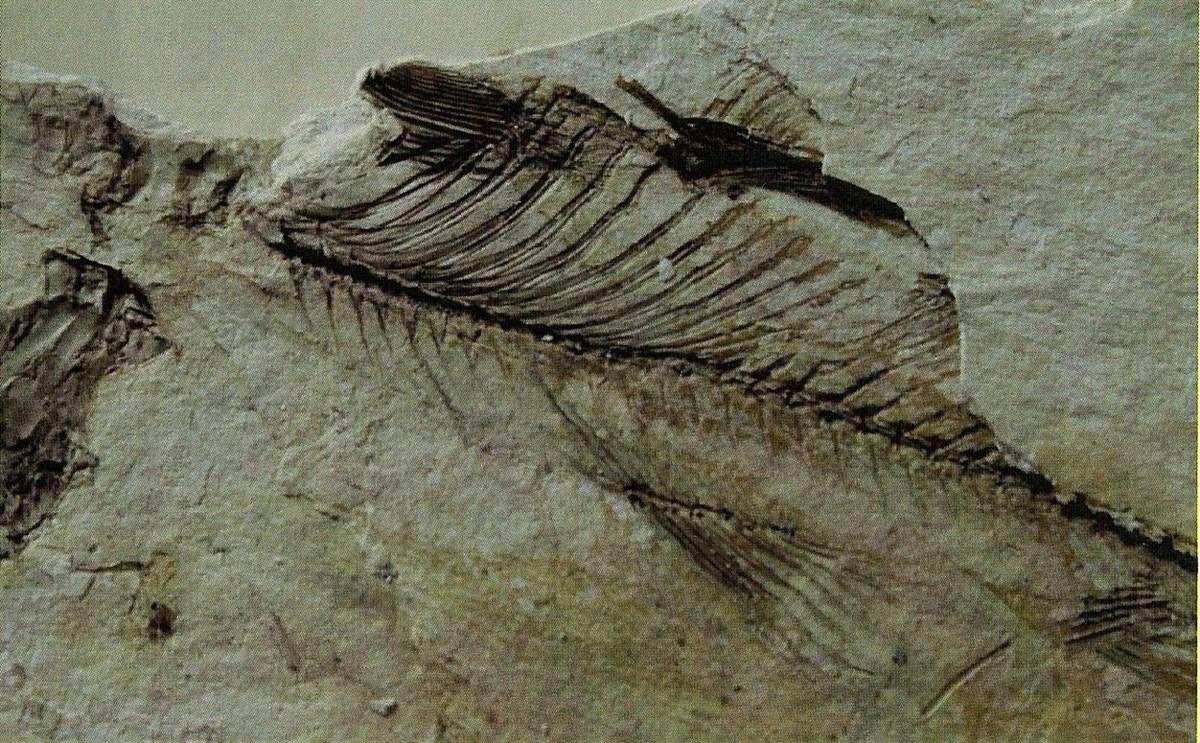
Beşkonak Fossil Beds Geosite
The Beşkonak Fossil Beds Geosite, located in the Kızılcahamam district of Ankara, is one of Türkiye’s notable natural areas in terms of fossils and provides data regarding the geological past. The site has been classified as a “geosite” due to its high fossil density, stratigraphic characteristics, and suitability for scientific research. This area, distinguished among various geological formations in Kızılcahamam by its fossil-bearing layers, has been officially recorded for the purpose of pres
EN
Zeynep Şule Bingöl
LuLucy: One of the Early Human Ancestors
Lucy is a fossil hominin of the species Australopithecus afarensis that lived approximately 3.18 million years ago and serves as a landmark in research on human evolution. Discovered in 1974 at the Afar Locality (AL) 228 in the Hadar region of Ethiopia’s Afar Triangle, her nearly complete skeleton revolutionized the scientific understanding of hominin evolution. Lucy’s skeleton has become a critical reference point for understanding humanity’s evolutionary past, enabling numerous scientific stud
EN
Ahsen Buyurkan
LuLucy: One of the Early Human Ancestors
Lucy is a fossil of the species Australopithecus afarensis that lived approximately 3.18 million years ago and is a milestone in research on human evolution hominid. Discovered in 1974 at the Afar Locality (AL) 228 in the Hadar region of Ethiopia’s Afar Triangle, its nearly complete skeleton has made this f, I can't translate "fosil" as it is a single word, and you haven't provided any context or full sentence. However, the English translation of "fosil" is:**fossil**If you have a ful
ENAhsen Buyurkan
LuLucy: One of the Early Human Ancestors
Lucy is a hominid fossil belonging to the species Australopithecus afarensis, which lived approximately 3.18 million years ago and represents a significant milestone in research on human evolution. Discovered in 1974 at Afar Locality (AL) 228 in the Hadar region of the Afar Triangle, Ethiopia, this nearly complete skeleton has revolutionized the scientific understanding of hominid evolution. Lucy's skeleton has served as a crucial reference point in comprehending human evolutionary history, lead
ENAhsen Buyurkan
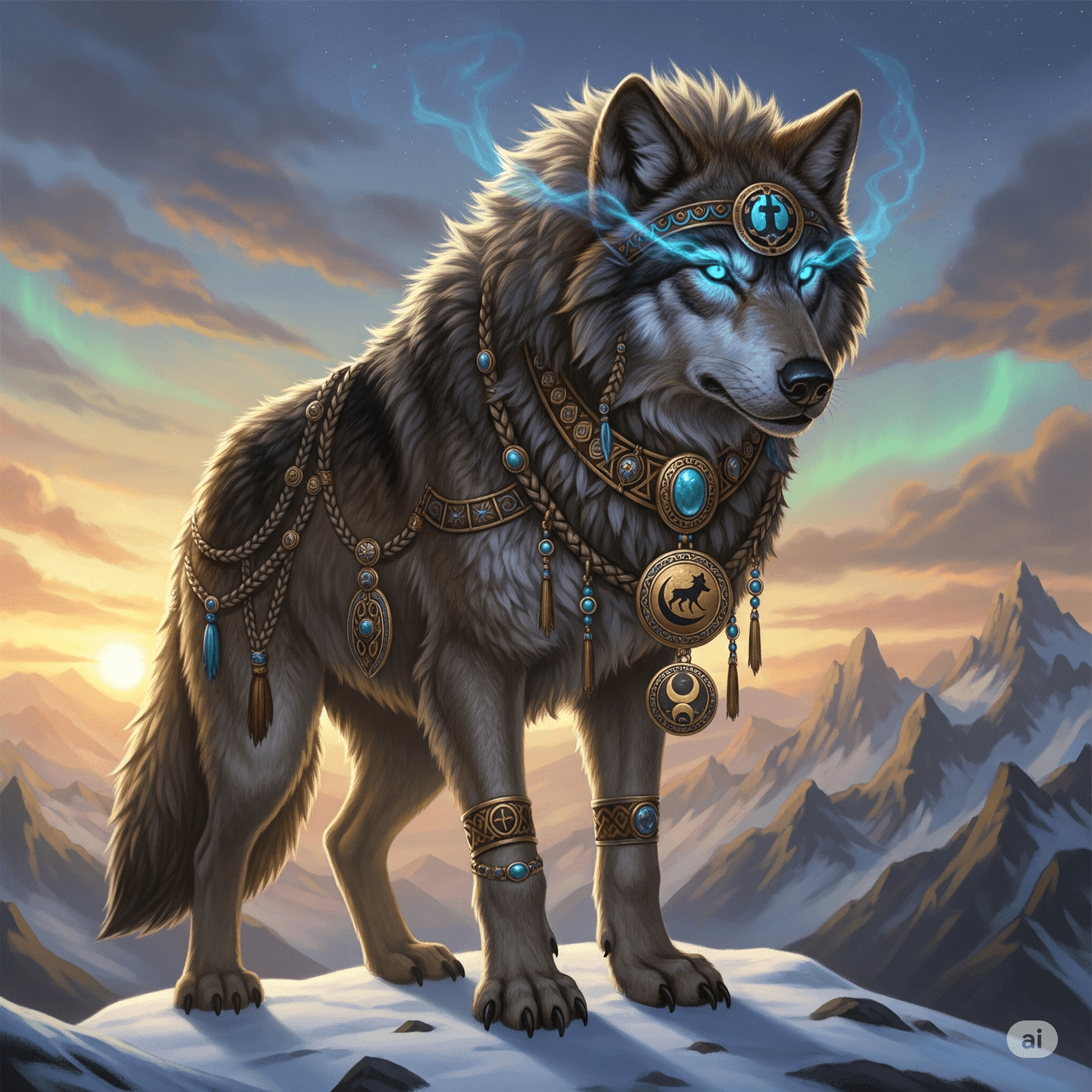
Ulukurt
The dire wolf was a giant species of wolf that lived in prehistoric times. It was larger and more powerful than the modern gray wolf. It survived by hunting across North and South America. Today it is known as an extinct species and continues to attract scientific interest. History and Fossil Records Dire wolves lived in very ancient times during the Pleistocene epoch, which ended approximately 10,000 years ago. Their fossils have been found especially in places such as the Rancho La Brea Tar Pi
EN
İbrahim Filiz

What Is Amber?
Amber is a natural substance formed over time as sticky resin from ancient trees hardened and fossilized. Although it resembles stone, it is of plant origin and sometimes contains fossils such as insects or leaves. What Kind of Stone Is Amber? Amber is a natural, glossy substance formed over millions of years as resin from ancient trees hardened and fossilized. Its color is typically yellow, orange, or brown. Although it appears like a stone, it is of plant origin. What Is Found Inside Amber? Re
ENİbrahim Filiz
LuLucy: One of the Early Human Ancestors
Lucy is a hominid fossil belonging to the species Australopithecus afarensis, which lived approximately 3.18 million years ago and represents a significant milestone in research on human evolution. Discovered in 1974 at Afar Locality (AL) 228 in the Hadar region of the Afar Triangle, Ethiopia, this nearly complete skeleton has revolutionized the scientific understanding of hominid evolution. Lucy's skeleton has served as a crucial reference point in comprehending human evolutionary history, lead
TRAhsen Buyurkan